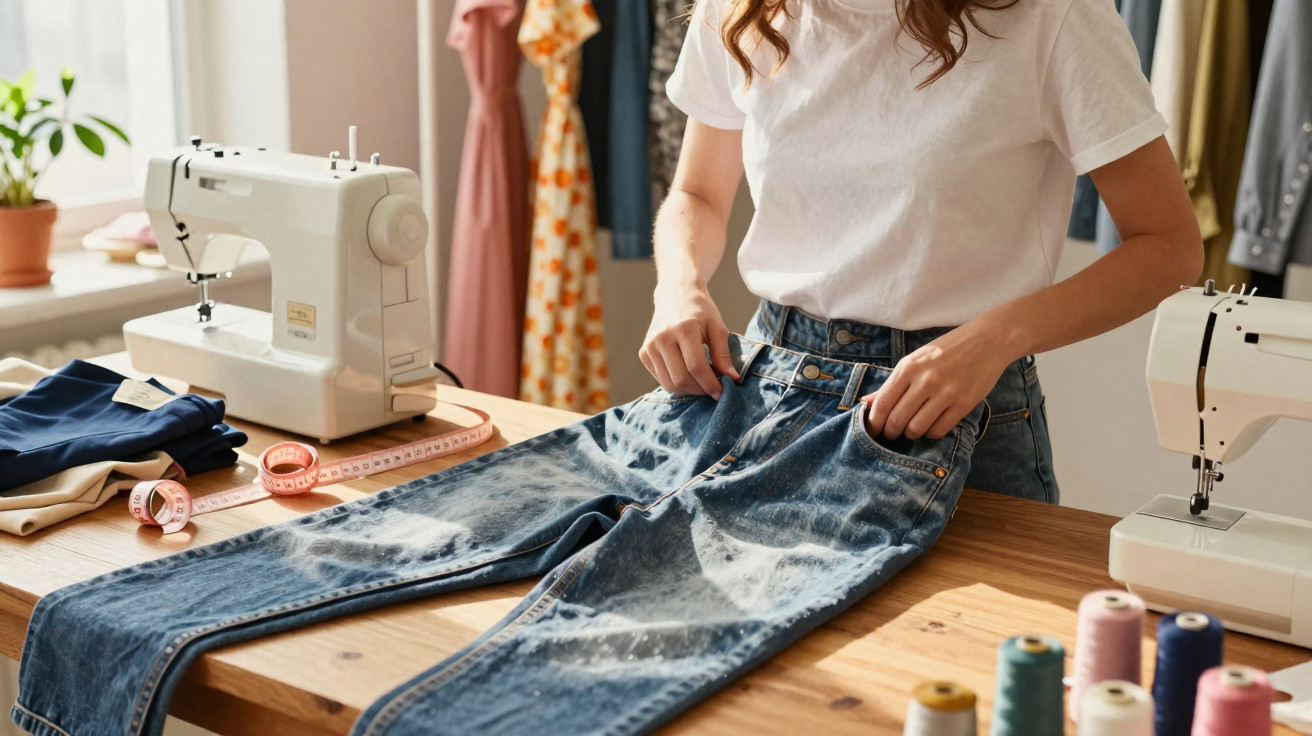
Many fashion lovers will recognise the situation: a real gem is waiting at a flea market or in Grandma’s wardrobe – but it is far too tight at the waist or hips. Rather than putting the item back in frustration or paying for costly alterations, it is worth considering simple ways to gently make old clothes roomier. A quick five-minute trick works remarkably well, especially with denim.
Why Vintage Fashion Suddenly Feels So Small Today
Anyone who wears vintage soon notices that size labels from the 1960s or 1970s bear little resemblance to today’s sizing charts. A garment size that looks harmless on an old label can now feel two sizes smaller.
Textile industry archives show that what was considered a ‘middle’ size in many decades was closer to today’s smaller sizes. Ideals of body shape were different, cuts were more restrictive, and comfort was far less of a priority than it is now.
There is also the issue of freedom of movement. Pencil skirts, blazers and jeans used to fit close to the body, often with a strongly defined waist. Tension was focused on only a few seams – usually those at the sides. When just a few centimetres are missing, the fibres are put under strain, the fabric distorts and, in the worst case, may tear.
“The tight fit is often not down to you, but to outdated size charts and deliberately narrow cuts.”
The good news is that many of these pieces can be altered to make them wearable again without destroying their original character.
What ‘Gaining One Size’ Actually Means in Practice
In wardrobe terms, going ‘one size up’ sounds like a broad guideline. Dressmakers calculate more precisely: it generally means around four centimetres of extra circumference at the key point, such as the waist, hips or bust.
As a garment has a front and back, this alteration is normally divided between both sides. Put simply, that amounts to roughly two centimetres for each ‘half’. This keeps expectations realistic: a tight skirt will not suddenly become baggy. The aim is noticeably more room, rather than a complete refit.
When tricks involving fibres and moisture are no longer enough, practical solutions such as side inserts come into play. This is particularly useful with the classic fabric, denim.
Five-Minute Method: How to Gently Loosen Vintage Jeans
With jeans made from pure cotton, it is possible to coax a little extra give from the natural fibre. Cotton responds strongly to water, warmth and tension. That is exactly the effect used by this quick technique, which works especially well on rigid, non-stretch Vintage Jeans.
Step by Step: Expanding Jeans at the Waist
This method is most effective on 100 per cent cotton denim without any stretch content. Follow these steps:
- Lay the jeans flat and thoroughly dampen the upper section – the waistband and upper hip area – with lukewarm water, ideally using a spray bottle.
- The fabric should be clearly damp, but not dripping wet.
- Put the jeans on while damp and fasten them as far as is still comfortable.
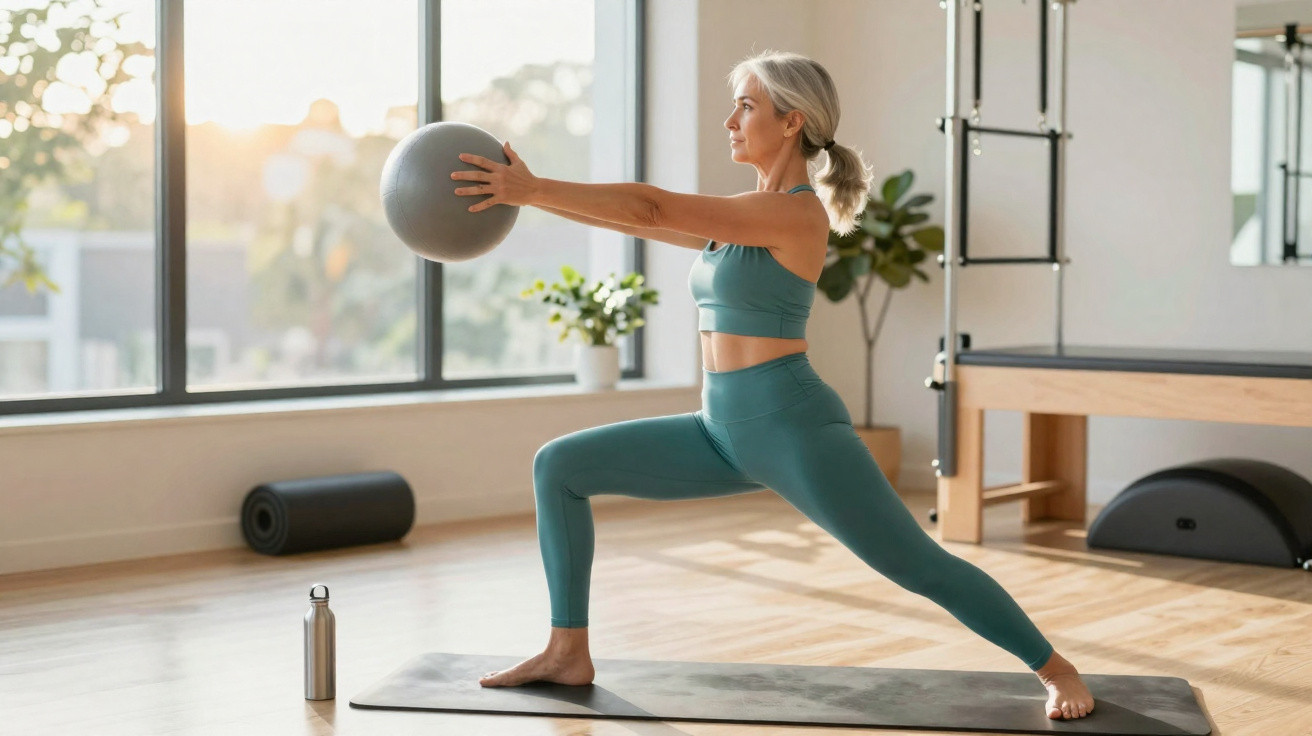
- Keep moving for three to five minutes: do squats, gentle lunges and torso twists.
- Stretch deliberately where the jeans feel tight, usually around the waistband and side hips.
The combination of moisture, body heat and tension allows the cotton to give and mould itself to the body. Many people report gaining up to three centimetres around the waist without the fabric becoming overstretched or losing its shape.
“Water, warmth and movement: this combination of three can deliver a whole size of comfort in rigid vintage jeans.”
An Alternative Without Wearing Wet Jeans
Anyone who dislikes wearing damp denim can also work on the waistband with a hanger. Pull the moistened waistband over an especially wide wooden hanger or sturdy trouser hanger, then gently stretch it widthways. As the fabric air-dries, the hanger retains the tension and expands the waistband slightly.
Always air-dry the jeans rather than using a tumble dryer. Hot air is more likely to set the fabric back into its smaller shape. Once dry, use a tape measure: comparing the measurements before and after will clearly show whether the method was enough or whether a conventional alteration is needed.
When Jeans Are Not Enough: Smart Inserts for Skirts and Dresses
For narrowly cut pencil skirts or vintage dresses, stretching often no longer helps, particularly with delicate fabrics. This is where a proven dressmaking technique comes in: small side inserts that add extra width almost invisibly.
How to Fit Side Inserts Properly
First, identify where the garment is under the greatest strain – usually at the side waist or hips. Open the side seam at that exact point, normally for five to seven centimetres. A small insert, ideally triangular in shape, is then placed in the opening.
In practical terms, it works like this:
- Choose a piece of fabric that is as close as possible in quality and colour; those who are bolder can deliberately choose a contrast.
- Cut out an elongated diamond shape measuring around six by eight centimetres.
- Fold the piece lengthways to create a triangle.
- Position the point of the triangle facing downwards in the opened side seam, with the long sides facing upwards.
- Stitch both edges of the triangle into the seams with close stitches and secure them neatly.
Treating both sides of a skirt or dress in this way distributes the tension evenly. Together, two inserts often provide exactly the four extra centimetres of freedom of movement needed to make an old favourite suitable for everyday wear again.
“Triangular side inserts barely alter the line – but give the body back the missing centimetres.”
When Elastic Helps: Subtle Waistband Tricks
For skirts with a zip, it is especially worth looking at the waistband. If the fastening almost closes but is still short by a few centimetres, small elastic inserts can be the answer. Short pieces of firm elastic can be sewn in on the right and left of the zip.
The benefit is that the original character remains largely unchanged from the outside, while the waistband gains a little working flexibility. The skirt can then fit comfortably again without significantly changing the silhouette.
What to Consider With Valuable Vintage Pieces
Anyone altering rare or high-value garments should proceed with care. First test an inconspicuous area on the inside to see how the fabric responds to water or strong stretching. Some older materials are prone to discolouration or can split where they are overloaded.
It is also worth inspecting the seams: if the threads have already become brittle, heavy tension may cause more damage than improvement. In these cases, professional help from an alterations studio is often the safer option.
How to Avoid Future Buying Mistakes
When shopping for vintage, taking more careful measurements at the point of purchase can prevent disappointment. Carrying a tape measure makes a major difference. Key checks include:
- Measure the garment’s waist width while it is laid flat and compare it with your own body measurement.
- Check the hip circumference at its widest point, especially for pencil skirts and narrow dresses.
- Look for existing seam allowances – if there is still spare fabric at the sides, it may be possible to gain one to two centimetres per side.
For online purchases in particular, asking for exact measurements can save trouble. With older items, the stated garment size tells you very little about the real fit.
Why the Effort Is Worthwhile
Adjusting Vintage Fashion rather than discarding it not only protects your budget but also conserves resources. A well-fitting individual piece can last for decades, pass from one generation to the next, and remain fashionably interesting because it stands apart from mass-produced clothing.
Many people only discover through alterations what clothing can really feel like when it suits their own shape. Rigid fabrics such as denim or densely woven cotton feel completely different once those missing centimetres have been gained.
Sometimes, all it takes is a spray of lukewarm water, a few squats and a little patience to turn an apparent buying mistake into a new favourite piece.













Comments
No comments yet. Be the first to comment!
Leave a Comment