
The person staring back from the mirror looked as though the weather had won.
Her hair, still carrying warmth from the shower, had puffed into a frizzy halo that had not existed ten minutes before. Her only mistake was vigorously rubbing her head with a coarse bath towel - precisely what most of us learnt to do as children.
Meanwhile, in the next room, her partner emerged from the bathroom after simply squeezing their hair with a T-shirt. Their curls settled neatly into place as though they had been styled for social media. No halo. No fluff. The same water and shampoo, yet an entirely different result.
This small scene plays out in millions of bathrooms each morning, quietly affecting how we feel before we leave the house. Sometimes the issue is not the products we use, but the towel we hold - and the way we use it.
There is a name for the minor change that can make such a difference.
Why vigorous towel rubbing damages your hair, even when you cannot see it yet
The familiar routine is nearly instinctive: bend forward, throw a towel over your hair and rub energetically until it feels dry. It is fast, loud and oddly satisfying, giving the impression that you are getting something done. Yet during those thirty frantic seconds, you are doing something much closer to sanding than drying.
Hair is most vulnerable when it is wet. The cuticle - the tiny overlapping scales that give each strand its smooth, glossy surface - opens slightly after soaking. Repeatedly dragging a rough towel over those raised scales makes them lift, chip and become even rougher. Shine diminishes, smoothness is lost, and the hair begins reflecting light in all the least flattering ways.
For straight hair, this kind of damage often starts as dullness and flyaways that refuse to lie flat. For wavy or curly hair, it can turn a defined pattern into a cloud of frizz. One UK survey of salon clients found that more than 60% described “frizz after washing” as their biggest hair frustration. Most pointed to humidity or “bad hair genes”. Hardly any blamed their towel. Yet the real culprit is often sitting in plain sight on the bathroom hook.
Hairdressers have noticed this cycle for years. Clients arrive saying their serums have “stopped working” or that age has altered their hair texture. A closer inspection may reveal swollen, rough cuticles, split ends partway up the shaft and breakage around the hairline. Much of this can be traced to repeated everyday habits: tight ponytails, intense heat and forceful towel rubbing after every shower.
Physically, aggressive drying creates friction in every direction. Strands twist around one another, become tangled and can then break when you attempt to brush them later. The outer layer can no longer lie flat, causing hair to swell and appear fuller and puffier than it truly is. The more you rub in an attempt to “fix” it, the worse the problem becomes. It is a cycle that begins with the towel, rather than the weather outdoors.
The blotting technique that settles frizz before it begins
The alternative to this chaos is remarkably gentle. Blotting may look slower, but it can save time later because your hair is easier to manage. The principle is straightforward: lift water from the hair rather than scrub it out.
As soon as you leave the shower, resist the urge to tip your head upside down. Allow your hair to fall naturally. Use a soft cotton T-shirt, a microfibre towel or another smooth fabric that will not scratch. Loosely wrap a small section of hair, press it gently - rather like closing a book - and hold it for several seconds. Then release it, move along to the next section and repeat. There should be no rubbing, twisting or back-and-forth movement of the fabric.
For curls and waves, cup sections from the ends upwards and lightly squeeze the water towards the scalp without disturbing the curl pattern. With straight hair, gently “hug” the lengths with the towel, moving from the roots to the mid-lengths and then the ends. It can seem too delicate to have much effect, but that is exactly why it works. You are removing moisture without disrupting the hair’s structure.
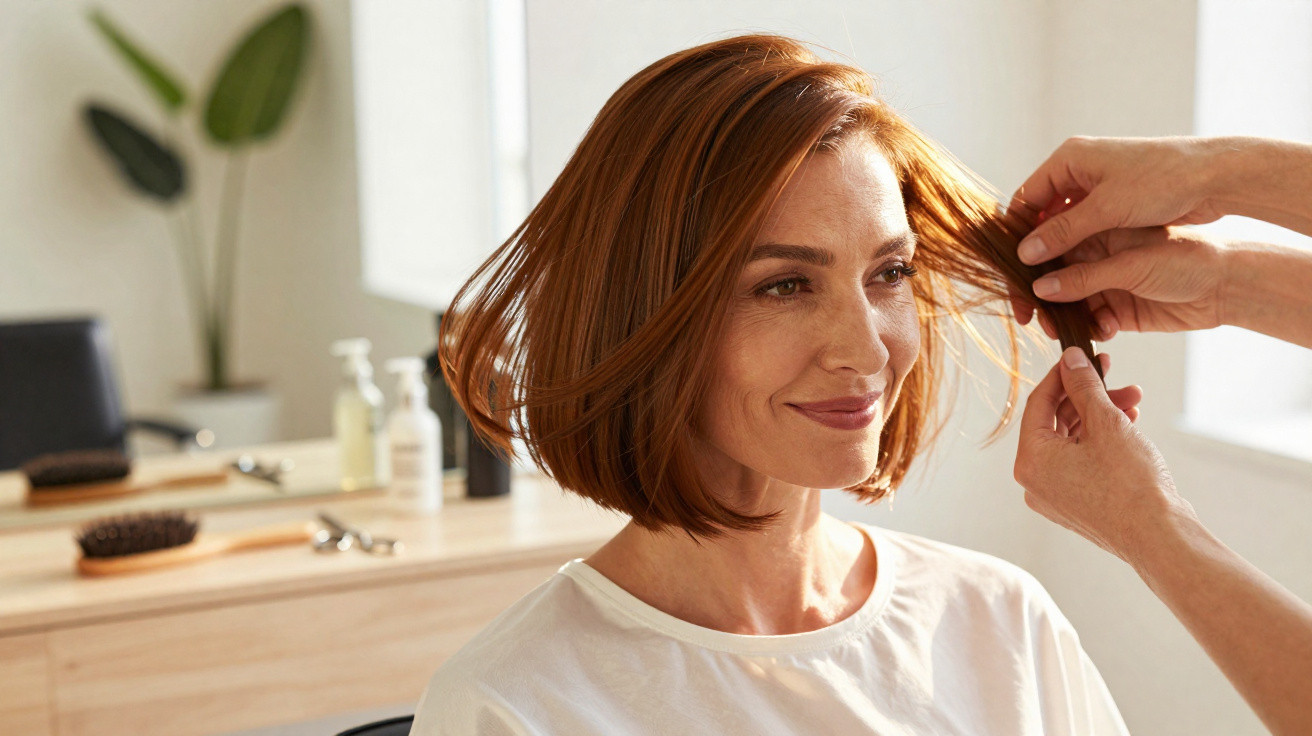
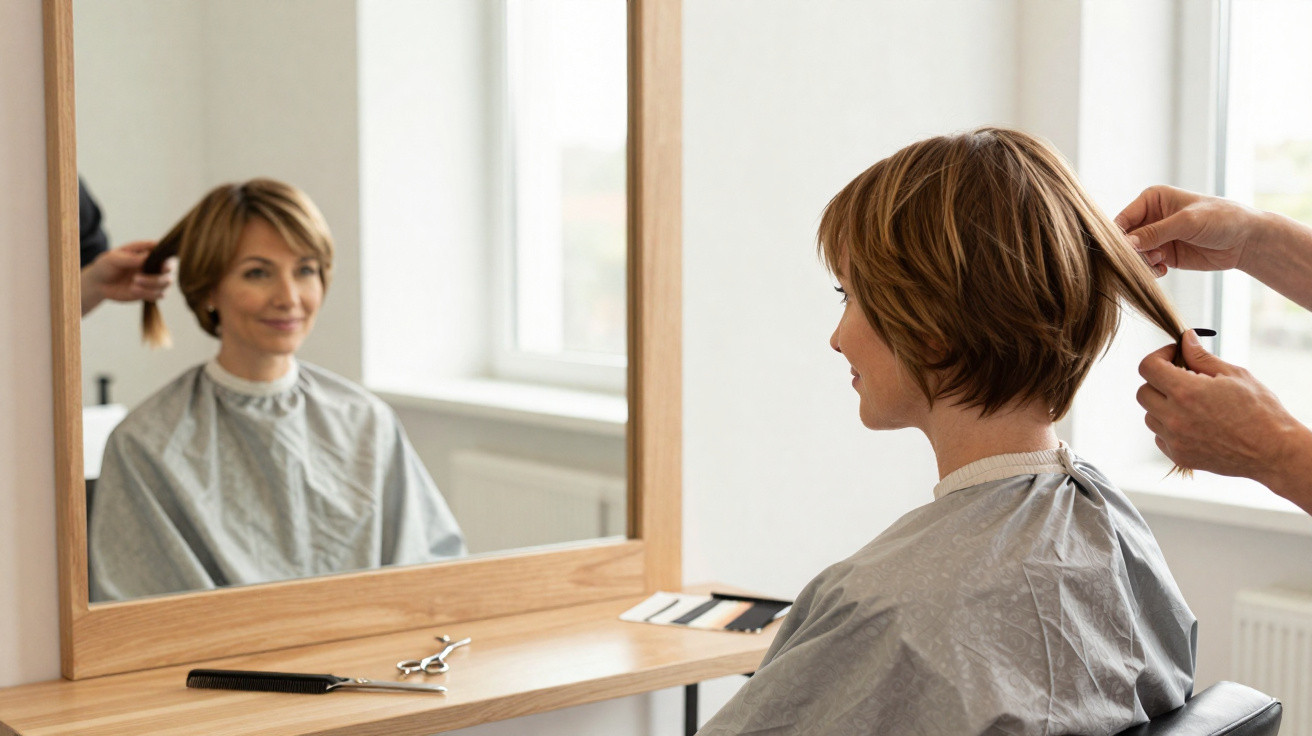
On a humid August afternoon in New York, salon chairs are filled with people who have “given up” on their hair. One colourist says she can recognise habitual rough towel users immediately: a halo of frizz at the crown, broken baby hairs around the temples and a fuzzy strip where the ponytail sits each day. At the salon sink, she demonstrated blotting to one regular client, a young lawyer, using an old cotton T-shirt. Two weeks later, the client returned with the same haircut and products, but her hair looked like it belonged to someone who actually slept and drank enough water.
Nothing miraculous had happened during those fourteen days. She had merely replaced thirty seconds of scrubbing with thirty seconds of pressing. It was a small adjustment to muscle memory with a significant difference in the result. Hair is strange in that way: minor changes in how you handle it over time can achieve more than an expensive monthly mask. On a hectic morning, when you are tempted to rub harder to “save time”, remember that the quickest route to silky hair is often the gentlest.
There is a sound physical explanation for why blotting is so effective. Water within the hair shaft makes it expand. Adding intense friction to an already swollen and fragile strand bends and stresses it further. Blotting takes away surface water without forcing the cuticle to scrape against itself. As the hair dries, the scales are better able to remain flat, resulting in less frizz and greater light reflection - the smooth, glossy finish people pursue in adverts.
Your scalp may benefit too. Vigorous rubbing can irritate the skin, particularly if you are prone to sensitivity or flaking. Pressing water out gently avoids the hot, tight sensation some people experience after towel-drying. Fewer tangles also mean less force is needed when brushing or combing later, which can reduce the amount of hair shed into the sink. The hair you keep is often the hair you stop bullying. This is not about achieving perfection; it is about causing less damage every day.
Making blotting your standard hair-drying routine without changing everything
The simplest starting point is to replace one item in your bathroom: the first towel you reach for. Trade the thick, scratchy bath towel for a soft T-shirt or a microfibre hair towel, and keep it where your hand naturally lands. That small change encourages a different movement. Soft material almost invites you to press rather than scrub.
Then create a short routine that becomes automatic. Leave the shower, squeeze out excess water with your hands, lightly wrap your hair and press. Thirty seconds is enough. Do not try to get your hair completely dry with the towel; it only needs to be damp enough for styling products to glide through and spread evenly. If you usually clip up your hair while doing skincare, choose a loose claw clip and let the towel rest over your shoulders instead of winding your hair into a large turban.
On a hurried weekday morning, this may seem like another worthy habit to add to an already crowded mental list. Let us be honest: nobody manages it perfectly every day. You can, however, avoid the most damaging actions even when time is short. That means no aggressive back-and-forth rubbing, no twisting your hair as though you were wringing out a dishcloth, and no using the same rough towel for both your body and hair.
If your hair is already damaged, it is understandable to feel annoyed that one new method will not undo years of breakage overnight. It will not. What it can do is prevent fresh damage at the point when your hair is at its weakest. This gives trims, masks and treatments an opportunity to produce visible benefits rather than fighting a losing battle. When the whole routine feels overwhelming, regard blotting as the minimum kindness you can show your hair.
An American stylist who works mainly with curls put it in a single sentence:
“The way you dry your hair often matters more than what you wash it with.”
Her clients with the healthiest hair habits share three surprisingly ordinary traits:
- They treat wet hair like delicate fabric, rather than something that needs to be scrubbed.
- They dry it using soft, smooth materials, including old cotton T-shirts, microfibre towels and even pillowcases.
- They keep towel time brief and gentle, before allowing air or low heat to finish the drying process.
Most of us know the moment: you are dressed and running late, facing the mirror with a brush in one hand and a stubborn frizzy mane in the other. Blotting will not make every morning look like a shampoo advert, nor will it eliminate every bad hair day. What it does alter is the starting point. Your hair begins in a calmer state, so making it look like you - only slightly more polished - requires less effort.
Letting your hair rediscover what it can do naturally
After a few weeks without attacking your hair with a rough towel, you may notice subtle changes. The frizz framing your face may not vanish, but it can become softer. Your ends will not suddenly look freshly cut, yet they may stop fraying quite so quickly. A ponytail you have worn for years can feel smoother and less straw-like. The improvement may not be dramatic enough for a before-and-after reel, but you will notice it each morning.
You may also find your natural texture appearing in unexpected ways. Some people who believed for years that they had “messy straight” hair discover waves that form a genuine pattern once their cuticle is calmer. Readers with curly hair describe ringlets that hang lower instead of puffing outward at the sides. Others find that products they already own finally work as their labels suggested. The shampoo did not change; the towel did.
Blotting is not a TikTok-born trend, even though social media helped to give it a name and make it popular. It is more like an old-fashioned, common-sense approach to handling fibre - the same instinct you would apply to a silk shirt or cashmere jumper. You would not scrape a rough cloth back and forth across either fabric, then wonder why it snagged. Hair is a fibre too, only attached to your head. Once you understand that, rubbing feels less like drying and more like starting an unnecessary fight.
The next time you step from the shower and reach for that heavy towel, stop for half a second. Notice the weight of your routine. Press rather than scrub, even if you do it only for a few strands. Observe the result over a month rather than a day. Then mention it to a friend fighting the same frizz battle in another bathroom. Small, quiet changes can spread surprisingly far, one soft towel at a time.
| Key point | Detail | Why it matters to the reader |
|---|---|---|
| Rough towel rubbing damages cuticles | Wet hair is fragile, and harsh friction raises and chips its outer layer | Explains why hair can look dull and frizzy after a supposedly normal towel-dry |
| Blotting removes water without friction | Gentle pressure with soft fabric helps the cuticles stay flatter | Provides an easy, free way to reduce frizz and breakage |
| Small daily habits outperform occasional treatments | Consistent gentle drying is more effective than irregular masks or serums | Helps focus effort on what can genuinely improve hair over time |













Comments
No comments yet. Be the first to comment!
Leave a Comment