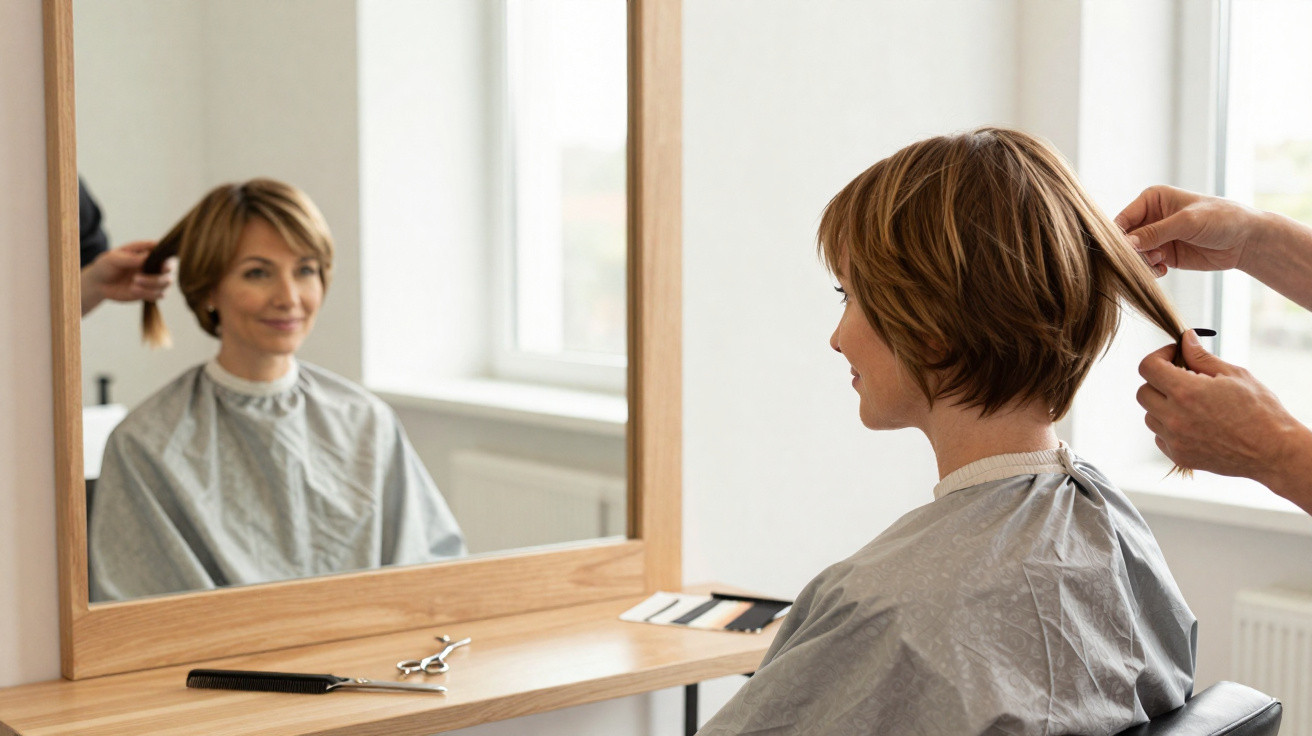
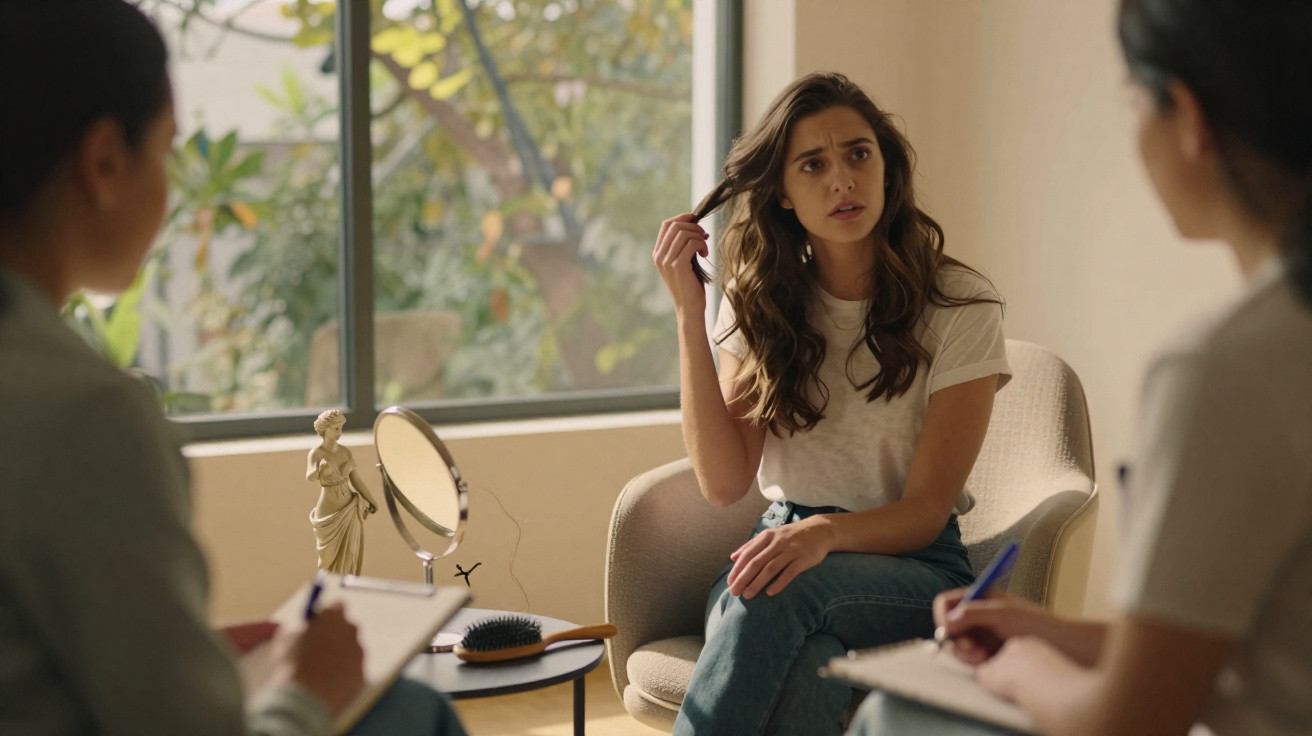
“I only wanted to look fresher,” she says quietly, running her fingers through her new pixie cut. Its lines are severe, the nape has been cut extremely short, and her forehead suddenly seems enormous. Another client sits beside her, around the same age and with a similar number of laugh lines – yet her soft long bob makes her face look gentler, almost more awake. The same generation, but an entirely different effect. We all know that moment: a hairstyle looks youthful in a photograph, then somehow severe, tired or simply “too much” on our own face. The difference is rarely down to length alone. It lies in lines, proportions, light and shadow – and in a few rather honest truths that hairdressers do not always share.
Why the same short haircut can make one person look younger and another older
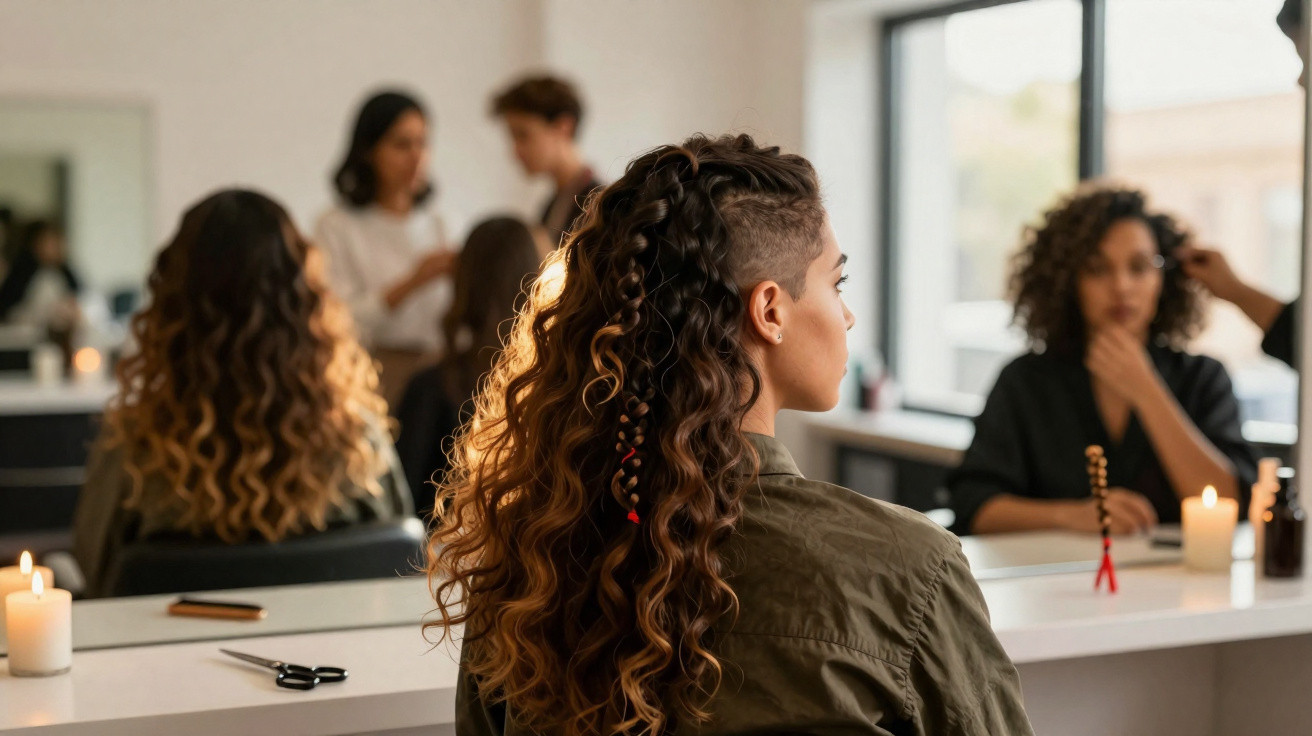
Anyone who has spent a Saturday in a good city salon will spot it immediately: short hair is not all the same. There is the 50-year-old with a playful, softly tousled style who looks as though she has just returned refreshed from a holiday. Two chairs along is a client of a similar age with a strict bob ending at the earlobe, sharply defined and without a fringe; her face looks harder and the corners of her mouth appear to turn slightly downwards. Details like these determine whether a haircut softens fine lines or highlights every line in the face with an exclamation mark.
One stylist describes how often clients arrive saying: “I want something short, something fresh – get rid of the length.” They have an image of Charlize Theron or Kris Jenner in mind. In reality, very thinned-out ends, a face with slightly lowered contours and a rigid outline come together. The very same cut that looked cool at 30 can be unforgiving at 55. Studies of facial perception indicate that distinct, harsh horizontal lines make faces appear stricter and older, whereas soft transitions and movement are perceived as more youthful. The mirror registers it sooner than any statistic.
The crucial issue is rarely the choice to go “short”; it is the balance between volume, texture and facial features. If the sides are cut radically short while all the volume sits on top, visual attention shifts to the forehead and under-eye circles. When the nape is shaved too high, the face loses visual support at the bottom, making the chin and neck area appear softer, sometimes even “droopy”. A very straight, precise fringe can emphasise every shadow cast by forehead lines. Just a few millimetres of extra fullness in the right places – at the temples, the back of the head and around the cheekbones – can transform the effect completely: the face suddenly appears lifted and the proportions look balanced again.
What youthful-looking short hairstyles do differently
A short haircut that creates a more youthful effect never works against the face; it works with it. A good hairdresser first assesses the hair while it is dry: where the face dips slightly, where fullness is lacking, and where the hair naturally moves. They then plan where volume is needed to create a visual “lift” – often around the cheekbones and at the back of the head. Soft layers, subtle asymmetry and a fringe that is not too dense all introduce softness. A chin-length bob with a gentle outward flick can define the jawline without looking severe. A soft pixie with longer layers on top makes the forehead and crown look lively rather than like a bare stage.
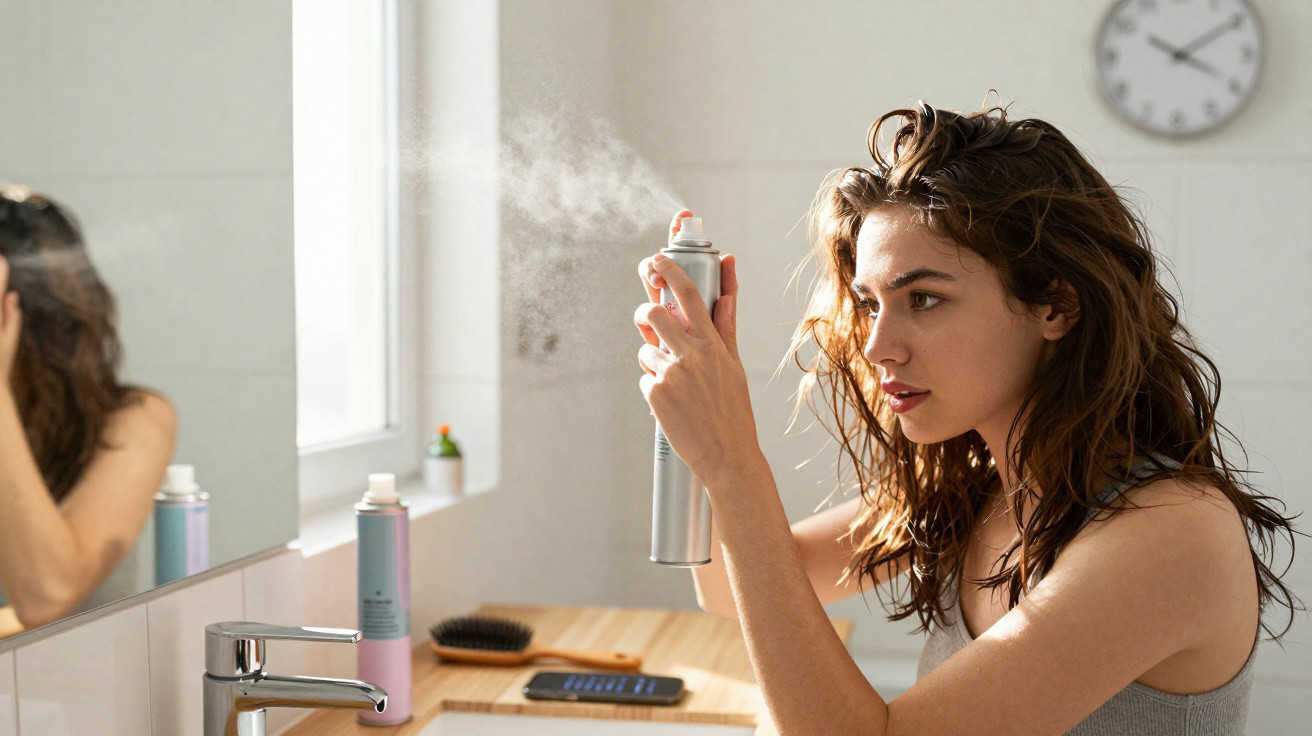
What can quickly age the appearance is ultra-straight edges, no movement and ends that have been completely thinned out. An overly dark, uniform colour in a very short cut can also look harsh, as it emphasises every shadow in the face. Many people underestimate how strongly light-reflecting strands can brighten the complexion. Let us be honest: nobody blow-dries and styles their hair every day as they would in a salon. A cut that only works with a round brush and half an army of styling products will tend to look tired in everyday life. A better option is a shape that still has life when air-dried, using a little texturising spray rather than spending 20 minutes in front of the mirror.
“The question is never: short or long? It is: where does your face need visual support – and where does it need calm?”
says an experienced stylist specialising in clients aged 40+. Her rules of thumb sound simple, but they can have a huge impact:
- Volume around the cheekbones makes the face look fresher and more lifted.
- Soft, slightly feathered contours soften harshness without appearing “messy”.
- A side-swept fringe or curtain bangs can conceal forehead lines and draw attention towards the eyes.
- Light, warm strands around the face act like a soft-focus filter for the complexion.
- Very short, highly compact cuts on fine hair can reveal the scalp – and that can make someone look older.
How to find the short haircut that genuinely makes you look fresher
The first step starts not in the hairdresser’s chair but in front of the bathroom mirror. Look at your face realistically but kindly: where would you like more of a “lift” – at the cheeks, temples or jawline? Turn your head slightly to the side, then view it from below. Next, take an honest look at your hair: does it grow densely or is it rather fine; does it lie flat or does it have a natural wave? This assessment is the foundation for everything else. Relying on Instagram screenshots alone otherwise becomes a guessing game. It is better to bring two or three photographs of people whose face shape resembles your own, rather than focusing only on the hairstyle.
During the appointment itself, one thing matters most: say clearly what you want to project. “Softer”, “more energetic” or “I do not want to look so tired any more” are more helpful phrases than “make me look younger”. An empathetic hairdresser will tell you honestly if a super-short nape will shorten rather than flatter your neck. Or if an ultra-short fringe will put your forehead centre stage instead of disguising it. Taking a gradual route can help: start with a long bob, then go bolder at the following appointment. That allows you to get used to the new reflection gradually instead of committing to a look that greets you each morning like a stranger.
Many classic mistakes come from the urge to do “something completely different”. Suddenly, all the familiar framing that has accompanied you for decades disappears. That can feel liberating – or unforgiving. Short does not automatically mean “radical”. A soft bob that brushes over the ear can make a bigger difference than a clipper-short cut. Experiment with small adjustments: a touch more texture in the fringe, a little more fullness at the sides, a hint of asymmetry. And allow yourself to move away from old colour habits too – a slightly lighter, warmer shade around the face can work wonders.
Why this is more about self-image than millimetres
Anyone who listens carefully in a salon soon notices that the question of the “right” short hairstyle often conceals something deeper. A woman who says, “I want to look younger,” frequently means, “I want to feel more alive again.” Hair becomes a projection surface for everything happening in life: new jobs, separations, children leaving home, first grandchildren. A haircut that makes someone seem older does not merely trigger vanity; it can also create the feeling of being placed in a category they do not yet identify with internally. That is why disappointment in the mirror can feel so acute.
It becomes especially revealing when women with a similar amount of life experience sit side by side: one has a very practical, short hairstyle, a clear all-over tint and an entirely “tidy” look. The other has soft layers and a few untamed strands allowed to fall across her face. It is not the fine lines that distinguish them, but the energy the haircut either enhances or restrains. A hairstyle that makes you look fresher tells a story of movement: something is still happening, there is still experimentation, there is still room to grow. A cut that ages its wearer often feels like a full stop at the end of a sentence.
Perhaps that is the real invitation within this question: rather than stubbornly chasing a “youthful-looking” style, listen more closely to what your face wants to express now. Are you ready to show certain lines too – laugh lines, sunspots, a softer jawline – and frame them with a cut that accompanies you instead of hiding you? The most honest, beautiful short hairstyles are usually those that show someone wearing their life journey not as a burden, but as texture. Then even a very short cut can suddenly look remarkably soft and modern – not because it erases wrinkles, but because it gives them a setting that feels right.
| Key point | Detail | Reader benefit |
|---|---|---|
| Shape matters more than length | Proportions, volume placement and contours matter more than whether hair is “short or long”. | Helps you speak more precisely with hairdressers and avoid poor decisions. |
| Soft rather than harsh | Gentle layers, movement and light accents around the face make features appear more awake. | Shows practical ways short hair can immediately look fresher. |
| Everyday wearability | A cut must work without elaborate styling, otherwise the effect can turn into its opposite. | Supports a positive feeling in front of the mirror over the long term, not only straight after a salon visit. |











Comments
No comments yet. Be the first to comment!
Leave a Comment