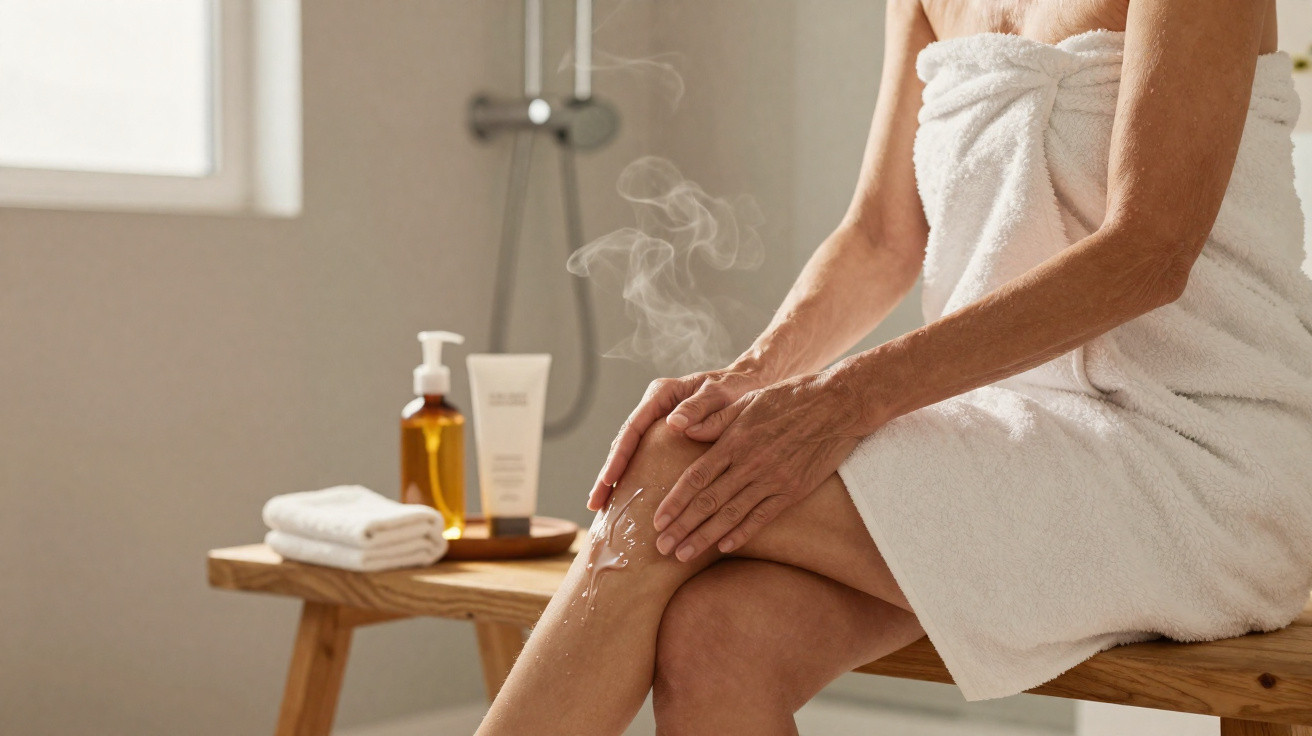
Many people aged over 65 are quietly reconsidering their washing habits, moving away from a steaming daily shower towards a gentler routine.
As skin alters with age, the traditional idea of “one shower a day” becomes less suitable for everyone. Dermatologists increasingly focus not on rigid schedules, but on the habits that keep mature skin settled, comfortable and healthy.
Why daily showers can backfire after 65
From the mid-60s onwards, skin gradually becomes thinner and loses both natural oils and moisture. Its protective outer barrier is more delicate, responds more quickly and takes longer to repair. At 70, what may have felt refreshing at 30 - a lengthy hot shower, plenty of lather and a strongly fragranced product - may cause stinging, itching or areas of tightness.
A daily full-body shower with hot water and foaming gel can strip older skin of the very lipids that protect it.
Dermatologists treating older adults repeatedly notice the same trend. When patients shower less often and adopt milder washing habits, dryness, itching and minor cracks frequently improve without the need for prescription creams.
So how many showers a week after 65?
Rather than setting one strict rule, most dermatologists suggest a flexible range. For many people over 65, two to three showers a week are enough to maintain cleanliness while allowing the skin barrier time to recover between washes.
This is not an absolute rule, as the right frequency varies according to:
- Season and climate: washing may be needed more often during hot, humid weather and less frequently when conditions are cold and dry.
- Activity level: an additional shower can be appropriate after exercise, gardening or a long walk.
- Health conditions: eczema, diabetes and kidney disease may all contribute to drier skin.
- Mobility and caregiving needs: assisted washing can call for briefer, more focused routines.
Why cut back at all? Frequent exposure to hot water and detergents breaks down the lipids that create the skin’s natural protective film. Once these lipids are lost, moisture evaporates more quickly, the surface develops micro-cracks and irritants and microbes can enter more easily.
Less water on the whole body does not mean less hygiene. It means cleaning in a way that respects what older skin can actually tolerate.
When a daily shower still makes sense
Some older adults do need, or simply prefer, a daily rinse. This can still be suitable when the approach remains gentle. A daily shower may work well if:
- You perspire heavily or take medication that increases sweating.
- You live in a tropical or highly humid area.
- You regularly play sport, attend rehabilitation sessions or do physically demanding work.
In these situations, dermatologists commonly recommend shorter showers, tepid water and very little product. The aim changes from “scrubbing clean” to “quickly rinsing sweat off without stripping the skin”.
The daily “targeted wash” that protects skin
Showering only two or three times weekly does not mean that daily hygiene does not stop. Instead, it takes a different form. A brief, targeted wash can be highly effective.
Which areas to clean every day
Dermatologists generally identify the same priority areas, where perspiration and bacteria accumulate more rapidly:
- Armpits
- Genital and anal area
- Feet and between the toes
- Face and neck
A clean flannel, small basin or handheld shower head is sufficient to wash these areas in a few minutes. For people with limited mobility, carers may use no-rinse cleansing lotions or purpose-made wipes. The principle remains unchanged: brief contact, a gentle product and thorough but careful drying.
A focused daily wash of key zones usually manages odour and comfort better than endless full-body showers.
Under the shower: three variables that really matter
1. Water temperature
Very hot water can feel comforting on stiff joints, yet it removes skin lipids much more quickly. Dermatologists usually advise water that is lukewarm or only mildly warm. As a simple indication, water is too hot if it makes your skin turn bright red.
2. Shower length
Many specialists recommend keeping showers to 5 to 10 minutes. Long, unhurried showers increase moisture loss from the skin’s surface. A shorter rinse can remove perspiration and surface dirt without overtaxing the barrier.
3. The way you dry and moisturise
Vigorous towel-drying can cause tiny tears in skin that is already fragile. Gently patting dry with a soft towel may seem less dramatic, but it is much kinder to the protective barrier.
The key stage follows immediately after drying, while the skin is still slightly damp: moisturising. A lipid-rich cream, lotion or balm can help restore that protective film.
| Step | Less skin-friendly habit | Dermatologist-friendly swap |
|---|---|---|
| Water | Very hot, long showers | Lukewarm water, 5–10 minutes |
| Cleansing | Strong soap, lots of foam | Gentle syndet or oil, small amount |
| Drying | Vigorous rubbing with rough towel | Soft towel, light patting |
| Aftercare | No moisturiser | Rich cream or balm on damp skin |
Choosing cleansers that respect older skin
The product in your hands has a greater effect on the outcome of a shower than many people expect. After 65, harsh soaps and heavily fragranced products can turn an ordinary wash into the start of weeks of itching.
What to look for in a body wash
Dermatologists often steer older patients towards “syndets” - synthetic cleansers that do not contain traditional soap - or washes formulated for dry or mature skin. Such products commonly have:
- A pH that is close to healthy skin, usually slightly acidic.
- No harsh surfactants, such as strong sulphates.
- Hydrating ingredients, including glycerin.
- Barrier-supporting components, such as ceramides or plant oils.
Products with shorter ingredient lists are often less likely to trigger reactions. Strong perfumes, vivid colours and abundant foam may seem appealing, but they can also signal additional irritants. When skin already feels delicate, fragrance-free or lightly scented options generally cause fewer problems.
Why shower oils work well after 65
Shower oils have become quietly popular with older adults experiencing dry or itchy skin. They contain a substantial amount of lipids, often derived from plant oils including almond, sunflower or argan oil. Combined with water, they create a light emulsion that cleanses without damaging the barrier.
Shower oils clean and replenish lipids at the same time, which suits skin that already struggles to hold on to moisture.
For anyone who finds creams unpleasantly sticky, shower oil may leave a subtle, long-lasting comfort layer that eases tightness during the day. Some people still apply a moisturiser afterwards, while others find the oil alone is enough.
What dermatologists prioritise beyond frequency
During consultations with older adults, specialists tend to emphasise the same three priorities:
- Reduce the heat and the time spent under water.
- Choose the mildest cleanser that works effectively.
- Moisturise after every wash, ideally within a few minutes.
How often you shower comes after these fundamentals. Two people who each shower three times per week can have very different skin results, depending on how they manage these details.
Practical routine ideas for calmer skin
Rather than aiming for flawless routines that are difficult to maintain, dermatologists often suggest straightforward, realistic changes. Common adjustments that benefit many people over 65 include:
- Set a bathroom timer to prevent showers from becoming too long.
- Leave shower gel out of reach for the first few minutes, allowing yourself to rinse with water alone first.
- Place a pump bottle of moisturiser close to the towel rail to simplify application after showering.
- Choose cotton underwear and socks to reduce friction against dry areas.
- Ask a GP or dermatologist to assess persistent itchy patches rather than scrubbing them more.
When changing your shower routine may protect your health
For older adults, dry and cracked skin is more than uncomfortable. It may also raise the likelihood of skin infections, particularly on the legs and feet. Diabetes, circulation problems and swelling can increase this risk even further.
By showering slightly less often, choosing milder cleansers and moisturising consistently, many people can help keep their skin intact. This may reduce minor wounds that can sometimes develop into cellulitis or ulcers in vulnerable patients.
Going beyond hygiene: turning shower time into care time
For some people over 65, showering is also associated with balance difficulties and a fear of falling. Adjusting the routine involves more than simply “less washing”. It may include fitting grab rails, using a non-slip mat, adding a shower seat or choosing a handheld shower head to reduce strain and anxiety.
A more relaxed setting can make it easier to concentrate on gentle movements rather than hurrying. A quick skin check while drying - examining the ankles, shins, heels, back and arms - can help identify new rashes, bruises or suspicious moles sooner. Viewed this way, showering becomes less of an automatic task and more of a brief health check tailored to what older skin genuinely needs.















Comments
No comments yet. Be the first to comment!
Leave a Comment