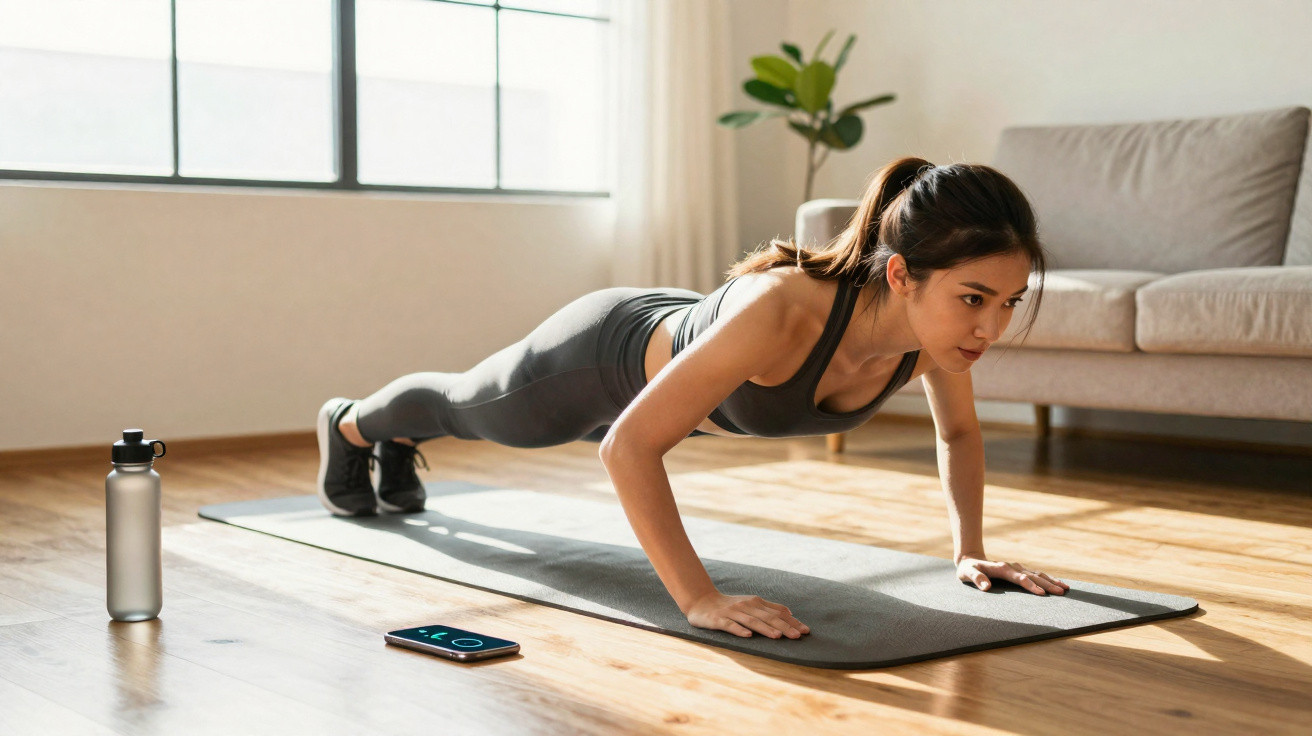
You do not need a gym subscription, dumbbells or costly kit to become stronger.
Human beings have always had access to the most important tool for strength training: their own bodies.
Training for strength without external loads or equipment is known as "bodyweight training".
From press-ups and squats to planks and chin-ups, bodyweight training is now among the most popular exercise options. It is free and can be performed virtually anywhere.
But what does it involve, why is it effective and how can you begin?
What is bodyweight training?
Bodyweight training involves using your own weight as resistance rather than external loads, including barbells and dumbbells.
Typical exercises are press-ups, squats, lunges and sit-ups.
It can also include static positions that work the body without movement, such as planks and yoga postures. Bodyweight training can target every muscle group, with exercises generally classified by movement pattern and/or area of the body:
- upper body: press-ups, pull-ups, handstands
- lower body: squats, lunges, step-ups, glute bridges
- core: sit-ups, planks, mountain climbers
- whole body: burpees, bear crawls, jump squats.
Equipment can feature in bodyweight training, too. Calisthenics is a bodyweight-training style that makes use of bars, rings and outdoor gyms.
What are the main forms of bodyweight training?
Forms of bodyweight training include:
- calisthenics: commonly arranged as circuits, with one exercise following another and little rest. It is dynamic and focused on the whole body. Calisthenics is safe and effective for enhancing functional strength, power and speed, particularly among older adults
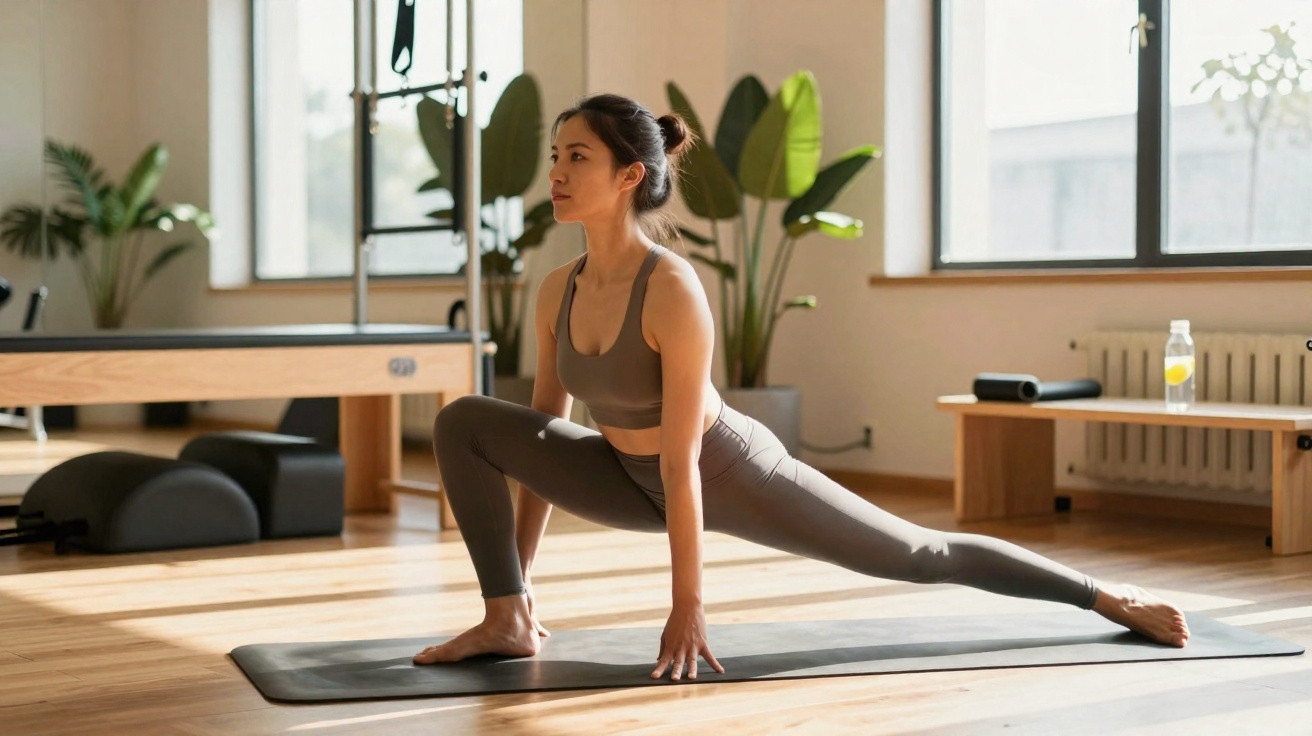
- yoga: uses more stationary or flowing postures, with a focus on flexibility and balance. Yoga is generally safe and effective for preventing and managing musculoskeletal injuries, while also supporting mental health
- Tai Chi: features slower, more deliberate movements, often centred on balance, posture and mindful movement
- suspension training: straps or rings support the body in various positions, while gravity and your bodyweight provide resistance. This training can suit everyone from older adults to competitive athletes
- resistance bands: while they are not exclusively bodyweight training, resistance bands offer a portable and inexpensive alternative to conventional weights. They are safe and effective for improving strength, balance, speed and physical function.
What are the pros and cons?
Bodyweight exercises bring both advantages and limitations.
Pros:
- builds strength: a 2025 meta-analysis covering 102 studies and 4,754 older adults, whose average age was 70, found that bodyweight training produced substantial gains in strength. These gains were no different from those achieved with free weights or machines. The advantages are not limited to older people: combining resistance bands with a bodyweight workout can be as effective as traditional training approaches in diverse populations
- boosts aerobic fitness: a 2021 study found that just 11 minutes of bodyweight exercise three times a week improved aerobic fitness
- accessible and free: bodyweight training removes frequent obstacles to exercise, including access to facilities and equipment, so it can be done anywhere without paying for a gym subscription
- promotes functional movement: exercises such as squats and press-ups replicate everyday movements, including standing up from a chair or rising from the floor.
Cons:
- difficulty progressing over time: increasing an exercise's challenge usually means adding weight. With bodyweight training, progression requires more creativity, for instance by slowing the movement tempo or moving on to unilateral, or single-limb, exercises
- plateau risk: heavy external loads are more effective than bodyweight training at developing maximal strength. Therefore, relying solely on bodyweight training makes it more likely that strength improvements will plateau than if you train with machines or free weights.
Tips for getting started safely
As with every type of exercise, speaking with a healthcare professional before you start is always advisable.
If you are ready to begin, consider these tips:
- start small: choose straightforward movements initially, then develop them as your strength, confidence and experience improve
- focus on form: prioritise quality rather than quantity. Performing movements with sound control and body positioning matters more than completing many repetitions with poor control
- progress gradually: alter the number of sets or repetitions to increase the challenge. As you become stronger and require more challenge, progress from simpler variations, such as press-ups on your knees, to harder ones, such as decline press-ups
- mix it up: include several forms of bodyweight training and work different muscle groups and movement patterns
- seek guidance: contact local exercise professionals or use apps such as Nike Training Club to help plan your sessions and track progress.
Bodyweight training lets you improve your health without costly equipment. Whether you are doing squats in the park, press-ups during your children's football match or yoga at home, your body serves as a portable gym.
With time, consistency and creativity, bodyweight exercises can build both strength and fitness.
Dan van den Hoek, Senior Lecturer, Clinical Exercise Physiology, University of the Sunshine Coast and Jackson Fyfe, Senior Lecturer, Strength and Conditioning Sciences, Deakin University
This article is republished from The Conversation under a Creative Commons licence. Read the original article.
















Comments
No comments yet. Be the first to comment!
Leave a Comment