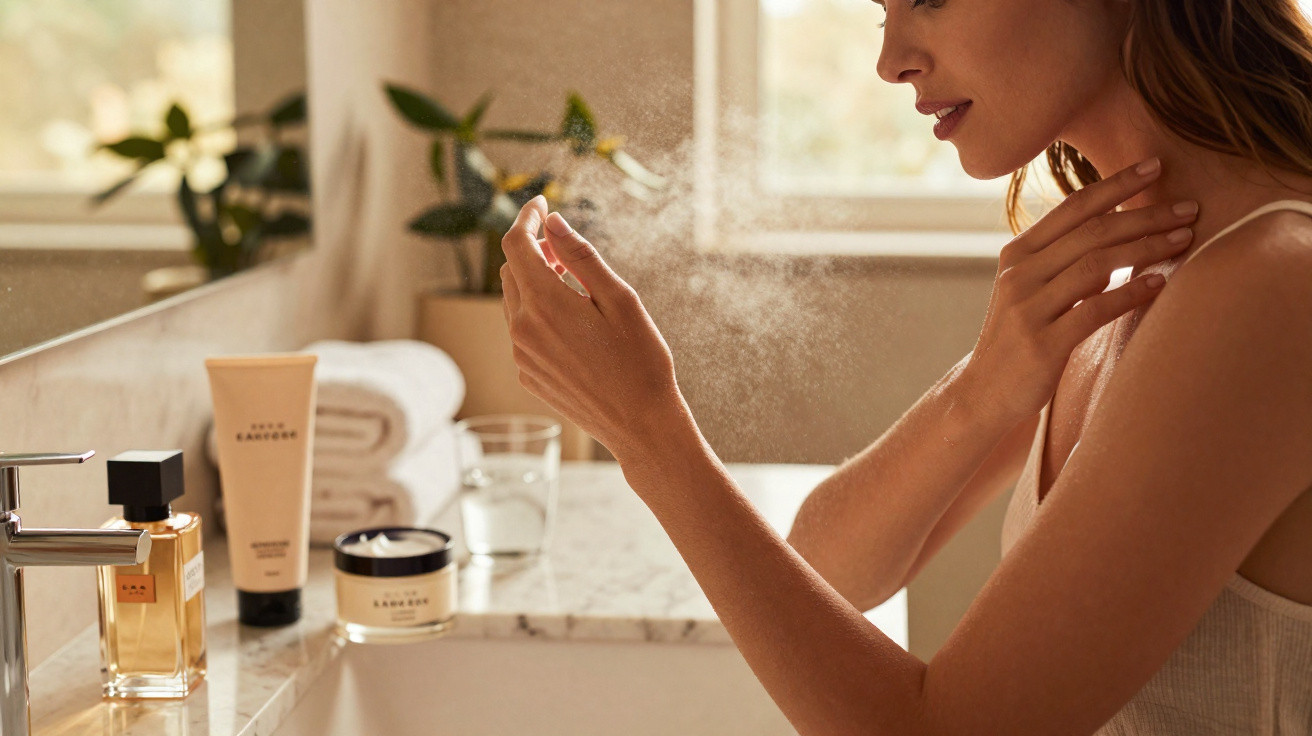
The answer is not magic: it is strategy, skin science, timing and a handful of professional techniques.
British fragrance enthusiasts want perfume that lasts without broadcasting itself across the room. Perfumers explain that longevity begins before the first spray, relying on the easily missed details of a routine. This practical guide draws on the working notes of professionals who create fragrance every day.
Why fragrance fades sooner than expected
Perfume follows a pattern of evaporation. Luminous top notes disappear first, whereas woods, resins and musks remain for longer. Your skin type, the weather and daily habits can all influence that progression. Dry skin absorbs fragrance, heat hastens evaporation, and abrasive fabrics rub scent molecules away from pulse points.
Longevity loves three things: moisture, low heat, and minimal friction. Feed those, and your fragrance lasts.
There is another variable to consider: food and medication can alter body odour, affecting the way a perfume develops. Spicy food, retinoids and even stress hormones may change its projection. Although these factors cannot all be managed, you can improve your chances of longer-lasting scent.
Pre-spray preparation for longer-lasting perfume
Moisturise, then lock it in
Fragrance adheres better to hydrated skin. Once you have showered, smooth on an unfragranced moisturiser, followed by a light coating of body oil over pulse points. For extra hold, dab a rice-grain-sized amount of petroleum jelly onto the areas you plan to spray. Its occlusive layer delays evaporation.
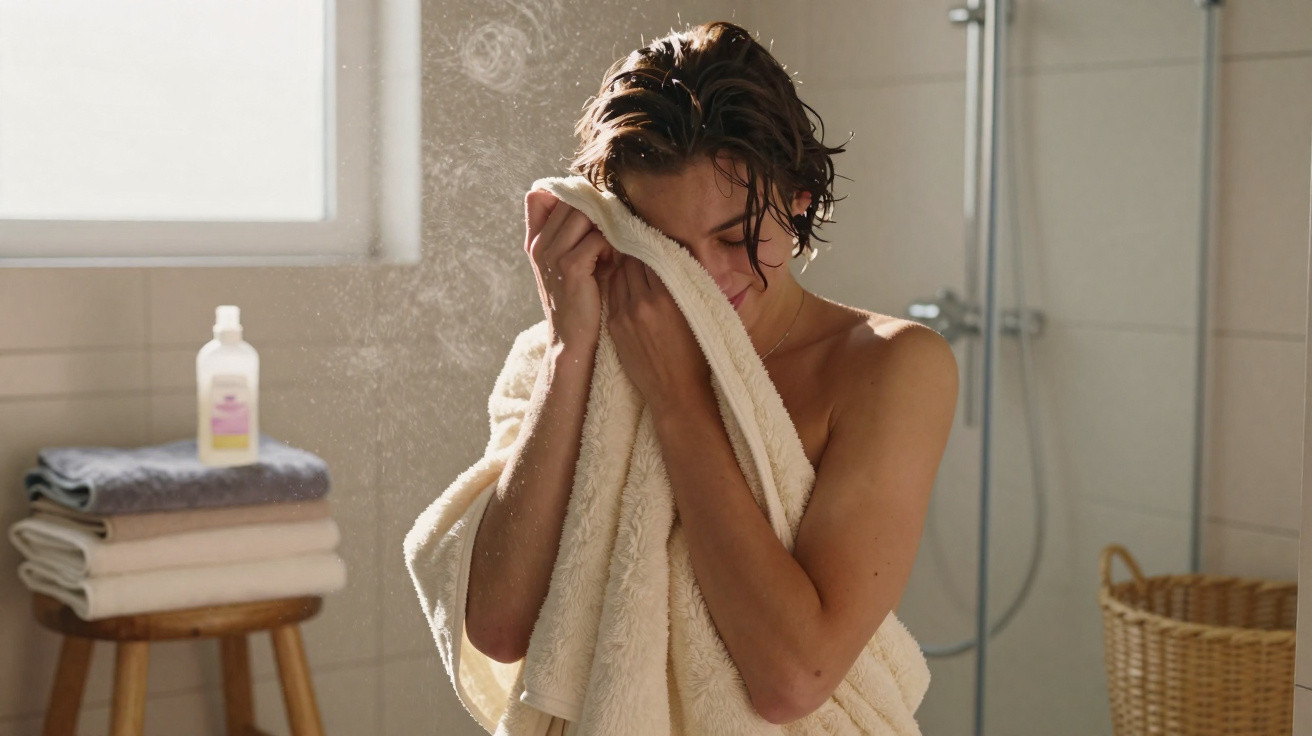
Adopt gentler shower habits
Extremely hot water and strong cleansers remove skin lipids, reducing wear time. Lukewarm showers alongside mild, low-foam cleansers protect the skin barrier and help fragrance endure.
- Apply unfragranced lotion to the chest, wrists and neck before spraying.
- Allow products two minutes to absorb before applying perfume.
- On days when you need lasting wear, avoid vigorous exfoliation on pulse points.
- Do not use fragranced body creams that compete with your perfume.
How, where and how much perfume to spray
Focus on suitable areas
Choose warm areas with little friction: the inner elbows, behind the knees, the sides of the neck and the small of the back beneath clothing. Applying at the nape scents your sillage as you walk, while the torso under a shirt creates a gradual, personal trail.
Hair retains fragrance effectively. Spray once into the air above your head and pass through the mist, or apply it to a scarf instead. Do not saturate hair directly, since alcohol may dry the hair shaft. Fabric also makes a difference: wool and cashmere retain scent, while silk and acetate may stain, so test from a distance.
Never rub wrists. You crush top notes and create heat that speeds evaporation. Tap lightly if you must.
Layer without creating overload
Professional perfumers often create a supporting base to add lift. Begin with a neutral body oil and follow with your perfume. Use a matching body lotion if one is available, but apply it sparingly to prevent excess fragrance. Another subtle technique is to combine a citrus or airy floral fragrance with a skin-scented musk oil. The musk prolongs the brightness while keeping the fragrance character intact.
Perfect your spray technique
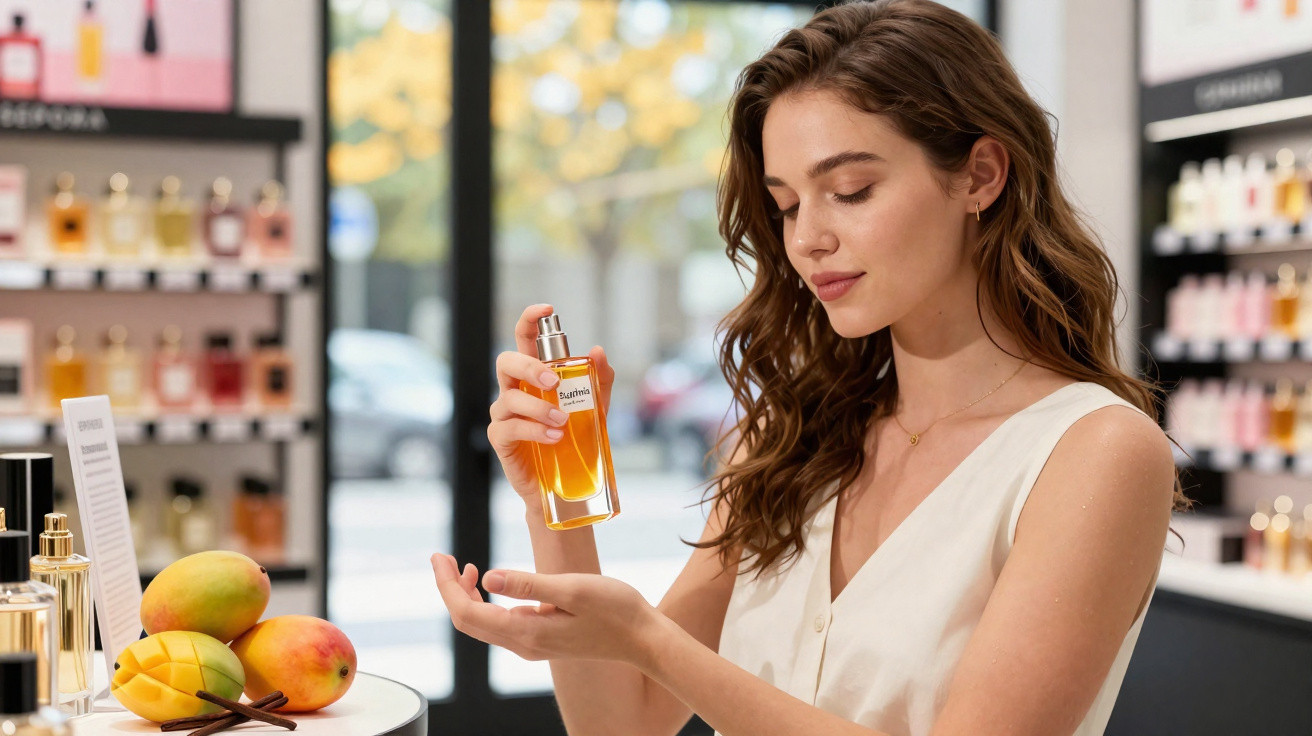
Keep the bottle 10–15 cm from the skin. Two to four sprays are sufficient for daytime, with one additional spray on the back for evening wear. If you favour the cloud technique, spray into the air and walk through it once. For a close, intimate effect, mist the inside of a blazer or cardigan.
Choose fragrance formulas built to last
Both concentration and composition establish how long a perfume will wear. Resinous woods and amber molecules are persistent, while citrus and green notes are vivid but fade quickly unless they have an anchor.
| Format | Typical wear time | When it shines |
|---|---|---|
| Eau de cologne | 1–3 hours | Hot days, quick refresh |
| Eau de toilette | 3–5 hours | Office, light projection |
| Eau de parfum | 6–8 hours | All-round use, balanced lift |
| Extrait/parfum | 8–12 hours | Evening, cooler weather |
| Oil perfume | 6–10 hours (close to skin) | Travel, discreet wear |
Contemporary fixatives including Ambroxan, Iso E Super and musks may improve longevity without making a scent feel heavy. If citrus is your preference, seek fragrances combining lemon or bergamot with cedar, vetiver or amber. Those who favour florals can look for jasmine or rose anchored by patchouli or sandalwood.
Refresh fragrance without filling the room
Keep a 5–10 ml travel spray with you. A single light spray on a different area, such as the nape or inner elbow, lengthens wear without building up too much scent in one place. If you have just exercised, refresh clothing rather than skin. A brief mist over a scarf revives the trail.
Timing also matters. Reapply after lunch, once the skin has cooled, rather than immediately before a crowded meeting. During warm weather, reduce the number of sprays and target fabric more often to prevent excessive bloom.
Storage practices that protect your perfume
Heat, light and humidity all damage perfume. Store bottles inside their boxes, away from windows and humid bathrooms. A cupboard is suitable. When travelling, transfer a small quantity into another container and leave the full bottle at home. Close the cap securely, as contact with air speeds oxidation and can make bright notes seem dull.
Most perfumes are at their best during the first two to five years. Dense amber fragrances frequently last longer. Look out for a shift towards deep orange or a vinegary note, as these signs suggest the fragrance has turned.
Troubleshooting fragrance longevity by skin type
Dry skin
Prioritise hydration. Apply a ceramide-rich lotion, seal pulse points with body oil and then spray. Oil perfume formats and extraits can work particularly well on dry skin.
Oily skin
Oily skin may give you powerful projection but cause top notes to lift more quickly. Use fewer sprays and choose woody or spicy bases to create a steadier result.
Hormones, stress and routines
In colder months, choose richer concentrations. When stressed, skin becomes warmer, so move application to low-friction areas such as the torso. If medication affects how your skin feels, try oil-based versions of a favourite fragrance to restore its grip.
- Noon quick fix: apply unfragranced hand cream to the wrist, wait 60 seconds, then use one light spray.
- On gym days: spray clothing and a hairbrush, keeping application on skin to a minimum.
- For sensitive skin: patch-test behind the ear before broader application.
Smart perfume pairings used for staying power
A bright cologne layered over a soft musk oil offers freshness and persistence. A dewy rose worn over sandalwood cream provides warmth without becoming weighty. Marine notes gain structure when paired with ambergris-style molecules such as Ambroxan.
For a straightforward workday routine, use gentle shower gel, followed by unfragranced moisturiser and a small amount of petroleum jelly on the elbows and behind the knees. Apply two sprays to the torso beneath a shirt and one at the nape. Mist a scarf for the commute. In mid-afternoon, refresh the inside of your blazer rather than your neck.
The quiet secret: spray where skin warms slowly and fabrics move. Your trail becomes soft, steady, and lasts until evening.
Extra details worth remembering
Sunshine and citrus may not be a good combination. Oils including bergamot, lime and bitter orange can be phototoxic at high concentrations. Most modern perfumes contain safe levels, but avoid intense sun exposure immediately after spraying exposed skin. Dark or resinous fragrances can mark fabric, so test them first on a hem. If you are prone to headaches, select close-wearing oils or molecules with gentle diffusion.
Solid perfumes are convenient for travel, avoid airport liquid limits and remain close to the skin, making them suitable for offices with fragrance policies. If you enjoy a short-lived summer splash, apply it as a topper over a neutral musk base. You retain its sparkle while gaining extra hours of wear. When changing fragrances during the day, choose a shared note, such as musk, cedar or vanilla, so the transition feels smooth rather than abrupt.









Comments
No comments yet. Be the first to comment!
Leave a Comment