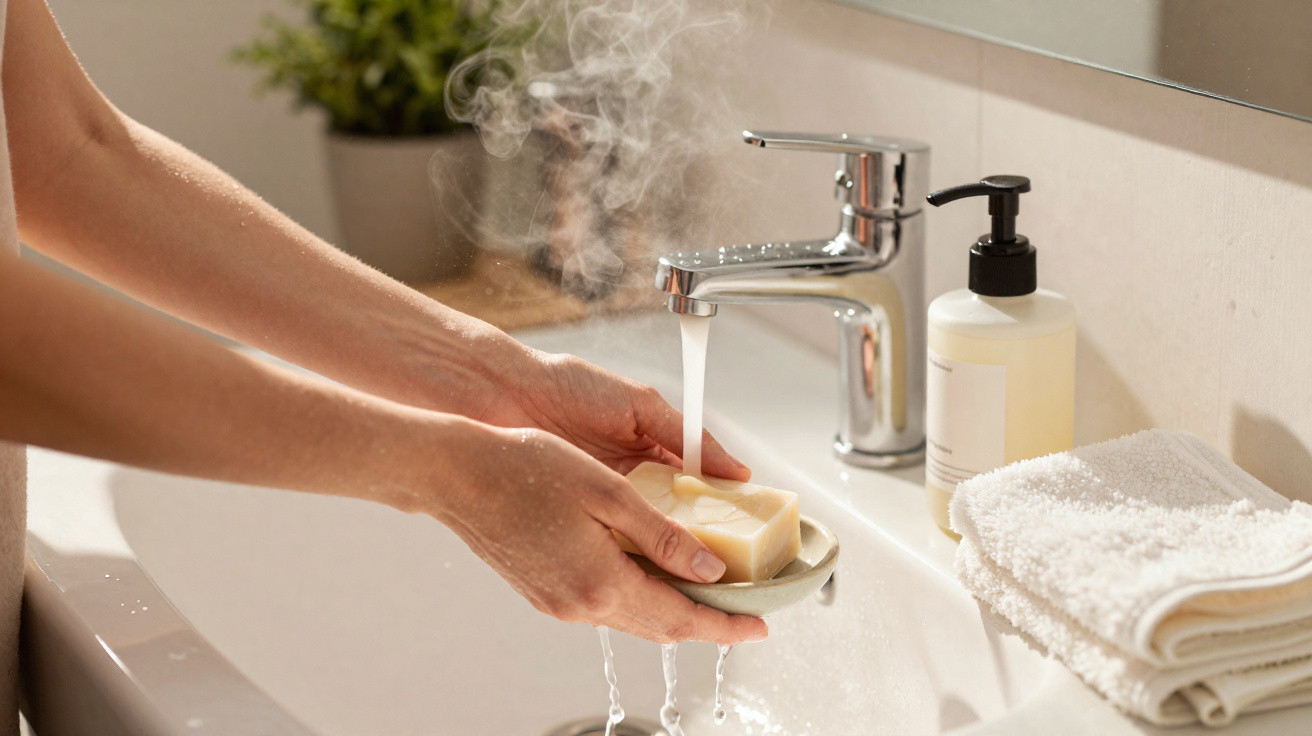
The answer is not hidden in the next cream you buy, but in one small everyday detail at the bathroom sink.
Many people apply hand cream several times a day, then wonder why their skin still feels as tight as parchment. Before trying yet another miracle blend from the chemist, it is worth taking an honest look at how you wash and dry your hands. Often, it is not a lack of cream that damages the skin, but what happens seconds beforehand.
Why your hands become drier despite hand cream
When hands are dry, most people automatically reach for a tube. For a while, the skin feels soft, looks smooth and the tight sensation disappears - but only for a few hours. Once you wash your hands again, the effect has gone. That is exactly where the problem begins.
“Anyone who constantly reapplies cream is putting a plaster on the consequences without changing the actual trigger.”
Your skin naturally has a fine protective layer made up of oils and moisture. Unsuitable washing removes this layer again and again. Cream only replaces it briefly, before the next wash rinses it away. Over time, this creates a cycle that weakens the skin:
- Washing with water that is too hot or too cold, plus an aggressive cleansing gel
- The protective layer is stripped away, leaving skin rough and cracked
- Cream provides quick relief, but works only on the surface
- The next wash removes the cream along with more of the skin’s natural oils
This “more and more product, increasingly worse skin” pattern can only be interrupted when care starts while washing your hands, rather than when you reach for the cream.
How tap water affects your skin barrier
Tap water appears harmless: clean and clear. It is essential for hygiene, yet it can quietly work against the skin barrier. In many areas, the water is hard, meaning it contains a particularly high level of limescale. This is precisely what can cause difficulties for sensitive skin.
Minerals from hard water settle on the skin’s surface. They bind moisture and, in effect, draw it out of the upper layer of the skin. The result is a dull, rough and tight-feeling surface, even immediately after drying.
“The more often you wash your hands, the more frequently you expose your skin to this ‘mineral attack’.”
Of course, giving up tap water altogether is not realistic. However, you can control how you use it: the temperature and washing product determine whether your skin barrier suffers or remains stable.
The 30–35-degree trick: lukewarm rather than hot or icy cold
Many people assume that hot water cleans more effectively. Others favour cold water because it supposedly firms the skin. Neither option is ideal for your hands.
What extreme temperatures do to your hands
Very hot water dissolves oils. That is useful when washing a greasy frying pan, but on skin it breaks down the natural oily barrier. As a result, hands may feel “squeaky clean” after washing, only to become dry and irritated shortly afterwards.
Ice-cold water may seem less harmful at first, but it brings different issues. It constricts blood vessels, reducing blood flow to the skin and limiting its nutrient supply. Particularly during the colder months, this can intensify both the feeling of cold and sensitivity.
“Skin loves what we often avoid: unremarkable, lukewarm water.”
The ideal temperature for clean, soft hands
Dermatological guidance clearly favours the lukewarm range: between 30 and 35 degrees, which is roughly body temperature. At this level, the following happens:
- Water reliably removes dirt and germs
- The skin’s oily layer is not completely “melted away”
- Circulation stays steady, helping the skin remain calm
In daily life, this means turning on the hot tap only until the water feels pleasant rather than hot. There should be no burning and no shock on first contact - simply a comfortably neutral feeling.
The quiet game-changer: switching from aggressive washing gel to a moisturising bar
The product you use to wash your hands matters at least as much as the water temperature. Many popular liquid soaps and shower gels contain harsh surfactants, often sulphate-based. They may clean thoroughly, but they take everything away with them - including the protective layer.
Why a moisturising cleansing bar can save your hands
Moisturising soaps and so-called syndets, or synthetic cleansing bars, are formulated differently. They contain conditioning ingredients such as plant oils, shea butter or glycerine. After rinsing, these substances remain as an ultra-fine protective layer on the skin.
“The difference is noticeable: hands do not squeak, but feel smooth and relaxed after drying.”
Making the switch is especially worthwhile if you need to wash your hands frequently - for example, in healthcare, hospitality, or during intensive housework and gardening. Skin can recover more effectively because it is not completely stripped with every wash.
Liquid soap vs moisturising bar: a brief comparison
| Feature | Conventional washing gel | Moisturising soap / syndet |
|---|---|---|
| Cleansing | Very strong, often “squeaky” | Thorough, but gentler |
| Effect on the protective layer | Removes it almost completely | Preserves some of it and replenishes oils |
| Feeling after drying | Tight, rough, with a need for cream | Smoother, with less tightness |
| Waste produced | Plastic bottle | Often only paper packaging |
The overlooked bathroom risk: drying your hands incorrectly
The strain on your hands does not end when you turn off the tap. The next common mistake happens when you pick up the towel. Many people rub wet hands vigorously dry, as though they were a saucepan that needs a quick polish.
What vigorous rubbing does to your skin
Water softens and makes the outermost layer of skin more permeable. Rubbing hard at this point creates numerous tiny areas of damage. They cannot be seen with the naked eye, but they build up over daily life:
- Redness
- Fine cracks
- Rough patches on the knuckles and between the fingers
If your skin is already sensitive or you use hand sanitiser frequently, you may notice within just a few days that your hands become increasingly irritated.
Pat dry rather than scrub: the right drying technique
The solution is straightforward and takes no extra time: pat rather than rub. Place your hands in the towel and gently press the fabric against the skin. A few short, soft pressing movements are enough to absorb most of the moisture.
“Hands that are consistently patted dry feel noticeably less stressed at the end of the day than hands that are rubbed.”
Do not overlook the spaces between your fingers. Residual moisture often remains there. In these areas, sweat and warmth combine, which can encourage irritation and, in the worst case, small inflammations.
Spring, gardening and workshop tasks: the season for stressed hands
As soon as the first mild days arrive, many people head outdoors: digging over beds, planting flowers or working on the patio. While this is good for the soul, it places a double strain on the hands.
The change between a heated home and the still-cool outdoor air puts stress on blood vessels. Then there is soil, wood, metal and gardening equipment, all of which absorb oils from the skin’s surface like a sponge. Even when wearing gloves, it is common to notice after a gardening session that hands feel dull and rough.
On days like these, being consistently gentle while washing becomes even more worthwhile: use lukewarm water, a moisturising product, massage it in patiently rather than scrubbing, and then pat hands dry. This helps prevent the feeling, after a few hours in the garden, that you have been holding sandpaper.
Why you suddenly need less hand cream
People who seriously change these three factors - temperature, product and drying technique - often notice a surprising difference after just a few days: the tube of hand cream lasts longer. This is not because skincare becomes unnecessary in general, but because the need for it decreases.
“The best hand cream is the one you need less often because your skin barrier remains stable.”
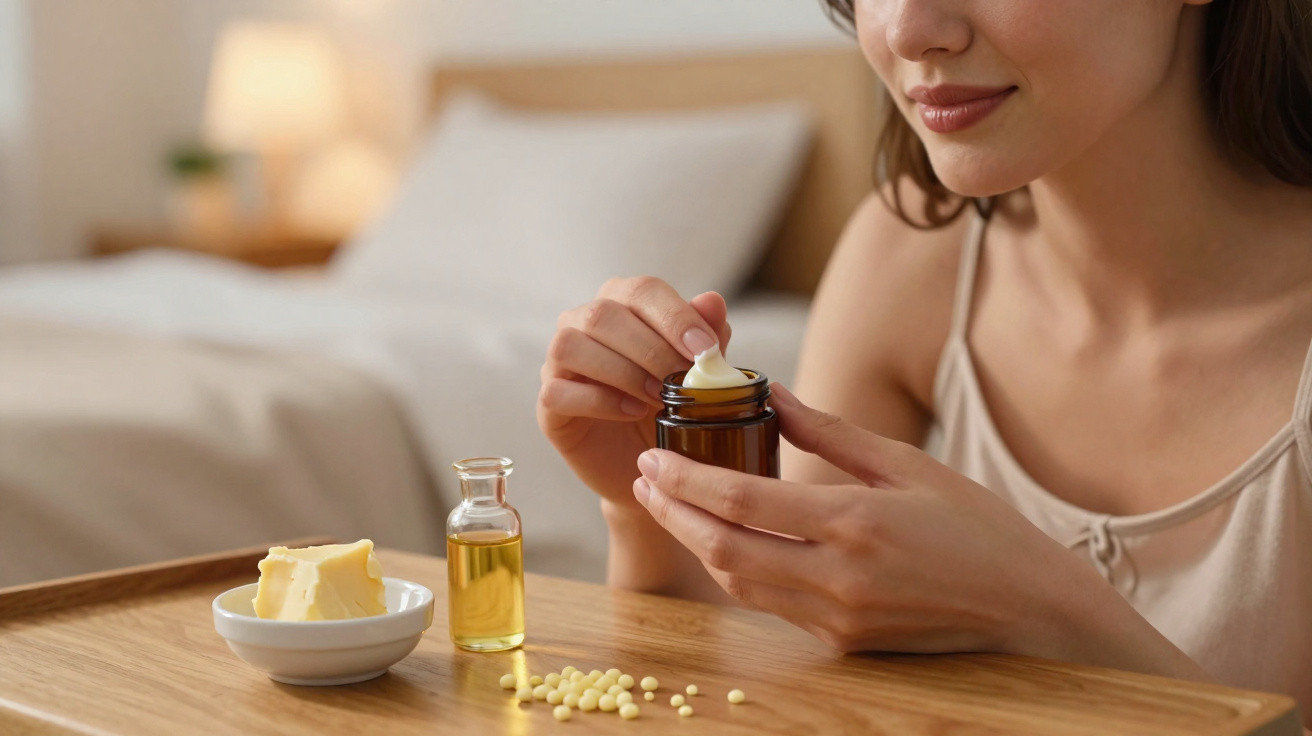
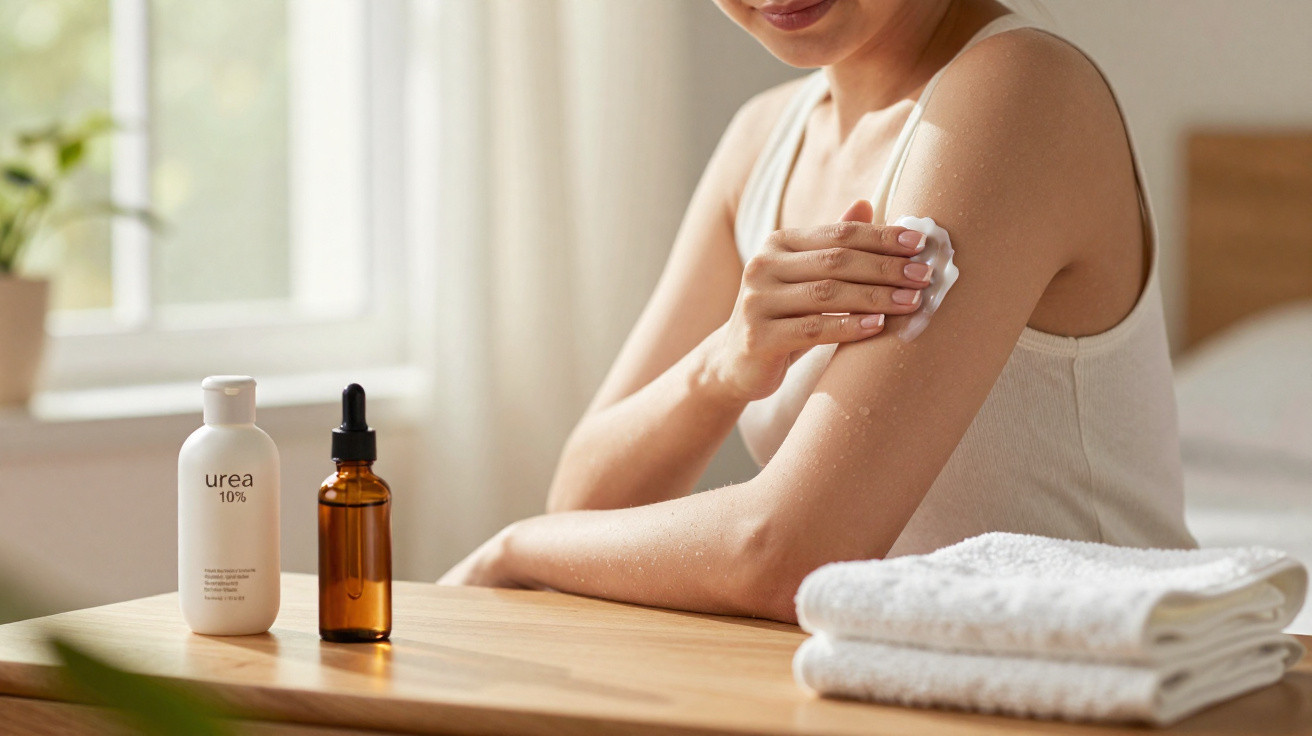
A good cream still has its place as additional support: after intensive gardening, following a long office day involving lots of contact with paper, or in winter when dry central-heating air dehydrates everything. It works far more effectively when the skin is already in good basic condition.
There is also a practical side benefit: fewer products, less waste, fewer chemicals on the skin - and a bathroom sink no longer crowded with half-empty tubes. Once you consciously adjust your washing habits, you soon realise that soft hands depend much less on miracle products than on a few consistently gentle everyday actions.














Comments
No comments yet. Be the first to comment!
Leave a Comment