
After another commute spent scrolling through fitness reels-slow-motion bodies, sharply defined abs and captions promising “30 days to a new you”-many people arrive home, put down their keys, collapse on the sofa and scarcely move again before bed. The divide between that ideal and everyday life can feel enormous. It is not laziness; life is busy, complicated and draining. We have been taught that health only counts when it happens during the 45-minute workout we often cannot fit in. But perhaps that idea is mistaken.
Why tiny movements can quietly transform your day
Think back to a day when you were seated for most of the time. You may not have felt “unhealthy”. You replied to emails, attended Zoom meetings and perhaps grabbed a quick lunch. Your mind was busy, but your body did very little. Later, when you got up, your back may have protested, your hips clicked and your legs felt leaden. This does not arrive with the drama of a heart attack; it builds gradually, like water slowly leaking through a wall.
Now imagine another day with no gym session at all. You walk to the shops, use the station stairs, get up each hour to loosen your shoulders, sit on the floor to play with a child or bend down to weed the garden. None of this seems like “exercise”. There is no sports bra, heart-rate monitor or carefully selected playlist. Yet your blood sugar, joints and mood still benefit, as though each action were a small payment into a savings account.
Researchers describe this as NEAT, or non-exercise activity thermogenesis: the calories you use and the muscles you activate outside planned exercise. Research involving people who remain lean without dieting repeatedly finds the same theme: they move more throughout the entire day. They fidget, walk short distances and stand while talking. The body responds better to many small prompts than to one intense burst. Prolonged sitting signals your metabolism to ease off, your circulation to slow and your muscles to become inactive. Regular micro-movements communicate the reverse: remain alert, responsive and functioning.
Making an everyday routine a movement day
Leave the search for a flawless routine behind and work in five-minute intervals instead. Set an unobtrusive alarm on your phone or computer every 50 minutes. When it sounds, make one simple adjustment: shift your position. Get to your feet, walk to the kitchen, circle your shoulders or stretch your calves against the wall. Nothing more is required. No perspiration, change of clothes or fuss. These brief pauses break up the long, uninterrupted stretches of sitting that impair circulation and leave joints stiff.
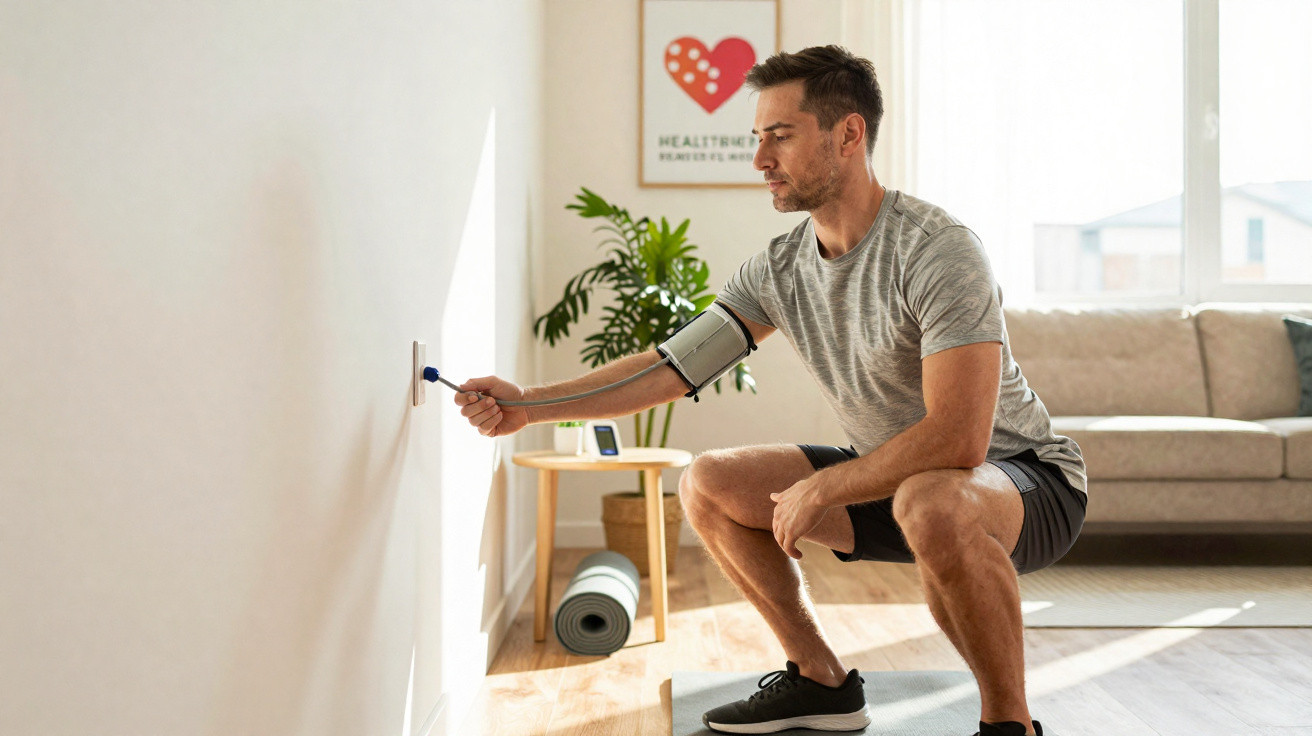
Choose one “anchor habit” for home. Whenever the kettle boils, complete ten push-ups against the kitchen counter. While waiting for the microwave, perform slow heel raises. Across a day, such small rules can produce dozens of repetitions and hundreds over a week. You are not “finding time” for fitness; you are building it into moments that already exist. This is what lies behind people who appear naturally active: movement is sewn into the fabric of their daily habits.
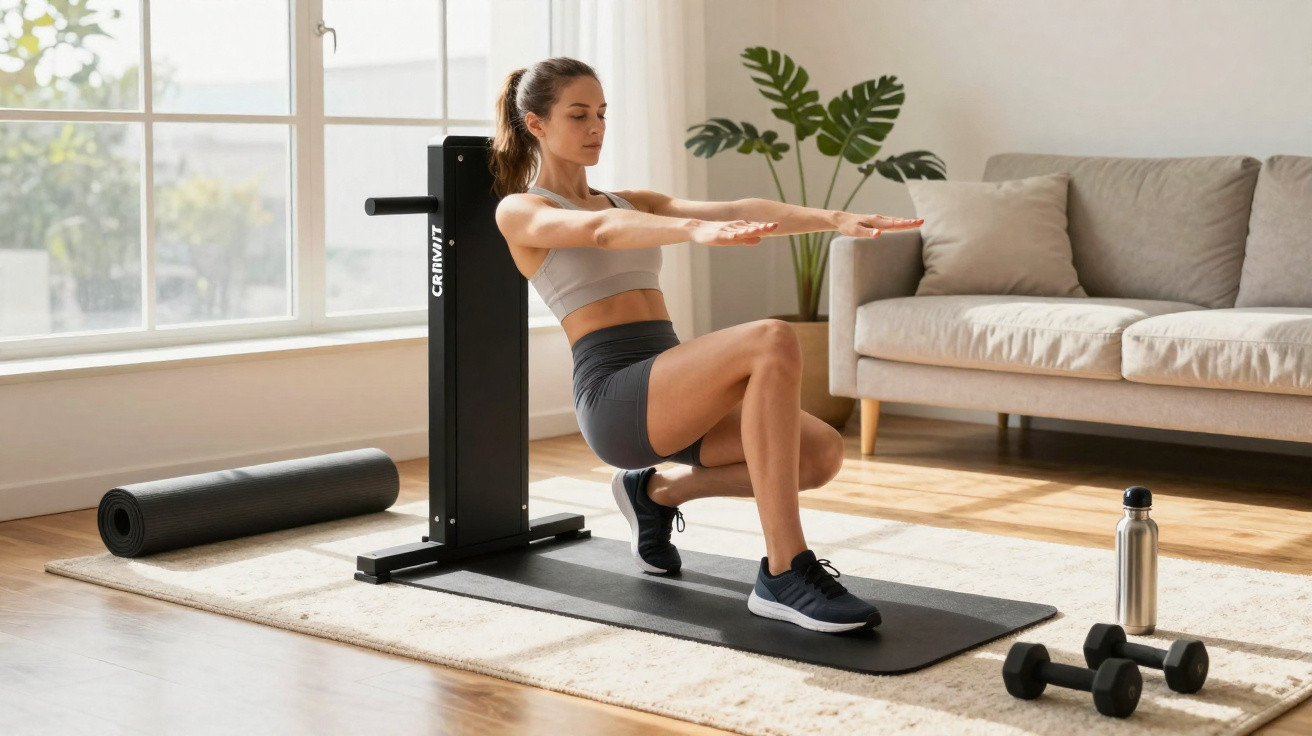
The real problem is often all-or-nothing thinking. Someone might decide, “If I can’t do 45 minutes, it’s pointless,” then remain seated for eight consecutive hours. Let’s be honest: nobody really manages that every day. In practice, a five-minute walk after lunch can support blood sugar, several squats while cleaning your teeth can wake up your legs, and taking a phone call standing up can lengthen your hip flexors. Your body does not assess how “worthy” a movement is. It simply reacts to it.
“The difference between a sedentary and an active day is rarely the gym session,” says one London GP I spoke to. “It’s the thousand small decisions the person never counts as exercise.”
To turn the idea into something practical, keep it almost absurdly straightforward. Start by selecting and circling only one or two of these:
- Walk during every call you can, even if you only pace around the room.
- Avoid using the lift for one or two floors unless you are injured.
- Place the bin, printer or kettle at the far side of the room.
- Stretch for three minutes while the shower warms up.
- Finish each television episode with one song of dancing or a short walk.
The psychology of moving more without self-criticism
On a gloomy Tuesday, “go to the gym” can sound overwhelming, while “walk to the next bus stop” feels achievable. The distinction is psychological rather than physical. If the target feels too demanding, we put it off, feel guilty and eventually abandon it. Smaller actions create less emotional resistance. They slip past the brain’s warning system insisting, “This will be hard!” This helps explain why step targets and reminders to stand are effective for many people: they turn effort into a game rather than praising suffering.
On a packed London train, a physiotherapist sees commuters scrolling, slumping and tensing themselves against the carriage’s movement. She believes posture alone can reveal who is likely to develop back pain. Her recommendation is both ordinary and clever: move your toes, gently grip and release the floor with your feet, roll your shoulders and slowly turn your head. The actions are almost invisible, but they tell your nervous system that your body is active rather than rigid. Meaningful change frequently begins with movements too subtle for anyone else to see.
Most of us recognise the experience of coming home exhausted, sitting down “for ten minutes”, looking at our phones and suddenly discovering it is 11pm. The evening has disappeared and the body has hardly left the chair. That is not a personal failing; it is a problem of design. Our homes and workplaces encourage stillness and screen time. The answer is not greater willpower, but more helpful defaults. Leave a yoga mat where you normally put your bag. Keep snacks on a higher shelf so you have to stretch. Put a resistance band beside the sofa and use it for two minutes before pressing play. These small points of friction can gently steer your day towards movement without requiring a motivational speech.
Everyday movement also changes something harder to see: the way you relate to your body. If movement is connected only with performance-times, weights and achievements-you are either “on it” or “failing”. When it is part of washing up, walking to the Post Office or carrying shopping home, your body feels less like a project and more like a companion. The shift may be subtle, but it is usually more enduring than any January resolution.
Rather than asking, “Did I work out today?”, try holding another question in the background: “Have I let my body be a body today – walking, reaching, bending, twisting, breathing a little harder than usual?” That question can alter how you use stairs, stand in queues and select your routes. Over time, it can quietly reshape the story of your health.
| Key point | Detail | Why it matters to the reader |
|---|---|---|
| Micro-movements matter | NEAT (every movement outside sport) affects weight, energy and cardiometabolic health. | It shows that each ordinary action can support health without a formal exercise session. |
| Make movement unavoidable | Adapt your environment: use stairs, place objects farther away and set active-break reminders. | This changes the day without relying solely on motivation or willpower. |
| Change the narrative | Move from “all or nothing” to “a little, very often”. | This reduces guilt and makes physical activity gentler and more sustainable. |











Comments
No comments yet. Be the first to comment!
Leave a Comment