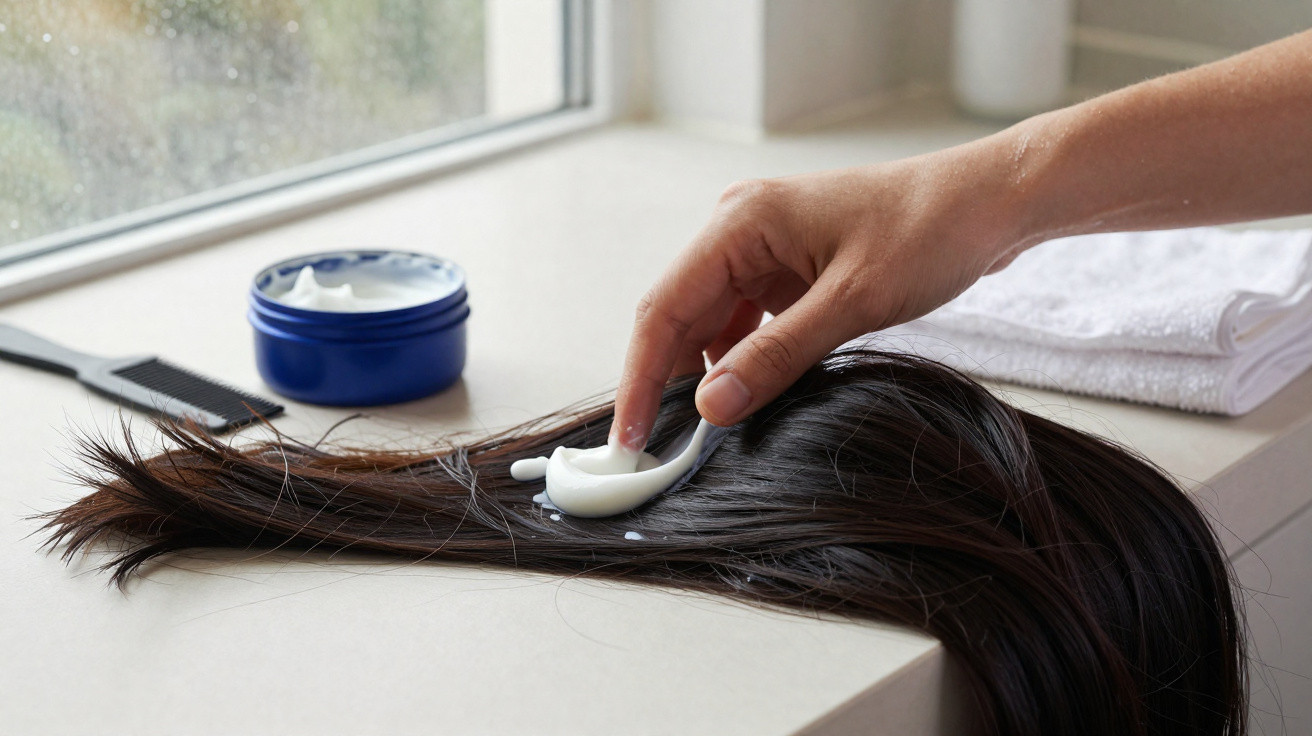
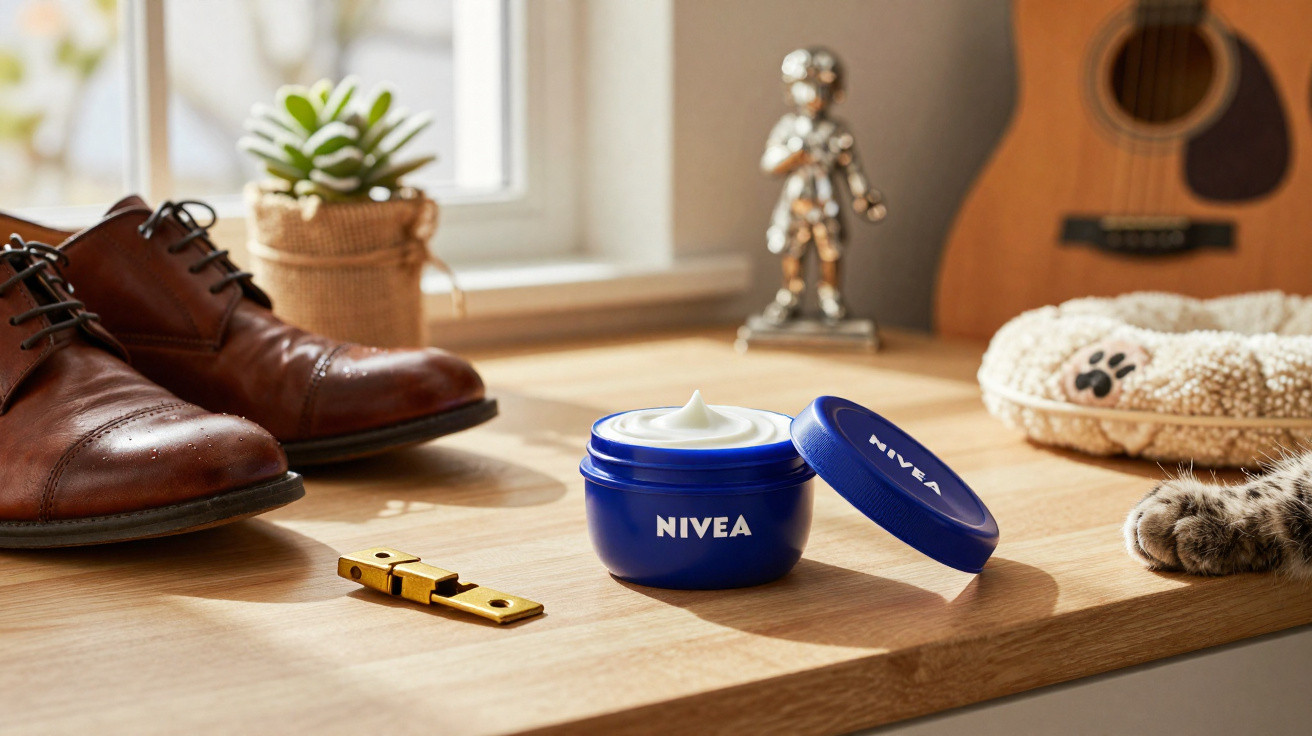
Very thick hair can feel rough, dry or stubborn through the lengths, especially after heat styling, windy weather and central heating. That is why some people are tempted to use the rich cream from a blue tin as a quick pre-shampoo softening treatment.
Used sparingly on the ends, a dense body cream may make dry-feeling hair seem smoother for a short time. The important point is that this is a surface effect, not a repair treatment. On fine hair, oily roots or hair that easily develops build-up, it is more likely to leave strands limp and greasy-looking.
Why rich cream can change the feel of hair
Body creams are made to leave a moisturising, protective film on skin. When applied to weathered hair lengths, that film can make individual strands feel less rough and slide past one another more easily.
This can be particularly noticeable on coarse or very thick hair, and on ends that feel dry after frequent washing or styling. It may also make combing easier for a short while.
Softer-feeling hair does not mean that the product has repaired damage inside the hair shaft.
Hair and skin have different needs, however. A body cream is not formulated as a conditioner, scalp product, leave-in treatment or heat protectant. A product designed for your hair type will usually give a more predictable result and be easier to rinse away.
Who may be able to try it cautiously
This is not an essential hair trick, but a small pre-shampoo test may suit hair that is:
- thick or coarse in texture;
- dry-feeling from the ears downwards;
- prone to rough, frizzy-looking ends;
- able to tolerate rich masks without looking flat;
- only being treated through the mid-lengths and ends.
It may be tempting in autumn and winter, when damp weather, indoor heating and hats can leave lengths feeling unruly. Even then, a proper rinse-out hair mask is usually the more reliable option.
The effect, if you like it, is likely to be temporary. It should not replace conditioner or regular care suited to your own hair.
When the tin is best kept for skin
Avoid this experiment if your hair is fine, your scalp becomes oily quickly, or your roots look greasy soon after washing. A rich cream can be difficult to remove fully and may leave strands separated, waxy or dull.
It is also wise to skip it if you have:
- an irritated, sore or flaky scalp;
- broken skin near the hairline;
- a known sensitivity to fragrance or any ingredient in the cream;
- hair that is easily weighed down by ordinary conditioner;
- a forthcoming colour, bleach or chemical service, unless your hairdresser has advised otherwise.
Very curly or coily hair is not automatically unsuitable for richer products, but body cream is still not designed for curl definition. It can leave residue that makes wash day harder or affects how curls clump. A curl cream or deep conditioner made for your texture is the safer choice.
How to test it without coating your hair
The amount matters far more than the trend. Start with less than you think you need, keep the product away from the scalp and try one small area first.
1. Read the label and check for sensitivities
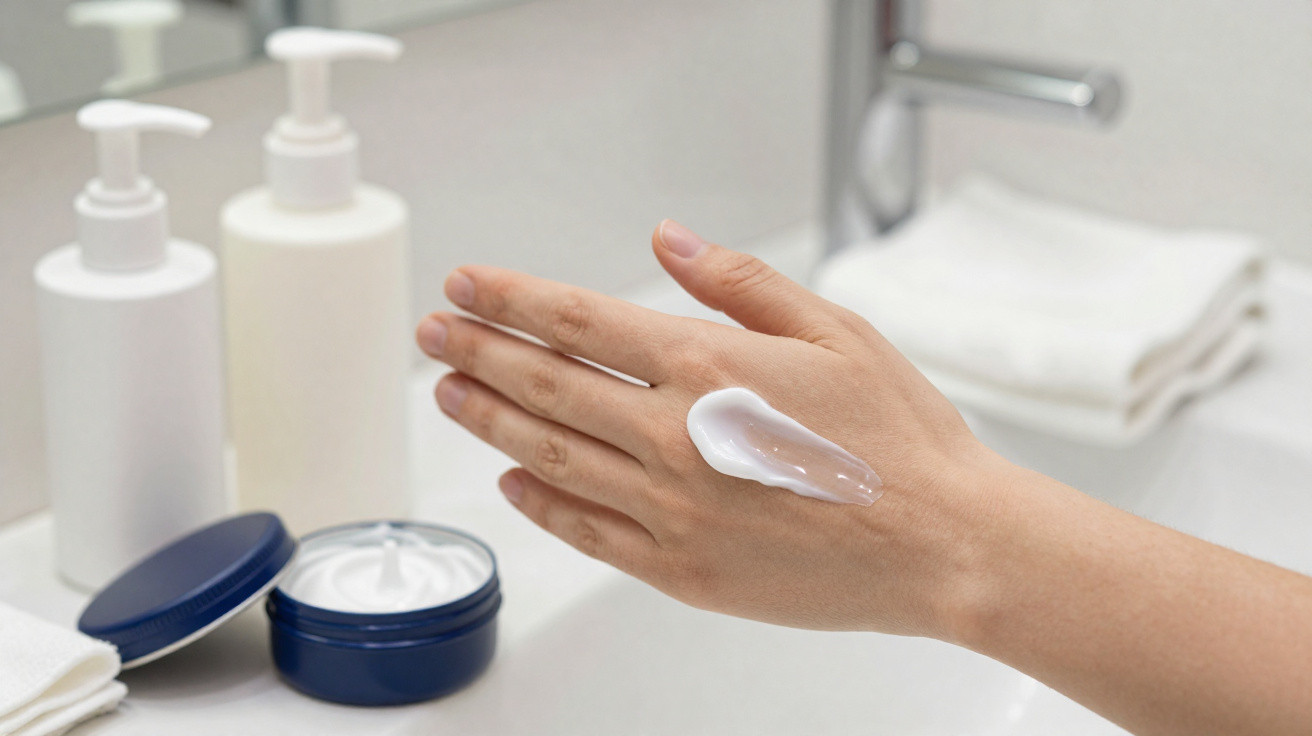
Formulas can change, so check the ingredient list on the tin you have. If fragranced skincare has irritated your skin before, do not use it near your hairline or scalp.
Do not apply cream to inflamed, broken or sunburnt skin. If you experience itching, burning, redness or a rash, wash the product away and stop using it. Ask a pharmacist or healthcare professional for advice if symptoms persist.
2. Use a tiny amount on dry ends
Take less than a pea-sized amount for a small section of hair. Warm it between your fingertips, then lightly smooth it over the final few centimetres of the ends and any especially dry patches.
Keep it several centimetres away from the roots. Do not rub knots aggressively, as rough handling can cause breakage.
3. Leave it on briefly
For a first test, 10 to 20 minutes is plenty. Loosely clip longer hair away from your face and shoulders while you wait.
There is no benefit in sleeping in it or wrapping hair tightly for hours. That is more likely to transfer cream to bedding and make it harder to shampoo out.
4. Shampoo it out thoroughly
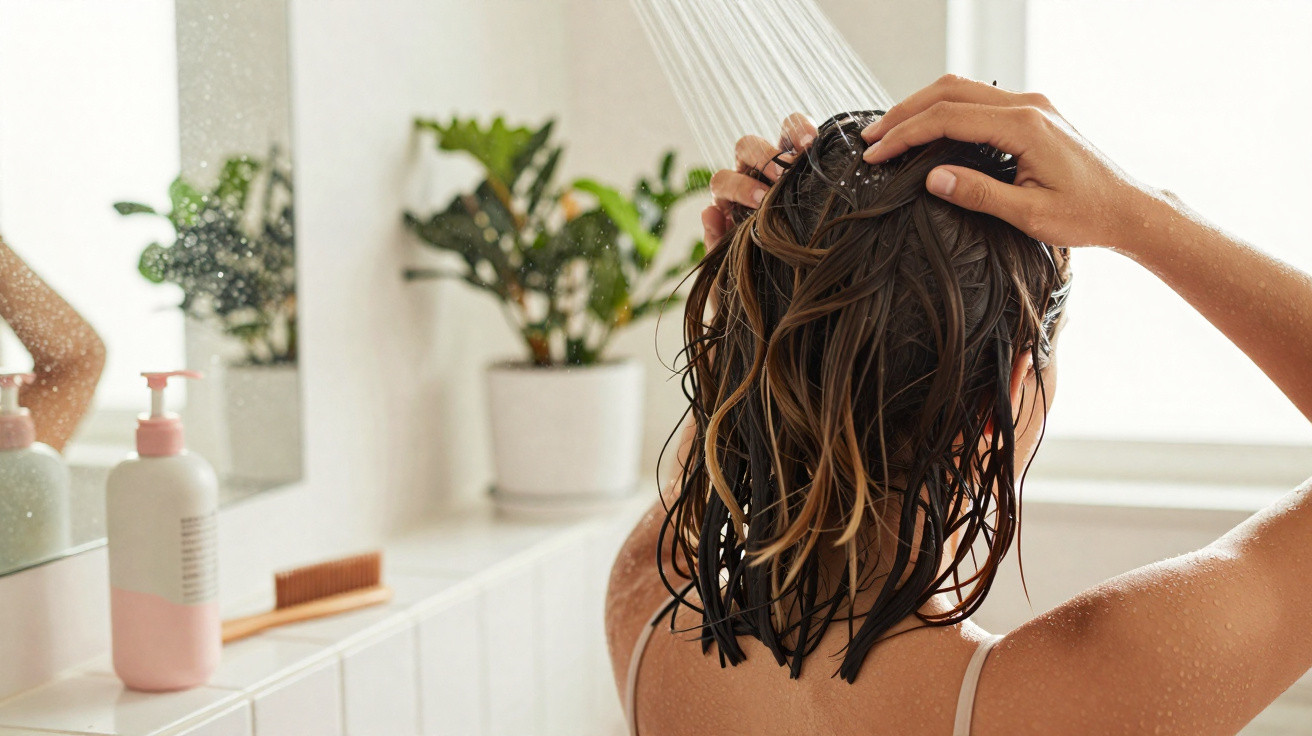
Wet the hair fully, then shampoo carefully, concentrating first on the scalp. If the lengths still feel coated after rinsing, a second gentle shampoo may be needed.
Use your normal conditioner afterwards, mainly on the ends. When hair is dry, it should feel manageable rather than sticky, stringy, flat or unusually dull.
The sensible test is small, brief, away from the roots and followed by a proper wash.
Common mistakes that lead to greasy hair
Most disappointing results come down to using too much product, putting it in the wrong place or expecting it to do a job it was never designed to do.
- Using a large scoop: More cream usually means more residue, not more softness.
- Applying from root to tip: Roots rarely need a dense, oily-feeling cream.
- Treating it as a leave-in: Body cream is not a styling product and can make hair look coated once dry.
- Using it before heat styling: It is not a substitute for a dedicated heat protectant.
- Leaving it on overnight: Longer contact does not guarantee a better result.
- Repeating it every wash: Frequent use can cause build-up, particularly if hair already feels heavy after washing.
- Trying to conceal split ends: Cream can temporarily improve their appearance but cannot permanently mend them.
- Ignoring irritation: Wash it out promptly if the scalp or skin feels uncomfortable.
Better options for softer, easier-to-manage lengths
If your aim is lasting manageability rather than a one-off experiment, choose products made for hair. Thick or coarse hair may suit a richer rinse-out mask, while fine hair often responds better to lightweight conditioner used mainly below the ears.
A few simple habits can also help dry lengths feel better:
- wash with lukewarm rather than very hot water;
- blot hair dry with a soft towel or cotton T-shirt instead of rubbing it;
- detangle gently from the ends upwards, ideally with conditioner in the hair;
- use heat tools less often and apply a proper heat protectant when you do;
- arrange trims when ends catch, split or feel consistently rough.
If your scalp becomes persistently sore or flaky, or you notice a sudden change in shedding or texture, speak to a pharmacist, GP or qualified hair professional rather than repeatedly adding richer products.
The practical verdict
A tiny amount of rich blue-tin cream may make very thick, dry-feeling ends feel smoother for a short period when used as a pre-shampoo treatment. It is not a miracle repair and will not suit every hair type.
For fine, oily or easily weighed-down hair, leave it for dry skin instead. If you are curious and your hair is thick or coarse, test the smallest possible amount on the ends once, wash it out thoroughly and decide based on how your own hair responds.











Comments
No comments yet. Be the first to comment!
Leave a Comment