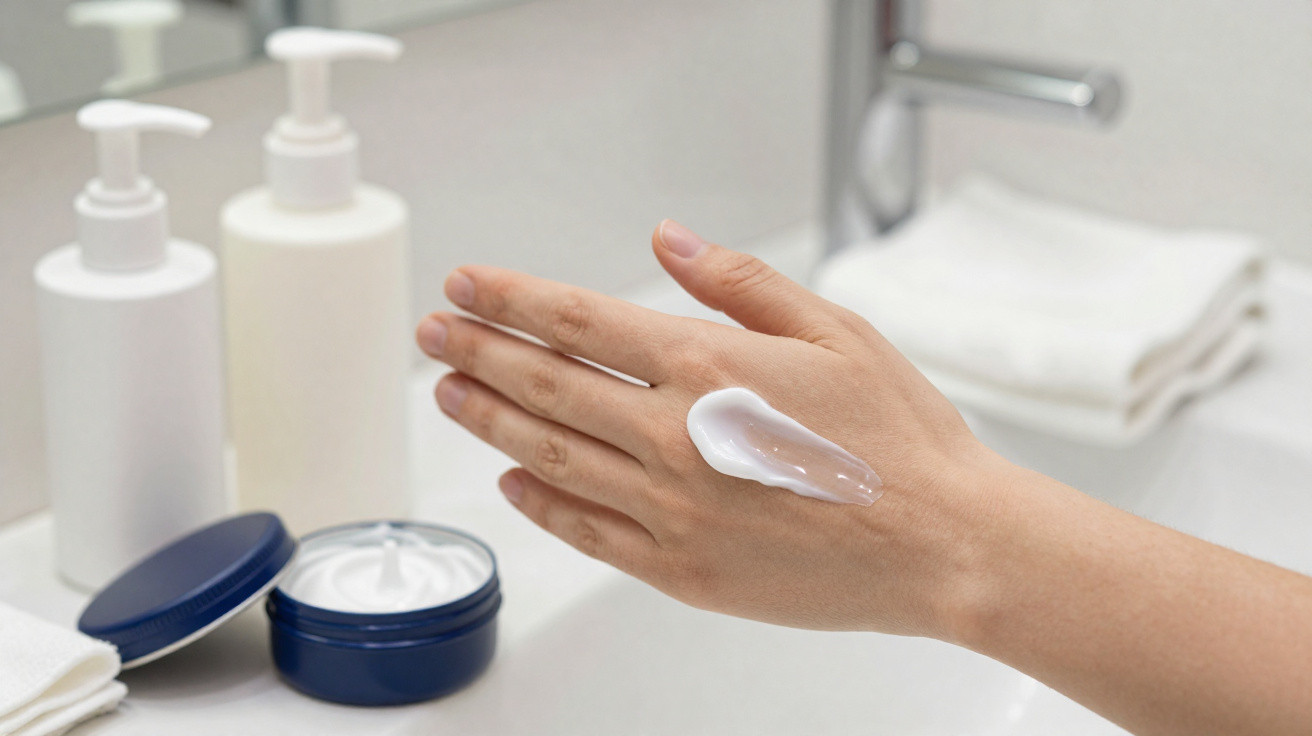
A rich cream can be very tempting when your face feels tight after a cold walk, the heating has been on all day, or the skin around your nose is dry from frequent wiping. The classic blue Nivea tin is a familiar fixture in many bathroom cabinets, and it is often used as an overnight face mask.
For some people with very dry, non-reactive skin, a small amount can indeed feel comforting. The useful trick is to treat a dense cream as a protective layer that helps reduce moisture loss, rather than assuming it is a suitable full-face treatment for every skin type.
What a rich cream can do for dry skin
Dense moisturisers contain ingredients that soften the outer layer of skin and create a barrier over it. These are often called emollient and occlusive ingredients. They can make rough areas feel smoother and reduce the amount of water that evaporates from the skin surface.
That is why dry patches may feel more comfortable soon after application. In the UK, this can be especially welcome in colder, windier months, or when indoor heating leaves skin feeling dry and tight.
A heavy moisturiser can help hold moisture in the skin, but it is not automatically the same thing as a targeted facial treatment.
This is an important distinction. A cream may make skin feel softer and less tight, but it will not necessarily address every concern, such as ongoing breakouts, pigmentation, redness or persistent sensitivity.
Why it is not a face mask for everyone
Facial masks are usually formulated for a particular purpose and skin type. Depending on the product, they may focus on hydration, gentle exfoliation, soothing ingredients or temporary oil control.
A classic all-purpose cream is generally designed to be rich and protective. That may suit an occasional dry patch on dry skin, but it can feel heavy over the whole face, particularly overnight. It may also transfer onto pillows and leave a noticeable film by morning.
People with oily, combination or blemish-prone skin may find that thick layers feel uncomfortable or appear to make congestion worse. This does not mean a rich cream is inherently harmful; it means texture, quantity and individual skin tolerance matter.
Facial skin can also behave differently from the skin on hands, elbows or knees. A cream that works brilliantly on cracked knuckles may be too heavy for the forehead, nose and chin.
Occlusive ingredients: useful, not automatically right
Mineral oil and similar occlusive ingredients are sometimes treated as ingredients to avoid, but they are widely used in cosmetic products. Their main role is practical: they form a surface layer that can reduce water loss from the skin.
This can be helpful when skin feels dry or its barrier is under strain. However, an occlusive layer works best when there is some moisture underneath it. Applying a small amount to slightly damp skin, or over a lighter moisturiser, is often more useful than putting a thick layer on already dry skin.
Check the ingredient list on the specific product you have, as formulas can change and may vary between markets. A rich cream is not automatically unsuitable because it contains mineral oil or other occlusive ingredients, but it is also not automatically the best choice simply because it feels nourishing.
When a small amount may be useful
Rather than treating it as a full-face mask, think of a rich cream as a targeted finishing layer. It can be useful on dry, non-irritated skin when used sparingly.
It may be worth trying on:
- dry patches on the cheeks after cold or windy weather;
- the sides of the nose after a cold, if the skin is intact;
- dry skin around the mouth, provided it is not sore, inflamed or broken;
- hands, cuticles, elbows, knees and feet;
- a small dry area over your usual moisturiser in the evening.
How to use it without overdoing it
- Cleanse gently. Do not scrub flaky or tight skin, as friction can make irritation worse.
- Pat skin dry. Leave it slightly damp rather than rubbing it completely dry with a towel.
- Use a light moisturiser first, if you need one. A fragrance-free lotion or cream may be more comfortable across the whole face.
- Take a very small amount of rich cream. A pea-sized amount is plenty to start with.
- Press it on to dry zones. Try the cheeks or sides of the nose first instead of coating the entire face.
- Assess your skin the following day. Stop using it on your face if you notice itching, stinging, bumps, worsening spots or an uncomfortable greasy feeling.
Fragrance deserves extra thought
Many traditional rich creams contain fragrance. Fragrance is not automatically a problem, and plenty of people use fragranced skincare without difficulty. However, it can trigger irritation or contact allergy in some people, particularly when a product is applied generously and left on the face for hours.
If you already know that fragranced products make your skin sting, itch or flare up, choose a fragrance-free moisturiser instead. This is particularly sensible if your skin is already irritated by cold weather, over-exfoliation or a harsh cleanser.
For an overnight leave-on product, a simple fragrance-free moisturiser is often the lower-risk option for sensitive facial skin.
People with a history of contact allergy, eczema or recurring facial irritation may wish to ask a pharmacist or healthcare professional for individual advice before experimenting with new products.
Choosing a better overnight moisturiser
If you want more than a protective layer, look for a product made for facial use and suited to your skin type. It does not need to be expensive or involve a complicated routine.
For dry or sensitive skin, features to consider include:
- fragrance-free labelling;
- humectants such as glycerin or hyaluronic acid;
- ceramides and other barrier-supporting lipids;
- soothing ingredients such as panthenol;
- a cream or balm texture that feels comfortable on your skin.
For oily or combination skin, a lighter lotion or gel-cream may be more pleasant. If you are prone to acne, introduce one new product at a time and use it consistently for a while before deciding whether it suits you.
Boots, Superdrug and community pharmacies stock fragrance-free facial moisturisers in a range of textures. The right one is usually the product you can use regularly without stinging, itching or leaving an unpleasant residue.
Common mistakes to avoid
A versatile tin can encourage a few unhelpful skincare habits.
- Applying a thick layer every night because it is popular online. More product does not necessarily mean more benefit.
- Using it on weeping, cracked, infected or very inflamed skin. Cosmetic skincare is not a substitute for assessment of a rash or skin infection.
- Ignoring a reaction. Wash the product away gently and stop using it if your skin stings, itches, swells or becomes more irritated.
- Assuming a rich cream is an anti-ageing treatment. Moisturising can temporarily make fine lines look less noticeable, but it is not a complete anti-ageing routine.
- Putting it over a complicated mix of strong active products. If acids, retinoids or scrubs have made your skin sore, simplify rather than adding further layers.
- Skipping a patch test when you are sensitive. Try a small amount on the inner forearm and wait 24 to 48 hours before using it on your face.
Safety notes and the practical takeaway
Keep skincare away from the eyes unless the packaging says it is suitable for that area. Avoid applying heavily fragranced products to freshly shaved, broken or inflamed skin if these situations usually trigger sensitivity for you.
Seek advice from a pharmacist, GP or dermatology professional if dryness is severe, painful, persistent, spreading, or accompanied by crusting, swelling or signs of infection. If you use prescribed skin treatments, ask a pharmacist before layering other products over them.
A moisturiser also does not replace sun protection. When you expect daylight exposure, use a suitable broad-spectrum SPF on the face, including during brighter UK winter days.
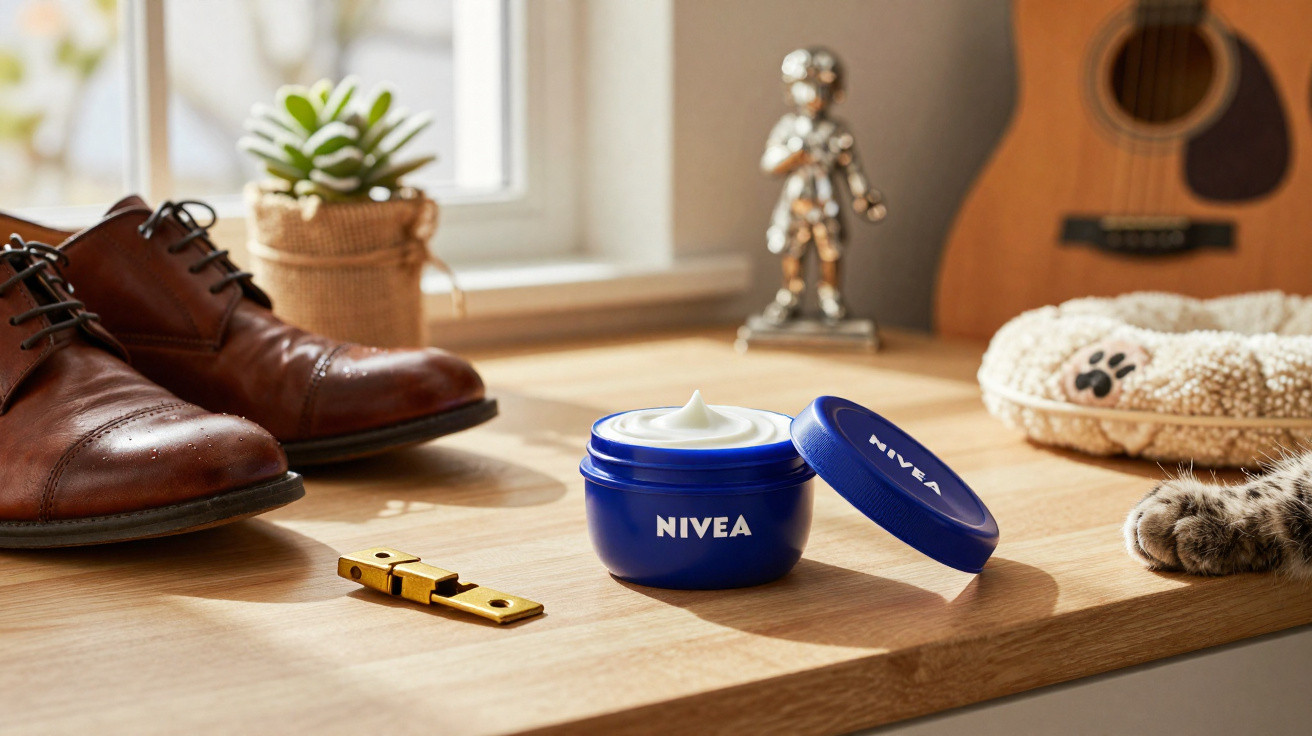
The blue tin can still earn its place: it is a useful rich moisturiser for hands, elbows, feet and occasional dry facial patches. For very dry skin, a little may bring welcome softness and comfort. Just use it as a protective finishing layer, not as a universal overnight mask, and let your skin’s response guide you.














Comments
No comments yet. Be the first to comment!
Leave a Comment