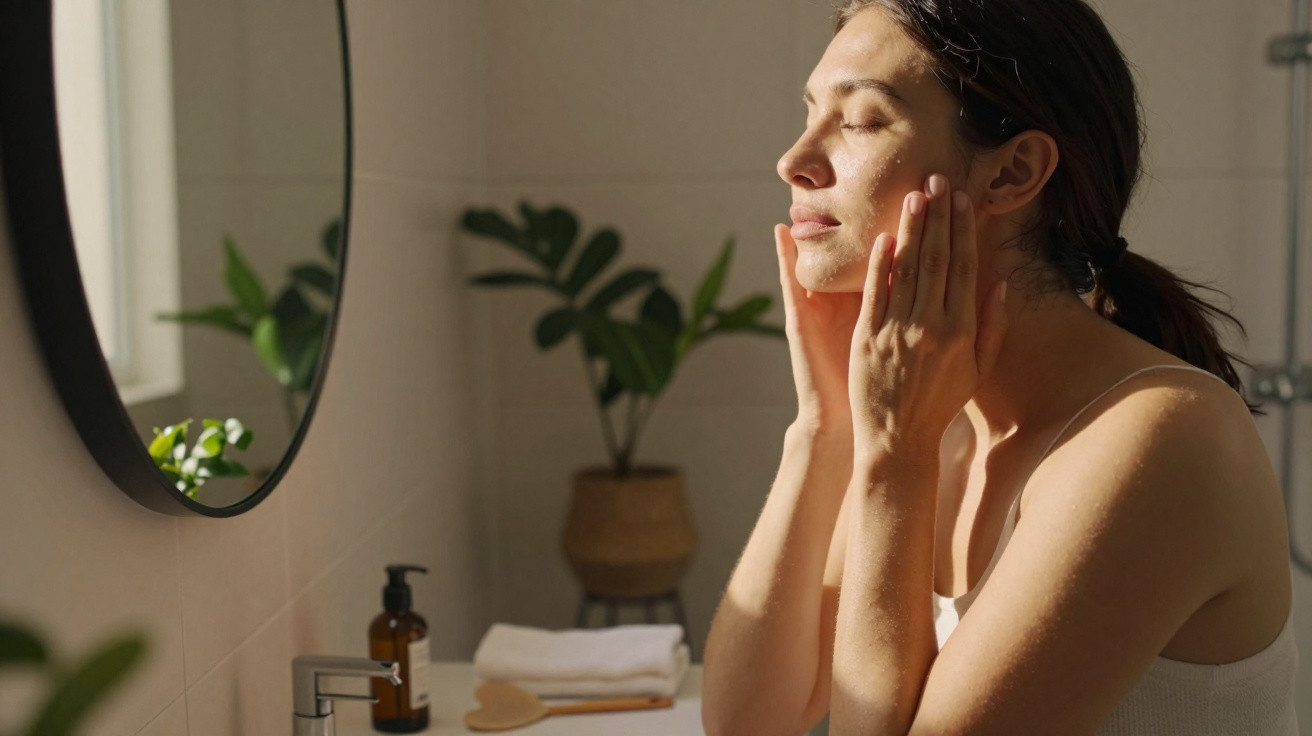
The woman in the train carriage is staring at her phone, scrolling through skincare tips while her fingers restlessly travel across her neck. A brief press, a small kneading motion – then she stops, as though the act has put her in a bad mood. Beside her, flawless influencer skin gleams on the screen, with pores seemingly erased by magic. There is no mention of touch, only serums, retinol and acids. We apply products, exfoliate and use lasers. Our skin is being optimised, yet it is barely touched. We cleanse it, put make-up on it and treat it as a project rather than a living organ asking for contact. At some point, you look in the mirror and realise that something is missing – something no cream in the world can replace.
Why we only work on our skin – but barely touch it
We all know that rushed moment in the bathroom: cleanse quickly, apply moisturiser quickly, done. Our hands skim over the face more like a brushstroke than an actual touch. Skin becomes little more than a supporting character in a care ritual that resembles a technical process. There is no slow pressing, no circular motion, no pause. Our skin is constantly at work, but it almost never receives a genuine break filled with care. Let’s be honest: hardly anyone truly does this every day.
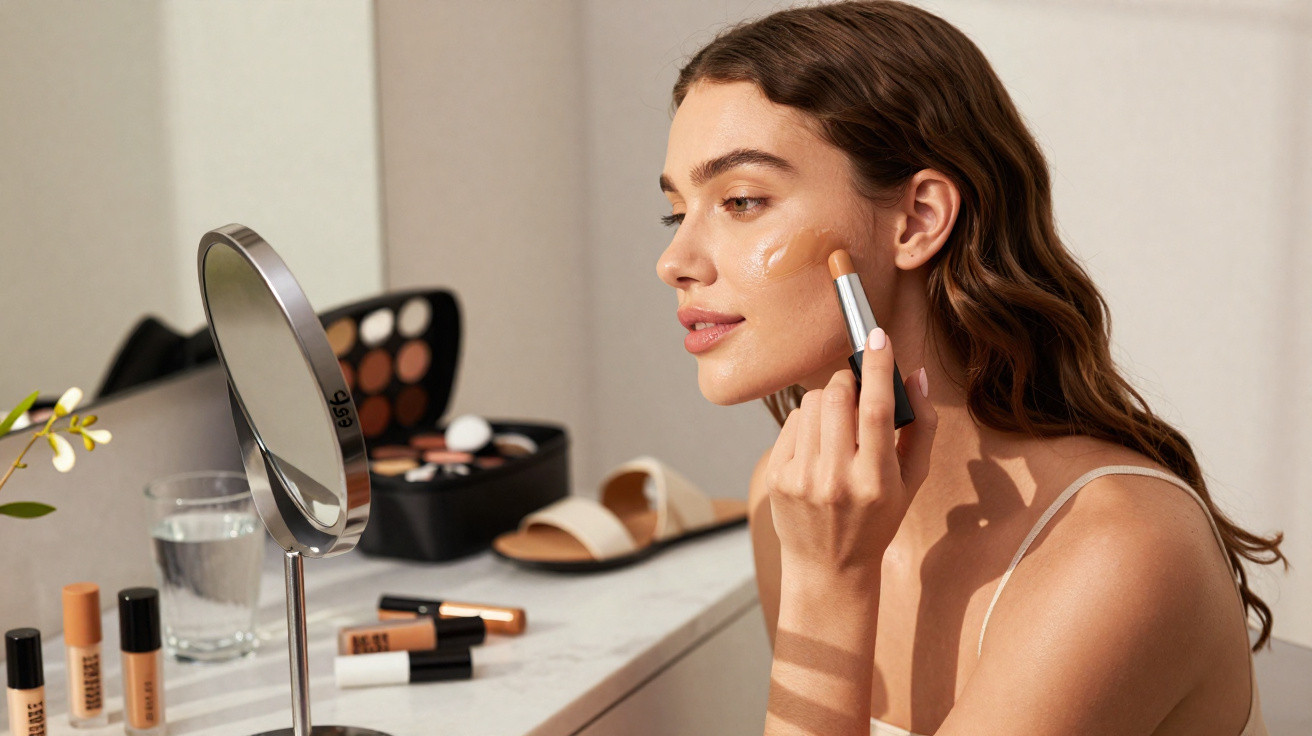
Look at the images used in marketing: creams are applied flawlessly along cheekbones, like butter spread on toast. In adverts, immaculate hands glide across faces in slow motion – it looks like massage, but it is purely aesthetic. Real life looks different. At the gym, on the Underground or in the office, you are more likely to see hurried movements: someone quickly pats on make-up; someone pulls their face upwards with a dry hand to disguise tired eyes. According to surveys in the cosmetics industry, many people use three to five products each day, but only a small proportion spend more than a minute massaging them in. That minute is often the first thing to disappear when the day becomes stressful.
The reasoning behind this is almost brutally simple: we think in terms of “products”, not “processes”. A serum offers clear promises, a cream contains active ingredients and a mask delivers an “instant effect”. Massage, on the other hand, sounds like wellness, luxury or a spa treatment – not something with a place in everyday life. At the same time, we live in a culture where touch is regulated, planned and frequently sexualised. Touching ourselves in a way that has nothing to do with control or optimisation can quickly seem unnecessary, or even selfish. As a result, skin becomes a surface to be improved instead of a sensory organ that needs feedback, pressure and care.
What regular skin massage really changes – and how to begin
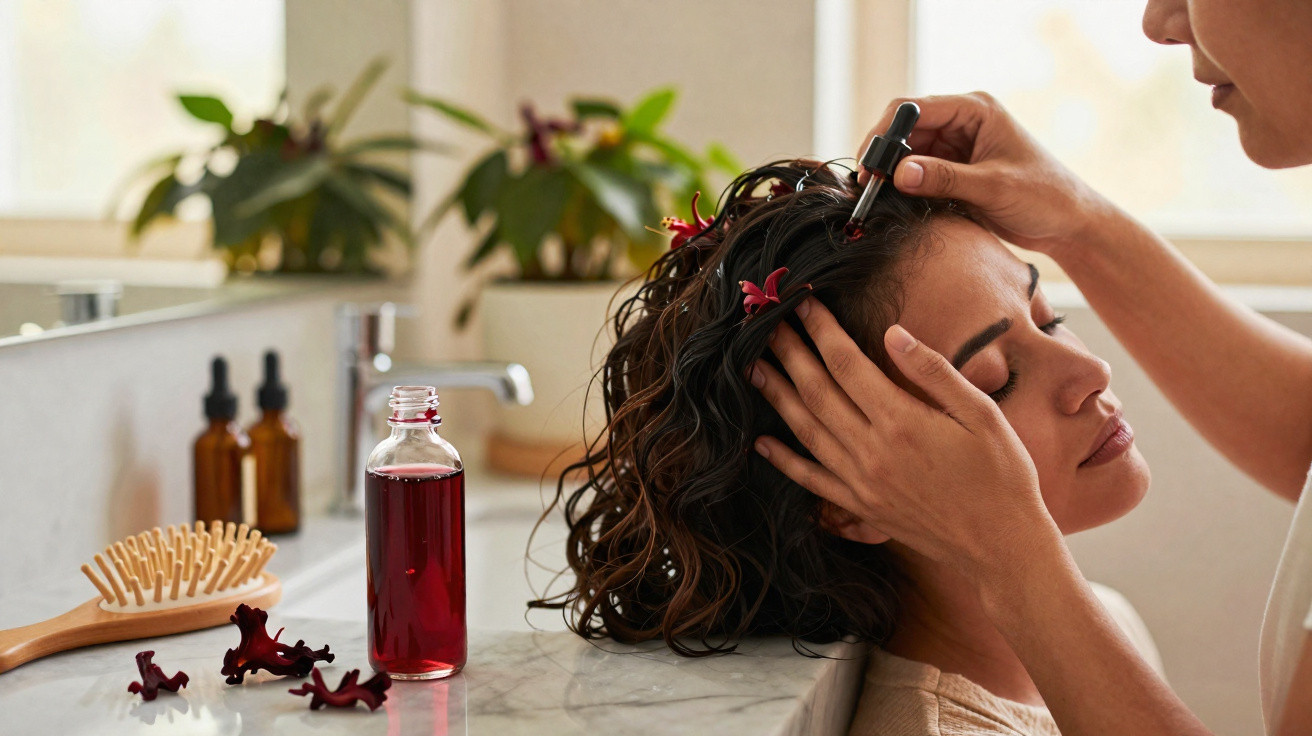
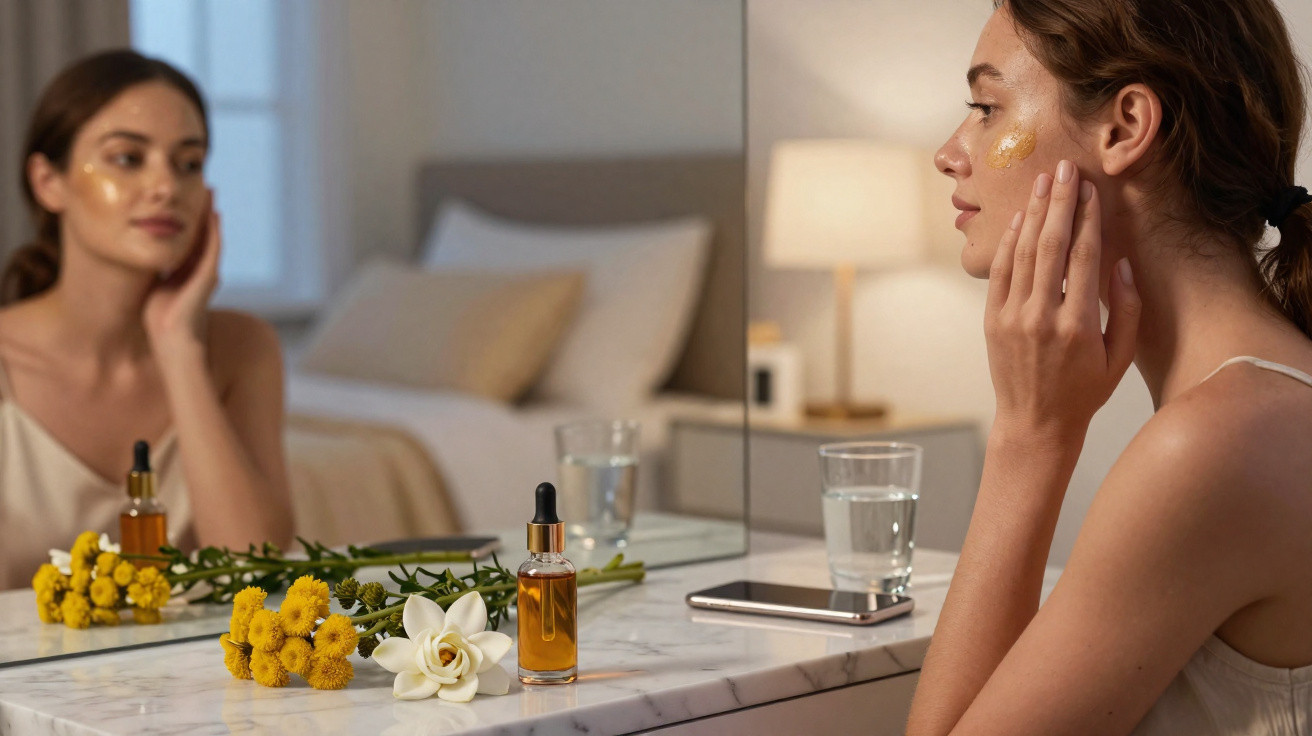
A calm skin massage may sound like a major undertaking, but it is simple at its core: two to three minutes, clean hands, an oil or rich cream, followed by slow, intentional movements. Start with the areas that are always tense during daily life: the jaw, forehead and base of the neck. Using your fingertips, work in small circles from the centre outwards, choosing enough pressure to feel it clearly while still being able to breathe. Slower than feels natural to you. The skin becomes warm and slightly flushed, and suddenly your head feels heavier. Your body understands the message: this is something different from functional skincare.
Many people begin too intensely. They use too much pressure, attempt techniques that are too complicated and set their expectations too high. They want lymphatic drainage, face yoga and acupressure – all at once. After three days, they give up in frustration because no miraculous smoothing of wrinkles is visible. There is a quiet misunderstanding here: massage is not a filter; it is a relationship. Your tissue needs time to build trust, much like a muscle being moved again after a long break. The gentler your start, the more likely you are to continue. There is another obstacle: we only massage when there is “time”. That moment never appears of its own accord. You create it by decisively cutting it into your day: 90 seconds after brushing your teeth, phone away, bathroom door closed.
A beautician told me recently:
“Most clients expect from my hands what they have not allowed their own hands to give them for years: closeness, pressure, real presence.”
Many people only realise, once they are on the treatment bed, how much their skin has missed being touched. A small, clear structure can help you keep going:
- Begin at a fixed time, such as every evening immediately after cleansing.
- Stick to three set massage movements instead of constantly searching for new techniques.
- Use a product that feels good, rather than one that merely sounds good.
- With every movement, consciously breathe out a little more deeply once.
- After a week, observe not only your reflection but also your sleep and mood.
What happens when we see our skin as a conversation partner again
When you start massaging your skin regularly, something shifts that is barely visible from the outside but feels loud internally. Looking in the mirror becomes less about monitoring and more like checking in. Where does it feel tight? Where is it soft? Which areas of the face react immediately to pressure? Many people say that they suddenly notice how often they furrow their brow or clench their teeth during the day. The evening massage becomes a kind of undo button for this quiet everyday stress. At the same time, cream is no longer simply “applied”; it is experienced. That sounds more esoteric than it is. In reality, it is quite straightforward: touch activates nerves that help calm your nervous system.
A quiet intimacy develops with your own outer layer. People who massage their skin regularly often describe a side effect that rarely appears in skincare advertising: less shame. Scars, pigmentation marks and dry patches lose some of their harshness when your hands visit them every day. Skin does not automatically become “perfect”, but it becomes less of an enemy. This also changes the way you speak to it – internally. Instead of “Why do you look so tired?”, it eventually becomes more like: “Okay, we had a hard day, you and I.” It may sound ordinary, but it is a subtle shift in perspective.
For many, this routine is also a first, very practical route into body awareness. The phone is far away, the door is shut and attention is in one place. Completely analogue. For a few minutes each day, your body is not an object of comparison but the focus of an action. Your skin remembers this. It responds with better circulation, a little more firmness and often less sensitivity. You respond with a slightly calmer pulse. It is no surprise that people who build massage rituals into their skincare rarely remove them entirely again – even if they occasionally let the habit slip.
| Key point | Detail | Benefit for the reader |
|---|---|---|
| Skin is often only “worked on” | Focus is placed on products, with hardly any time for slow touch | Understands why previous skincare can feel empty or unsatisfying |
| Short massage routine | 2–3 minutes with simple movements for the face and neck | A practical starting point that fits into stressful daily routines |
| Emotional effect of touch | More calm, less shame and better body awareness | Understands that massage is not only “beauty”, but also self-regulation |







Comments
No comments yet. Be the first to comment!
Leave a Comment