
Working out at 8 pm may sound appealing, but what does it mean for sleep?
Many people in full-time work will recognise the situation: there is simply no time to exercise during the day, and the diary only clears in the evening. So is it time for running shoes, the gym or a yoga mat – or is it better to head straight for the sofa to avoid disrupting the night’s sleep? Research suggests that either option can be right. What matters is the timing, the intensity and your individual body clock.
Why evening exercise is the only option for many people
The tight schedule of modern life
Working days are becoming more packed, commutes are getting longer and personal commitments keep mounting up. Anyone who has to leave early in the morning and does not get home until 6 or 7 pm naturally ends up with the 8 to 10 pm window for exercise. For many city dwellers, this is the only realistic time available for a workout in the park or at the gym.
This creates a genuine dilemma. On one hand, doctors have long warned about inactivity and its effects on the heart, circulation and metabolism. On the other, there is concern that late exercise could shift the body clock and trigger sleeping difficulties. In the end, it is often a practical adjustment to a life that no longer slows down when the sun sets.
Exercise as a release after a stressful day
There is also a psychological case for evening workouts, beyond the issue of time. After eight to ten hours of mental pressure – screens, calls and deadlines – the mind is overloaded while the body may be surprisingly underused. Many people say that a workout helps them shake off thoughts about work.
“Evening exercise can act like a switch: out of work mode and into private life.”
This physical activity brings a more genuine kind of tiredness: muscles are used, circulation gets moving and the mind can switch off. The inner restlessness caused simply by sitting and overthinking begins to fade. That is precisely why so many people turn to exercise in the evening as a counterbalance, despite concerns about sleep.
When the body is still in overdrive but the brain needs to sleep
Temperature: sleep’s hidden timekeeper
For good sleep, core body temperature needs to fall slightly. This is a key sign that tells the body to move into rest mode. Vigorous exercise initially does the opposite: working muscles generate heat, blood circulates faster and body temperature rises.
If a workout starts too late, the body can remain in “active mode” while the clock is already calling for bedtime. It often takes between one and three hours for the body to cool down again. Anyone still training hard at 9 pm may find themselves awake in bed at 11 pm, wondering why they cannot settle.
The hormone mix: adrenaline, cortisol and a blocked sleep signal
During exercise, the body releases various stimulating hormones, especially adrenaline and cortisol. They raise heart rate, focus and responsiveness – excellent for performance, but unhelpful when trying to fall asleep. At the same time, the effect of the sleep hormone melatonin is reduced.
“High-intensity evening training can extend the body’s internal ‘daytime’ signal, even when it has long been dark outside.”
Many people notice the result very clearly: their pulse is still slightly raised, their mind feels alert – sometimes too alert – and restorative deep sleep does not come until much later.
The crucial question: how hard are you really training?
Why intense interval training can disrupt your night
There is a world of difference between a gentle evening walk and a HIIT session, including in terms of sleep physiology. High-intensity activities include:
- interval running or sprints
- HIIT workouts involving burpees, jumps and maximum effort
- demanding spinning or cross-training
- fast, competitive-style sports such as squash
These sessions drive up heart rate, blood pressure and stress hormones. Metabolism can remain elevated for hours afterwards; specialists refer to this as the “afterburn effect”.
Someone who finishes this type of session at 9 pm often cannot simply drift peacefully off to sleep at 10 pm. The body is still stuck in fight-or-flight mode. Over time, this can lead to persistently shorter sleep, trouble falling or staying asleep, and an ongoing sense of exhaustion – even though the intention was to “do something for your health”.
Moderate activity: a friend to sleep, not its enemy
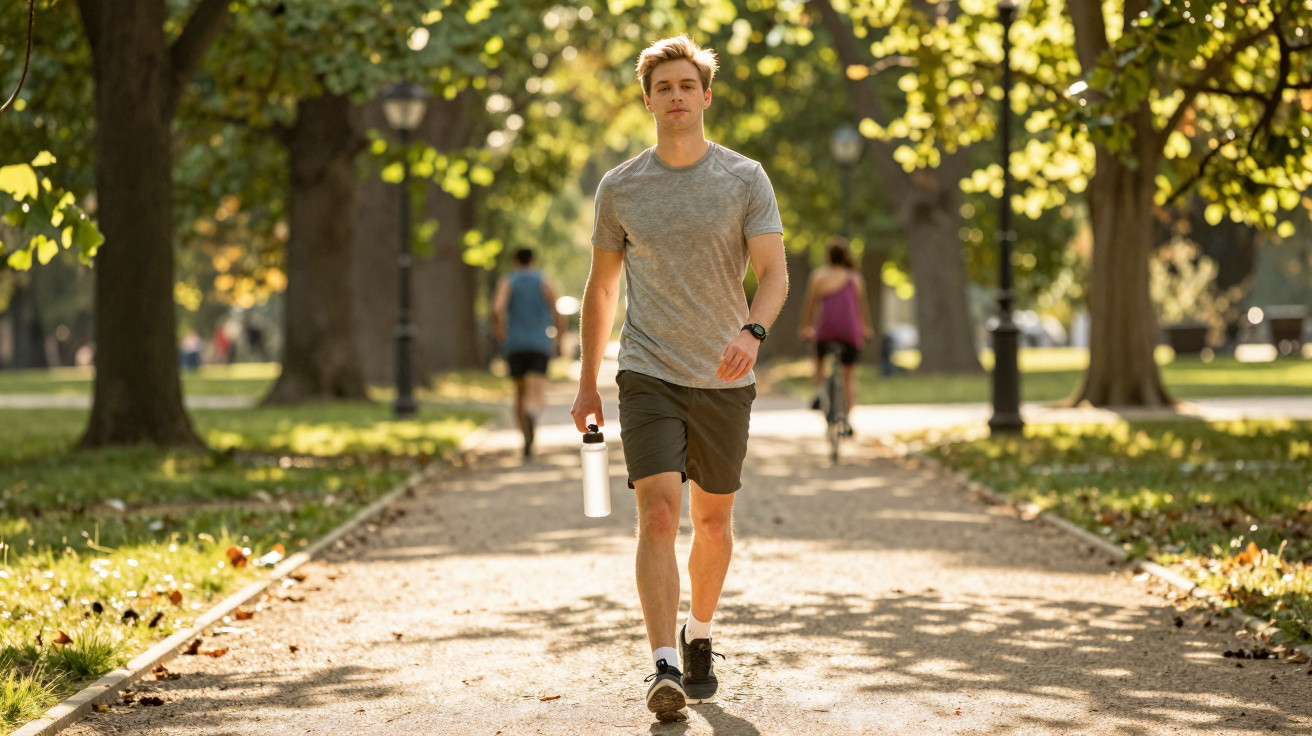
The picture is very different with moderate exercise. A useful rule of thumb is that you should still be able to hold a conversation during the activity without becoming noticeably breathless. Typical examples include:
- brisk walking or easy jogging
- a relaxed bike ride without performance pressure
- gentle swimming without a training plan
- light strength training with longer rests
- yoga, stretching or mobility exercises
This form of exercise can even support sleep. Temperature rises only moderately and then drops again comparatively quickly. At the same time, the body releases tension, muscles become pleasantly tired and the mind feels clearer. Many people report falling asleep much more easily after a 30- to 45-minute evening walk.
“The key is rarely whether you exercise, but almost always how intensely.”
The body clock: why people do not all respond in the same way
Chronotypes: larks and owls do not train under the same conditions
People have different chronotypes. Put simply:
| Type | Characteristic | Response to late exercise |
|---|---|---|
| Lark | awake early, tired early | often reacts sensitively to exercise after 7–8 pm |
| Owl | awake late, tired late | usually tolerates evening exercise better |
What works perfectly for one person (“Running at 9 pm, sleeping at 11 pm, no problem”) can be an ordeal for someone else. Those who generally get up at 6 am and need to be asleep by 10 pm have less room for exercise late in the evening.
Test yourself rather than following a rigid rule: learn to read your body
The most useful approach is a small self-test lasting two to three weeks. A notebook or an app can help. It is worth recording:
- the time of the training session
- the type of activity, such as running, strength training or yoga
- perceived intensity on a scale of 1 to 10
- the time you go to bed
- how long you feel it took to fall asleep and sleep quality the following morning
These notes can reveal patterns. Do certain times or types of workout regularly coincide with a restless night? If so, that is where changes are worth making – for example, finishing 30 minutes earlier, choosing a moderate run instead of HIIT, or deliberately opting for a gentler movement routine on those days.
Practical tips for making evening exercise sleep-friendly
Leave enough time between exercise and bed
Many sleep researchers recommend allowing at least 90 minutes, and preferably two hours, between finishing a workout and going to bed. This gives the body time for:
- body temperature to drop again
- heart rate to settle
- hormone levels to return to normal
A kind of cool-down routine can help: ease off with a walk or gentle cycle, have a shower, do light stretches, perhaps drink something soothing such as herbal tea – then consciously put your phone and laptop aside.
Sports that work well in the evening
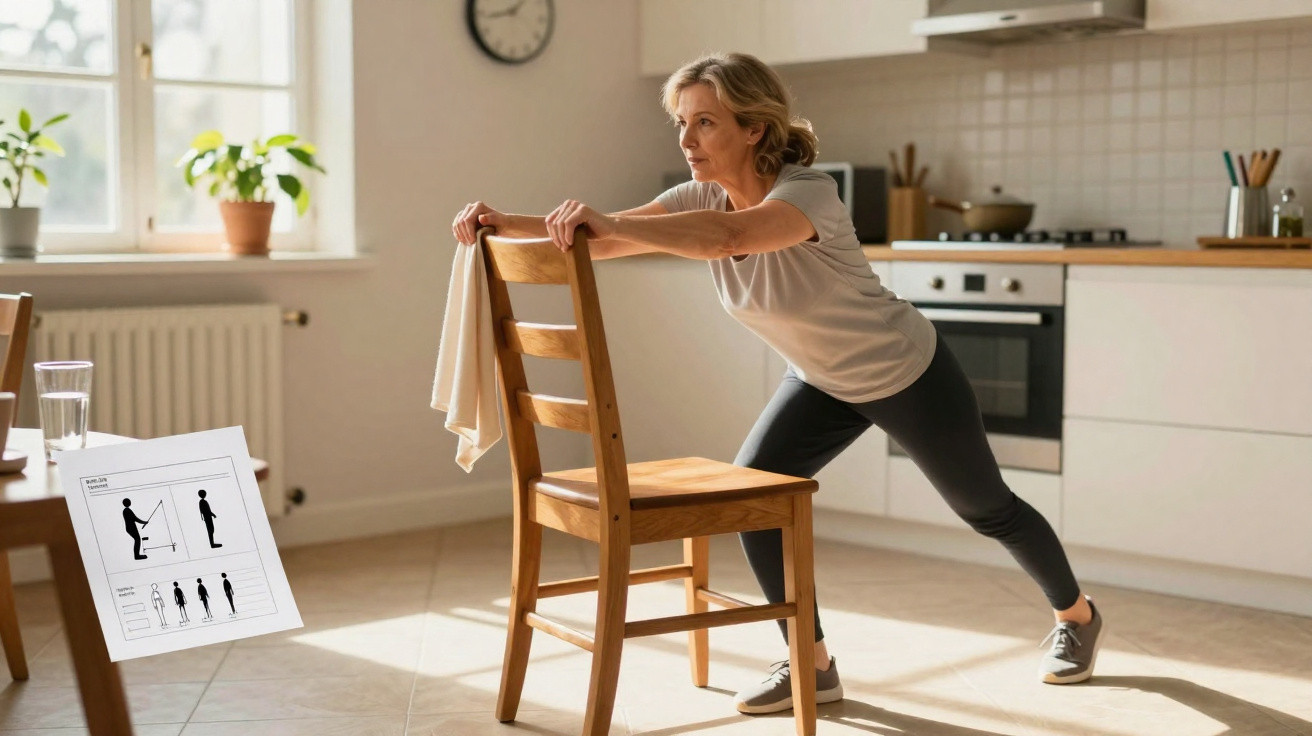
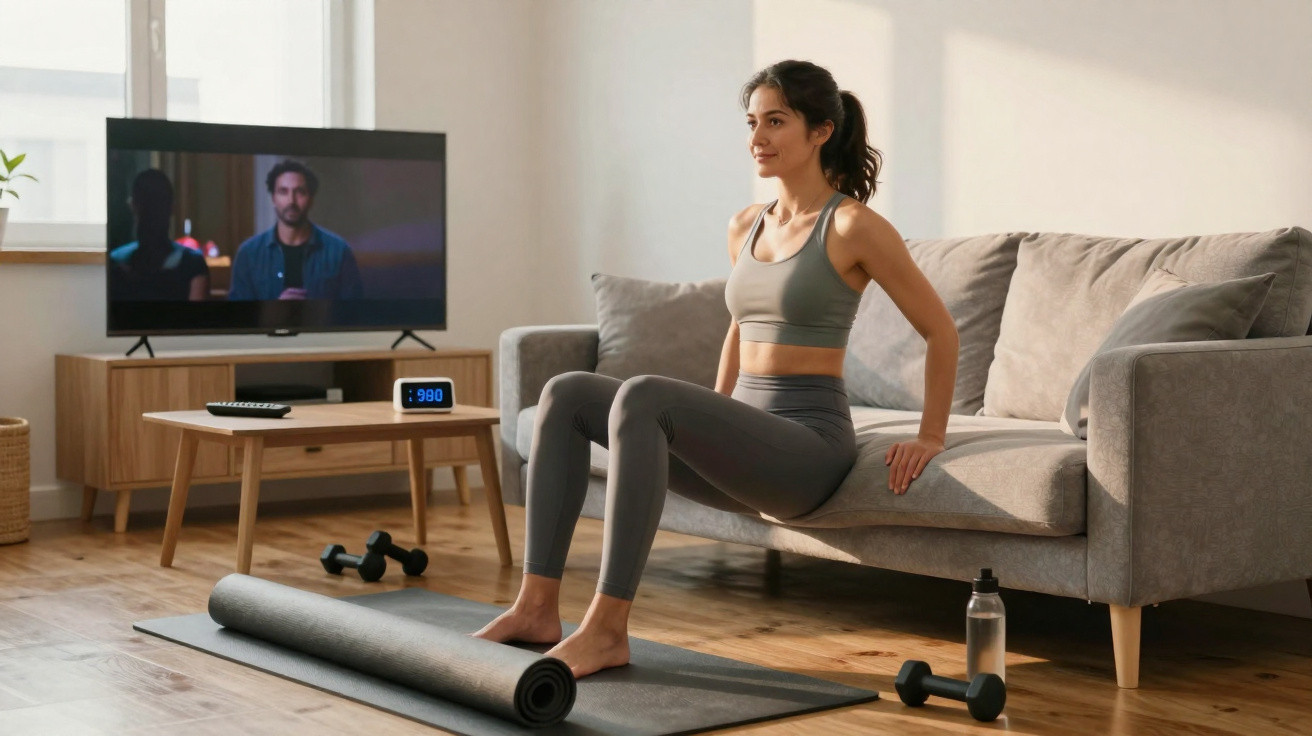
If you have a choice, evening activities that calm rather than stimulate tend to be a good fit. Examples include:
- yoga focused on stretching and breathing
- Pilates with slow, controlled movements
- walks alone or with friends
- light full-body strength training without maximum weights
The important thing is to keep your own ambition in check. A workout that seems relaxed can quickly turn into a competition – even against yourself. Reducing the pace and paying attention to how your body feels rather than performance data creates better conditions for a peaceful night.
When sleep suffers: when a rethink is needed
Late training may not be suitable if clear warning signs build up over several weeks: constant worrying in bed, taking longer to fall asleep, waking during the night or feeling permanently drained in the morning. It is then worth taking consistent action before a sleep pattern becomes established and difficult to correct.
Anyone whose work schedule leaves no alternative to evening exercise can make a major difference with a few small adjustments: limit workout duration, plan two genuinely quiet evenings without exercise, and reserve performance goals for the weekend or morning. If serious sleep problems continue despite these changes, it makes sense to speak to a GP or sleep specialist.
Overall, inactivity is far more harmful in the long term than an occasional late workout. Those who listen to their body’s signals, adjust the intensity and leave a buffer before bedtime can still improve their fitness in the evening without putting their night’s sleep at lasting risk.













Comments
No comments yet. Be the first to comment!
Leave a Comment