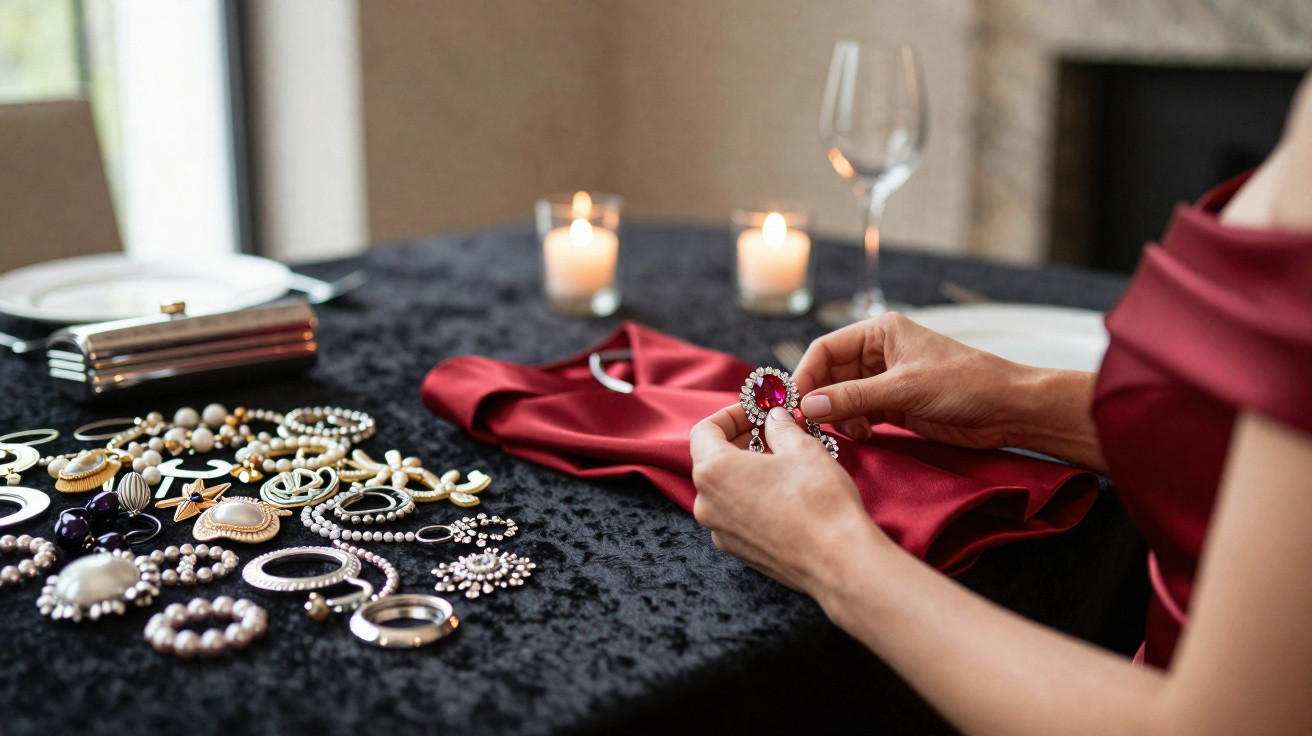
A white sequinned gown, a jewel-toned skirt and a vivid red dress may seem like three completely different approaches to gala dressing. Yet the looks worn by Crown Princess Victoria, Queen Silvia and Princess Madeleine have one useful thing in common: each gives the eye a clear place to land.
That is the trick worth borrowing for a black-tie wedding, charity dinner or winter ball in the UK. You do not need royal jewels or a new outfit from head to toe. Choose one leading feature, then let everything else support it.
The gala formula: choose one thing to lead
A successful formal outfit usually has a visual order. Decide what you want people to notice first: a beautifully cut dress, rich colour, dramatic texture or a special piece of jewellery. Once that choice is made, edit the rest.
In royal gala dressing, a tiara or historic brooch may naturally become the focal point. For most of us, it could be a vintage clutch, sculptural earrings, a striking neckline or a wonderfully textured fabric.
The aim is not to wear every beautiful thing at once. It is to make each piece look as though it belongs with the next.
The three outfits offer different versions of the same idea:
- Queen Silvia’s look shows how tonal dressing can feel polished rather than overly coordinated.
- Crown Princess Victoria’s look demonstrates the impact of texture in a restrained colour palette.
- Princess Madeleine’s gown shows how one confident shade can carry an entire evening outfit.
Queen Silvia: make tonal dressing feel deliberate
Queen Silvia’s outfit paired a decorative skirt with a top in a similar pink-toned shade, finished with sparkling details. The close colour match made the separates read as a complete formal look, while the differing fabrics stopped it from looking flat.
Her jewellery echoed the colours of the outfit without competing with its texture. That is the useful lesson: matching does not have to mean finding identical shades in every accessory. A related tone is often more elegant than an exact one.
How to borrow the idea
- Start with one colour family. Plum, petrol blue, aubergine, forest green, bronze and ink navy all work well for autumn and winter events.
- Vary the finish rather than the shade. Pair satin with crepe, velvet with silk, or a matte dress with a beaded wrap.
- Add one jewellery echo. Coloured glass, smoky quartz, amethyst or garnet-toned stones can pick up the outfit’s mood without looking overly matched.
- Keep the shape clean. If the fabrics and jewellery have plenty of detail, avoid busy prints, extra ruffles and heavily embellished bags.
A skirt and top can also be a sensible alternative to a one-off gown. Wear the skirt later with a fine knit for dinner, or restyle the top with tailored trousers for a festive party.
Crown Princess Victoria: let texture create the drama
Crown Princess Victoria’s pale, high-necked gown relied on lace and sequins rather than bold colour. The long line of the dress and the way its surface caught the light gave it presence, while diamond jewellery and an opalescent brooch added detail without changing the quiet palette.
It is a reminder that neutral eveningwear need not be plain. Black, silver, soft grey, cream and deep navy can look suitably formal when the fabric has depth.
Make pale eveningwear work in real life
White or ivory can feel risky for a wedding guest, as it may be read as bridal in photographs. If you are unsure, check the invitation, ask the couple or choose a softer alternative.
- Try champagne, oyster, dove grey or metallic pewter instead of bright white.
- Look for one standout finish, such as embellished lace, jacquard, sequins, hammered silk or velvet devoré.
- Add contrast with a dark evening bag, metallic shoes or coloured-stone jewellery.
- If your neckline is high or detailed, consider a neat low bun or tucked-behind-the-ear style so the shape remains visible.
Check sequins in daylight before leaving the house. Loose embellishment, rough seams and scratchy lining can make an otherwise lovely outfit uncomfortable over a long dinner.
A neutral outfit becomes memorable when its texture can be seen from across the room and its details reward a closer look.
Princess Madeleine: let red do the talking
Princess Madeleine’s bright red evening gown made colour the main event. With a dress in such a strong shade, the styling did not need many competing elements: the jewellery reinforced the colour story, while the clean shape of the gown remained the focus.
Red can be a straightforward route to a high-impact black-tie look, particularly during the darker months. It can feel celebratory without requiring excessive sparkle or complicated accessories.
Choosing the right red
The most flattering version is often the one that works with your colouring and feels right for the occasion.
- Blue-reds, including crimson and berry, often sit beautifully with silver-toned or clear stone jewellery.
- Warmer reds, such as scarlet, tomato and brick, can work especially well with gold-toned accessories.
- Wine and oxblood offer a quieter option for work functions, formal dinners and winter celebrations.
- Keep shoes simple: black, metallic, nude or a close tonal match will usually be enough.
With a red gown, choose one major accessory: statement earrings, a brooch or an ornate hairpiece. Wearing all three can make the overall effect feel costume-like unless the dress code is exceptionally ceremonial.
Pick your own focal point before you get dressed
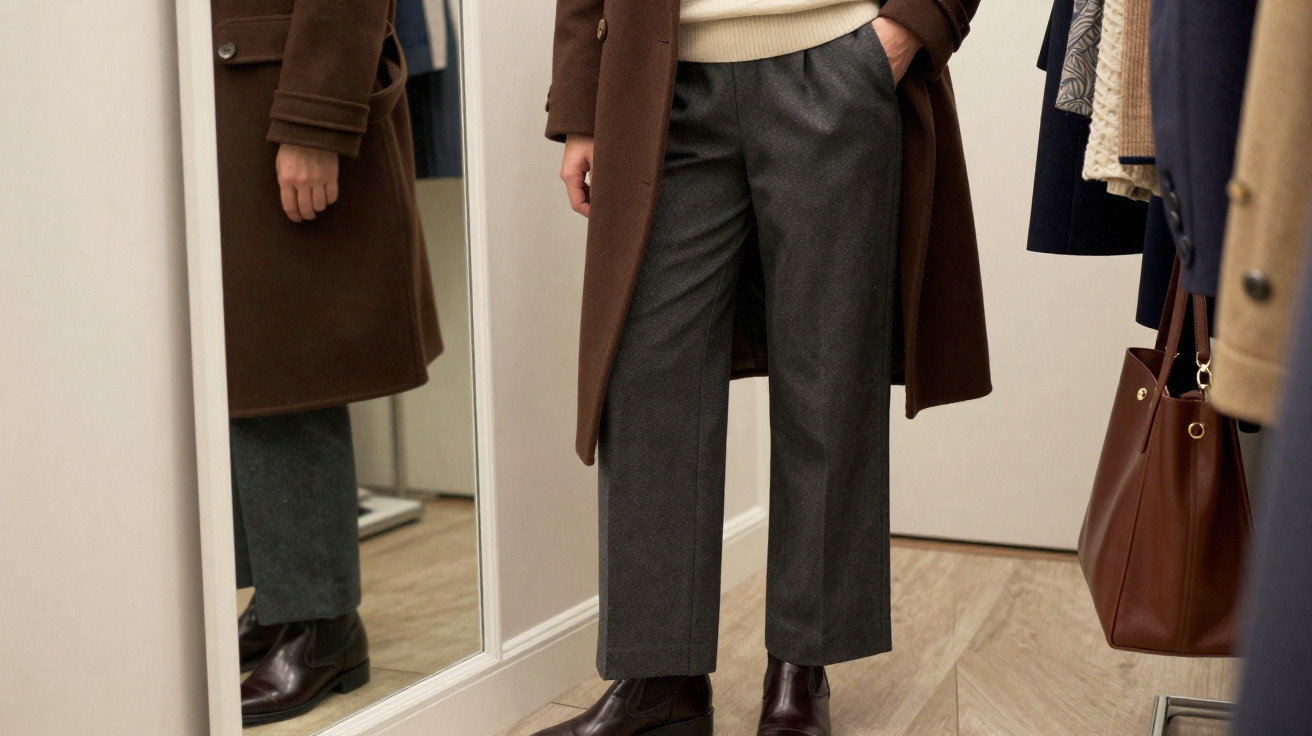
Stand back from the mirror and ask a practical question: what should be noticed first? If the answer is unclear, the outfit may need editing.
Choose one of these routes:
- The dress route: use saturated colour, dramatic drape or embellishment, then keep jewellery refined.
- The jewellery route: wear a simple dark dress or tuxedo-style suit with one vintage or statement piece.
- The silhouette route: focus on a cape sleeve, sharply tailored suit, fluid bias-cut dress or elegant wide-leg trouser.
- The texture route: use velvet, lace, beading or sequins, but limit the colour palette.
This approach is particularly helpful when hiring formalwear or shopping second-hand. Find one excellent piece first, then build around it with shoes, bags and jewellery you already own.
Common mistakes that make gala dressing harder
Formalwear can become less effective when every item is trying to be the star. Watch out for these common problems.
- Too many statement pieces. A sequinned dress, crystal bag, chandelier earrings and glittering hair clip can easily overwhelm one another.
- Ignoring movement. Sit down, walk upstairs, lift your arms and practise using the loo before committing to a gown or trousersuit.
- Choosing a tiny but impractical bag. Your clutch should hold your phone, cardholder, keys, lipstick, tissues and any essential medication.
- Forgetting outerwear. British evenings can turn cold quickly. A wool wrap, tailored coat or evening cape is more useful than a flimsy cover-up.
- Treating rewearing as a failure. Change the hairstyle, shoes, belt, bag or jewellery and a familiar outfit can feel fresh.
Jewellery, hair and comfort checks
Jewellery should be added last, after perfume, hairspray and body lotion have had time to settle. This reduces residue on stones and metal, and helps to keep delicate pieces looking their best.
Before leaving, check that earrings do not pull, brooches fasten securely and necklaces stay comfortable when you move. Heavier clips and combs need a firm anchor, so carry a few spare hairpins in your bag.
If you are borrowing or wearing vintage jewellery, handle it over a soft surface and never force a catch or clasp. Keep valuable items secure while travelling to and from an event, and store pieces separately afterwards to reduce scratching and tangling.
Build a gala look you will want to rewear
The useful lesson from Victoria’s, Silvia’s and Madeleine’s outfits is not that gala dressing requires a palace invitation. It is that an outfit feels more luxurious when it has a point of view.
Start with the item you already love most. Decide whether it is the colour, fabric, shape or jewellery that should lead, then make every other choice support it. That simple edit can make getting ready for a black-tie dinner, winter wedding or formal fundraiser feel far less intimidating - and gives your wardrobe more than one night’s wear.









Comments
No comments yet. Be the first to comment!
Leave a Comment