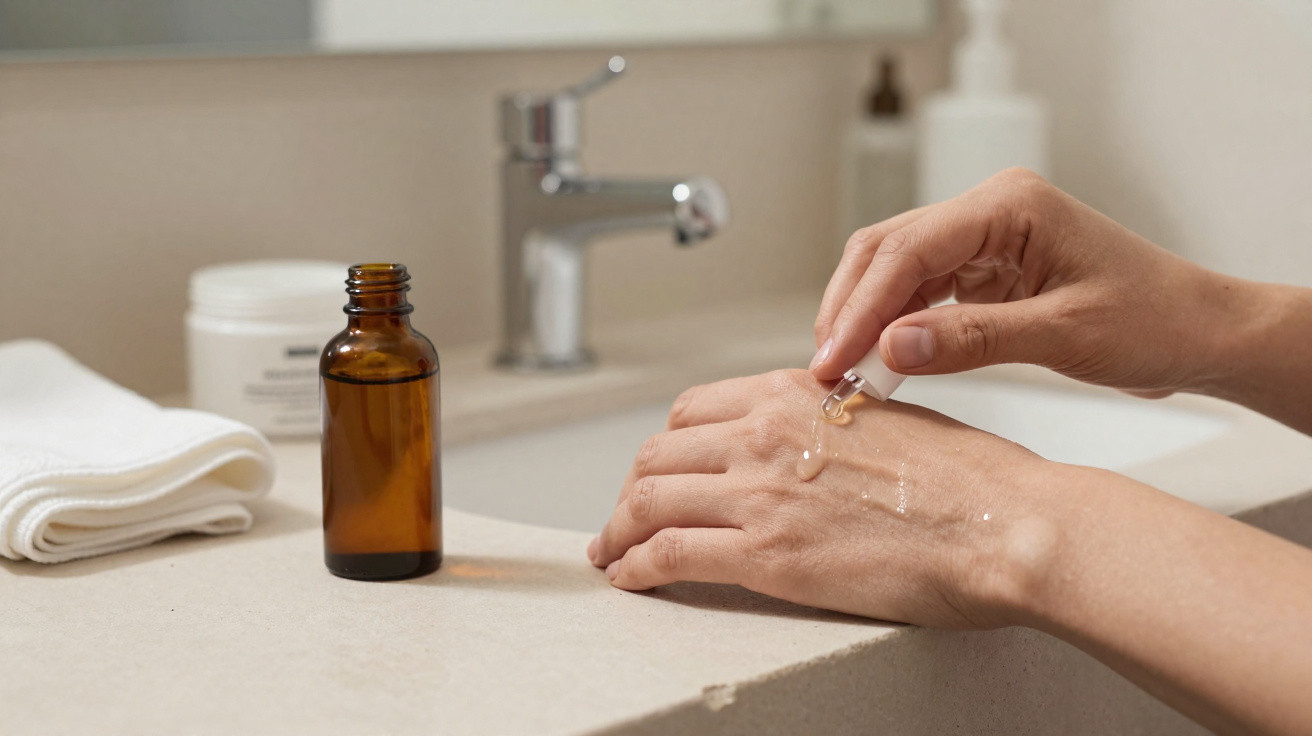
A serum can feel like a worthwhile little luxury, especially when central heating, cold winds and make-up leave skin looking dull or feeling tight. The useful trick is not chasing an overnight transformation: choose a formula that suits your skin, apply a small amount consistently, and use sunscreen in the daytime.
The product named in reports about Amal Clooney’s event beauty preparation is Charlotte Tilbury Magic Serum Crystal Elixir. Celebrity routines and shopper reviews can be interesting, but neither can tell you whether a product will suit your skin. What matters most is the formula, how your skin tolerates it and whether it fits comfortably into your everyday routine.
Look beyond the celebrity connection
A serum marketed for radiance and make-up preparation may appeal if you want skin to feel more hydrated and foundation to sit more smoothly. That is a realistic reason to consider one; it is less realistic to expect a cosmetic product to lift facial contours or erase established wrinkles.
Shoppers sometimes use phrases such as “liquid gold” to describe products they enjoy. Those are personal opinions, not proof of a particular result. Still, they usually point to qualities that many people want from a serum:
- hydration without a heavy or greasy feel;
- a temporarily plumper-looking finish;
- smoother-looking skin beneath make-up;
- a dewy appearance rather than obvious shimmer;
- layers that work well with moisturiser and SPF.
The most useful serum is not necessarily the priciest one. It is one you can use comfortably and consistently without upsetting your skin.
Before buying, check the current ingredient list on the retailer’s page or packaging. Formulas can be updated, and a product that works beautifully for one person can still be unsuitable for another.
Ingredients that may support a hydrated glow
Magic Serum Crystal Elixir is marketed with ingredients including niacinamide, vitamin C and polyglutamic acid. Each has a different role, but the overall finish also depends on the full formula, the amount used and the products layered over it.
Niacinamide
Niacinamide, also called vitamin B3, is common in skincare designed to support the skin barrier and improve the appearance of uneven tone or visible pores. It can be a useful option when skin feels unsettled by dry indoor heating, winter weather or frequent cleansing.
It is not automatically gentle for everyone. Some people experience stinging, redness or small breakouts with niacinamide products, particularly when using several active products at once. Introduce it slowly rather than assuming a tingling sensation means it is working.
Vitamin C
Vitamin C is an antioxidant often used in products intended to make a lacklustre complexion look brighter and more even. It can be helpful as part of a simple morning routine, but it will not replace sun protection or reverse sun damage.
Keep vitamin C products tightly closed and out of direct sunlight, as some forms can become less stable over time. If a product changes markedly in colour, smell or texture, follow the manufacturer’s storage and replacement advice.
Polyglutamic acid
Polyglutamic acid is a humectant, meaning it helps draw and hold water at the skin’s surface. It can give skin a bouncy, dewy look, especially when applied beneath moisturiser.
Humectants are not a substitute for moisturiser. A serum adds hydration, while moisturiser helps reduce water loss from the skin. In a heated UK home during autumn and winter, using both can make a noticeable difference to comfort.
What “wrinkle-firming” can honestly mean
Terms such as firming, smoothing and wrinkle-minimising can sound more dramatic than the results most cosmetic skincare can deliver. A hydrating serum may soften the appearance of fine dehydration lines because the skin surface is better moisturised. It may also make texture look smoother immediately before make-up.
It cannot physically lift the face or permanently remove deeper lines. Skin changes naturally over time and is influenced by genetics, sun exposure, smoking, sleep, stress, illness and many other factors, not just a skincare routine.
A fair expectation is skin that feels more comfortable and looks more hydrated after application. If a product agrees with you, you may notice gradual improvements in the appearance of radiance or texture over several weeks. Take photographs in the same natural light if you want to compare results; memory is often unreliable.
Hydration can make fine lines look softer, but it is not the same as changing the structure of the skin.
How to use a hydrating serum
You do not need a complicated ten-step routine. A few well-layered products are often easier to maintain and less likely to cause irritation.
1. Start with clean, slightly damp skin
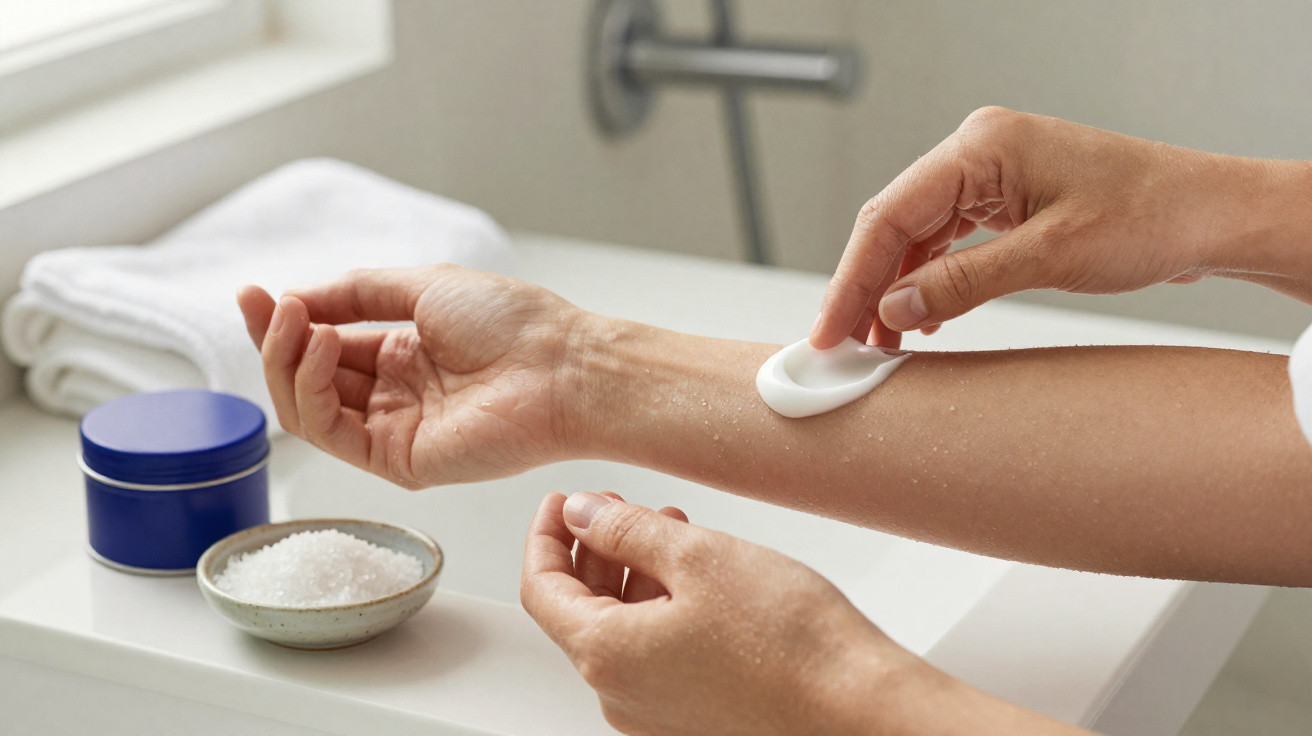
After cleansing, pat your face until it is no longer dripping but still slightly damp. Apply a small amount of serum with clean hands, pressing gently over the face and neck. Avoid rubbing hard, which can irritate sensitive skin.
2. Seal it in with moisturiser
Allow the serum to settle briefly, then apply moisturiser. Lighter gel-creams can suit oily or combination skin, while dry skin may prefer a richer cream, particularly at night.
If your skin feels tight despite using a hydrating serum, it may be a sign that you need a more suitable moisturiser rather than extra layers of serum.
3. Use SPF in the morning
Apply a broad-spectrum sunscreen of SPF 30 or higher as the final skincare step before make-up. Cover the face, ears and neck, following the product’s directions for use and reapplication.
Daily sun protection is one of the most practical habits for helping to limit further sun-related uneven tone and premature skin ageing. It remains relevant on cloudy days in the UK, particularly when spending time outdoors or near windows.
4. Introduce other actives carefully
If you use retinoids, exfoliating acids, benzoyl peroxide or prescribed topical treatments, add only one new product at a time. This makes it much easier to work out what is causing a reaction if your skin becomes sore or flaky.
Make-up prep without pilling
A serum can help base make-up look fresher, but too many products applied too quickly can cause foundation to pill, separate or collect around the nose and chin.
For a smoother finish before an occasion:
- use one small pump or the amount suggested on the packaging;
- wait a minute or two before moisturiser;
- give sunscreen time to form an even layer before primer or foundation;
- apply thin layers of complexion product, building coverage only where needed;
- press foundation on with a damp sponge or clean brush rather than dragging it across the skin.
Primer may blur the look of pores and texture temporarily, but it cannot shrink pores permanently. Similarly, a luminous serum can improve the immediate cosmetic finish without being a cure for every skin concern.
Common mistakes to avoid
Using too much product
More serum does not mean more benefit. Excess product can feel tacky, make sunscreen harder to apply evenly and encourage make-up to roll.
Buying several new products at once
A new serum, acid toner, retinoid and moisturiser all introduced together make irritation more likely and troubleshooting almost impossible. Change one thing, then give your skin time to respond.
Skipping a patch test
Patch test a new product before using it across your face, particularly if you have reactive skin or known allergies. Apply a small amount to an inconspicuous area as directed, and stop if you develop irritation.
Treating redness as a normal stage
Persistent burning, itching, swelling, hives, a rash or worsening redness are not signs that skincare is “working”. Stop using the product. Seek advice from a pharmacist, GP or dermatologist if symptoms are severe, affect the eyes or do not settle.
Forgetting sunscreen
Brightening and smoothing products are not a replacement for sun protection. SPF is particularly important when your routine includes exfoliating acids or retinoids.
Safety notes and a sensible verdict
Keep skincare away from the eyes unless it is specifically designed for that area, and do not apply active products to broken, sunburnt or very irritated skin. If you have eczema, rosacea or a damaged skin barrier, or you use prescribed skin treatment, ask a pharmacist or dermatologist before making several changes to your routine.
Avoid DIY substitutes such as lemon juice, bicarbonate of soda or undiluted essential oils. They can irritate the skin. Household cleaning products, including bleach, must never be used on skin or mixed with skincare.
Charlotte Tilbury Magic Serum Crystal Elixir may suit someone who enjoys a premium, hydrating product that also works as make-up preparation. It is not essential for achieving a rested-looking complexion, however. A modestly priced humectant serum, a suitable moisturiser and reliable daily SPF can be an equally sensible routine.
If you decide to try any new serum, start with a small amount once a day, watch how your skin responds and give it a few weeks before judging it. The best result is not an instant miracle; it is skin that feels comfortable and works well with the products you already use.











Comments
No comments yet. Be the first to comment!
Leave a Comment