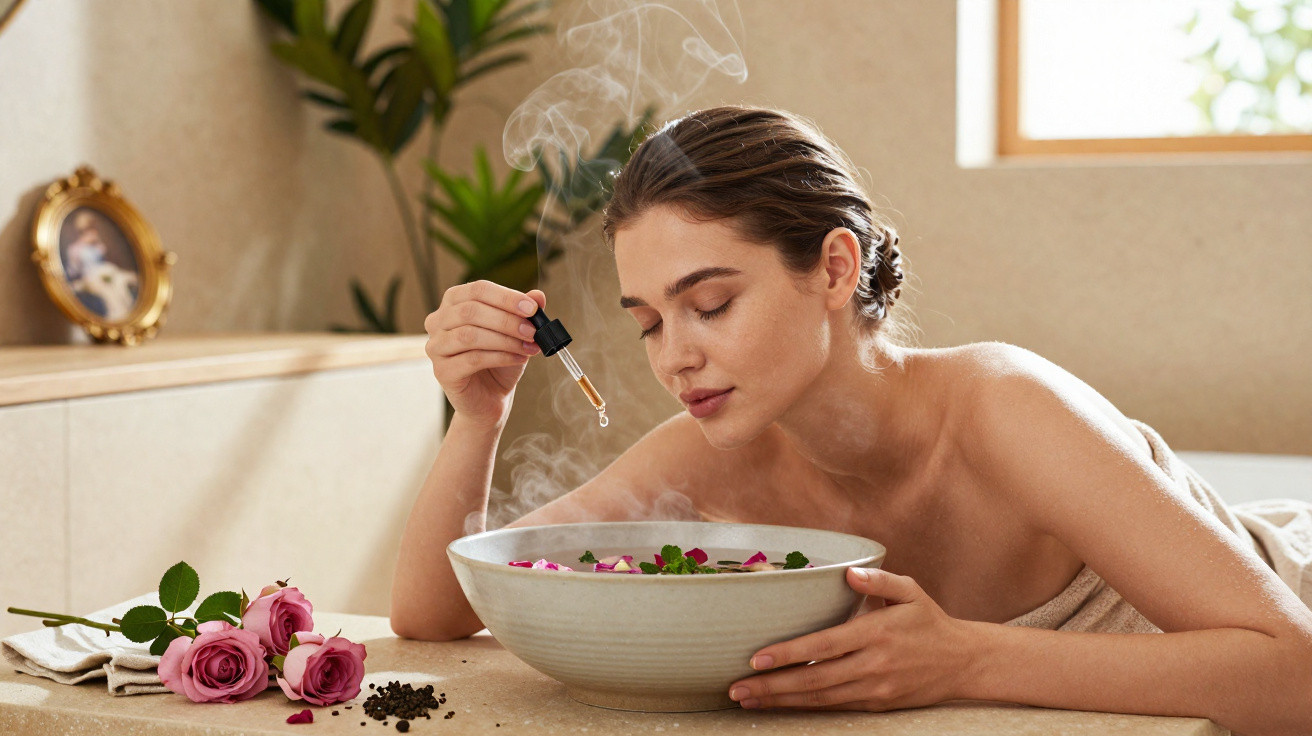
More and more people are passing over high-tech serums and 20-step routines in favour of straightforward plant-based recipes that were already popular in the late Middle Ages. One ingredient in particular stands out: rose water. Once reserved for queens, it is now returning to ordinary bathrooms, with remarkable benefits for stressed skin.
How courtly secrets became a modern skincare trend
In the Middle Ages, personal care meant more than simply washing. In wealthy households and princely courts, fragrant infusions, herbal baths and floral waters were part of upper-class daily life. Herbalists blended elaborate preparations from flowers, leaves and roots, intended to soothe, smooth and soften the skin.
Noblewomen had herbalists prepare blends tailored precisely to their complexion. Much of this knowledge later disappeared into forgotten manuscripts or was dismissed as “grandmother’s remedies”. These recipes are now attracting fresh attention, driven by the desire for fewer chemicals and more transparent ingredients.
What once seemed alchemical now fits the trend perfectly: simple formulas, short ingredient lists and clearly noticeable effects.
Rituals featuring herbal steam and floral water
A typical routine of the period might include a rosemary facial steam after morning washing, lavender in the rinse water, and rose water as a luxurious finishing touch for special occasions. Skincare had an almost ritualistic quality: it was designed to cleanse, but also to engage the senses.
The fragrance of herbs was especially important. Rosemary was thought to be invigorating, lavender balancing and chamomile soothing. Premium floral waters were precious and used sparingly. It is precisely this combination of effectiveness and sensory pleasure that makes these rituals appealing again today.
Why skin is calling for a return to basics right now
Many bathroom cabinets are filled with products that promise more than they deliver. Long INCI lists, difficult-to-pronounce substances and a constant stream of new active ingredients tend to create uncertainty rather than glow. At the same time, many people struggle with sensitive skin that becomes irritated quickly.
Sensory overload from modern cosmetics
Applying several layers of serum, cream, exfoliant and make-up every day places a considerable burden on the skin. There is also air pollution, central-heating air, UV radiation and stress to contend with. It is hardly surprising that a counter-trend is emerging: fewer products, but high-quality ingredients that are as unprocessed as possible.
- Avoiding unnecessary fragrances and colourings
- A streamlined skincare routine with a few well-tolerated steps
- A focus on plant-based active ingredients with a long history
- Greater self-care rather than merely “correcting flaws” in the skin
What rose water and herbs can demonstrably do
Plant extracts contain natural antioxidants, tannins and secondary plant compounds. They help neutralise free radicals, reduce inflammation and support the skin barrier.
Rose water has a mildly astringent effect, meaning it can refine the appearance of pores and reduce redness. Its gentle acidity can help stabilise the skin’s pH level. At the same time, it has a delicate scent that turns the ritual into a small mental break – a detail that is often underestimated in everyday life.
Many people who incorporate rose water into their routine report a more even complexion, less tightness and a fresh, “awake” appearance to their skin.
Rose water facial steam bath: how the ritual works
The appeal of this trend is that it feels luxurious while being easy to recreate with simple ingredients. A rose water herbal steam bath can be prepared at home without any specialist equipment.
Basic recipe for a fragrant facial steam bath
For a classic ritual inspired by earlier centuries, use good-quality dried or fresh herbs. Organic produce or herbs from a farmers’ market are ideal. One possible recipe includes:
- 500 millilitres of still mineral or filtered water
- 2 tablespoons of dried rose petals or 3 tablespoons of pure rose water
- 1 tablespoon of dried chamomile flowers
- 1 tablespoon of dried lavender flowers
- 1 sprig of fresh rosemary
Bring the water to a simmer, remove it from the hob, add the herbs, cover and leave to infuse for around ten minutes. Then transfer the mixture to a heatproof bowl.
Step-by-step guide to the ritual
- Cleanse the face thoroughly and remove all make-up.
- Place the bowl of herbal infusion on a sturdy table.
- Position yourself above it with your upper body slightly bent forwards.
- Drape a towel over your head and the bowl so that the steam cannot escape.
- Breathe calmly for five to ten minutes, keeping your eyes closed.
- Afterwards, gently pat the face dry.
- Apply a little rose water to a cotton pad and use it as a toner.
- Finish by massaging in a few drops of a light plant oil, such as jojoba or almond oil.
This routine can easily be incorporated once a week in the evening, perhaps as a small Sunday ritual.
What effects users can realistically expect
Anyone expecting a miracle cure after a single use is likely to be disappointed. Noticeable changes tend to develop gradually, although some effects are often apparent from the first session.
Changes immediately after use
The warmth of the steam opens the pores, allowing sebum to drain more easily and dead skin cells to loosen more readily. The face may look rosier, softer and plumper. Many people describe a pleasantly “light” feeling, as though their skin can breathe more freely.
During the heating season, when the air is dry and skin feels tight, moist herbal steam can offer additional relief. Redness may ease slightly, particularly when chamomile or lavender are included.
Long-term benefits with regular use
People who maintain the ritual over several weeks often notice:
- a more refined-looking complexion
- fewer clogged pores in the T-zone
- noticeably less tightness after cleansing
- a calmer appearance in skin prone to redness
There is another benefit, too: setting aside time for yourself often reduces stress levels. The scent of the herbs, the warm water and the conscious break from a phone all create a mini spa experience at home. Stress, in turn, is regarded as one of the biggest triggers of skin problems.
How to tailor the ritual to your skin
Not all skin reacts in the same way to the same plants. Anyone prone to allergies should test new herbs or floral waters in a small amount first, for example in the crook of the arm.
Examples of useful herb combinations
| Skin type | Suitable plants | Possible effect |
|---|---|---|
| Sensitive skin | Chamomile, rose, mallow | Soothing, mildly anti-inflammatory |
| Combination skin | Lavender, rosemary, rose | Balancing, pore-refining |
| Dry skin | Lime blossom, rose, calendula | Comforting, supportive of the skin barrier |
| Blemish-prone skin | Sage, thyme, lavender | Clarifying, sebum-regulating |
Instead of a steam bath, rose water can also be used as a facial mist: spray it on after cleansing, leave it to work briefly, then apply your usual cream. Many people also use it over make-up during the day to refresh their complexion.
What to consider: the benefits and limits of the trend
As tempting as the hype around “medieval” rituals may sound, not everything old will automatically suit every skin type. Pure rose water should ideally be free from alcohol, as alcohol can be drying. Rose fragrance in conventional cosmetics is often made up of synthetic perfume ingredients, which can cause problems for sensitive skin.
Anyone with rosacea, severe eczema or acute acne should discuss these applications with a dermatologist first. In some cases, steam may stimulate circulation too strongly and worsen symptoms.
When used correctly, however, this trend can make an exciting addition to conventional skincare. It does not replace medical treatment, but it can enhance a daily routine with greater mindfulness, less clutter in the bathroom cabinet and a touch of historical elegance in everyday life.






Comments
No comments yet. Be the first to comment!
Leave a Comment