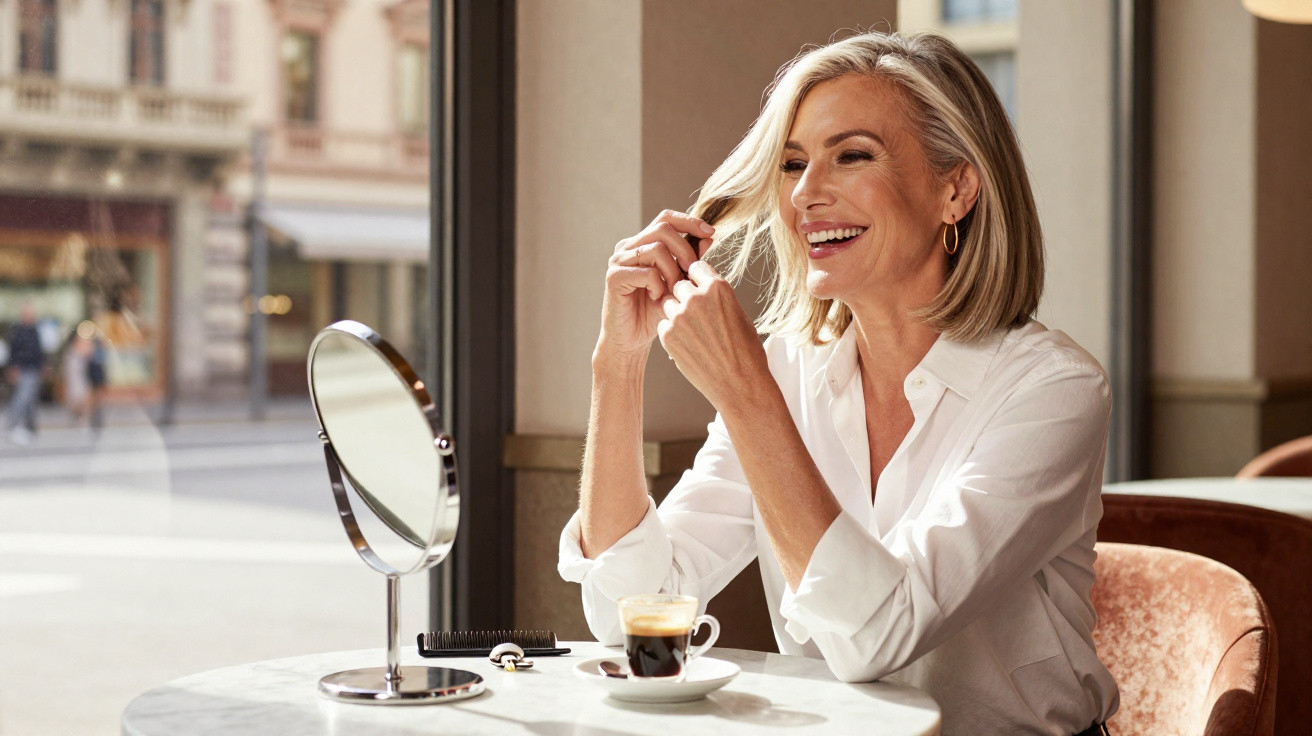
Finding the right look after maturity can profoundly transform a woman’s self-esteem. European style shows that the right choice enhances natural features, bringing out the beauty of the hair with practicality in a mature look.
How does Italian style refresh a mature look?
Italian women are global references for effortless sophistication. They often choose functional cuts that make the most of natural texture, allowing the transition to feel light while adding plenty of style to everyday life.
The central idea behind this aesthetic approach is to avoid drastic changes that alter someone’s personality. Instead, it focuses on enhancing facial lines with precise techniques, offering excellent ways to maintain an appearance that feels young and modern.
The leading benefits of this European trend include:
- Ideal framing: Enhances the contours of the face harmoniously.
- Italian touch: Delivers refined elegance without demanding extensive daily effort.
- Complete practicality: Makes the care routine easier, whether at the salon or at home.
- Natural enhancement: Works beautifully with grey hair and mature textures.
- Soft layers: Adds movement and lightness without taking away too much length.
Which two haircuts do Italian women prefer?
The well-known long bob stands out as an excellent choice for anyone wishing to keep medium-length hair elegant. This style creates an elongated base that immediately gives the hair a naturally flowing finish.
Meanwhile, the classic pixie cut is ideal for women seeking maximum convenience. This short style frames the face softly, creating a rejuvenating look with plenty of personality and considerable appeal.
Below is a video from the Eleganza-Stile Over 50 YouTube channel, which explores the details of these sophisticated haircuts in greater depth:
How does visagism help select the best style?
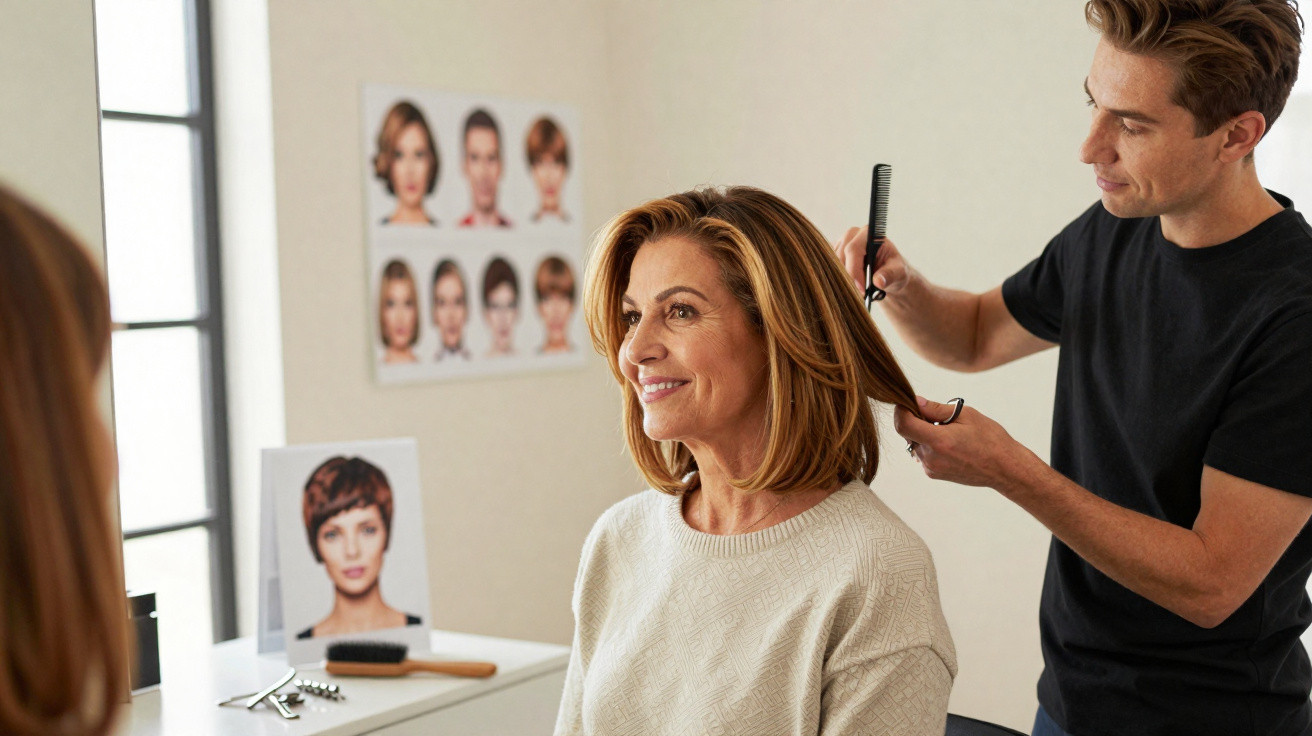
Modern visagism considers each woman’s individual characteristics before any change is made. This technique assesses face shape, facial lines and lifestyle to identify which option will provide the greatest balance and sophistication.
Visagism and facial framing
The harmony of lines
The secret of Italian style lies in the perfect balance between the haircut and the face shape of every mature woman.
With this personalised assessment, a professional can soften prominent features and highlight natural elegance without sacrificing practicality.
Choosing soft layers can help soften strong features after the age of sixty. Their light fall reduces heaviness, ensuring the hair creates a delicate, youthful and highly harmonious outline for today’s feminine appearance.
The main criteria specialists assess during this process include:
- The anatomical shape of the jawline.
- The hair’s natural texture and current density.
- The client’s daily styling routine.
Why are soft layers essential?
Light layers distribute volume, preventing the hair from losing its natural movement. This cutting technique produces a gradual transition and a fluid shape that enhances the look in an elegant way.
For those with grey hair, this method creates the impression of greater density. Subtle layering removes split ends without reducing length, keeping the hair structure strong, healthy, attractive and full of exceptionally sophisticated movement.
The practical effects noticed soon after this hair procedure include:
- Less excessive weight at the ends.
- A noticeable increase in volume at the crown.
- Easier styling of the sections at home.
How can you keep the haircut impeccable every day?
Regular salon maintenance preserves the original shape and supports hair health. Consistent appointments prevent the layers from growing out, leaving the outline neat, clean, light and perfectly suited to a routine with plenty of charm.
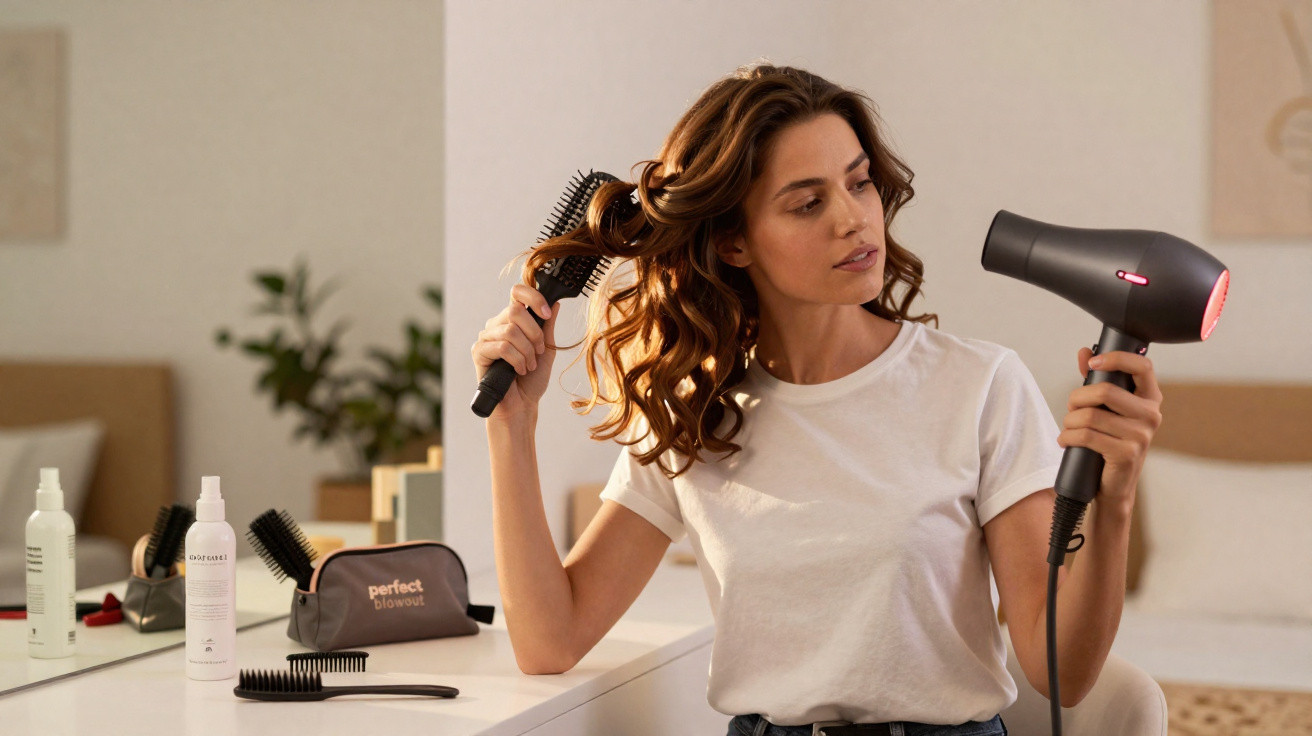
In addition, using lightweight styling products helps bring out the movement. Suitable creams activate soft layers without making them heavy, ensuring the hair remains silky, flexible and has the desired salon finish in a thoroughly practical way.
Read also: The perfect haircut for women over 50













Comments
No comments yet. Be the first to comment!
Leave a Comment