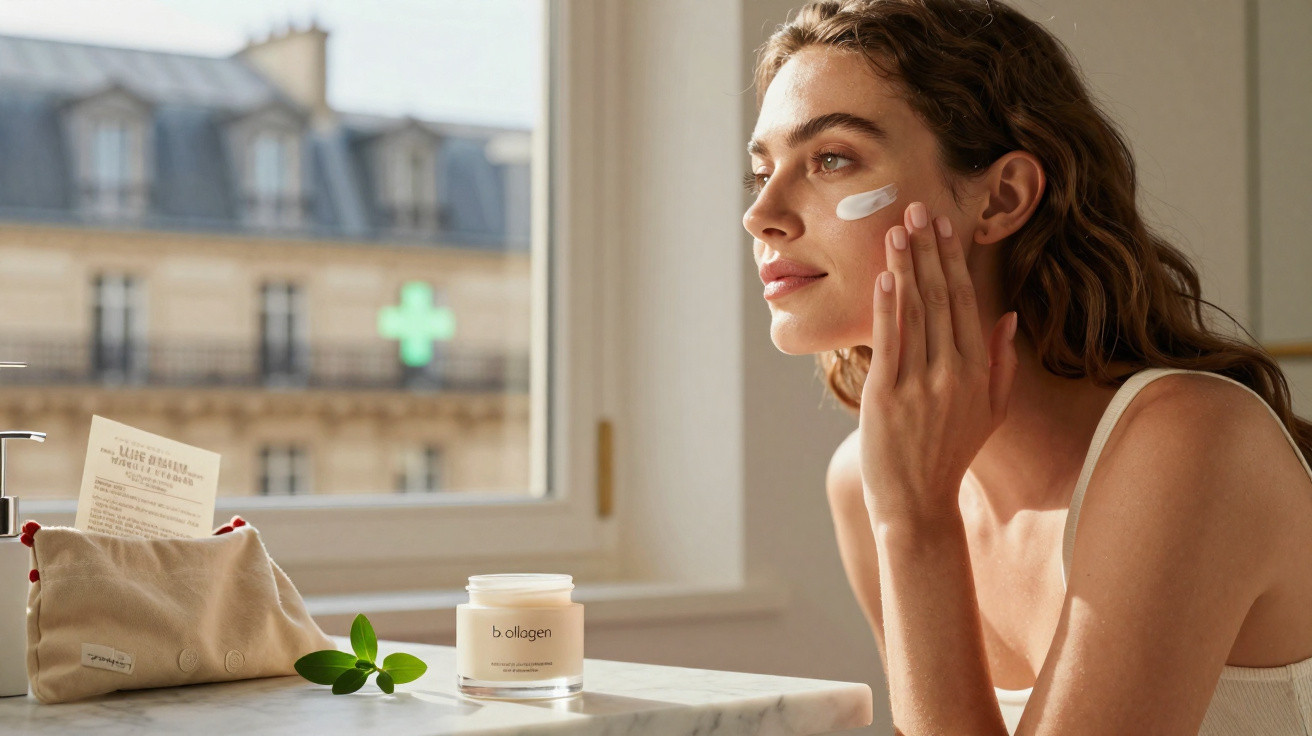
A beige jar of cream is reportedly selling every minute in French pharmacies, thanks to claims that it smooths wrinkles, makes skin look plumper and delivers all this with a fully natural, certified organic formula. Review apps award it top marks, while beauty awards keep mounting up – prompting many to ask: what can this collagen cream really achieve, and who is it worth buying for?
Why collagen becomes such a major concern from 30 onwards
Collagen forms the supporting structure of the skin. It helps the face look firm, keeps contours defined and allows skin to spring back when gently pinched between two fingers. From around the age of 25, however, the body begins producing less of it. After turning 30, collagen levels continue to decline a little further each year on average.
This usually becomes noticeable gradually:
- the first fine lines on the forehead and around the eyes
- a complexion that appears more tired
- cheeks that look slightly less plump
- skin that feels tight more quickly and appears drier
Using moisturiser alone can nourish the surface, but it does not address the deeper cause: the weakening collagen framework. This is where modern anti-ageing products aim to help, by targeting collagen either directly or indirectly.
The high-selling organic cream: what is behind it
The currently popular cream comes from the brand Krème and ranks among the leading anti-ageing organic skincare products in many French pharmacies. It has received several awards, including respected beauty prizes, and has achieved Yuka’s maximum score of 100/100 points. For users who prioritise transparency and clean formulations, this is a strong indication.
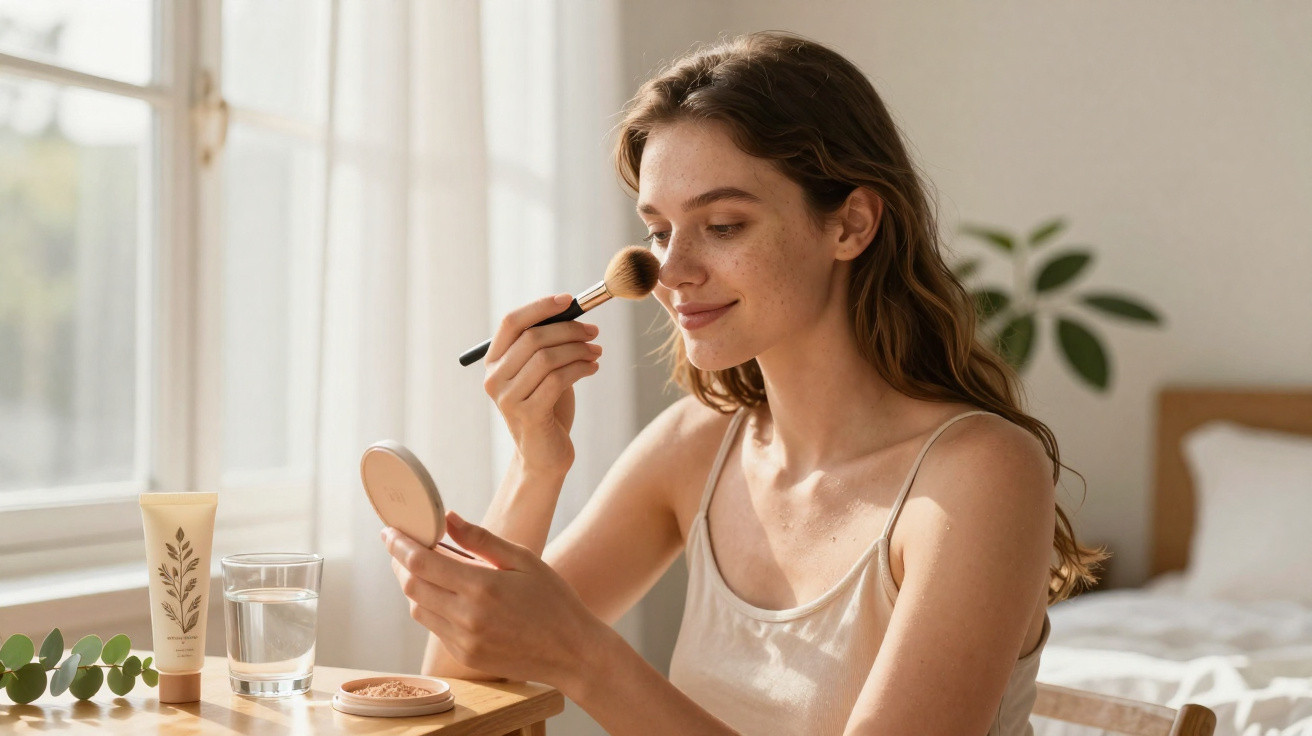
Supplied in a 50 ml jar, the product is intended to last around three months when applied morning and evening. It is aimed primarily at normal to dry skin, including sensitive skin. The texture is said to feel concentrated yet lightweight, absorb quickly and leave no greasy film. According to the manufacturer, it can also be used under make-up without causing foundation to slide more easily or apply patchily.
The manufacturer promotes 100% ingredients of natural origin, certified organic quality and a formulation that is also said to be suitable during pregnancy and breastfeeding.
Plant-based pro-collagen instead of animal collagen
The formulation takes an interesting approach: rather than using conventional collagen from animal sources, Krème uses what it calls a plant-based pro-collagen complex. Three per cent of this blend is intended to stimulate the skin’s own collagen production, instead of simply creating a film on the surface.
This plant-based pro-collagen is the central component of the cream and is combined with further ingredients:
- Plum kernel butter – a rich plant-derived lipid that cares for dry areas, is intended to make skin more supple and may provide a subtle radiance.
- Probiotic active ingredients – these target the skin microbiome, meaning the natural bacterial flora on the skin’s surface. A more stable microbiome may reduce redness, soothe irritation and make the skin barrier more resilient.
The principle is that skin with an intact protective barrier tolerates stronger anti-ageing ingredients more effectively and is less likely to react with tightness or dry patches. Rather than aggressively “fighting” wrinkles, this approach aims to bring the overall skin environment into a more stable condition.
Who is this Krème cream suitable for – and who should avoid it?
The cream is clearly targeted at people with dry or normal skin who want greater comfort and less tightness. Especially from the age of 30, when early lines around the eyes and mouth become more visible, a richer yet still lightweight formulation can feel like a small restorative treatment for the face.
Anyone with very oily skin or skin that is highly prone to blemishes should discuss the purchase with a dermatologist or pharmacist first. In this situation, richer textures may be too much and could worsen blemishes, even when the ingredients are generally formulated to be skin-friendly.
Measurable results: what the manufacturer’s tests promise
Krème refers to its own internal efficacy tests. According to these, after around four weeks of daily use, the cream is expected to provide the following results:
| Measurement | Promised change |
|---|---|
| Skin elasticity / “bounce” | +25 % |
| Wrinkle depth | up to 27 % less visible |
In everyday use, many people first notice that their skin feels better moisturised. Feelings of tightness ease and the face appears fresher. After a little longer, wrinkles may look less pronounced because the skin surface becomes plumper and reflects light more evenly.
Important: These claims are based on the manufacturer’s own tests. The extent of actual results always depends on the starting condition of the skin, lifestyle and the rest of the skincare routine.
When is it worth starting collagen skincare?
Krème positions this cream primarily for people aged 30 and over. This is often when the first fine lines appear and many people begin to feel that a basic moisturiser is no longer enough. The cream can then be used daily to preserve so-called collagen capital for as long as possible.
The formulation may also suit people in their forties and fifties, when the focus is less on prevention and more on supporting skin as firmness declines. Anyone who already has deeper wrinkles should keep their expectations realistic: no jar in the world can replace an injection or professional medical needling. Well-formulated skincare can, however, noticeably improve the skin’s overall appearance and soften signs of ageing.
How to incorporate the cream into a daily routine
For an anti-ageing cream to work, consistency matters above all. Krème recommends applying it to thoroughly cleansed skin in the morning and evening. The following order makes sense:
- Use a gentle cleanser to remove make-up, sunscreen and dirt.
- Optionally apply a hydrating serum containing hyaluronic acid or glycerin.
- Massage the collagen cream gently into the face and neck.
- In the morning, finish with a sunscreen product with at least SPF 30.
Anyone already using a retinol product can apply it first on most evenings and then “buffer” it with the collagen cream. The cream then adds a protective, soothing layer and reduces some of the potentially harsh effect of retinol.
How long does a jar last – and when do the first changes appear?
With two applications daily and a small amount – roughly the size of a pea – a 50 ml jar should last several weeks, usually around three months. This places the cream within the usual range for high-quality pharmacy facial skincare.
The first noticeable changes generally appear after a few days to two weeks: skin feels softer, while dehydration lines around the mouth and eyes look less marked. According to the brand’s information, wrinkles and elasticity are measurably affected after around four weeks, provided the product is used consistently.
What does organic anti-ageing actually mean – and what are its limits?
Many people still associate “organic” with pure natural oils and very simple formulations. Modern organic anti-ageing creams take a different route: they combine natural raw materials with biotechnologically produced active ingredients designed to target wrinkles, firmness and skin texture. This may involve fermentation processes, plant extracts with high levels of active compounds or probiotic components for the microbiome.
There are still limits, however. A cream cannot remodel the shape of the face, and deeply etched wrinkles will not disappear. It can nevertheless:
- make the complexion look more even
- slow moisture loss
- strengthen the skin barrier
- make skin appear plumper, visually shortening the appearance of wrinkles
Anyone taking a realistic approach to anti-ageing should combine skincare with sun protection, sufficient sleep, as little nicotine as possible and moderate alcohol consumption. UV radiation destroys collagen far more quickly than any cream can rebuild it. In this respect, collagen cream complements a healthy lifestyle – it does not replace one.
For many people seeking a gentle, organically certified alternative to heavily fragranced or very chemical-seeming products, Krème’s approach strikes a chord: natural ingredients, a measurable anti-ageing focus and a texture that fits effortlessly into daily life – whether working from home, in the office or as a base beneath favourite make-up.













Comments
No comments yet. Be the first to comment!
Leave a Comment