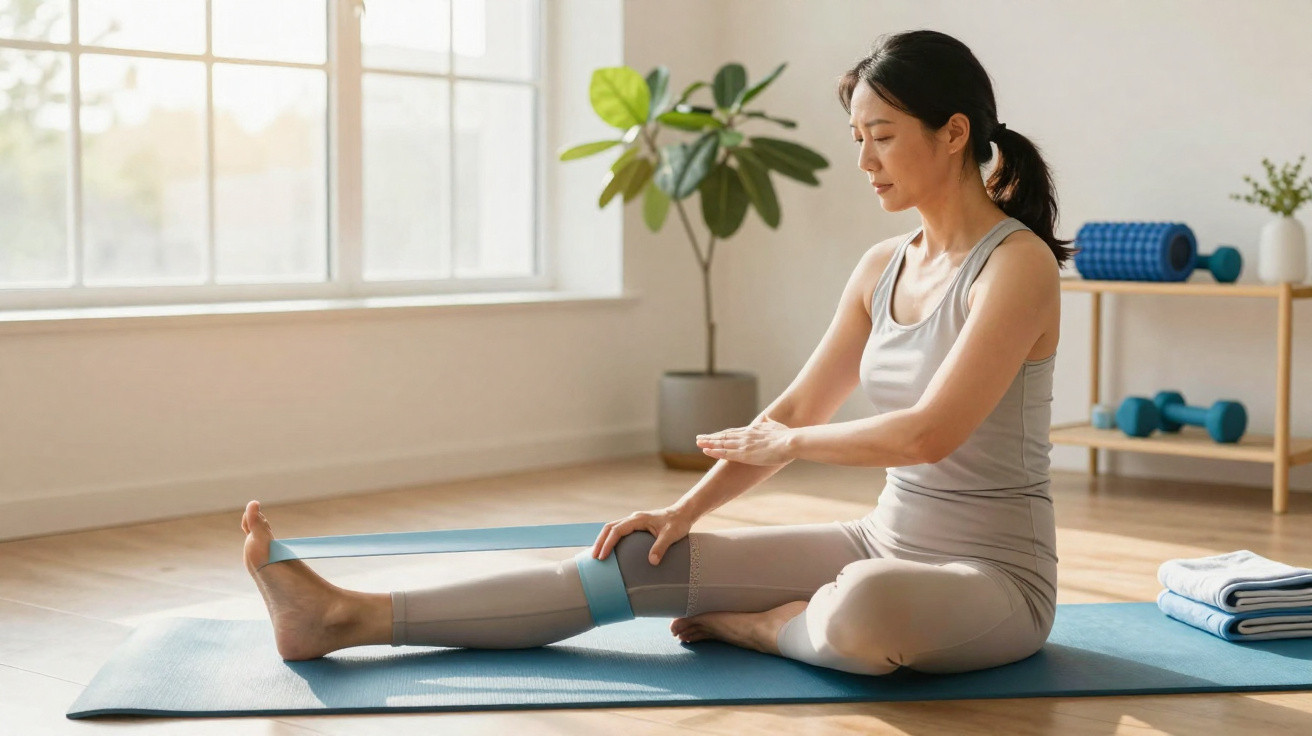
Knee pain is among the most common musculoskeletal complaints in everyday life. It may occur when climbing stairs, after a long walk or even while resting, and many people stop moving because they fear making the problem worse. However, keeping the joint still for too long generally increases stiffness, loss of strength and feelings of instability, whereas appropriate movement helps maintain mobility and confidence when walking.
Why does controlled movement protect the knees?
The best exercises for the knees are those that build the muscles around the joint, support circulation and preserve range of motion. Spending long periods sitting or lying down can lead to muscle loss, stiffness and a lack of confidence when returning to everyday activities.
Moderate movement encourages internal cartilage lubrication and can help produce a steadier gait. When planning physical activity, it is helpful to favour low-impact options, avoid sudden changes of direction and increase activity gradually, always taking account of previous injuries, surgery and conditions such as osteoarthritis.
When does resting the knee help, and when does it hinder recovery?
Rest matters during the acute stage, particularly if pain starts suddenly alongside visible swelling, redness or difficulty putting weight through the leg. In these situations, the safest approach is to stop the activity, raise the leg, apply a cold compress during the first few days and seek professional assessment following a direct injury or where ligament or meniscal damage is suspected.
After this initial stage, keeping the knee entirely immobilised without medical advice is likely to reduce flexibility and strength, causing greater discomfort when walking resumes. Rehabilitation plans therefore combine brief rest periods with gentle mobilisation phases, helping to prevent excessive weakening of the thigh and calf muscles.
What are the best everyday exercises for the knees?
Once pain is under control and there are no signs of a serious injury, priority should be given to exercises that limit repeated impact while strengthening muscular support. These movements can be adapted to a person's age, fitness level and daily routine, making them useful for both prevention and treatment.
Among the activities most commonly included in joint-protection programmes are:
- Water-based activities: Swimming and aqua aerobics use buoyancy to reduce pressure on the knees, allowing strength and mobility to be trained with minimal impact.
- Controlled walking: Walking on level surfaces in suitable footwear, starting with short sessions and increasing the duration gradually, helps maintain joint function.
- Cycling and exercise bikes: Pedalling with light resistance and a properly adjusted saddle strengthens the thigh without placing as much demand on the joint, especially for people returning after an injury.
Yoga and Pilates, when guided by a qualified instructor, can improve balance, posture and flexibility, supporting knee alignment. Isometric exercises, in which the muscle contracts without moving the joint, are also widely used for protection and progressive strengthening.
Watch the video below from the YouTube channel Dr Rodrigo Lopes – Physiotherapist, which demonstrates several exercises to strengthen the knees:
How can you create a safe routine to strengthen the knees?
For exercises to genuinely protect the knees, selecting the activity is not enough: the routine needs consistency, gradual progression and attention to the body's signals. A well-organised plan usually begins with a gentle warm-up, such as a few minutes of easy walking or joint-mobility exercises before the main part of the session.
It can be beneficial to alternate strengthening days with stretching, using additional measures such as cold or warm compresses to ease stiffness after exertion. Maintaining an appropriate body weight, wearing stable footwear and avoiding repeated impacts all make a difference over time, while severe pain, swelling or knee locking are warning signs to seek specialist assessment.













Comments
No comments yet. Be the first to comment!
Leave a Comment