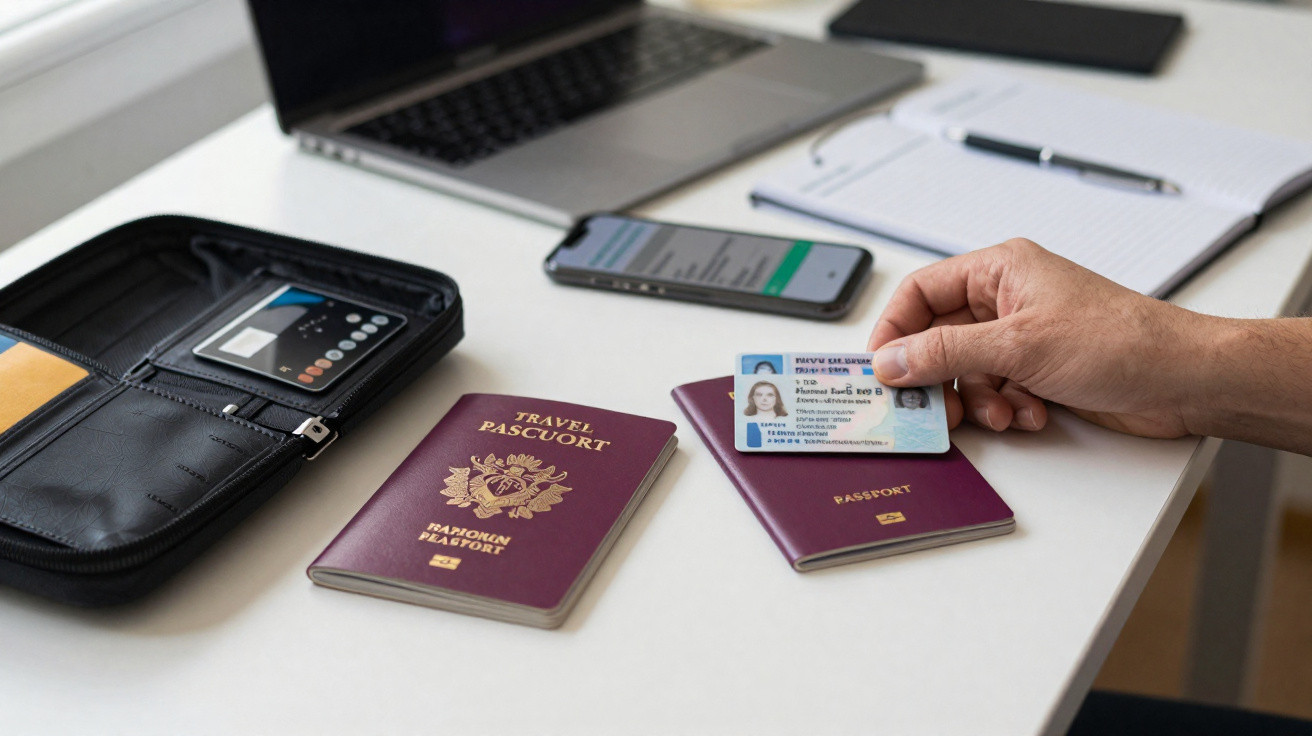
A message saying a hotel or serviced-apartment company has suffered a data breach is easy to mistake for spam, particularly if you booked years ago, cancelled a stay or used the property only once. But if it is genuine and passport, driving-licence or payment-card information may be involved, prompt, measured action can reduce the opportunity for fraud.
The useful trick is not to replace every document immediately. Verify the warning independently, find out exactly what information relates to you, then take action that matches the risk. A leaked email address calls for a different response from card details, while a passport number is not the same thing as a stolen passport.
Treat an unexpected breach alert as unverified until you have checked it through the company’s official website or a contact method you found yourself.
Check whether the message is genuine
Criminals often take advantage of real breaches with convincing follow-up emails, texts and calls. They may offer compensation, claim that a booking needs reconfirming or ask you to “secure” a card through a lookalike website.
Do not use links, attachments or phone numbers in the message at first. Instead:
- Search for the hotel group or accommodation provider yourself and use its official website.
- Look for a notice in its newsroom, help centre or customer-support pages.
- Contact the business through a number, web form or in-app message published independently.
- Ask which information linked to your booking was involved, when it was held and whether the business has specific advice for affected customers.
- Save a screenshot of the alert and note any reference number.
A legitimate hotel, bank or public body should not ask for your full card number, CVV, password or one-time banking code in order to discuss a breach.
Make a clear list of what may be exposed
Early breach notices can be broad, and the details may change as the company investigates. Read later updates, but focus on the information that applies to you rather than assuming every type of data listed has been taken.
Write down whether the notice mentions:
- your full name, address, date of birth, phone number or email address;
- booking dates, travel plans, vehicle registration or loyalty-account details;
- a passport number, passport identity-page details or a scan of the document;
- a driving-licence number or image of your licence;
- a payment-card number, expiry date or security code;
- a password for an online hotel account.
Also list the cards you used with that business, including cards that have since expired. Old card details can still make phishing attempts more convincing when combined with your name, address and travel history.
If payment-card details may have been exposed
Act quickly if a card number, expiry date and CVV may all have been involved. Use the number on the back of your physical card, your bank’s official app or the number shown on a recent statement. Tell the provider that a merchant has reported a breach and ask what it recommends.
A practical card-response checklist
- Check recent transactions. Review your banking app and statements for unfamiliar payments, including small amounts.
- Freeze the card if you can. Many banking apps offer a temporary freeze or lock while you contact the provider.
- Ask about replacement. Your bank or card issuer can decide whether a new card is appropriate.
- Report unauthorised transactions promptly. Use the bank’s fraud route, not contact details supplied in an email or text.
- Update regular payments carefully. Wait until a replacement card arrives, then review subscriptions and essential bills.
- Continue monitoring. Watch the account over the following weeks, particularly if you used more than one card for travel bookings.
Changing the password for a hotel account is sensible, but it is not a substitute for speaking to the card issuer when card details may have been exposed.
Never share a passcode from your bank with a caller, even if the displayed number looks familiar. Caller ID can be spoofed.
What passport information means in practice
A passport number or a copy of passport details does not mean somebody can physically travel as you, and it does not automatically make your current passport invalid. However, passport information combined with other personal data can make identity fraud and targeted scams more plausible.
Do not apply for a replacement passport merely because an email tells you to. Use GOV.UK to find official HM Passport Office contact details and explain what the accommodation provider says was exposed, particularly if a scan or full identity-page details were involved. Follow the guidance given for your circumstances.
If your physical passport is lost or stolen, report it immediately through GOV.UK. That is separate from a data breach, and you should not wait for the hotel’s investigation to finish.
Be especially suspicious of messages claiming you must pay urgently for a “passport security update”. Access passport services through GOV.UK rather than through a link in an unsolicited message.
If driving-licence information is involved
If a UK photocard driving licence has been exposed, check GOV.UK guidance before paying for a replacement. Replacing a licence can be necessary if it has been lost, stolen or damaged, but a replacement does not erase information already copied from it or automatically prevent identity fraud.
Use official DVLA contact routes if you are concerned about misuse of your licence details. Be alert to unexpected post, mobile-phone contracts, finance applications, insurance correspondence or other signs that someone may be using your identity or address.
A licence issued outside Great Britain may be handled differently. Contact the authority that issued it rather than relying on general advice from the accommodation provider.
Secure the accounts linked to the booking
Hotel records can contain useful material for criminals: your email address, home address, travel dates and loyalty details. That makes a fake message about a changed reservation, refund or missing payment more convincing than a random scam.
Change the password for the affected hotel account, particularly if you used that password elsewhere. Use a unique, long password, ideally created and stored in a password manager. Turn on two-step verification where it is available.
Prioritise your email account as well, because it is often used for password resets and booking confirmations. Check:
- recovery email addresses and phone numbers;
- unfamiliar signed-in devices;
- forwarding rules you did not create;
- two-step verification settings;
- saved payment methods and recent activity.
There is no need to change every password in panic. Start with email, banking, the affected travel account and any service where you reused the same password.
Watch for fraud without becoming overwhelmed
Phishing attempts can appear months after a breach. Be cautious with unexpected messages about deliveries, refunds, parking charges, unpaid bills or travel changes, especially where they mention details that fit your booking.
Review your bank accounts regularly and consider checking your credit report through a UK credit-reference agency. Keep post secure, and query letters or bills that do not make sense rather than ignoring them.
For suspected fraud in England, Wales or Northern Ireland, use the national Report Fraud service. In Scotland, report fraud to Police Scotland. Contact your bank first if there is suspicious activity on a card or account.
You may also decide to look at protective registration services, such as those intended to flag possible identity fraud to participating organisations. Read the costs, limits and terms carefully: these services cannot prevent every form of fraud or guarantee that an application will be stopped.
Common mistakes after a data breach
- Clicking the first link in the alert. Find the company’s website independently.
- Giving a caller banking codes or passwords. Banks will not need them to protect you.
- Assuming an expired card is irrelevant. Ask its issuer what it advises if the details may have been exposed.
- Paying for a passport or licence replacement before checking official guidance. A breach notice is not proof that replacement is required.
- Using the same new password everywhere. Unique passwords limit the damage from a future breach.
- Ignoring later updates from the business. Investigations can identify additional information after the first notice.
- Posting screenshots online. They may reveal email addresses, booking references or case numbers that help scammers.
Keep records and ask for answers
Create a folder containing the breach notice, dates of calls, case numbers, card-replacement information and details of any suspicious transactions. It can make follow-up with the business, your bank or a fraud-reporting service much easier.
Ask the accommodation provider what data it held about you, what it believes was affected, what protective steps it has taken and how to make a complaint. If you remain concerned about how a UK organisation has handled your personal information, you can raise the matter with the Information Commissioner’s Office, usually after giving the business an opportunity to respond.
The most effective response is calm and targeted: verify the alert, protect any exposed payment method, follow official passport or DVLA guidance, strengthen key accounts and stay alert to convincing scams. You cannot undo a breach, but you can make the information much less useful to anyone who obtains it.













Comments
No comments yet. Be the first to comment!
Leave a Comment