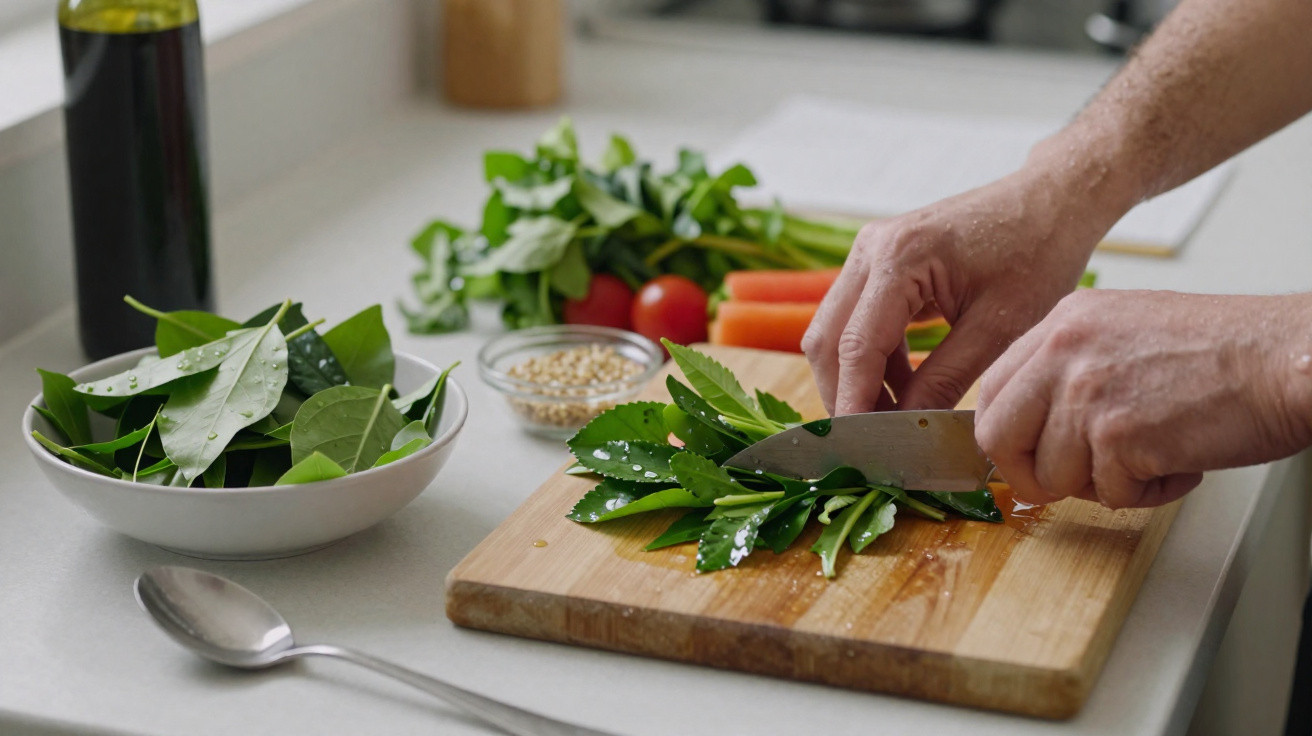
A painful, swollen joint can make a simple leaf tea or herbal remedy sound appealing, especially when you are looking for quick relief. One leaf sometimes mentioned in Vietnamese cooking and traditional food use is lá xương sông. It is principally used as an aromatic ingredient in meals, not as a proven treatment for raised uric acid or joint disease.
The key point is straightforward: including varied vegetables and herbs in your meals can support an overall balanced diet, but no single leaf can replace gout treatment, blood tests or medical advice. Raised uric acid, joint pain and bone health all have different possible causes and need more than one dietary ingredient.
A culinary leaf may bring flavour and variety to a meal, but it should not be expected to treat gout, arthritis or ongoing joint pain.
What is lá xương sông?
Lá xương sông is a Vietnamese name used for an aromatic culinary leaf. It is commonly used in Vietnamese dishes, including wraps, soups and fish or meat dishes, where it adds a strong savoury, herbal flavour.
In the UK, it may be sold fresh by Vietnamese grocers, specialist Asian food shops or culinary-herb growers. It is not usually a standard supermarket leaf, and availability can vary considerably between areas.
Correct identification matters. Common names can be used for different plants in different places, and photographs online are not a safe way to identify something to eat. Buy leaves from a reputable food retailer and make sure they are sold for culinary use. Do not forage unfamiliar plants or use ornamental garden leaves in cooking.
Can these leaves lower uric acid?
Plants contain many naturally occurring compounds, including aromatic oils and flavonoids. It is easy to find claims online linking these compounds with inflammation or antioxidant activity, but that does not show that eating lá xương sông, drinking it as tea or taking an extract will lower uric acid in people.
Uric acid is made when the body breaks down purines. Levels can be affected by several factors, including:
- kidney function and how effectively the body removes urate;
- genetics and metabolic health;
- alcohol, particularly beer and spirits;
- sugary drinks and foods high in fructose;
- some medicines, including certain diuretics;
- frequent intake of foods high in purines, such as offal and some seafood.
For people with diagnosed gout, prescribed medicines and appropriate monitoring are the established ways to manage urate levels. Herbs used in food can still be enjoyable, but they should not replace treatment or delay a GP appointment.
Sore joints are not always caused by uric acid
It is important not to assume that every painful joint is gout. Gout happens when urate crystals form in or around a joint and can cause sudden severe pain, swelling, redness and warmth. Other causes of joint symptoms include osteoarthritis, injury, inflammatory arthritis and infection.
No leaf can rebuild worn cartilage or reliably deal with the underlying cause of joint pain. However, a diet with a good range of vegetables, fruit, protein foods and wholegrains can support general health. If weight loss has been recommended by a clinician, gradual changes may also reduce strain on weight-bearing joints.
Bone health needs more than herbs, too. Useful foundations include:
- adequate protein from foods such as beans, lentils, eggs, dairy, fish, tofu or lean meat;
- calcium-rich foods, including milk, yoghurt, fortified plant drinks and calcium-set tofu;
- vitamin D, which can be particularly relevant during the darker months in the UK;
- regular weight-bearing and strengthening activity suited to your ability.
If you are concerned about repeated pain, your calcium intake or vitamin D, speak with a pharmacist, GP or registered dietitian rather than relying on supplements or herbal preparations alone.
How to use culinary leaves safely
If you have bought correctly identified fresh lá xương sông, use it as you would another aromatic leaf: in ordinary food portions, as part of a meal.
A food-first approach
- Choose fresh-looking leaves. Avoid slimy patches, mould, extensive bruising or an unpleasant smell.
- Wash them under cool running water. Pay attention to folds and stems, where grit can collect. Dry them with clean kitchen paper if using them in a wrap or garnish.
- Use a small amount in familiar dishes. Shred a few leaves into vegetable soup, add them near the end of cooking fish or stir them through a filling before grilling.
- Keep the portion culinary, not medicinal. There is no established therapeutic serving. Using the leaves for flavour is more sensible than making strong daily drinks.
- Store them carefully. Keep them refrigerated, loosely wrapped, and use them promptly. Discard anything that becomes mouldy or smells off.
For a meal that is generally suitable for someone watching their gout triggers, combine herbs and vegetables with wholegrains, eggs, tofu, chicken or a modest portion of fish. There is no need to make any food completely off-limits without individual medical advice.
Why teas, extracts and essential oils are different
A leaf used in dinner is not the same as a strong infusion, capsule, tincture or essential oil. Concentrated products can deliver far higher amounts of particular compounds, and their safety and interactions may not be well understood.
Never swallow essential oils or add them to drinking water. They are highly concentrated and can irritate the mouth and stomach, interact with medicines and be harmful if ingested. Keep them away from children and pets.
Check with a pharmacist or GP before using herbal products regularly if you:
- have kidney or liver disease, or a history of kidney stones;
- have recurrent gout attacks;
- are pregnant or breastfeeding;
- take prescription medicines, including diuretics, blood-thinning medicines or gout treatment;
- have known allergies to plants in the daisy family.
Be wary of any product promoted as a cure for gout, arthritis or “uric acid crystals”, particularly if it advises you to stop prescribed treatment.
A realistic eating pattern for raised uric acid
There is no perfect “anti-gout” menu and no need to chase a superfood. Consistent habits tend to be more useful than adding one unusual ingredient. If a clinician has advised you to manage raised uric acid, discussions may include alcohol, sugary drinks, weight management and the pattern of foods you eat overall.
Practical swaps can include:
- water, sparkling water or unsweetened tea instead of sugary fizzy drinks;
- beans, lentils, eggs or tofu more often in place of large portions of red or processed meat;
- meals based around vegetables, wholegrains and protein rather than rich meat gravies;
- fruit, yoghurt or nuts instead of frequent sugary snacks;
- gradual, sustainable weight changes where weight loss has been advised.
Avoid crash diets and fasting without professional support. Rapid changes in weight may trigger gout attacks in some people. Drink regularly unless you have been given a fluid restriction by a healthcare professional.
Common mistakes to avoid
- Assuming every painful joint is gout. New symptoms need proper assessment.
- Stopping prescribed medicine when symptoms settle. Speak to the prescriber before making changes.
- Drinking strong leaf decoctions every day. More is not automatically better, and safety information may be limited.
- Treating essential oil as a food ingredient. It is not a substitute for fresh culinary leaves.
- Over-restricting your diet. Removing broad food groups can make it harder to get enough protein, calcium and other nutrients.
- Relying on a supplement instead of seeking help. Persistent symptoms deserve medical advice.
When to get medical help
Seek urgent medical advice, including through NHS 111 where appropriate, if a joint suddenly becomes very hot, red, swollen and intensely painful, particularly if you feel feverish or unwell. These symptoms can happen with gout, but they can also indicate an infection or another condition needing prompt treatment.
Arrange a routine GP appointment for repeated attacks, continuing joint swelling, pain that affects sleep or daily movement, or concerns about uric acid test results. Take a list of your medicines, supplements and herbal products with you.
Fresh lá xương sông can be an interesting addition to home cooking if you can buy it safely and enjoy its flavour. Use it as one small part of a varied diet and regular movement, while getting appropriate medical support for ongoing joint problems or gout.
















Comments
No comments yet. Be the first to comment!
Leave a Comment