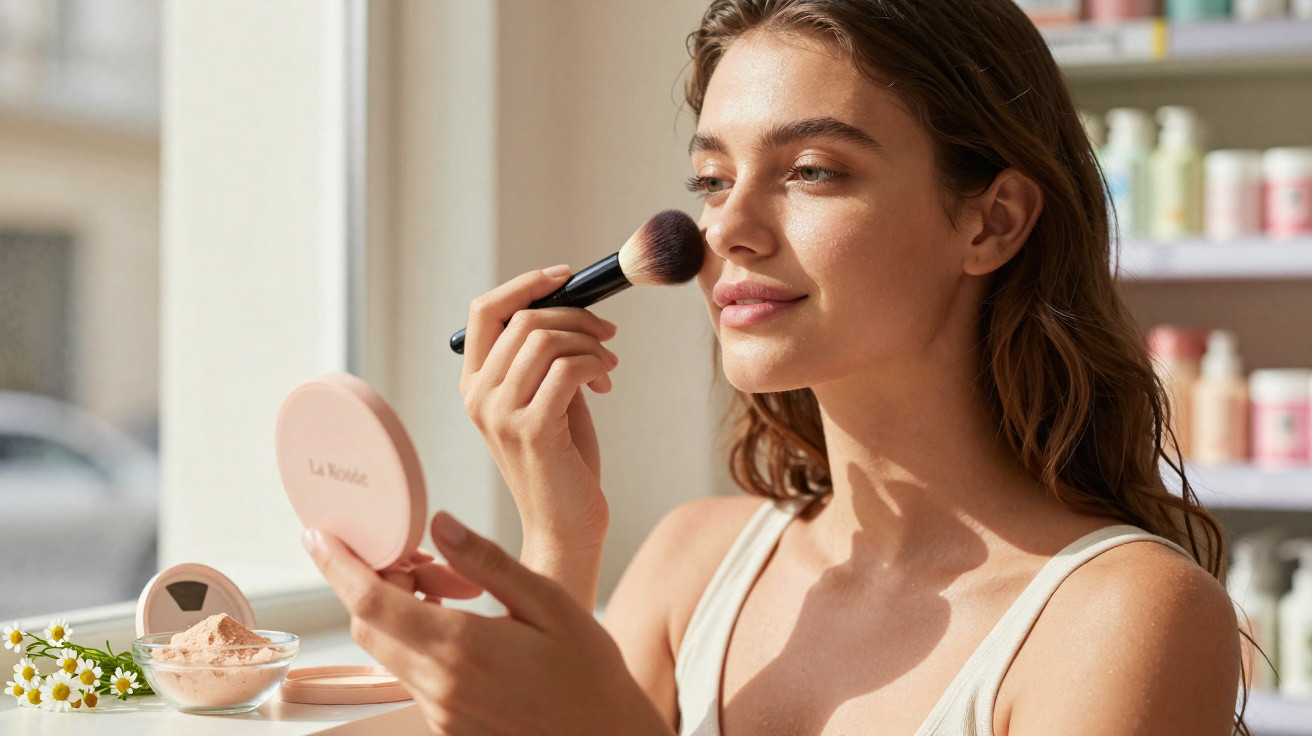
In France, sales of this natural cosmetic are soaring: one compact crosses a pharmacy counter every 20 seconds. The brand behind it is La Rosée, which specialises in skincare with minimalist formulas. The label is now shaking up the make-up market with a tinted compact powder, presenting it as skincare and make-up in a single product.
Skincare meets make-up: the idea behind the trending powder
La Rosée originally came from the skincare sector. The brand only launched its first caring make-up range in 2025. At the centre of the collection is a compact powder which, according to the manufacturer, does far more than simply conceal shiny areas.
The powder is designed to even out the complexion, reduce shine, blur pores and deliver moisture at the same time – all in one product.
According to the brand, the compact is selling so well in pharmacies that it currently leads the tinted-powder market in France. Its key feature is the exclusive use of pigments of natural origin, rather than the typically heavy, often occlusive textures associated with traditional foundation.
How the natural powder performs on the skin
La Rosée describes the formula as ultra-fine and lightweight. It is intended to melt into the skin almost imperceptibly, without leaving a powdery or mask-like result. It is also non-comedogenic, meaning the formula is designed not to clog pores.
Its claimed effects at a glance:
- a more even, balanced complexion
- mattified skin that does not look dull
- pores that appear refined
- a smoother-looking skin texture through a soft-focus effect
- wear lasting for up to eight hours
The brand says many users have replaced their liquid foundation entirely with this powder for everyday wear, especially when they are short of time or want their make-up to remain as subtle as possible.
The ingredients responsible for the effect
The INCI list is particularly interesting. The formula combines conventional powder ingredients with caring active ingredients more commonly found in moisturisers.
| Ingredient | Function |
|---|---|
| Mica | Creates a subtle reflective effect, making skin look more lively and radiant without adding glitter. |
| Zinc PCA | Helps regulate sebum, counteracts oily areas and supports a more balanced-looking complexion over time. |
| Rice starch (upcycled) | Absorbs excess sebum, mattifies the skin and helps make-up last longer. |
| Hyaluronic acid | Retains moisture and helps prevent dehydration lines and feelings of tightness. |
| Organic plant oils | Care for the skin barrier and are intended to provide a comfortable feel on the skin. |
La Rosée uses 100 percent pigments of natural origin. This places the product within the continuing “clean beauty” trend, aimed at consumers seeking short, transparent formulas that are easy to understand.
Refill system and price
For many customers, another advantage is the refillable format. Once the powder has been used up, only the inner pan needs replacing while the compact case is kept. In France, it costs €18.90 – a comparatively moderate price for pharmacy cosmetics, positioned between high-street beauty products and traditional perfumery brands.
How to apply the powder so it can replace foundation
For a compact powder to genuinely stand in for liquid foundation, application matters greatly. The brand recommends a short but consistent routine.
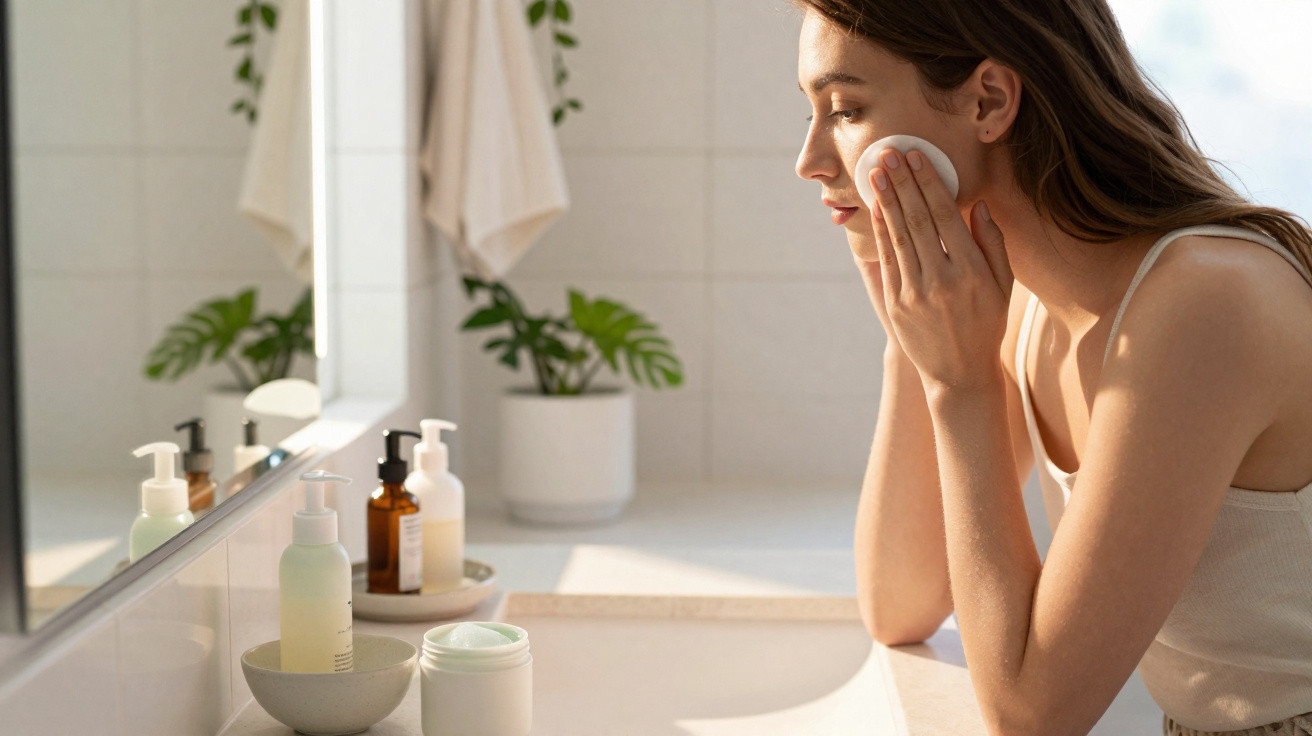
Step 1: Prepare the skin
- Cleanse the face thoroughly to remove dirt and sebum residue.
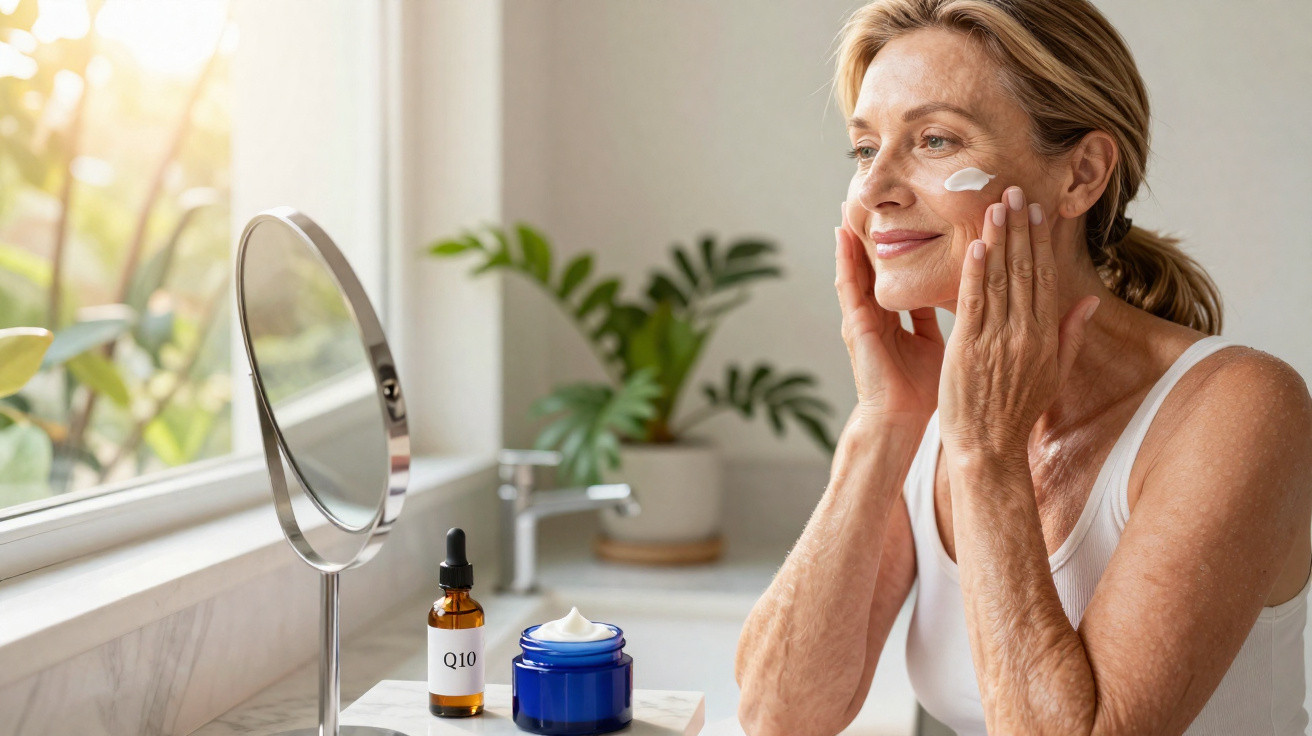
- Apply a light moisturiser, adding a serum underneath if appropriate for your skin type.
- Allow the cream to absorb briefly, until the skin no longer feels sticky.
The smoother and better hydrated the skin is, the more evenly the powder will sit on top. On very dry, flaky skin, any powder can take on a mask-like appearance more quickly.
Step 2: Apply with a brush
For a natural-looking finish, La Rosée recommends a soft, relatively large powder brush. The detailed method is as follows:
- Pick up a small amount of powder with the brush.
- Tap any excess against the edge of the compact or onto the back of your hand.
- Use circular motions, working from the centre of the face outwards.
This approach disperses the pigments more finely and avoids harsh lines. Anyone wanting greater coverage can build it with several light layers, rather than applying a large amount all at once.
Targeted use for shine and blemishes
The powder can also be used only where needed. Many people apply it solely to the T-zone – forehead, nose and chin – while leaving the cheeks untouched. This keeps the complexion fresh-looking while preventing uncontrolled shine.
It can also be applied precisely over redness or blemishes. Using a smaller brush or a clean fingertip, apply more product directly to the area and blend it in gently.
A sun-kissed effect with a deeper shade
According to the brand, those who like a bronzed effect can simply choose a warmer, slightly darker shade and use it in the same way as bronzer. This works particularly well around the forehead, across the cheekbones and lightly beneath the jawline.
This makes it possible to add subtle definition to the face without filling the bathroom with several different products. It is particularly appealing to minimalists looking to streamline their cosmetics cupboard.
What do the tests say about its performance?
La Rosée refers to clinical tests said to demonstrate a noticeable effect on shine and the appearance of the skin. The published figures mainly point to the product’s mattifying properties.
After the first application, perceived skin shine fell by 47 percent, and all test participants reported a mattified, more even and smoother-looking complexion.
Naturally, findings of this kind should always be viewed with caution, as they are commissioned by the manufacturer itself. For many customers, however, they can offer an initial indication of whether the product may suit their needs.
Who is this type of powder really suitable for?
The combination of sebum-regulating ingredients and moisturising factors is clearly aimed at combination and slightly oily skin. Those who become very shiny during the day may benefit from the Zinc PCA and rice starch it contains.
Normal skin types looking for an uncomplicated everyday product without heavy coverage may also find it works well. Very dry or flaky skin can be more challenging, as powder may settle more quickly in dry patches.
- Combination / oily skin: ideal for keeping shine under control.
- Normal skin: well suited as a lightweight alternative to foundation.
- Dry skin: only advisable with rich skincare underneath and a sparing application.
- Mature skin: test it first to check that the product does not settle into fine lines.
What are the benefits and limits of powder instead of foundation?
Many people expect products like this to offer a kind of “Photoshop in a compact”. Of course, it cannot go that far. Powder can soften the appearance of uneven texture and reduce shine, but it will not replace a high-coverage foundation for pronounced redness, pigmentation marks or acne.
Benefits of this kind of natural powder include:
- quick application, making it ideal for mornings
- a comfortable feel without a “make-up mask” effect
- the option to touch up throughout the day
- often better compatibility for sensitive or blemish-prone skin
Its greatest limitation remains coverage. Anyone wanting a completely even, almost “porcelain-like” complexion is unlikely to achieve the same result with powder alone as with a full-coverage foundation combined with concealer.
What to consider with natural powders in general
The trend towards natural pigments and pared-back formulas has been growing for years. Many consumers want products they can understand without needing a degree in chemistry. At the same time, “natural” and “well tolerated” are not automatically the same thing.
Sensitive skin can react to natural minerals too, for example with dryness or a tight feeling. A patch test on a small area of the face or neck may help before applying the product more widely.
There is another important point: mineral powders and natural pigments do not automatically provide UV protection. Anyone using powder as a foundation substitute still needs to apply suitable sunscreen underneath during the day – particularly if prone to pigmentation marks or if using fruit acids and retinol in their skincare routine.
How to incorporate the powder into your own routine
Many users change their routine gradually. Rather than replacing every product overnight, they may begin like this:
- Use only powder instead of foundation at the office during the week.
- Go completely bare-faced at weekends, or wear powder only on the T-zone.
- Keep foundation for occasions with a dress code or long evenings.
This quickly reveals the situations in which light coverage is enough and when heavier make-up feels more comfortable. Ideally, it can reduce the amount of product worn on the skin – something that may be beneficial in the long term, especially for blemish-prone or sensitive skin.
The success of La Rosée compact powder shows how strong the demand has become for uncomplicated, caring cosmetics. Rather than applying layer upon layer, many now prefer a small number of well-considered multifunctional products – precisely the gap this much-discussed pharmacy powder is designed to fill.








Comments
No comments yet. Be the first to comment!
Leave a Comment