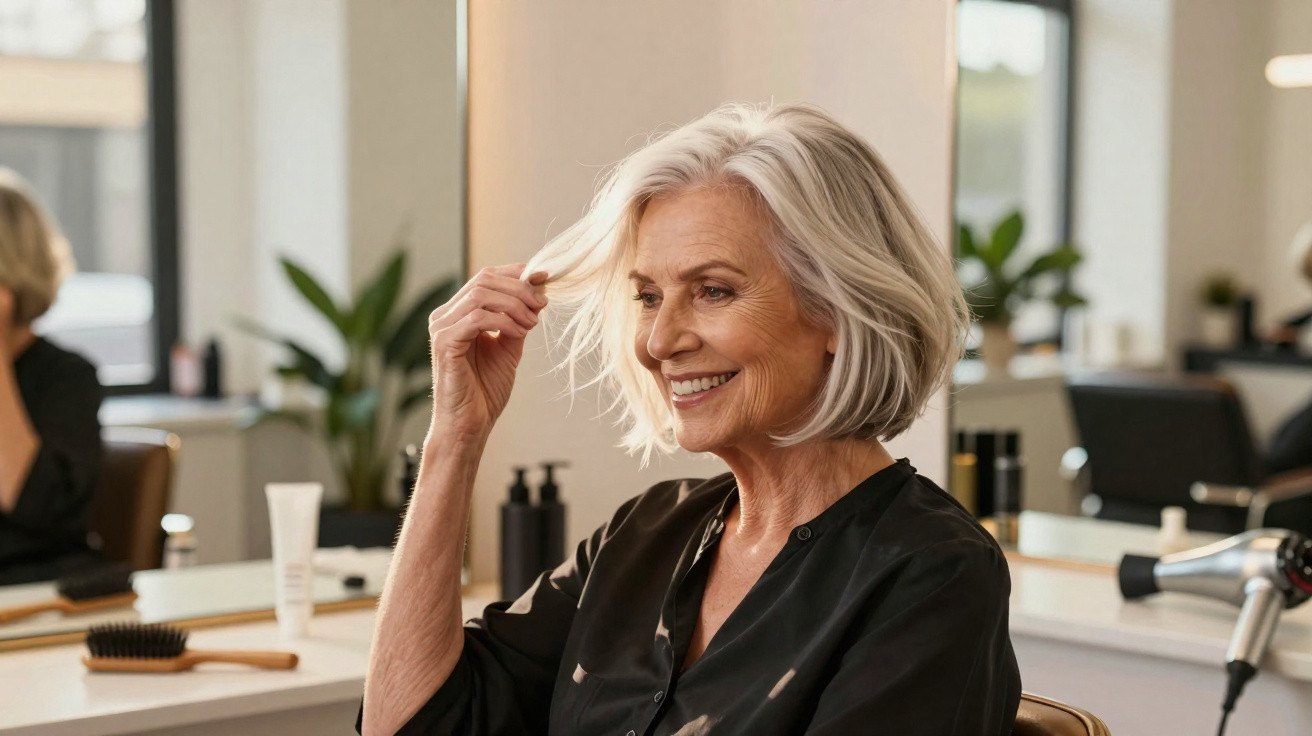
In spring 2026, hairdressers are turning their attention to a new short hairstyle: the “Trixie Cut”. Originating in renowned salons, it is described as a modern, softer evolution of the classic pixie. Particularly for thinning hair with grey or white strands, this cut is said to visually lift the face and take years off one’s appearance - without demanding complicated styling.
What the “Trixie Cut” really is
The Trixie Cut brings together two concepts: the basic shape of a pixie and a particular layering technique that carefully works with lengths and transitions. The result is a short hairstyle that is not cropped extremely close, but deliberately left a little longer and more mobile.
Typical features of the Trixie Cut include:
- extra length at the sides and around the cheekbones
- a soft nape area that is not shaved close
- heavily layered, finely shaped ends
- plenty of texture - in other words, visible movement in the hair
This prevents the cut from looking severe, giving it a lively effect instead. Its lines are softer than those of a traditional pixie, which is often cut very short and can quickly appear “masculine” or harsh. With the Trixie Cut, the hair sits closer to the face while retaining a sense of fullness.
“At its core, the Trixie Cut is a soft, layered short hairstyle that deliberately adds volume where it is often lacking after the age of 70.”
Why the Trixie Cut makes women over 70 look younger
As we age, hair on the crown and at the temples commonly becomes finer. Many women recognise the issue: the top lies flat while the hair at the sides hangs heavily. This is precisely where the Trixie Cut comes in.
Targeted volume rather than a “helmet hairstyle”
Using gentle layers and a textured cutting method, the hairdresser creates volume mainly at the crown and towards the front. The ends are lightly roughened, helping the hair fall with more grip and lift away from the scalp rather than lying flat against it.
The effect is:
- hair appears fuller and denser
- the shape of the head looks more balanced
- the overall appearance gains a lighter feel
Many clients describe it as a “mini lift”, as the proportions of the face and hairstyle appear fresher and more awake overall.
Soft strands that cleverly conceal fine lines
Another reason the Trixie Cut can look so rejuvenating is its play on facial contours. The slightly longer, thinned-out strands around the cheekbones act like a filter:
- fine lines on the cheeks are partly covered
- facial lines appear softer and more balanced
- attention is drawn away from pronounced lines on the forehead and around the mouth
The layered ends also create an appealing light effect on grey or white hair: the strands reflect light at different intensities. This adds depth and makes the face seem visually lifted - almost like a gentle “lifting filter” in real time.
How to describe the Trixie Cut at the salon
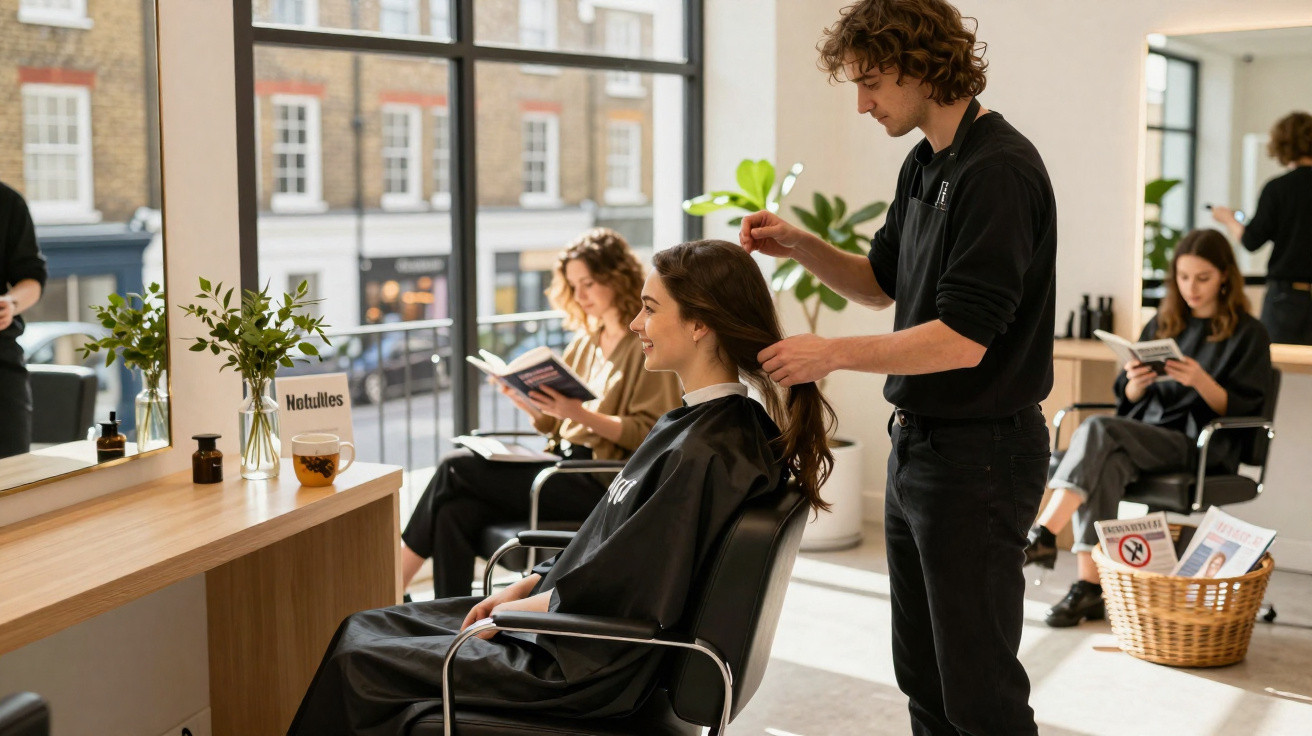
Although many hairdressers now know the term, it is still worth giving a clear description. Anyone who simply asks for “short but modern” risks leaving with a standard pixie cut.
“The key is the combination: short, but not cropped extremely close - layered, but not wispy - soft, but with structure.”
Useful points to mention during your salon consultation:
- Say that you would like a modern pixie variation with slightly more length at the sides.
- Specify that the nape should be soft rather than shaved close.
- Emphasise that volume at the crown matters, but without a “helmet effect”.
- Explain whether you would prefer the hairstyle to look understated or more daring.
- Mention glasses and hearing aids so the cut can be tailored to work well with them.
A reference photograph is extremely helpful - ideally showing a woman with grey or white hair, so the proportions and effects can be assessed realistically.
Everyday styling: little effort, big impact
Many women are hesitant about short hairstyles because they believe they require blow-drying and styling almost every day. In most cases, the Trixie Cut is much easier to manage.
| Step | What to do |
|---|---|
| 1. Drying | After washing, gently squeeze the hair with a towel rather than rubbing it. |
| 2. Base | Apply a small amount of volumising spray or mousse to the roots at the crown. |
| 3. Blow-drying | Briefly blow-dry with your fingers against the natural growth direction to create lift. |
| 4. Texture | Rub a small amount of wax or paste between your fingertips and “mess up” the ends. |
| 5. Finishing touch | Gently arrange the strands around the eyebrows and cheekbones. |
Those who do not want to blow-dry at all can often simply part-dry the hair, or let it dry naturally and finish with a little product, provided the cut has a good foundation. The style depends on this slightly imperfect, moving finish.
To maintain its shape, many professionals recommend a trim every five to seven weeks. Leaving it too long between appointments can make the sections at the sides too heavy, causing the face to look “pulled down” again.
Who the Trixie Cut particularly suits
The cut is not limited to one specific hair type, although it can be especially effective in certain cases.
Ideal for fine, grey or white hair
Fine hair benefits greatly from the layers and texture. Its airy quality creates the impression of greater fullness. On white or grey hair, the light reflections are more pronounced, enhancing the rejuvenating effect.
The Trixie Cut also works well on slightly curly or wavy hair, as its natural movement complements the cut’s structure. Only extremely thick, very coarse hair requires particularly careful thinning by the hairdresser, so that the result does not look too compact.
Face shapes and personal style
The Trixie Cut can be adapted effectively to different face shapes. Round faces benefit from a little more volume at the crown and longer, narrow strands at the sides. For narrow faces, the top section can remain slightly flatter while the sides are allowed to fall more fully.
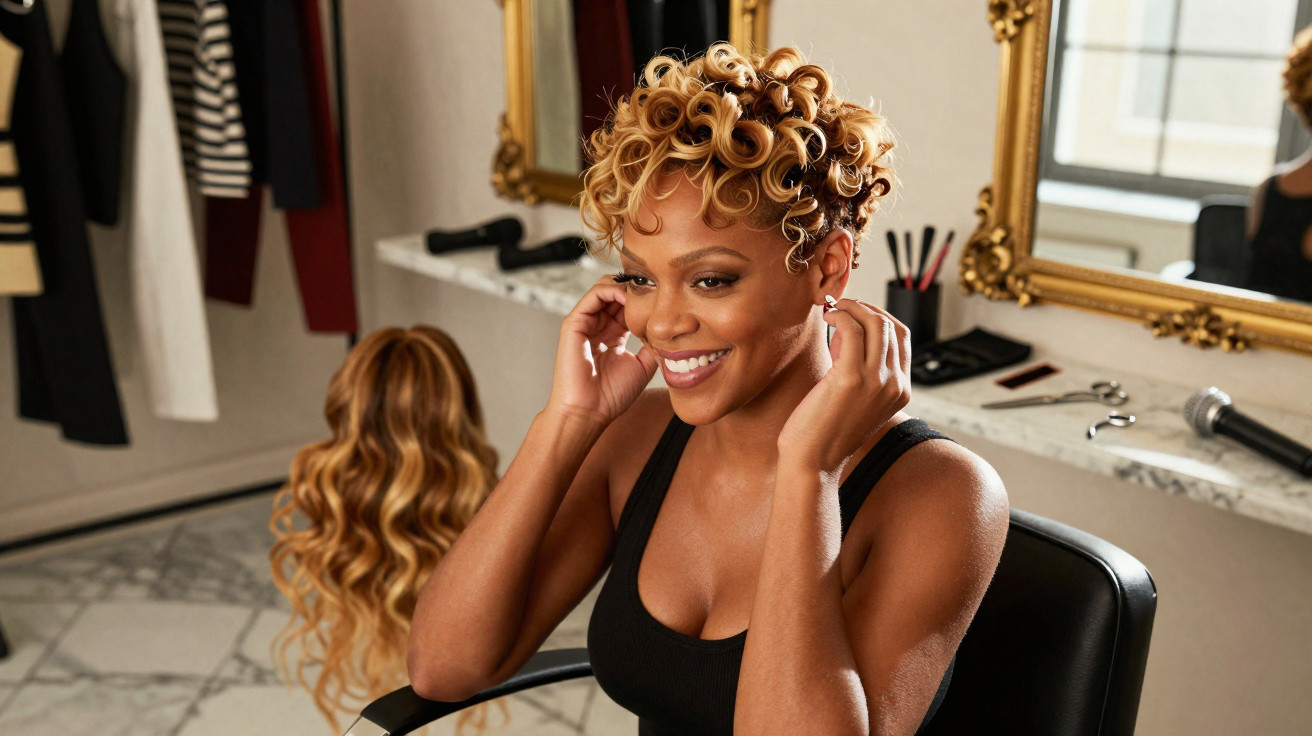
Those with a more classic clothing style can wear the cut more softly, with smoother strands and less product. Anyone who prefers a bolder look can leave individual ends deliberately sticking out, emphasise the fringe, or use subtle colour accents in silver, beige or cool blonde.
Preparing for the change of look
After many years of longer hair, a short cut can initially feel unfamiliar. A few practical measures can make the transition easier:
- Beforehand, try pinning your hair up with a scarf or shawl to get used to having your face more exposed.
- Take your glasses to the hairdresser - the frames influence how the outline of the cut looks.
- If you are unsure, begin with a slightly longer version and opt for a bolder trim at your next appointment.
Many women find that the new cut also changes their wardrobe slightly: necklines, collar shapes and earrings become more prominent. A simple earring or a contemporary scarf can further highlight the hairstyle’s rejuvenating effect.
Care, products and small pitfalls
Proper care plays an important part in keeping the Trixie Cut looking fresh over time. Mature hair is often drier, especially through the lengths.
Lightweight shampoos for sensitive or mature scalps, paired with a conditioner that does not weigh the hair down, keep the texture supple. Heavy oils applied directly at the roots should be avoided because they undo the volumising effect. A tiny amount of serum on the ends works better.
One common pitfall is using too much styling product. Always apply wax, gel or paste sparingly, and add more only if needed. The aim is a lively, airy look - not a glued-down helmet.
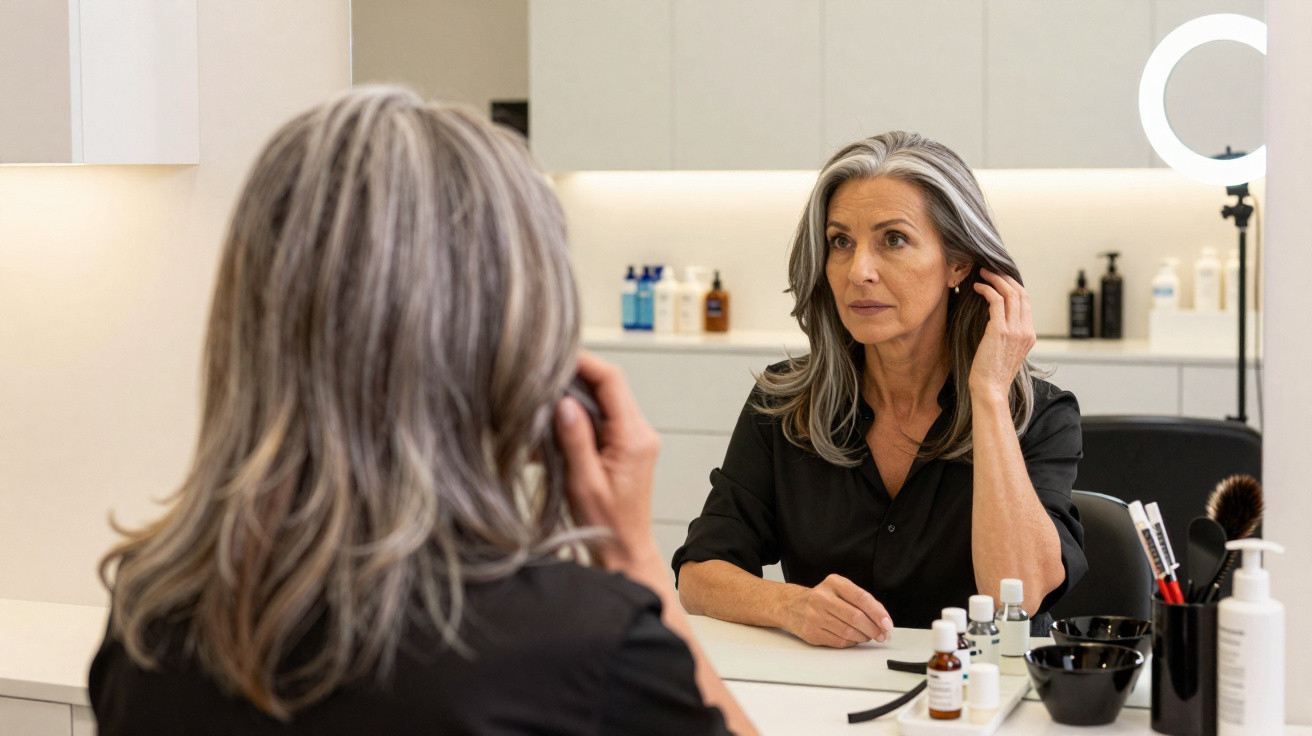
For anyone with coloured strands, subtle highlights around the face can further enhance the brightening, rejuvenating effect. On naturally grey or white hair, occasional use of a silver shampoo can counteract yellow tones and support the clean, elegant effect of the short hairstyle.












Comments
No comments yet. Be the first to comment!
Leave a Comment