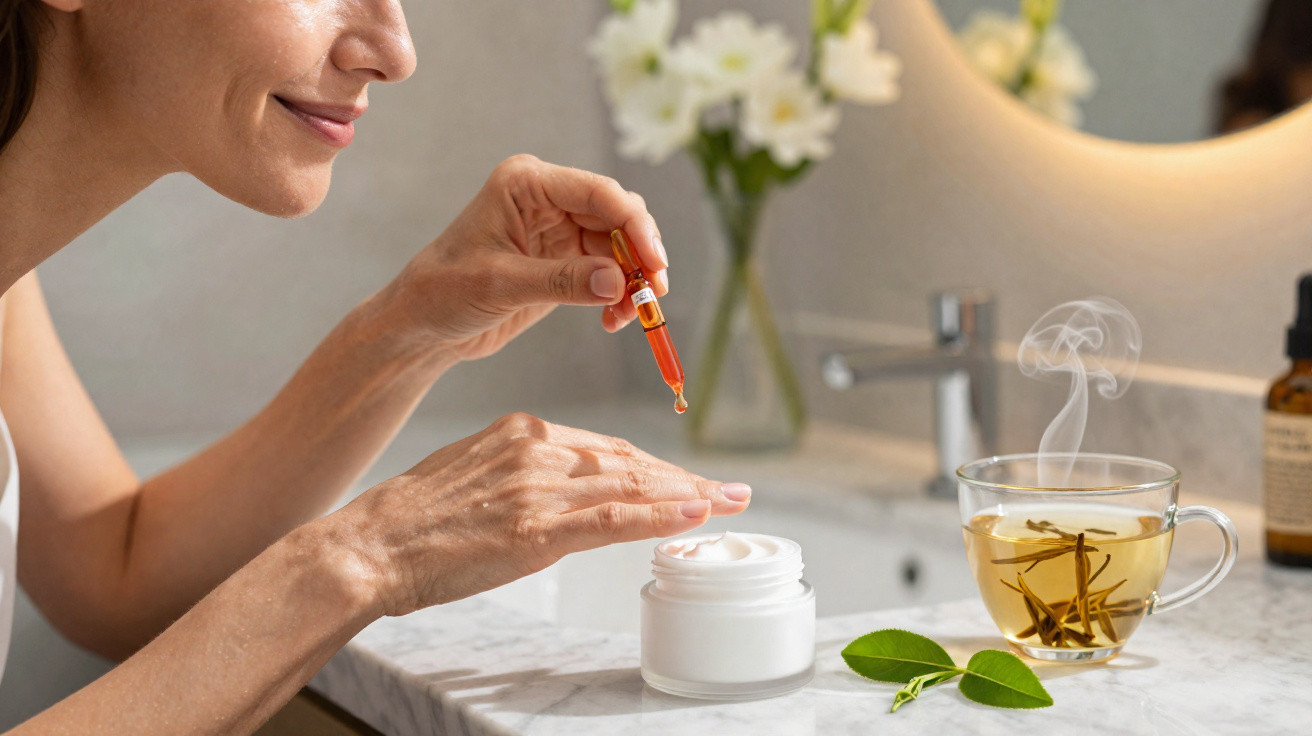
Serums were long regarded as a luxury purchase, far removed from the shelves of chemists and pharmacies. Now an affordable anti-ageing product from Weleda is attracting attention: its Astaxanthin Serum Drops claim to help protect against wrinkles, rely on potent antioxidants and still cost less than £10. But is the excitement justified, or is this simply the latest beauty trend?
What is behind Weleda Astaxanthin Serum Drops?
Serums are the understated heroes of many skincare routines. Lighter than creams, they absorb quickly and deliver concentrated active ingredients straight to the skin. Weleda’s Astaxanthin Serum falls into precisely this category and is sold through pharmacies and online retailers.
The product is intended to complement, rather than replace, an existing skincare routine. The concept is that just a few drops make a usual day or night cream noticeably more effective, particularly where early fine lines and a tired-looking complexion are concerned.
A few drops, two powerful antioxidants and a price well below that of typical anti-ageing serums – that is the essence of Weleda’s product.
The serum is supplied in a 30 ml bottle and costs around £9.40. That is remarkably inexpensive in the anti-ageing serum category, where £30, £50 or even £100 per bottle is not unusual.
How the drops are intended to work: astaxanthin and white tea
As always, the most interesting part is the formulation. Weleda uses two familiar antioxidants: astaxanthin and white tea extract.
Astaxanthin – the “red algae pigment” against free radicals
Astaxanthin is a red-orange compound found in certain algae and micro-organisms. It is what gives salmon, flamingos and crabs, for instance, their characteristic colouring. In cosmetics, it is increasingly used as a highly effective antioxidant.
Antioxidants neutralise what are known as free radicals. These aggressive oxygen compounds can be caused by UV radiation, particulate pollution, cigarette smoke or stress, among other things. They attack cellular structures and accelerate the skin’s ageing process.
Astaxanthin is considered a particularly powerful antioxidant. Studies have shown that it can:
- protect skin cells from oxidative stress
- support skin structure and improve elasticity
- contribute to a more even, refreshed-looking complexion
No one should expect overnight miracles, but the ingredient is well suited to a routine focused on long-term protection and preservation.
White tea as a shield against environmental stress
The serum’s second key active ingredient is white tea. Unlike black or green tea, it undergoes especially gentle processing. This helps retain many secondary plant compounds with antioxidant properties.
In skincare, white tea is intended to support the skin as it faces everyday environmental pressures, including exhaust fumes, changing temperatures and dry centrally heated air. Combined with astaxanthin, it creates a pairing designed less to “plump up” the skin and more to protect it.
The formula is aimed less at an instant effect from a Photoshop fairy tale and more at ongoing protection against the factors that speed up wrinkles.
How to incorporate the serum into a routine
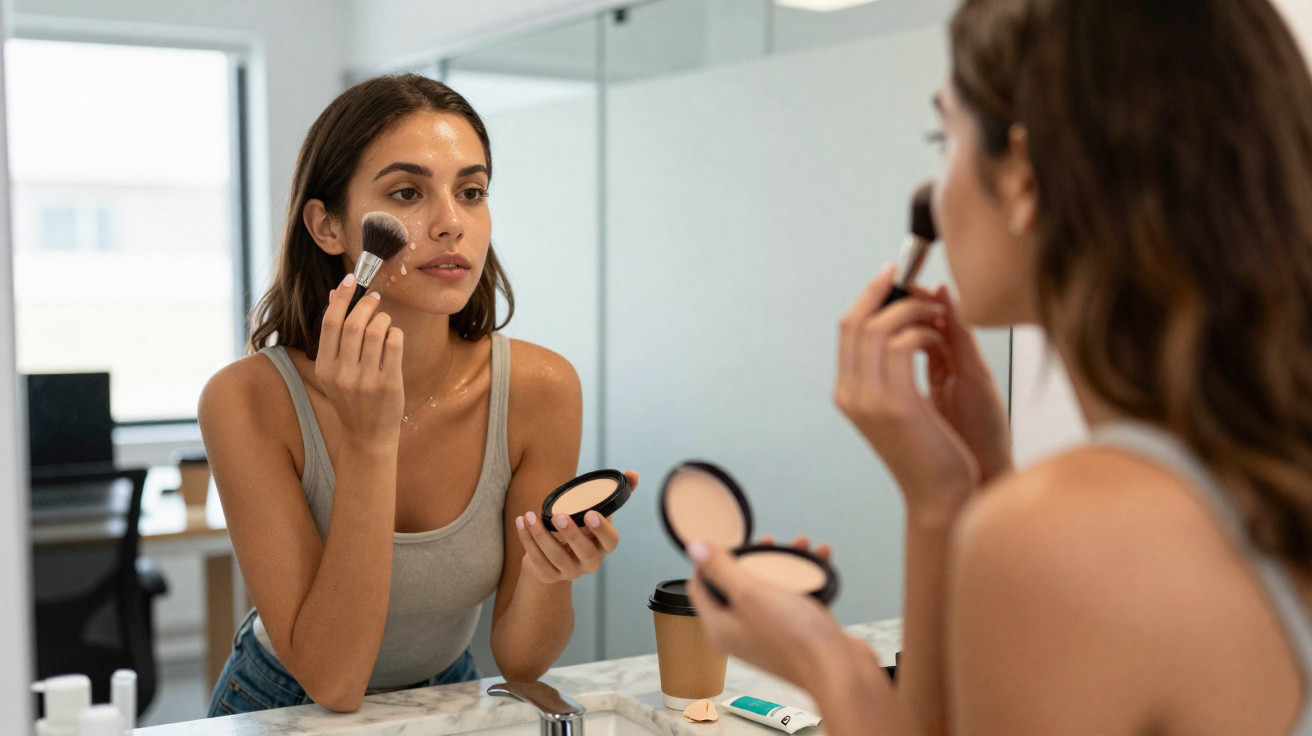
With its Astaxanthin Serum Drops, Weleda prioritises flexibility. Depending on personal preference and how the skin feels, the product can be used in two ways.
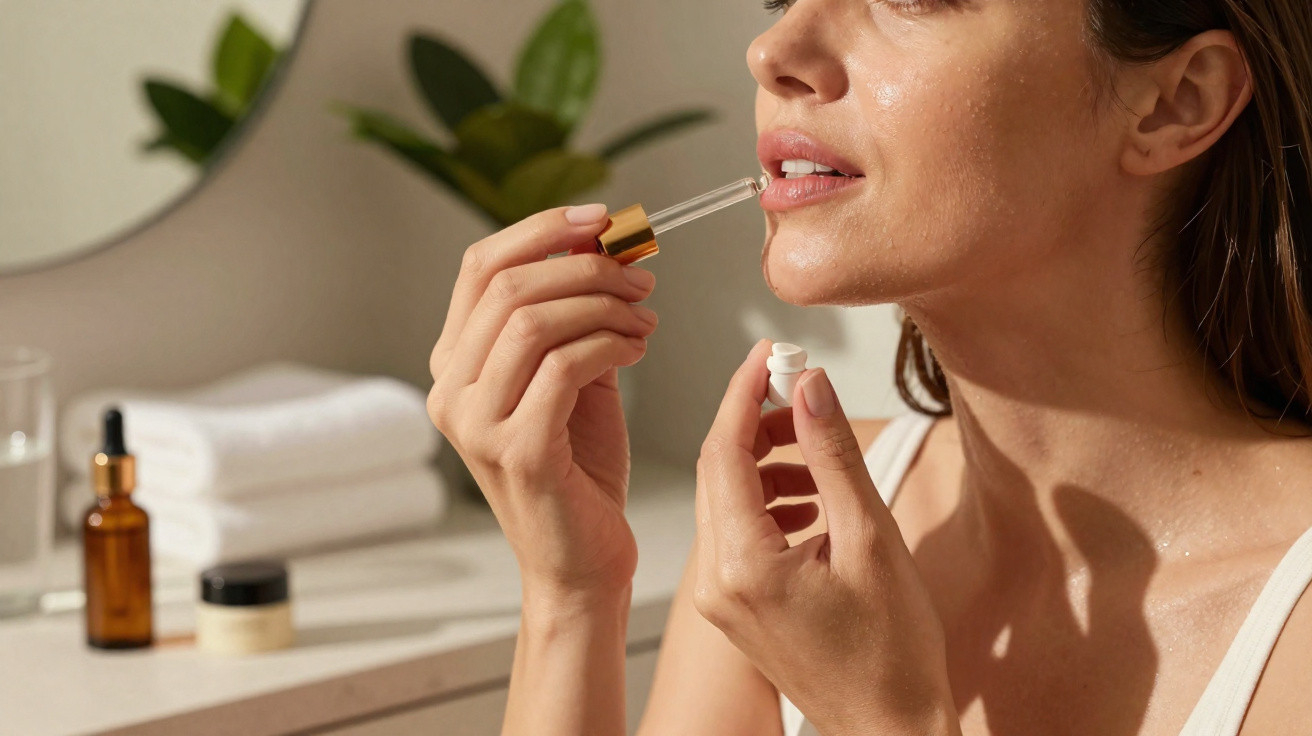
Option 1: Apply directly to the skin
- Cleanse the face and pat it dry gently.
- Place two to three drops of serum into the palm of your hand.
- Smooth over the face, neck and, if desired, the décolletage.
- Follow with a suitable moisturiser.
This approach can be especially useful when the skin looks particularly stressed, such as after a day in the sun or exposed to city air.
Option 2: Mix it straight into your cream
For a simpler approach, the drops can be blended directly with your usual day or night cream:
- dispense a small amount of cream into your palm
- add two to three drops of serum
- mix briefly and apply as normal
The benefit is that there is no extra skincare step and no need to layer three or four products, while still gaining an antioxidant boost.
Who is the anti-ageing serum suitable for?
Weleda states that the serum is suitable for every skin type. Its lightweight texture is neither greasy nor heavy, which may particularly appeal to people who usually avoid oil-based products.
The product is especially interesting for three groups:
| Skin type / situation | Why the serum may be suitable |
|---|---|
| Early fine lines, tired complexion | Supports the skin with antioxidants and may make the complexion appear fresher. |
| City dwellers, frequent sun exposure, stress | Helps protect against free radicals caused by environmental pollution and UV radiation (not a replacement for sun protection!). |
| Minimalist skincare routine | Requires only one additional step, or can be mixed into cream directly, without an overload of products in the bathroom. |
In particular, anyone who does not want ten different pots, ampoules and masks can use these drops as a relatively straightforward way to enhance their routine.
Weleda: a natural cosmetics pioneer with heritage
The product comes from a name that is difficult to miss in the natural cosmetics aisle: Weleda. The company has existed since 1921 and focused early on on skincare products made with predominantly natural ingredients.
Its range now includes facial care, body care, products for babies and dedicated lines for pregnant women. Many consumers associate the brand with a down-to-earth, “pharmacy-like” image – far removed from glamorous influencer brands, yet supported by a loyal customer base.
Astaxanthin Serum Drops carry the NATRUE seal. This label identifies certified natural cosmetics and places importance on transparent formulations. For people who wish to shop more consciously and avoid particular ingredients, this certification is often an important consideration.
How realistic are the anti-ageing claims?
The beauty industry’s big promises can quickly create expectations that no product can meet. This serum will not completely “erase” deep wrinkles either. Its potential lies elsewhere.
Antioxidants such as astaxanthin and white tea are primarily intended to shield the skin from future damage and soften the impact of existing stresses. In practical terms, this means:
- Fine lines may take longer to become deeper.
- The skin may look smoother and more awake overall.
- The complexion can appear more even and less dull.
Setting the right expectations is crucial: anyone who applies the serum a few times and anticipates spectacular before-and-after results will be disappointed. Those who make it part of their routine over the long term use it like a protective shield that gives conventional skincare a little more power.
How can the serum be combined effectively?
To get the most from the drops, it is worth considering the full routine. Useful combinations include:
- Morning: gentle cleansing gel, Astaxanthin Serum (applied directly or mixed in), moisturiser, followed by sunscreen with a high SPF
- Evening: thorough cleansing, perhaps a gentle exfoliant (not every day), serum, richer night care
Sun protection is particularly important. No anti-ageing active ingredient can make up for the long-term damage caused by UV rays. Used alongside consistent sun protection, the serum can do considerably more than it can when left to combat sunlight, smoke and stress alone.
Risks, limitations and points for sensitive skin to consider
As with any skincare product, intolerances are possible here too. Redness, tightness or itching are signs that it is better to stop using the product. Anyone with very sensitive or allergy-prone skin should ideally test a new serum on a small area first, such as the neck.
There is another point to bear in mind: astaxanthin is naturally intensely coloured. Depending on its concentration, the serum may appear lightly tinted. Normally this will not show on the skin, but it is worth checking it on the back of your hand before applying the product across the entire face for the first time.
For people with pronounced rosacea or inflammatory skin conditions, consulting a dermatologist before adding a new active serum to their routine remains advisable.
Why this serum is receiving so much attention
Its appeal lies in the combination: a recognised natural cosmetics brand, modern active ingredients, natural certification and a price far below that commonly charged for anti-ageing serums. For many people wanting to upgrade their skincare without spending a small fortune on the beauty shelf, that is an attractive proposition.
Whether someone ultimately adds Weleda Astaxanthin Serum Drops to their routine depends on how their own skin responds: anyone who notices smoother, less stressed-looking skin after a few weeks of use is unlikely to banish the little bottle from the bathroom in a hurry.








Comments
No comments yet. Be the first to comment!
Leave a Comment