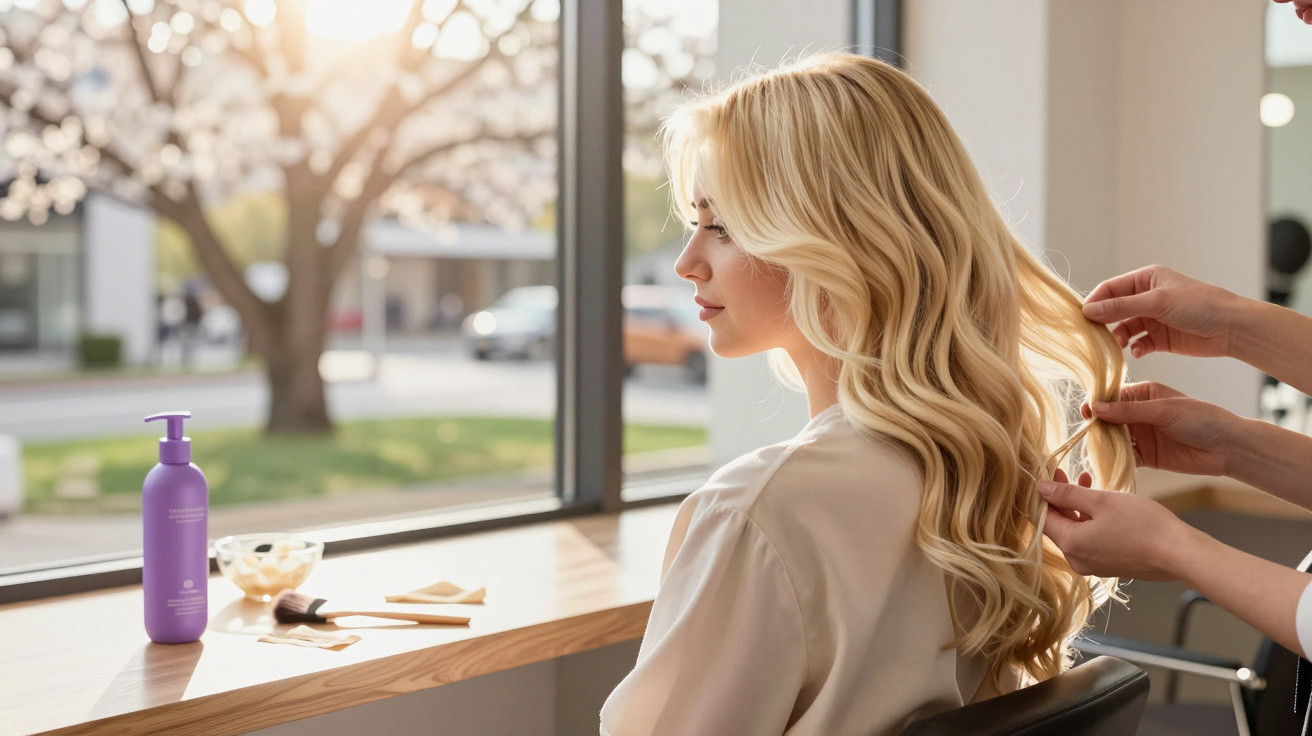
Pavlova Blonde is likely to crop up sooner or later for anyone wanting a noticeable yet understated change at the start of the season. Its name evokes a dessert, while the finish suggests an expensive salon blonde – a combination that makes this trend particularly appealing to many women across the UK.
What the Pavlova Blonde trend shade is all about
Visually, Pavlova Blonde takes its cue from a delicate meringue dessert: soft, airy and free from harsh lines. In colour terms, it is a very light, cool blonde built on a creamy base, woven through with subtle beige tones and the faintest touch of rose.
“Pavlova Blonde looks like naturally sun-lightened summer hair – only more controlled and far more refined.”
Dimension is essential to the look. Rather than appearing as one solid block of blonde, the colour should look lively as it catches the light. Cooler sections may stand out in some lighting, while warmer pieces come forward in others. This is precisely what sets Pavlova Blonde apart from stark platinum blonde, which can soon look artificial or flat.
The shade sits firmly within the current soft-glam movement: blended transitions, gentle contours and lower contrast, with more natural-looking elegance. Instead of announcing, “I’ve been to the hairdresser”, the finish should quietly suggest: “I just wake up like this.”
Who Pavlova Blonde genuinely suits
Although the shade looks delicate, choosing it requires careful consideration of your colouring. Pavlova Blonde is especially flattering for people with:
- very fair or fair skin;
- a cool or neutral undertone, such as rosy, slightly milky skin rather than a golden tan;
- naturally lighter hair, ranging from dark blonde to light blonde.
On very warm skin tones, this cool blonde can easily look out of place. It may leave the complexion looking washed out or tired. In these cases, colourists usually add more beige or lightly golden reflects to create a more harmonious overall result.
Signs that Pavlova Blonde could suit you
This short salon-style checklist can help you assess whether the shade may work for you:
- Silver and platinum jewellery tend to look more flattering on you than pure yellow gold.
- You burn easily in the sun and turn rosy rather than golden brown.
- Your natural regrowth is ash-toned or neutral, rather than honey-toned or reddish.
If none of these points apply, that does not mean the trend is off limits. However, it should be adapted to suit you – for example, with warmer highlights or softer, more neutral roots.
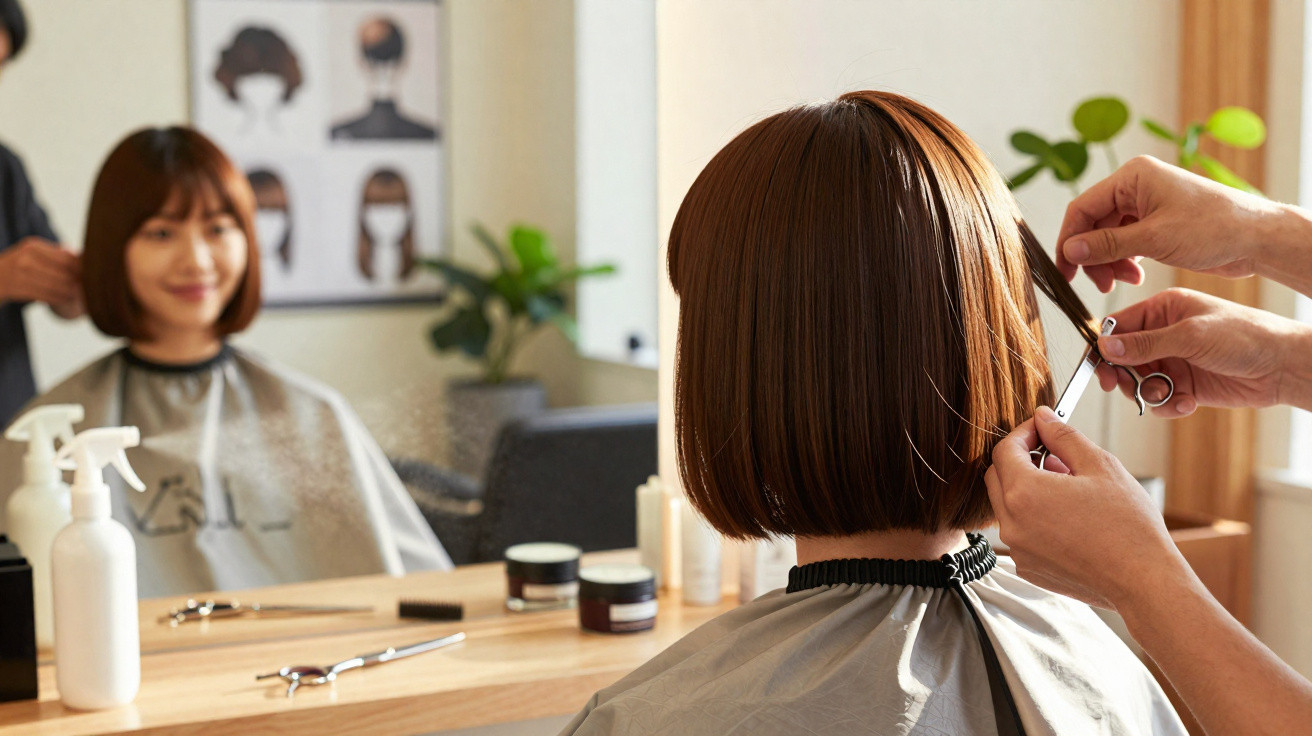
How Pavlova Blonde colouring is done in the salon
Anyone starting with medium brown hair or a darker shade will need patience. Several appointments are often required to reach the desired light finish without putting excessive strain on the hair’s structure.
Typical steps include:
- Gentle lightening across several stages;
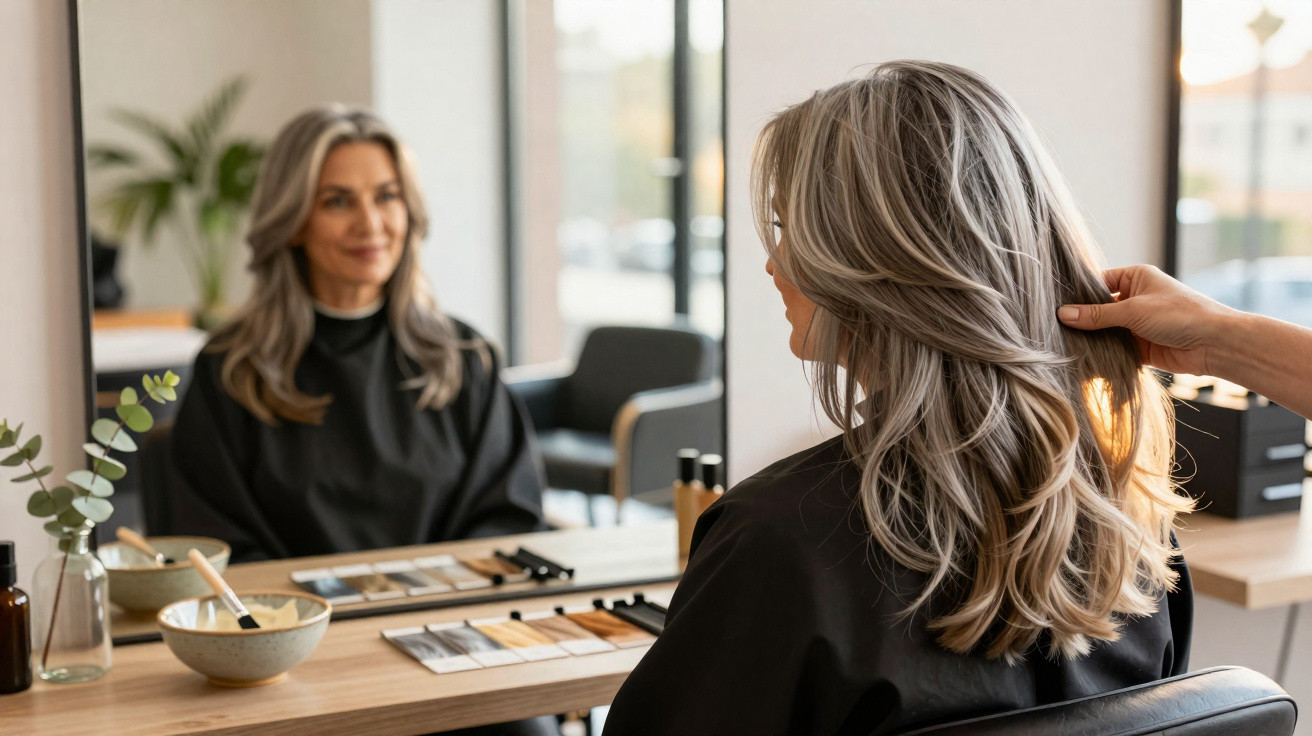
- freehand methods such as balayage or painting techniques to create seamless transitions;
- toner or gloss treatments in cool shades with a subtle rosy cast.
“The key to Pavlova Blonde lies less in the lightening itself than in the toning afterwards – that is what creates the delicate rose sheen.”
Many hairdressers will map out a colour plan spanning several months: lightening first, refining the tone later, then moving on to maintenance appointments only. This helps protect the lengths and prevents the dreaded breakage at the ends.
Pavlova Blonde care: keeping the shade refined rather than yellow
Very light blonde is rarely forgiving when care goes wrong. The basic rule is simple: the lighter the hair, the more delicate it becomes. Pavlova Blonde therefore calls for a considered routine.
Everyday care essentials
- Repairing masks: Once or twice weekly, use a treatment containing proteins for strength and emollients, such as oils or butters, for softness.
- Colour-refreshing shampoos: Products with violet or lightly rosy pigments counter yellow tones and help the cool shade stay clear for longer.
- Leave-in products: Moisturising sprays or creams that smooth the cuticle can give the hair a more attractive shine.
For heavily lightened hair, a routine consisting only of shampoo and conditioner offers little in the long term. The structure needs replenishing ingredients; otherwise, the lengths can quickly become dull and straw-like.
Heat protection and styling – essential for such light blonde hair
Straighteners and curling tongs intensify dryness. Those who still want waves and sleek styles should:
- apply a heat-protection spray every time before styling;
- lower the temperature used for heat styling;
- air-dry more often and use a brush and hairdryer only briefly.
“Without heat protection, Pavlova Blonde will look dull after just a few weeks – even if the colour has recently been done in the salon.”
Lightweight hair oils or shine serums provide the final touch. They coat the lengths like a fine film, reflect the light and consequently emphasise the multidimensional colour.
How often to recolour – and what does the trend cost?
The amount of work required depends greatly on the starting shade. Naturally dark blonde hair needs fewer appointments than deep brown hair.
| Starting colour | Initial work required | Maintenance |
|---|---|---|
| Dark blonde | 1 intensive appointment | Gloss or roots every 8–12 weeks |
| Medium brown | Usually 2 sessions | Adjustment every 6–10 weeks |
| Dark brown / black | Several stages | Close care and check-ups required |
Many salons position Pavlova Blonde at the higher end of their price range. This reflects the time involved, product costs and the precise balancing of the different tones. In return, the result looks noticeably more premium day to day than a basic all-over blonde from a box dye.
At-home care versus the salon: where the limits are
Social media is full of do-it-yourself guides for cool blonde hair. Professionals nevertheless caution against attempting the complete Pavlova Blonde look alone in the bathroom. Darker starting shades in particular can lead to:
- patchy lightening;
- severe breakage at the ends;
- uncontrollable warm or orange tones.
A sensible middle ground is to have the major colour transformation completed in the salon, then support it at home with toning shampoos, care masks and heat protection. This keeps the hair structure stable and helps the shade remain clear for longer.
Why Pavlova Blonde works so well for spring
The trend has arrived at the right moment. After grey winter months, many people crave a sense of lightness. Pavlova Blonde delivers exactly that: a fresh, bright look that does not demand attention as a dramatic new beginning, but instead feels like a gentle update.
Its soft transitions also pair naturally with light make-up: a tinted moisturiser, a little highlighter and a hint of rose on the cheeks are usually enough. The result is a harmonious everyday appearance that looks polished without feeling over-styled.
What to consider before making the decision
For all its appeal, Pavlova Blonde remains a demanding colour. Anyone already dealing with dry, fragile lengths or with very curly, sensitive hair should arrange a thorough consultation first. A good hairdresser may sometimes recommend consistently restoring the hair’s condition before beginning major lightening.
Useful preparation could include:
- using regular treatments for four to six weeks before the appointment;
- cutting back on heat styling;
- having split ends trimmed before colouring.
Those who take this preparation seriously are likely to find the transformation far more relaxed – and enjoy the light, creamy blonde currently receiving so much attention on social media and in salons for longer.

Comments
No comments yet. Be the first to comment!
Leave a Comment