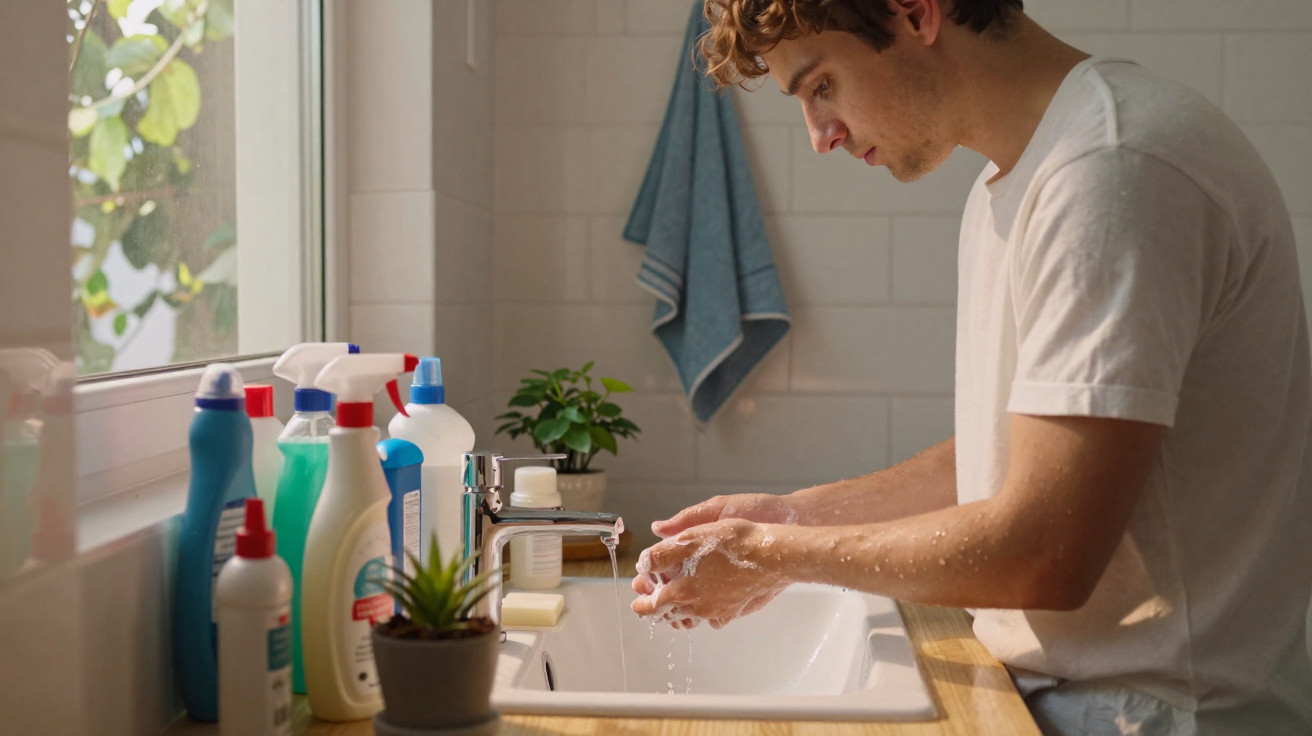
Two generous pumps of antibacterial soap, 40 seconds of scrubbing, then a paper towel deployed as a “protective glove” for the door handle. She emerged looking pleased with herself, almost triumphant. A minute later, another customer left the cubicle, ran her fingertips beneath the tap for two seconds and wiped them on her jeans. No soap. No remorse, either.
Somewhere between those two poles sits the peculiar reality of modern hygiene habits. We spray our homes until they carry the scent of artificial lemons, shower until our skin feels squeaky, disinfect shopping trolleys and phone screens, and occasionally even our fruit. It leaves us feeling cleaner, safer and more in charge.
But, almost unnoticed, certain rituals are achieving the reverse of what we intend. They can make us more vulnerable.
The hidden dark side of “feeling clean”
Most hygiene myths begin with a sliver of truth before turning into a social fixation. We catch a piece of advice on breakfast television, watch a viral TikTok on “bacteria horror stories”, and before long we are bleaching chopping boards twice daily. Being anything short of flawlessly clean can start to seem almost embarrassing.
Cleanliness becomes something to perform. A scented candle in one corner, a disinfectant wipe in another, a bathroom with the fragrance of a spa and a kitchen smelling of a swimming pool. We connect “good hygiene” with being a good parent, partner and even a capable adult. It also filters quietly into how we assess other people, from the appearance of their hands to the smell of their clothes.
Yet human bodies were never built to exist in a sterile bubble. They resemble busy cities, populated by invisible housemates we did not ask for but very much need. The harder we battle them, the more unusual our health can become.
Consider hand sanitiser. It is an excellent resource in hospitals and crowded public spaces, but it arrived in our homes as a sort of magical shield. Squirt, rub, finished. Bottles hang from school bags, occupy car cup holders and roll about in prams. Its use was logical during the pandemic. The routine, however, remained.
Dermatologists around the UK now see more cracked, inflamed hands. Parents describe children developing red, itchy skin after repeated gel use. At the height of Covid, a survey by a British skin charity found that people washed or sanitised their hands more than 30 times a day - and many did not fully return to their previous habits. The skin barrier, our unobtrusive protective wall, cannot always withstand that degree of assault.
There is more subtle harm as well. Excessive use of “anti-bac” products in ordinary, non-medical environments can erode the varied, beneficial population of microbes living on our skin and household surfaces. These are the microbes that educate our immune systems and help restrain more harmful bugs. You are not merely removing germs; you are remodelling a whole ecosystem with a sledgehammer.
Our dread of dirt often begins in childhood. “Wash your hands or you’ll get sick.” “Don’t touch that, it’s filthy.” Such cautions come from affection and a wish to keep children safe. But they can merge into a haze of partial truths and superstition. At some point, “dirt” became one all-purpose foe, while every bacterium was cast as a villain.
The truth is more complicated. Children raised on farms or alongside pets, who play in mud and share toys that have unquestionably been in somebody else’s mouth, often go on to have fewer allergies and less asthma. Their immune systems practise, falter and adjust. That is not an argument for licking the floor as a wellness strategy. It simply suggests that our bodies anticipate a certain level of microbial disorder.
Hygiene myths thrive when we mistake “no visible mess” for “healthy”. A spotless bathroom may still have fungi lurking in the grout. A somewhat marked wooden chopping board may be safer than a shiny plastic one containing invisible knife scratches. A heavily fragranced home may conceal indoor air that aggravates the lungs and sinuses. A polished finish does not reveal the full picture.
Hygiene habits that quietly backfire - and what to do instead
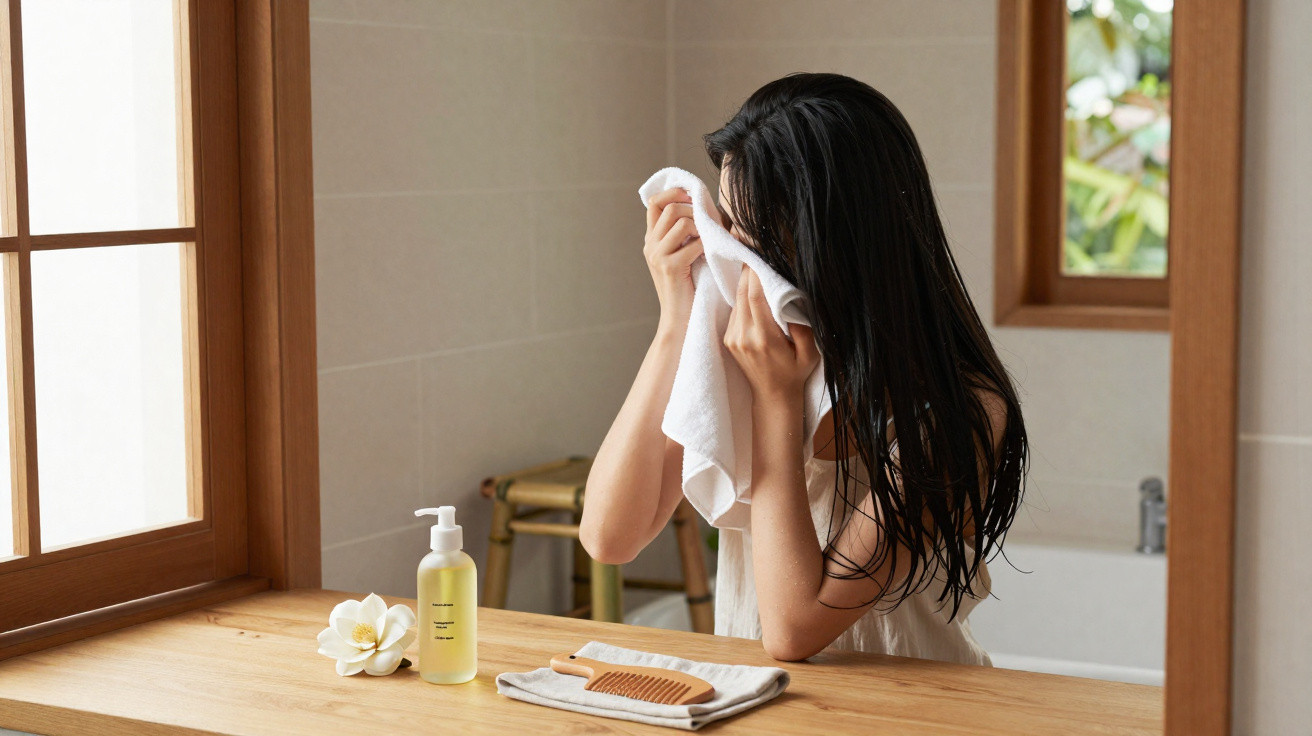
Start with showering. In the UK, showering every day is a cultural expectation and, for many people, non-negotiable. Yet dermatologists keep making the same understated point: many of us wash too frequently with products that are much too severe. The outcome is dry, taut, itchy skin, which then requires costly creams just to feel comfortable again.
Very hot water and powerful shower gels remove natural oils and disrupt the skin microbiome. This unseen community of bacteria, fungi and viruses is not simply “gunk”; it helps to keep skin settled and robust. For many healthy adults, a mild shower every other day - concentrating on the armpits, groin and feet - is entirely adequate. On the days between, a quick wash of the important areas with a flannel is enough.
Yes, this runs counter to what many of us learned while growing up. But in cooler climates, scrubbing the whole body every day is frequently driven more by social convention than health needs. Your own sense of smell is a more useful guide than any rigid rule.
Then there is the belief in a “deep-cleaned” home. Antibacterial sprays go over kitchen worktops, bathroom basins and even soft furnishings. Brands claim to destroy 99.9% of bacteria, as though that figure alone ensures safety. What tends to get overlooked in the small print is straightforward: in most everyday homes, plain soap and water are already remarkably effective.
Research comparing traditional cleaning with antibacterial products in typical homes has found little additional benefit in routine areas. What made a difference was focusing on genuine high-risk points: kitchen sponges, chopping boards used with raw meat, bathroom taps and toilet flush handles. If ignored, these can become playgrounds for harmful microbes.
Most of the home calls for far less fuss. Vacuum, dust, wipe surfaces with a mild detergent and open the windows. That is all. Immaculate, Instagram-ready “disinfection routines” often contribute more to content than to health.
Oral hygiene has its own set of myths. Some people brush after every snack and drink because they believe more is invariably better. Dentists see the consequences: enamel worn down by excessive zeal, particularly when brushing immediately after acidic food or fizzy drinks. The tooth surface is slightly softened at that point, and a toothbrush can behave like sandpaper.
Two careful brushes each day using fluoride toothpaste are still the gold standard. Floss or interdental brushes once daily reach the places bristles cannot. Mouthwash can help, but it is not a replacement for brushing. And those “whitening” toothpastes that feel gritty? Many are simply abrasives marketed cleverly. Over time, they may make teeth appear duller rather than brighter.
“Good hygiene” can gradually become anxiety. There is the relentless handwashing, alarm when someone coughs nearby, and the fear that a kitchen not scrubbed to within an inch of its life must be unsafe. On a difficult day, the world can seem coated in invisible hazards. One wrong action, one wipe forgotten, and it feels as though you have failed.
That is draining on a personal level. Medically, it may also contribute to obsessive-compulsive patterns, in which the target of “feeling clean” constantly recedes. It is a little like attempting to tidy a beach: the more you fight every grain of sand, the more it consumes your day.
As one London-based GP put it:
“There’s a difference between sensible hygiene and living in constant battle with your own environment. Your body is not a crime scene that needs to be scrubbed for evidence.”
Some of the most persistent hygiene myths appear in minor daily routines:
- Applying deodorant spray directly to newly shaved skin, then being surprised when it stings.
- Wearing underwear so tight overnight that the skin never has a chance to breathe properly.
- Using scented wipes in intimate areas and describing it as “freshness”.
They may not seem dramatic or dangerous. Nevertheless, they can quietly irritate, inflame and upset the natural balance, all in pursuit of being “extra clean”.
Learning to live with the right amount of “dirty”
There is a gentler, steadier approach to hygiene: view it not as a daily conflict with germs but as a truce. Choose the battles that matter. Wash hands properly before eating and after using the loo. Clean the kitchen thoroughly after handling raw meat. Keep bathrooms reasonably fresh. For the rest, ease off a little.
That could mean choosing plain, fragrance-free soap over harsh antibacterial gels at home. It may involve accepting that some garden soil beneath a child’s fingernails will not destroy their immune system. It might even mean missing a late-night shower when you are exhausted and have not exactly run a marathon that day. Let’s be honest: nobody truly does that every day.
In practical terms, experts tend to repeat one central message: concentrate on hands, food, toilets and wounds. These are the principal routes through which real infections spread. A 20-second wash with soap, covering palms, backs of hands, fingers and the area under nails, remains one of the most powerful health measures humanity has devised. No elaborate gel is necessary.
We should also make room to acknowledge that hygiene is emotional. Fresh bed linen can feel like a reset. After an awful day, a hot shower can feel almost sacred. In a chaotic home, a newly mopped floor can offer a delicate sense of calm. Such rituals matter to our minds as well as our approach to germs.
During a difficult week, polishing the bathroom taps may be the only manageable thing. That is not “irrational”; it is human. The danger begins when every worktop, doorknob and shared item becomes something to fear, and a missed cleaning session feels like a personal failure rather than ordinary life.
One infectious disease specialist expressed it simply:
“Aim for ‘reasonably clean’ and ‘mentally okay’, not ‘perfectly sterile’ and constantly terrified.”
That boundary - between care and fear, ritual and obsession - varies from one person to the next. Giving it a name can still help.
Here is the understated truth seldom heard in adverts or viral hacks: microbes will win eventually. They existed first, and they will remain long after the latest scented spray disappears from supermarket shelves. The aim is not to eliminate them, but to coexist with them without becoming ill too often.
This requires accepting a little uncertainty: the bus handrail you needed to hold, the handshake you did not avoid in time, the toddler who decided your phone looked appetising. We cannot scrub our way out of being alive. Perhaps that is reassuring.
At a deeper level, our attitude to hygiene reflects our relationship with control. How much disorder can we bear - at home, on our skin and in our lives - before anxiety takes hold? How much “good dirt” will we accept in return for a body that is more resilient and less reactive?
We live in a culture promising that we can purchase safety and purity: new wipes, new gels, new gadgets that blast toothbrushes with UV light and sterilise shoes. Some of these have genuine value. Others are simply reassurance sold in a bottle.
The hygiene myths that cause the most harm are often those that initially sound most reasonable. Wash more, scrub harder, sanitise everything. The modest act of rebellion is to stop and ask: “Is this really helping my health, or just calming my fear?” That single question can alter how you enter the shower, reach for a cloth or assess the speck of dust on your bedside table tonight.
| Key point | Detail | Benefit for the reader |
|---|---|---|
| Over-cleaning the skin | Showers that are too frequent, harsh gels and excessive use of disinfectants | Understand why dry skin, eczema and irritation are becoming more common |
| Obsession with disinfection | Widespread use of antibacterial products at home without any genuine benefit | Save time and money by concentrating on the actions that matter |
| Microbiome and “good dirt” | Our protective microbes need at least some contact with the environment | Ease anxiety and support immunity rather than making it more fragile |







Comments
No comments yet. Be the first to comment!
Leave a Comment