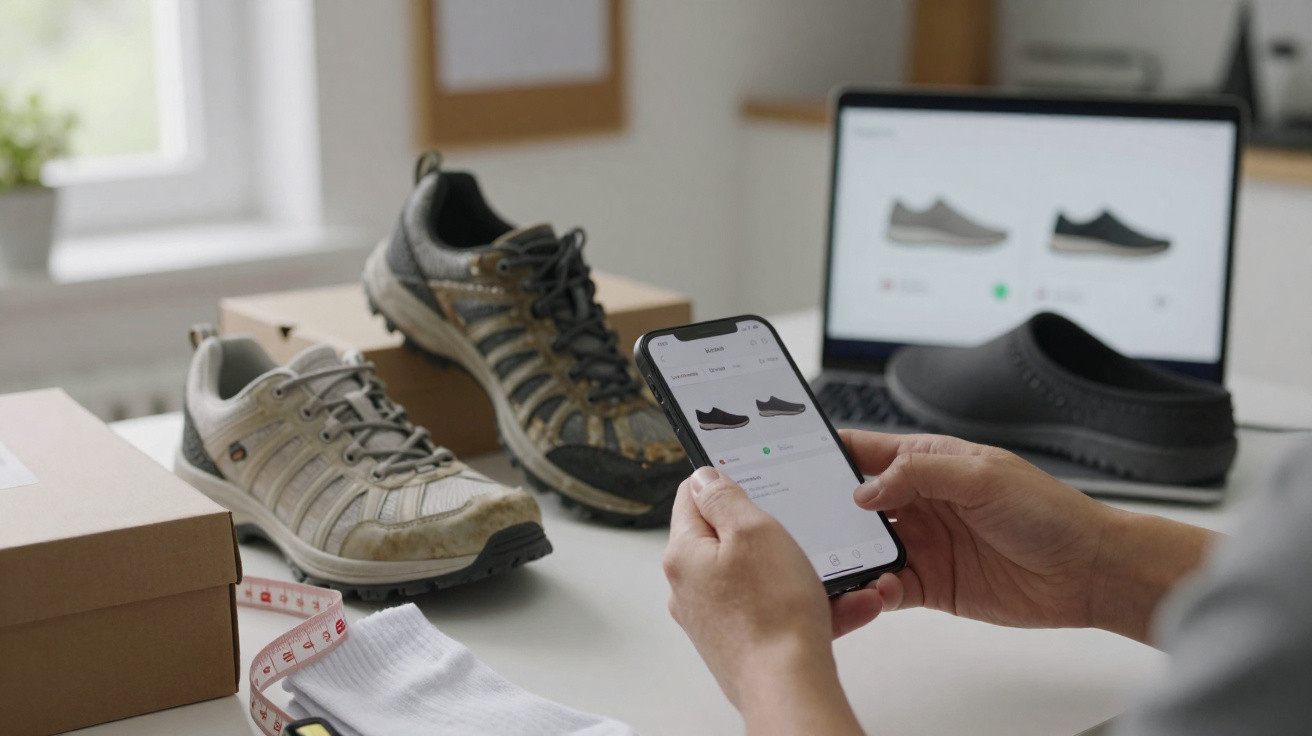
A reduced price can make replacing worn-out trainers feel far less painful, but footwear offers are not always as straightforward as they look. The same Skechers style can be priced differently by colour, width and size, while a large percentage-off label does not automatically mean it is the best value.
The most useful trick is to decide what the shoe needs to do, then compare the exact style, colour and size at a few reputable retailers. Whether you need easy-on Slip-ins for everyday errands, walking shoes or sandals for a holiday, a few careful checks can help you find a genuine saving rather than simply a tempting badge.
The cheapest pair is only a bargain if it fits properly, suits the job and is a price you would genuinely be happy to pay.
Start with the type of shoe you actually need
Skechers has a broad range, and similar-looking styles may be designed for very different uses. Decide what your new pair must do before opening sale pages.
- Walking trainers: Look for a secure heel, suitable grip and an upper that feels comfortable for the distances you plan to walk.
- Slip-ins and hands-free styles: Handy for quick trips, school runs or anyone who finds bending difficult. Check that the heel still feels secure when you walk.
- Casual trainers and loafers: Often a lower-priced choice for everyday wear, but not necessarily intended for exercise.
- Sandals: Useful for warm-weather trips and indoor wear. Adjustable straps can be especially helpful if your feet swell in heat.
- Slippers and cosy boots: A practical autumn and winter purchase when cold, wet mornings arrive.
- Running shoes: Choose shoes designed for running rather than assuming every cushioned trainer is suitable.
- Work footwear: Some styles may have slip-resistant soles or other protective features, but check the exact specification required by your employer before buying.
A soft insole can feel pleasant at first, but it is only one part of the shoe. Fit, stability, grip and the shape of the upper matter just as much.
Search by the exact style name, not just “Skechers sale”
General sale pages are useful for browsing, but an exact product search is better for comparing prices. Once you find a pair you like, note the full model name, colour and whether it is listed as women’s, men’s or unisex.
A retailer may list a Go Walk, Summits, D’Lites, Arch Fit or BOBS style at a low starting price. That headline price could apply only to one colour in a limited size range. Search the same full style name at Skechers’ UK site and established footwear retailers such as Schuh, Office, Next or John Lewis where relevant.
A quick price-check routine
- Choose your usual size first, rather than focusing on the cheapest displayed option.
- Open every available colour in that size, as black, navy and white can cost more than seasonal shades.
- Check delivery charges and the returns policy.
- Look at the final basket total, including any delivery threshold.
- Save a screenshot or note of the price if you are waiting for a sale event.
Marketplace prices can change quickly, so treat any displayed figure as a snapshot rather than a promise. The price in a search result can also change once you select your size and colour.
Know when footwear discounts are most likely
There is no need to buy only during a major shopping event. Promotions can bring worthwhile reductions, but they can also create pressure to buy before you have checked the details.
In the UK, seasonal clearances are often worth watching. Sandals may be reduced towards the end of summer, while slippers, boots and winter styles can appear in sales after the colder months. Black Friday and Boxing Day promotions may offer a wider choice, although popular sizes can sell out quickly.
Amazon Prime events may be worth monitoring if you already have Prime and know the usual price. Do not take out a membership solely because a sale banner suggests a saving: consider the membership cost, your delivery needs and whether another retailer has matched the price.
A sale is only a useful deadline when you had planned to buy the item anyway.
Compare the details that affect comfort
Two similarly priced pairs can suit very different days. Read the product description and look closely at the photographs rather than relying on star ratings alone.
For everyday walking, useful details may include:
- a flexible outsole with suitable grip;
- enough room through the toe area;
- laces, straps or elastic that keep the foot from sliding;
- cushioning that feels comfortable without making the shoe unstable;
- a washable upper only where the care label confirms it;
- a removable insole if you use your own orthotics.
Slip-on designs with decorative laces may not be adjustable. That is not necessarily a problem, but it makes getting the right fit more important. For sandals, check whether the straps fasten with hook-and-loop tabs, buckles or fixed elastic; fixed straps offer less adjustment.
If you are considering a pair described as wide fit or relaxed fit, read reviews with care. Feet vary enormously, and one shopper’s roomy fit may feel loose to another. Reviews can highlight repeated concerns, such as a narrow toe area or heel rubbing, but they cannot replace trying shoes on at home.
Use vouchers and price tools carefully
Voucher codes, newsletter offers and cashback sites can reduce the total further, but only if their conditions are clear. Check minimum spends, expiry dates, excluded products and whether a code works on already reduced footwear.
Price-tracking tools can be useful when buying from marketplaces, especially if you are not in a rush. They may help you judge whether a claimed reduction is unusual for that item. They cannot tell you whether the shoe is right for your feet, whether your size will remain in stock or whether another retailer has a better returns policy.
If a marketplace seller is unfamiliar, check:
- who is selling and dispatching the item;
- seller feedback and the return address;
- whether the listing clearly states the model and condition;
- how returns for unwanted footwear are handled.
Be cautious with prices that seem implausibly low, vague product titles, stock photographs that conflict with the description, or sellers asking you to pay away from the retailer’s checkout.
Check fit indoors before committing
When your shoes arrive, try them on indoors on a clean carpet or mat while the soles are still pristine. Wear the socks you would normally use and walk around the house for several minutes.
Your toes should not press against the end, your heel should not repeatedly lift, and nothing should pinch straight away. A new sole can feel firmer than an old pair, but pain, numbness or pronounced rubbing are reasons to reconsider the fit rather than hoping the shoes will stretch dramatically.
Keep the packaging until you are sure. Return periods and acceptable-condition rules vary, so read the policy before wearing a pair outdoors.
If you need footwear for work
Do not assume that a trainer described as slip-resistant meets a particular workplace requirement. Check your employer’s specification and the product’s stated safety information. Toe protection, electrical protection and slip resistance are separate features, and the required standard depends on the job.
Common mistakes when buying discounted Skechers
- Buying a half-size too small because it is the only discounted option.
- Comparing a sale price with an unclear or inflated “was” price.
- Forgetting that delivery, returns or membership costs can change the saving.
- Treating a casual shoe as a running shoe or protective work shoe.
- Assuming every colourway uses the same materials or costs the same.
- Ordering from a third-party seller without checking who handles returns.
- Wearing a new pair outdoors before confirming the fit.
Make your saving last beyond the checkout
Once you have found a good price, care helps avoid a false economy. Follow the care label rather than putting every pair in the washing machine. Remove loose dirt gently, air shoes away from direct heat and alternate pairs where possible so damp footwear can dry fully.
In Britain’s wetter months, drying shoes properly after walks on pavements, in parks or on muddy paths can help keep them fresher and more comfortable. Never place footwear directly on a radiator or use intense heat, as this can damage adhesives, coatings and some uppers.
The best Skechers deal is not necessarily the largest percentage reduction. It is the pair that suits your routine, fits comfortably at home, comes from a retailer you trust and still looks good value after every extra cost has been counted. Set a target price, check the exact size and colour, and be ready to walk away if the offer does not add up.














Comments
No comments yet. Be the first to comment!
Leave a Comment