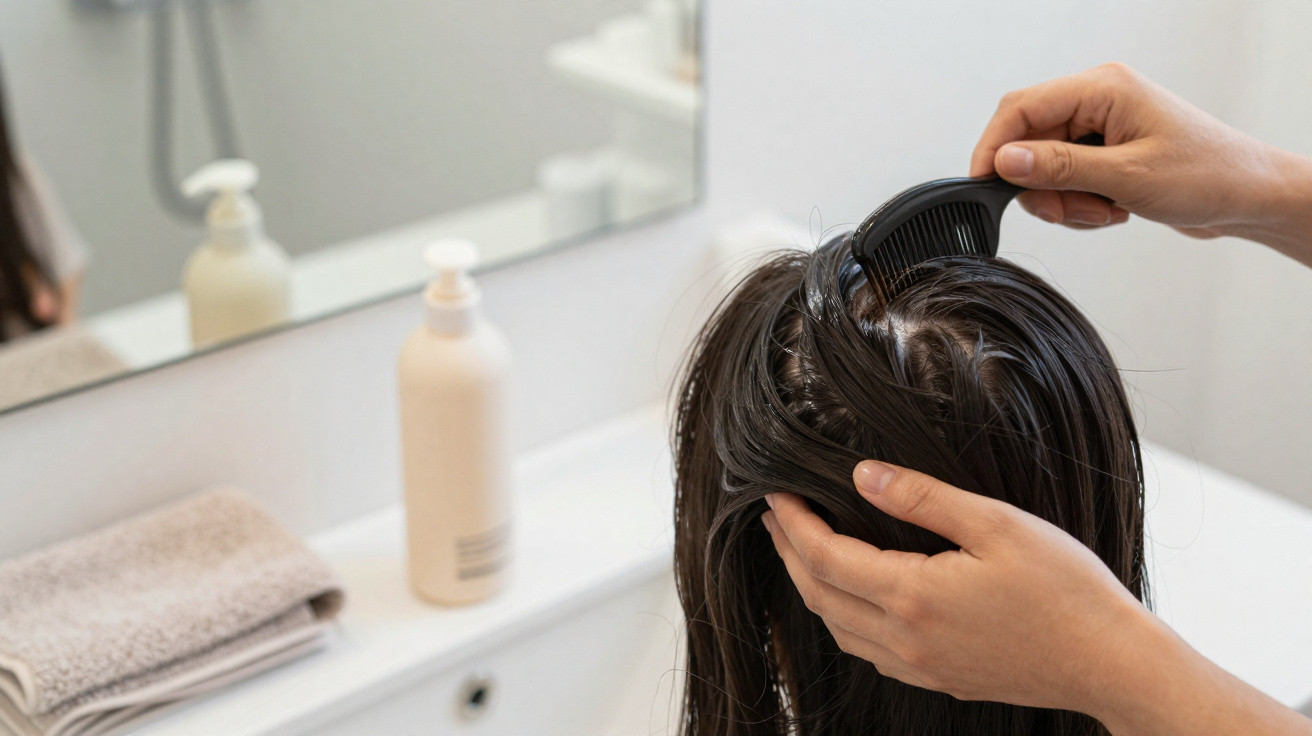
A low-priced shampoo on a neatly stocked shelf can make a very tempting promise: fresher roots, more lift and perhaps a little help with visible greys, all without spending much. The useful trick is to look beyond the buzz. A budget shampoo can earn a place in your routine, but only if it matches the job you actually need it to do.
The 5,000-won Daiso find in the title is a reminder that affordable, targeted haircare is popular. Yet a shampoo’s price, packaging or sales claims cannot tell you whether it will suit your scalp. Focus instead on your hair’s condition, your washing habits and how your skin responds after use.
Why inexpensive shampoo is so appealing
Haircare is an easy category to overbuy. A new shampoo may promise volume, scalp comfort, colour care, shine and repair in one bottle, while a lower price makes it feel harmless to add to the basket.
There is nothing wrong with choosing affordable products. In the UK, Boots, Superdrug, supermarkets and salon suppliers all sell shampoos across a wide range of prices. The important distinction is between a product that is inexpensive and one that is unsuitable for you.
A shampoo’s main task is to cleanse the scalp and hair without leaving either excessively dry, coated or uncomfortable. Everything else is secondary.
A good shampoo does not need to do everything. It needs to clean your scalp well enough without making your hair harder to manage.
Give each product one clear job
Hair concerns often overlap. You might have oily roots and dry ends, fine hair that looks flat by the afternoon, or greys around the parting alongside a sensitive-feeling scalp. That does not mean you need a shelf full of specialist products.
Before buying anything, identify the concern you most want to tackle:
- Oily roots or product build-up: use a shampoo that cleanses thoroughly, with attention paid to the scalp.
- Dry, coloured or bleached lengths: choose a gentler wash and use conditioner mainly through the mid-lengths and ends.
- Fine hair lacking lift: avoid applying rich conditioner or masks at the roots.
- Visible flakes: use an appropriate anti-dandruff shampoo as directed, rather than scratching or scrubbing hard.
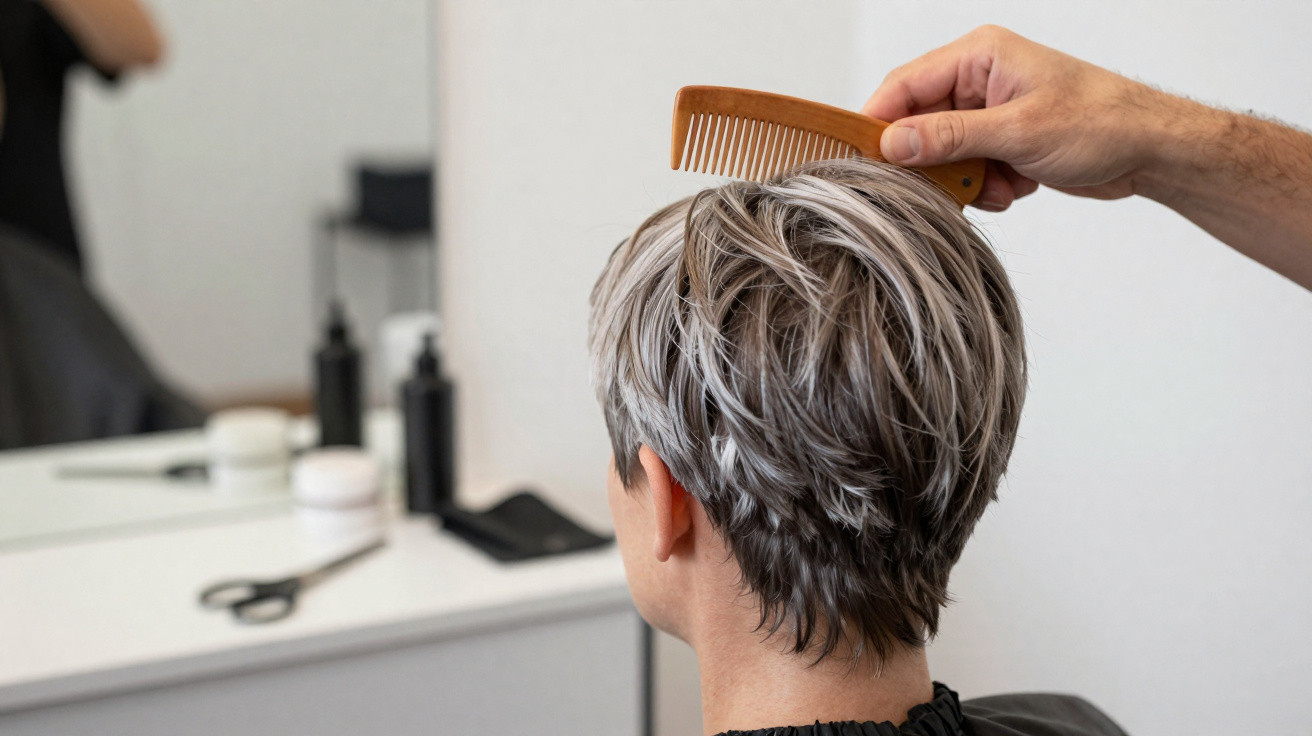
- A few greys between colour appointments: consider a temporary root touch-up product, following the safety instructions carefully.
No shampoo can permanently make each individual hair strand thicker, reverse hair loss or treat a medical cause of scalp discomfort. Be wary of claims that sound as though one wash can transform everything.
What scalp care means in real life
“Scalp care” can sound complicated, but your scalp is skin. A practical routine aims to remove oil, sweat and styling residue while avoiding irritation.
How often you wash is personal. Some people need to shampoo most days, particularly if their scalp becomes greasy quickly or they exercise frequently. Others find that washing less often works better for their hair texture and styling routine. There is no prize for stretching washes if your scalp feels uncomfortable.
If you use dry shampoo, hairspray, wax, oils or leave-in products, remember that these can build up over time. A clarifying shampoo can occasionally be useful, but it is not usually needed at every wash. Frequent clarifying can leave dry, curly, coloured or bleached hair feeling rough.
A simple scalp-wash routine
- Wet the hair thoroughly with lukewarm water. Very hot water can feel drying on the scalp and lengths.
- Apply shampoo mainly to the roots. If your hair is thick or long, part it into sections so you can reach the scalp properly.
- Massage with your finger pads. Avoid using your nails, which can scratch the skin.
- Rinse carefully. Product left behind can make roots feel coated or itchy.
- Condition the lengths. Concentrate richer formulas from around ear level downwards if your roots become flat easily.
Be realistic about volume shampoos
A volume shampoo can help by cleansing away oil and avoiding heavy conditioning ingredients at the root. It may make hair feel lighter and easier to style. It cannot, however, replace the effect of a haircut, drying technique or styling product.
For better lift at the crown, try combining your shampoo with a few straightforward habits:
- Rinse conditioner particularly well.
- Avoid masks and oils near the scalp.
- Change your parting occasionally if hair is flattened in one direction.
- Dry the roots first, lifting them gently with your fingers or a brush.
- Use styling products sparingly, adding more only if needed.
If your hair suddenly appears much thinner, you notice increased shedding, or your scalp is persistently sore or inflamed, cosmetic haircare is not the answer. Speak to a pharmacist, GP or qualified dermatologist for tailored advice.
Take care with grey-cover shampoos
Products marketed for grey hair vary widely. Some are temporary touch-up formulas designed for the hairline or parting. Others deposit colour gradually over repeated use. Neither should be treated casually simply because it looks like a shampoo.
Read the label before using any product intended to alter hair colour or the appearance of grey strands. Check how long it should be left on, whether it is suitable for previously coloured or chemically treated hair, and whether it may stain towels, hands, pillowcases or porous bathroom surfaces.
Patch testing is not optional
Follow the manufacturer’s patch-test directions exactly, including the waiting time. A product that was fine previously can still cause a reaction at a later date.
Do not use colour-related products on broken, irritated, sunburnt or inflamed skin. Stop using the product if you develop burning, swelling, a rash or marked discomfort. Rinse it away promptly; seek urgent medical help if you have breathing difficulty, facial swelling or other severe symptoms.
“Tingling” is not something you need to tolerate. A product should not leave your scalp sore, tight or persistently itchy.
Buying imported haircare safely in the UK
Daiso stock differs between countries, so a product displayed in South Korea may not be sold through UK retailers. If you find imported haircare online, take a little extra care before ordering.
Look for:
- a sealed product that is within its stated shelf life;
- a complete ingredients list;
- clear instructions and safety information you can understand;
- a reputable seller with a UK contact route and returns information;
- packaging that does not appear damaged, altered or decanted.
Avoid relying on marketplace photographs alone. If there is no ingredients list, no batch information or no usable instructions, choose something else. It is particularly important not to take risks with colour-depositing products or products marketed for a sensitive scalp.
Common mistakes that leave hair dull or flat
Shampoo is often blamed when the problem is actually routine or technique. These are common slip-ups:
- Applying conditioner from root to tip when your hair is fine or quickly greasy.
- Scratching the scalp with your nails during every wash.
- Using dry shampoo for several days without properly cleansing.
- Introducing several new products at once, making irritation difficult to identify.
- Using a clarifying shampoo too frequently on dry or coloured hair.
- Expecting a grey-cover product to work like permanent salon colour.
- Buying imported cosmetics without checking ingredients and directions.
Also avoid mixing household cleaning products in an attempt to remove hair dye marks from a bathroom. Never mix bleach with acids, ammonia-containing products or other cleaners. Ventilate the room and follow the instructions for any cleaning product you use.
Build a smaller, more useful routine
A sensible routine can be as simple as one shampoo suited to your scalp, one conditioner suited to your lengths and one optional targeted product. That might be an occasional clarifying shampoo, an anti-dandruff treatment or a temporary grey root touch-up.
Introduce one new item at a time and give it several washes unless it causes discomfort. Notice how your scalp feels, whether your roots look greasy sooner than usual and whether your ends remain easy to comb. Those everyday signs are more useful than a dramatic claim on a shelf label.
Affordable haircare can be genuinely effective when chosen with care. Pick one clear aim, use the product as directed and let your own hair and scalp decide whether it deserves a repeat purchase.












Comments
No comments yet. Be the first to comment!
Leave a Comment