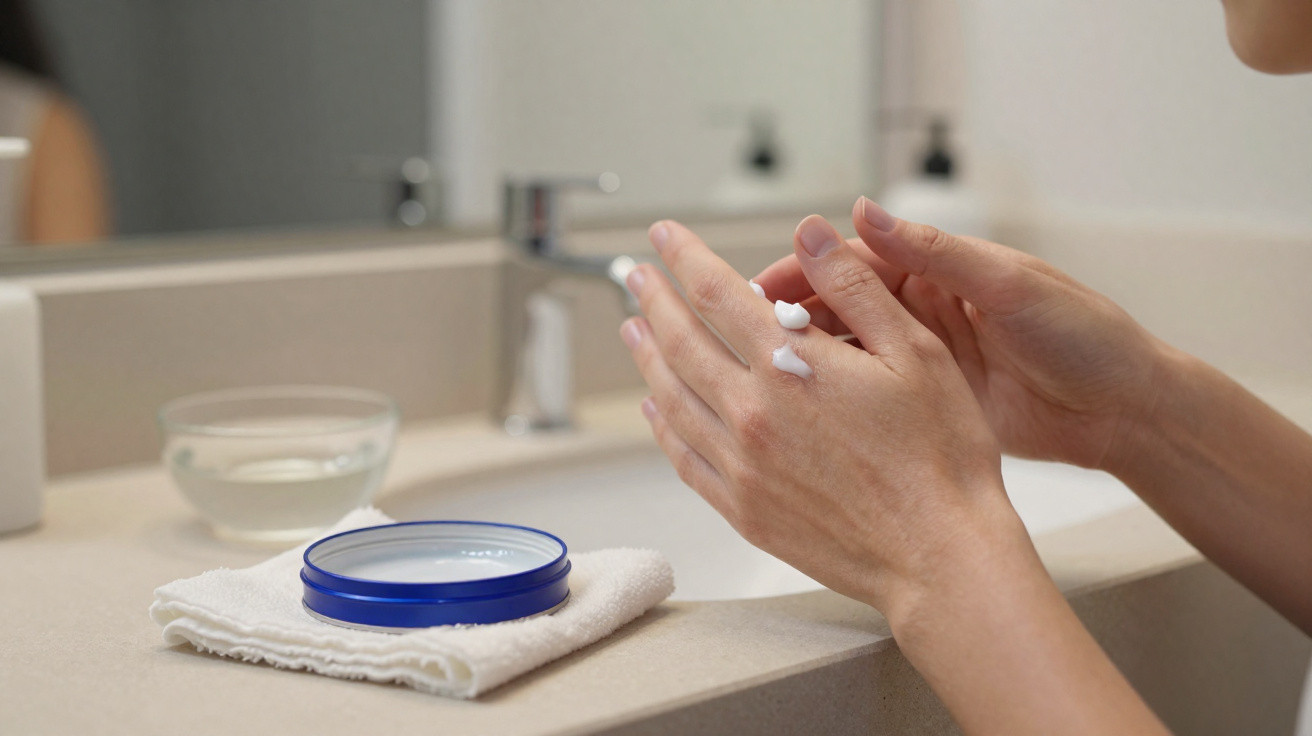
Fine lines often look more obvious when skin is dry, tight or tired-looking - something many people notice during colder weather, after central heating or when they have overdone exfoliation. A rich moisturiser, including the classic blue tin Nivea cream, can make dry skin feel softer and temporarily make dehydration lines appear less noticeable.
But the claim in the title needs correcting: no moisturiser can eliminate wrinkles. A rich cream can reduce moisture loss from the skin’s surface and give a smoother-looking finish, but it cannot remove established lines caused by ageing, facial movement or sun exposure.
What a rich cream can - and cannot - do
The blue tin cream has a thick, occlusive texture. In simple terms, it sits on the skin’s surface and helps slow down the loss of water. On dry skin, that can make the complexion feel more comfortable and less rough.
This may temporarily soften the appearance of fine lines that are emphasised by dehydration. It does not alter deeper wrinkles or change the structure of the skin.
A moisturiser can improve the look and feel of dry skin, but smoother-looking skin is not the same thing as wrinkle removal.
That does not make it a useless product. Used appropriately, a richer cream can be particularly helpful on dry areas such as the cheeks, around the nostrils, the lips, neck and décolletage.
Who may get on well with it
A dense cream is not automatically suitable for every face. Skin type, sensitivity and the rest of your routine all matter.
The blue tin may work well for:
- dry or very dry skin, especially in autumn and winter;
- skin that feels tight after cleansing;
- occasional overnight use on normal skin;
- dry patches around the nose, cheeks or jawline;
- the neck, hands, elbows and other dry body areas.
It can feel too rich for oily, combination or spot-prone skin, particularly on the forehead, nose and chin. Some people may also find fragranced products irritating, especially if their skin is already sore or reactive.
If you have combination skin, treat it as a targeted moisturiser rather than an all-over face cream. A small amount on dry cheeks may be more comfortable than applying it over the T-zone.
How to apply it without overdoing it
Facial massage can be a pleasant way to apply moisturiser, but it will not lift the face or erase lines. The useful part is the moisturising step itself, so keep pressure gentle and avoid pulling at the skin.
1. Apply it to clean, slightly damp skin
Cleanse as usual and pat your face dry with a clean towel. Do not scrub. Leaving a little water on the skin can make a moisturiser easier to spread.
Use clean hands to take out a pea-sized amount. This type of cream is concentrated and thick, so begin with less than you think you need.
2. Warm it between your fingertips
Rub the cream lightly between your fingertips for a few seconds. This helps it soften and spread more evenly.
Press small amounts onto the cheeks, chin and dry areas around the nose. If your forehead and nose tend to become shiny or spotty, leave those areas alone.
3. Use light outward strokes
Smooth the cream from the centre of the forehead towards the temples, then from the sides of the nose across the cheeks towards the ears.
Use only enough pressure to distribute the product. There is no need to stretch the skin, rub hard or repeatedly work over individual lines.
4. Take care around the mouth and eyes
Around the mouth, gently press or smooth a small amount over dry skin. Avoid vigorous rubbing, particularly if the area is chapped or irritated.
For the eye area, use great caution. If you know the cream suits your skin, apply only the tiniest trace to the orbital bone, not the eyelids or lash line. Stop using it there if it stings, makes your eyes water, causes puffiness or leads to small bumps.
5. Leave a light layer overnight
For dry skin, use the cream as the final step in an evening routine. It should feel comfortable rather than sticky or heavily coated.
If you have applied too much, gently blot the excess with a clean tissue. Do not keep adding more product in the hope of getting better results.
Where it fits in a sensible skincare routine
A single cream is unlikely to transform skin on its own. The most useful routine is generally the one you can keep up comfortably.
- Morning: cleanse if needed, apply a moisturiser suited to your skin, then use broad-spectrum SPF 30 or higher.
- Evening: cleanse away make-up, sunscreen and daily grime, apply any suitable treatment product, then moisturise.
- When skin feels dry: use a small amount of the blue tin cream on dry zones as a final sealing layer.
Daily sun protection is important because UV exposure contributes to visible skin ageing. A rich night cream can make skin feel softer, but it cannot replace sunscreen or reverse sun damage.
If you use retinoids, exfoliating acids or other active products, introduce changes slowly. Using several new products at once makes it much harder to work out what has caused irritation or breakouts.
Think of a rich cream as a comfort step for dry skin - not as an alternative to SPF or a guaranteed anti-ageing treatment.
Common mistakes to avoid
Even a familiar product can be unhelpful if it is used in the wrong way.
- Using a thick layer. More product can leave skin greasy, uncomfortable and prone to transferring onto bedding.
- Rubbing hard during massage. Firm pulling can leave sensitive skin red and sore.
- Applying it over sweat, oil and old sunscreen. Cleanse first, particularly after exercise or a long day outside.
- Using it as a treatment for deep wrinkles. Expect temporary softness and a smoother appearance, not permanent line removal.
- Ignoring spots or congestion. If your skin becomes bumpy, greasy or breakout-prone, stop using it all over the face.
- Persisting through irritation. Burning, itching, swelling or a rash are signs to stop and reassess.
- Skipping SPF. Moisturised skin still needs sun protection during the day.
Patch testing and safety notes
Patch test a new facial product before using it widely. Apply a small amount to a discreet area, such as behind the ear or on the inner forearm, and leave it as directed on the packaging. Watch for a reaction over the next 24 to 48 hours.
Do not use the cream on broken, infected or severely inflamed skin without advice from a pharmacist, GP or dermatologist. Avoid applying a heavy occlusive cream immediately after waxing, strong exfoliation, a peel or a cosmetic procedure unless the practitioner has specifically advised it.
Stop using the product and seek urgent medical help if you develop facial swelling, hives, wheezing or difficulty breathing.
When a different moisturiser may be better
If your main concerns are shine, blocked pores or frequent spots, a lighter moisturiser designed for oily or combination skin may be easier to use every day. If you are prone to sensitivity, consider a simple fragrance-free moisturiser instead.
For ongoing dryness, eczema-prone skin or repeated irritation, a pharmacist can help you choose an appropriate emollient. If acne, pigmentation, sensitivity or skin ageing is causing significant concern, a dermatologist can offer individual guidance.
The practical verdict
The blue tin Nivea cream can be a useful, affordable option for dry skin, particularly as a small evening application on the cheeks, around the nose, on the neck or elsewhere on the body.
Warm a pea-sized amount between clean fingertips, press it onto slightly damp skin and use light strokes if you enjoy a brief massage. Expect softer, more comfortable skin and temporarily less noticeable dehydration lines - not wrinkles that disappear. If it feels too heavy or triggers spots, keep it for hands, elbows and feet, and choose a lighter facial moisturiser instead.











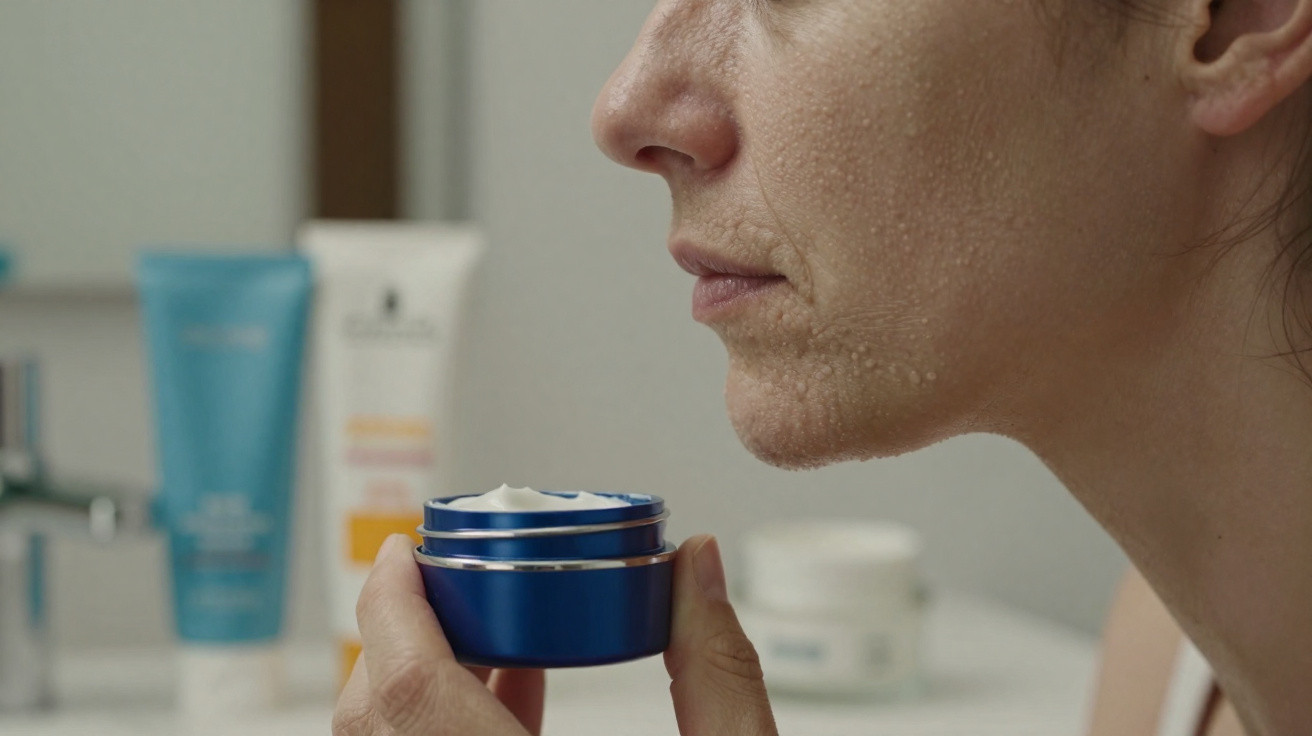




Comments
No comments yet. Be the first to comment!
Leave a Comment