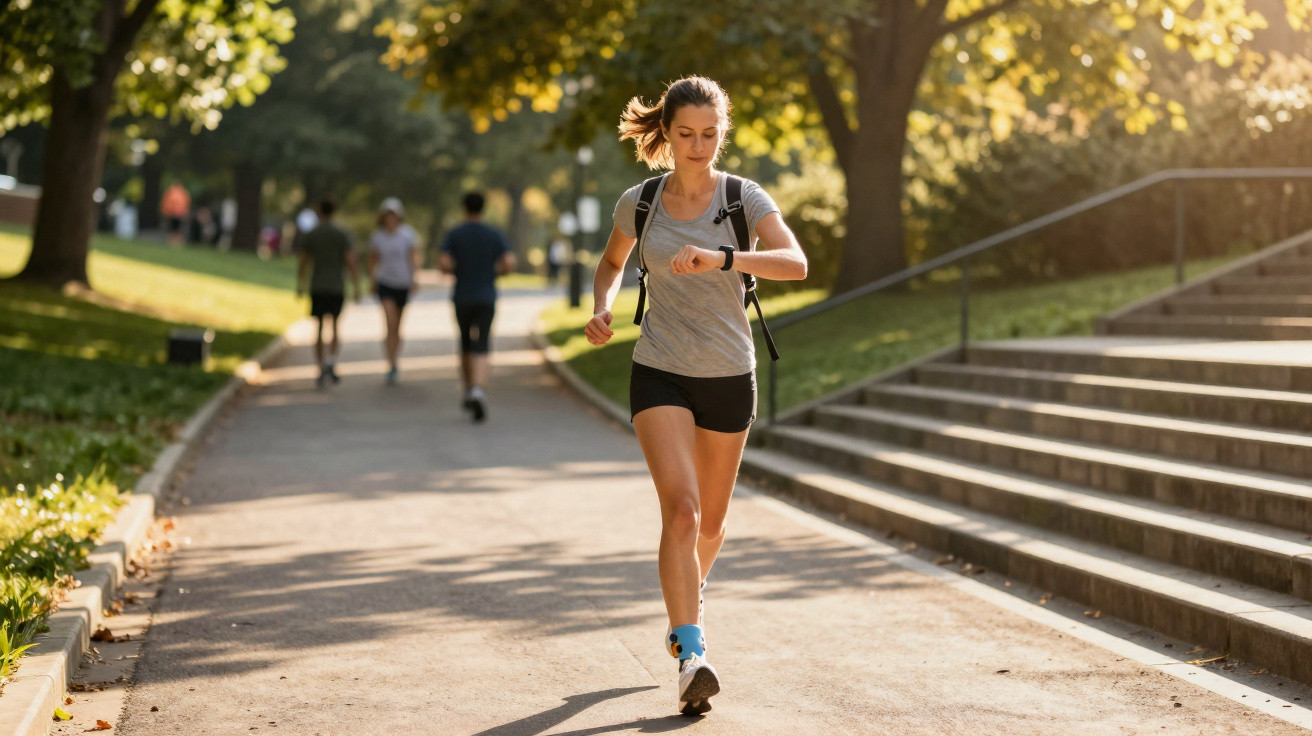
Physical activity need not be difficult. A brisk daily walk of only ten minutes can bring a wide range of health advantages, including a lower risk of conditions such as heart disease, stroke and several types of cancer.
A handful of minor adjustments to how you walk can make this straightforward daily activity even more valuable for your health.
If you want to gain more from your walks, these five approaches can help you make them more effective.
1. Change your speed
Varying your pace is one way to increase the benefits of walking. Instead of keeping to one consistent speed, include periods of faster walking followed by slower recovery phases. Called interval walking, this approach may improve cardiovascular fitness more effectively than maintaining the same pace throughout.
One study lasting four months found that adults with type 2 diabetes who alternated three minutes of fast walking with three minutes at a moderate pace experienced greater improvements in blood sugar control and fitness than those who walked steadily for the same duration.
Interval walking was also linked with lower body fat and improved overall physical endurance.
To build this into your everyday walk, increase your speed for several minutes before returning to your usual pace. Repeat the pattern during the walk to raise your heart rate and burn extra calories.
2. Walk at a faster pace
A quicker walking speed can get you where you are going sooner while also offering greater health benefits.
Analysis of data from more than 50,000 walkers showed that walking at least five kilometres per hour (around three miles per hour) was associated with a reduced risk of death from all causes, including a notably lower risk of dying from cardiovascular disease and cancer.
Studies have also found that raising your walking speed may benefit heart health and support weight management.
If you are not certain how fast you are walking, aim for a pace that makes you breathe more heavily while still allowing you to hold a conversation.
3. Carry extra weight
Adding weight while you walk can make the exercise more demanding. Wearing a weighted vest or backpack makes your muscles work harder, which can build strength and increase calorie burn.
If you would like to try this, begin with a light load to reduce the chance of strain or injury. Ideally, your first vest or backpack should weigh roughly 5% of your body weight. A person weighing about 80kg, for example, could initially put only 4kg of additional weight in their backpack.
Increase the weight gradually as you grow more comfortable. Keep the load evenly balanced and maintain good posture for the whole walk.
4. Include hills or stairs
Introducing inclines into your route can have a substantial effect.
Walking uphill or going up stairs works different muscle groups from walking on level ground, particularly those in the legs and glutes. As well as developing strength, it burns more calories because uphill walking raises the intensity of the workout without requiring you to move faster.
Walking downhill on the way back can also improve muscle function and balance.
5. Try mindful walking
Walking benefits more than physical health: it may improve mental wellbeing too.
Mindful walking is one method of achieving this. It means giving close attention to your movements, breathing and surroundings. Research found that people who practised mindful walking regularly for a month reported lower stress levels, alongside better mood and overall mental health.
To try mindful walking, focus first on the feeling of every step, the rhythm of your breathing, and the sights and sounds around you. This can support mental health while making your walks more enjoyable.
How to get started
Improving your walk does not call for dramatic changes, but a few points can help you remain safe, reduce injury risk and get the greatest benefits:
- Warm up and cool down: Start with a few minutes of gentle walking to warm up your muscles. At the end, slow your pace and complete a few light stretches to cool down.
- Wear suitable footwear: Select comfortable shoes that provide good support to help prevent injury.
- Keep hydrated: Take water with you, particularly for longer walks or in hot weather, to prevent dehydration.
- Pay attention to your body: Slow down or pause if you feel pain or discomfort. Consult your doctor if the issue continues.
- Build intensity gradually: Whether you are carrying weight, taking on hills or walking faster, increase the challenge slowly so that your body can adapt. In practice, this means doing slightly more each time and assessing how you feel.
Walking is an excellent way to improve and maintain your health. Small changes to your walking habits can make this everyday routine more beneficial.
Jack McNamara, Senior Lecturer in Clinical Exercise Physiology, University of East London
This article is republished from The Conversation under a Creative Commons licence. Read the original article.














Comments
No comments yet. Be the first to comment!
Leave a Comment