
Using apple cider vinegar and rosemary on oily hair has become increasingly popular among people looking for a simple, natural way to manage excess oil. Together, these ingredients can cleanse the scalp, lift away built-up residue and create a longer-lasting fresh feeling. Used properly, the blend may leave hair lighter, shinier and healthier-looking without affecting its natural moisture.
What does apple cider vinegar do for oily hair?
Apple cider vinegar is widely used to help balance the scalp’s pH. In turn, this can limit the build-up of impurities and residue that can contribute to increased oiliness during the day.
It can also help smooth the hair cuticles, giving strands a more sleek and glossy finish. It is therefore often included in haircare routines for hair that tends to become oily quickly.
What are the benefits of rosemary for the scalp?
Rosemary has properties that can help keep the scalp clean and leave it feeling refreshed. Using it as an infusion is common in hair treatments designed to balance oiliness.
The main benefits linked with using rosemary on hair include:
- Helping to purify the scalp.
- Providing a refreshing sensation after application.
- Contributing to lighter-feeling hair.
- Supporting the maintenance of healthy hair.
How to apply apple cider vinegar and rosemary to oily hair
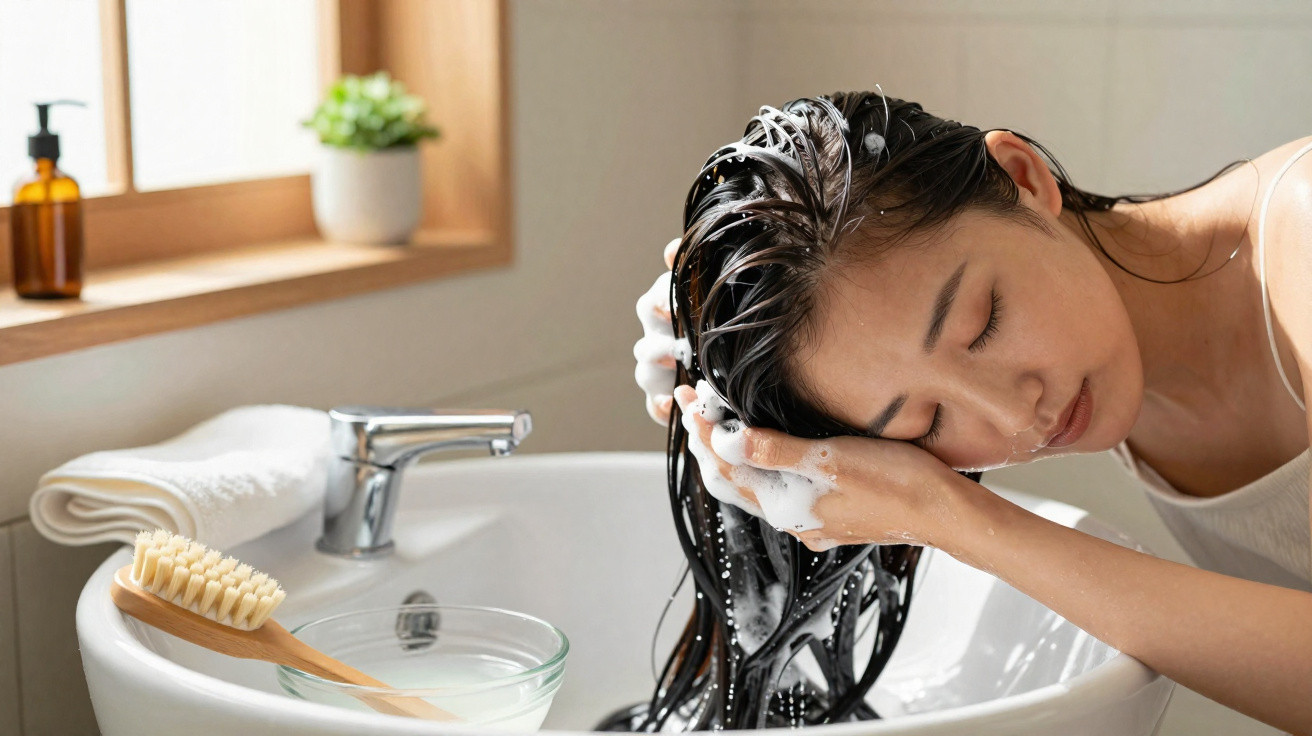
To make the mixture, use one cup of cooled rosemary tea and add two tablespoons of apple cider vinegar. This ratio is generally enough to benefit from both ingredients without overdoing it.
To see how to apply it correctly and find additional tips for storing this recipe, the @Natureba channel has created a very clear video covering every step. Watch it below:
How often should you use it for the best results?
The most suitable frequency will usually depend on how oily your hair is and how sensitive your scalp may be. In most cases, using the mixture once or twice a week is enough to notice improvements in controlling sebum production.
Maintaining a balanced haircare routine is also important. Overuse may lead to dryness in some hair types. Combining the treatment with regular conditioning treatments therefore helps retain softness, shine and healthy-looking hair throughout the routine.













Comments
No comments yet. Be the first to comment!
Leave a Comment