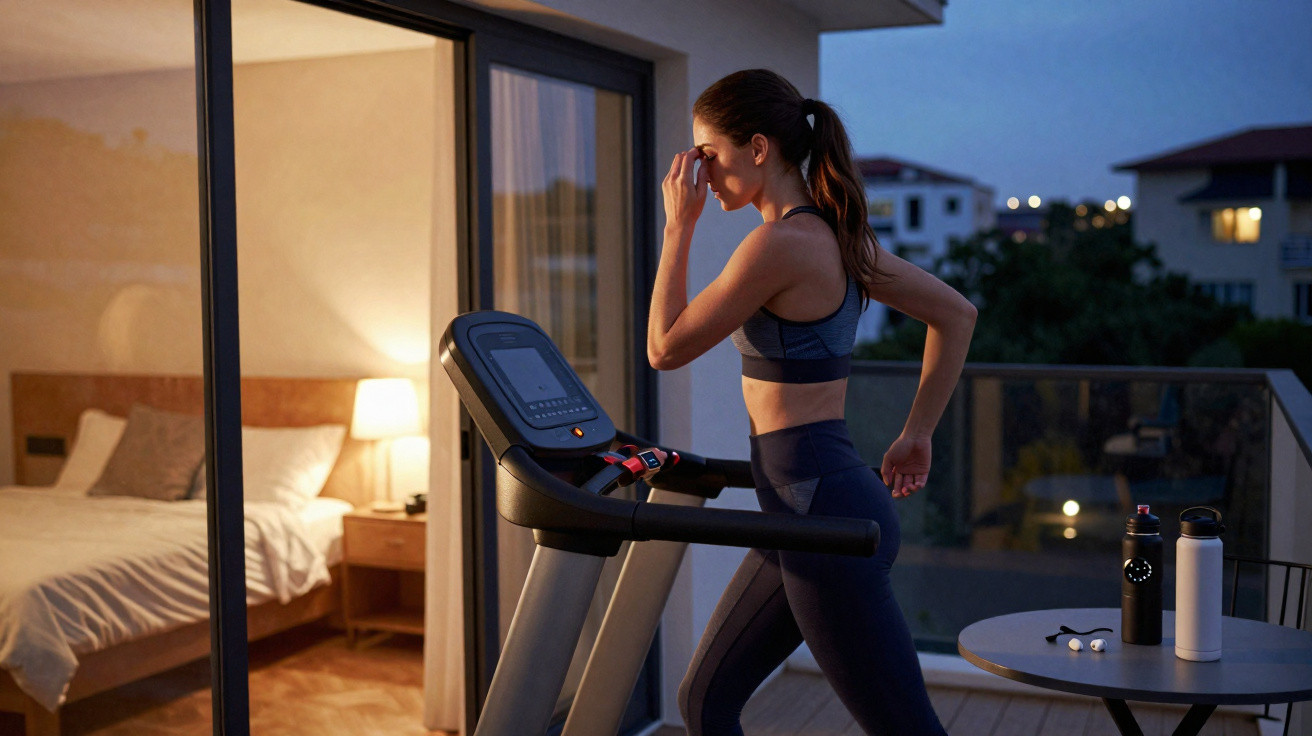
Exactly this is the dilemma facing millions of working people: long days in the office, pressure from appointments and the stress of commuting leave only the evening-often between 20:00 and 22:00-for any exercise at all. But how sensible is it to go for a run, head to the gym or begin an intensive workout at that time when bedtime is shortly afterwards?
Why evening exercise is the only option for many
The tightly packed routine of modern jobs
Anyone with a demanding job will recognise the pattern: the alarm goes off early, followed by a packed day of meetings, emails, deadlines and calls. Lunch is reduced to a quick sandwich at the desk, while the journey home drags on. By the time people get through the door, it is often already 19:00 or later.
Morning exercise can be ruled out by tiredness or childcare, while there is no time during the lunch break. The sole available slot therefore shifts firmly into the evening. For many, the reality is simple: if they exercise at all, it is after dinner-often not before 20:00.
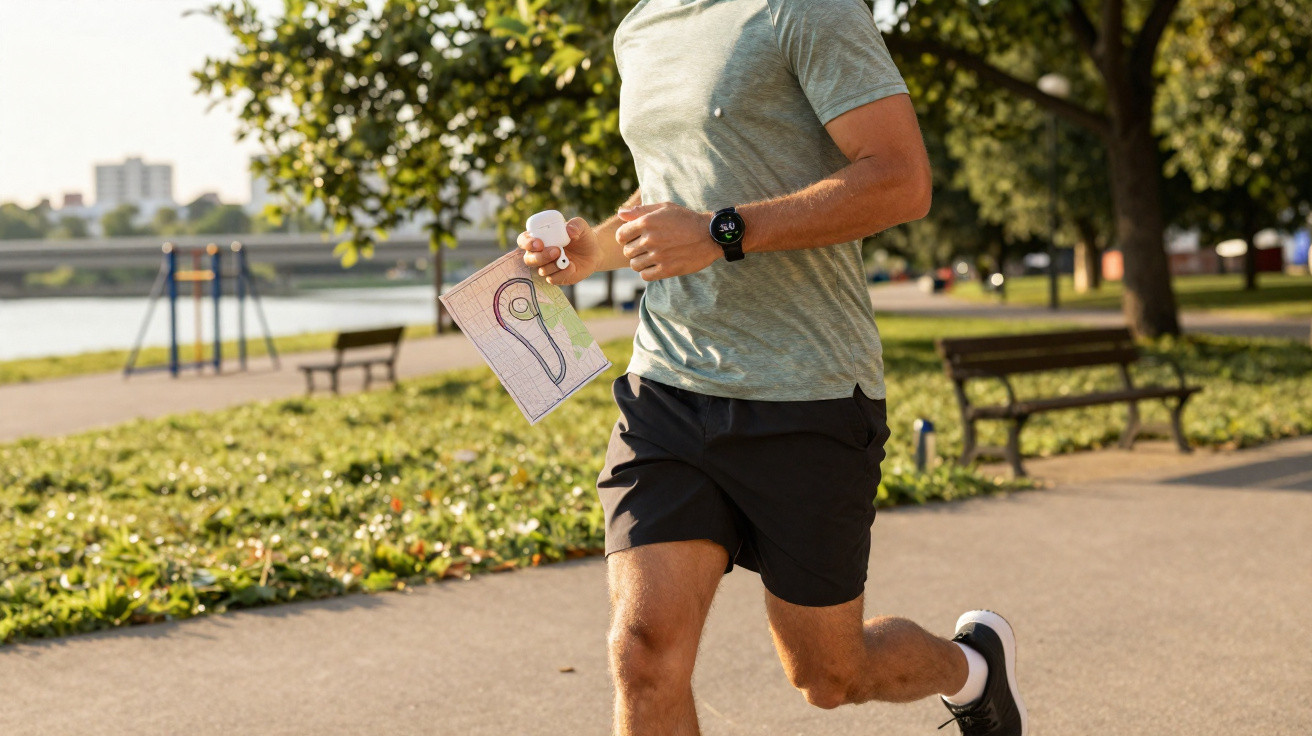
This effect is particularly pronounced in cities. After work, gyms are packed, while parks and running routes become busy as soon as the sun sets or dusk arrives. From a health perspective, this creates a conflict: either people remain largely sedentary, or they put their bodies under strain late in the day, just as they should be preparing to rest.
Exercise as a release after stressful days
Evening exercise does, however, offer a clear psychological benefit: it acts as a release valve. After eight or nine hours of focused work, the mind is overloaded, whereas the body has usually had very little physical challenge. The tiredness feels vague-more mental than physical.
Movement creates a sharp divide: away from the office world and back into the body. Many people use running, fitness classes or a gentle workout to shake off frustration, tension and repetitive thoughts. This is not merely a feeling; it also happens biologically. Heart rate rises, stress is reduced, muscles work and the mind can reorganise itself.
Evening exercise can clearly separate the working day from free time-a mental reset that stops many people from ruminating in bed.
The key question is this: at what point does this positive effect turn into its opposite and prevent the very sleep that should provide recovery?
What happens in the body when we train late
Body temperature and the sleep cycle
Sleep is closely linked to body temperature. During the evening, internal temperature would normally begin to drop gradually-signalling to the body that it is time for sleep. Exercise initially reverses that signal.
During physical activity, muscles work like small heating systems. They generate heat, body temperature rises, blood flow to the skin increases and the heart pumps faster. Straight after an intense training session, the body is a long way from “sleep mode”.
It often takes one to three hours for this heat to dissipate again, depending on workout intensity, fitness level and the surroundings. Anyone completing a hard workout at 21:00 and intending to be in bed by 22:00 is effectively working against their own body.
Adrenaline, cortisol and the clash with tiredness
At the same time as temperature changes, the hormonal system also shifts. During exercise, the body releases more adrenaline, which promotes alertness and quick reactions. Cortisol, the well-known stress hormone, rises too. Both are excellent for performance, but far less helpful for falling asleep calmly.
Meanwhile, production of the natural counterbalance declines: the sleep hormone. Melatonin, which makes the body feel sleepy, has to compete with these stimulating messengers. This can lead to:
- feeling physically tired after training while remaining wide awake mentally
- taking noticeably longer to fall asleep
- sleeping more lightly, waking more often and feeling exhausted the following morning
Late-evening exercise can keep the body on alert while the bedroom has already been set to “night mode”.
Intensity makes the difference
Why hard cardio and HIIT can be problematic in the evening
It is not just the time on the clock that matters; intensity is especially important. Sessions that substantially raise heart rate and breathing are particularly critical, including:
- HIIT workouts involving lots of sprints or jumps
- fast running or interval training













Comments
No comments yet. Be the first to comment!
Leave a Comment