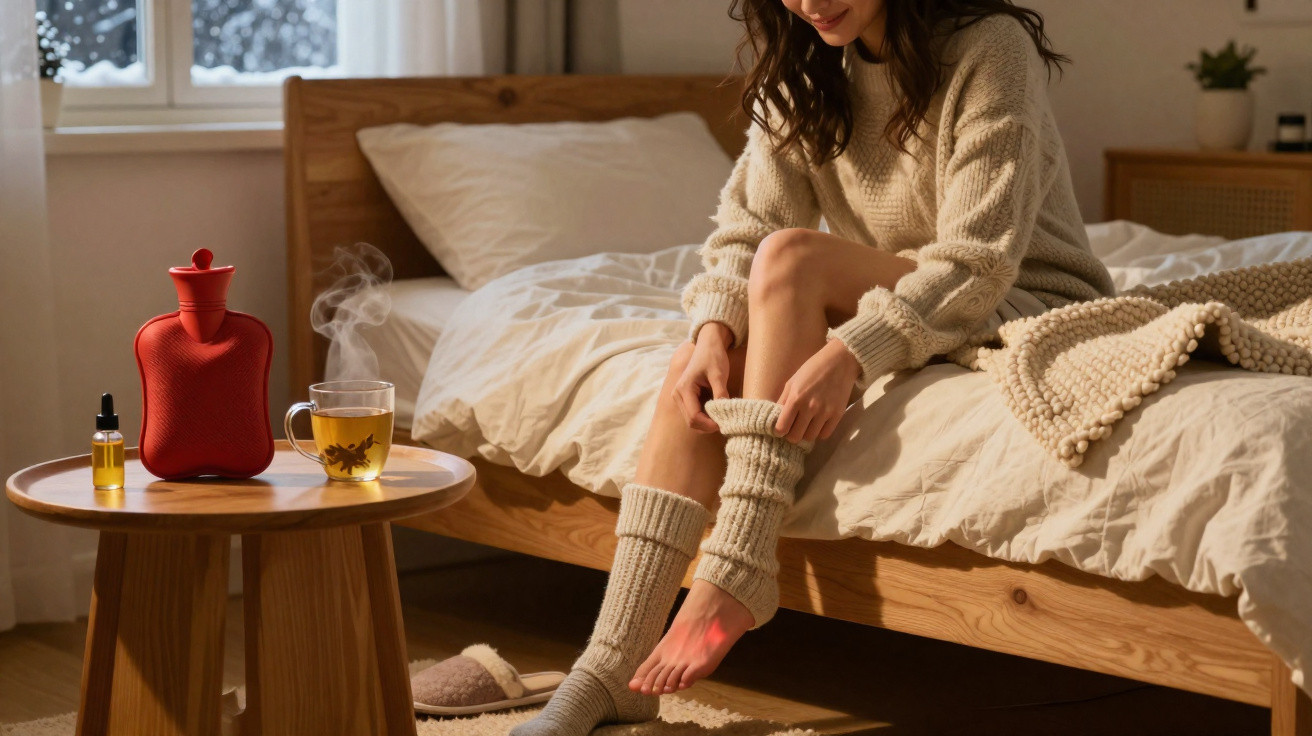
There is more to it than simply “feeling a bit chilly”.
Cold feet in the evening are irritating, can keep you awake and may even point to an underlying health issue. Many people assume they simply have to put up with them. That is not the case. Once you understand why your feet get cold, straightforward everyday changes can make a surprising difference – from suitable clothing to targeted exercises.
Why feet cool down so quickly in the evening
Feet are far from the heart, contain little muscle mass and, for many people, have relatively little fat beneath the skin. As a result, they lose heat more quickly than other parts of the body.
The body protects organs such as the heart and brain first – hands and feet are much lower down the priority list.
In cold conditions, the blood vessels in the arms and legs constrict. Blood is retained more readily in the torso to keep core body temperature steady. As a result, circulation in the feet decreases and they can feel ice-cold.
When cold is not the only trigger
If your feet are often cold even in heated rooms or during summer, it is worth taking a closer look. Reduced circulation is frequently the reason. Possible causes include:
- an unbalanced diet resulting in vitamin and mineral deficiencies
- drinking too little fluid throughout the day
- regularly wearing shoes or socks that are too tight
- raised cholesterol levels
- smoking, which constricts blood vessels
- certain medicines that affect blood flow
Medical conditions may also play a role, including diabetes, anaemia, thyroid disorders or Raynaud’s syndrome, in which blood vessels in the fingers and toes go into spasm and constrict. Anyone who also notices numbness, pain while walking or changes in toe colour should seek medical advice.
The right footwear and socks: protecting your feet during the day
What you wear during the day has a significant effect on whether your feet feel like blocks of ice by evening. This is especially important for anyone who spends a lot of time standing or walking, as they need a good foot set-up.
Shoes: warm, supportive and roomy enough
- A thick, non-slip sole: This provides insulation from cold ground. Good grip also prevents you from tensing your feet with every step, which supports circulation.
- Water-resistant materials: Damp feet become cold very quickly. Shoes should at least be well treated with a water-repellent protector.
- Enough room in the shoe: If you cannot move your toes easily, the shoe is too tight. Compressed feet mean restricted blood flow.
- Extra insoles: Felt or thermal insoles add a noticeable insulating layer between your foot and the ground.
- A paper trick: Before putting shoes on, place a ball of tissue paper or soft paper, briefly warmed on a radiator, inside each shoe. This adds warmth without damaging the material.
Socks: the material matters
Socks need to do two jobs at once: keep feet warm and absorb moisture.
- Choose natural fibres: Wool, cotton or technical sports socks manage moisture far better than socks made solely from synthetic fibres.
- Try two layers: Start with a thin, smooth sock, such as silk, then add a warmer, slightly larger sock over it. This creates an insulating layer of air without squeezing the foot.
- Usually go without in bed: Sleeping in very tight socks can constrict blood vessels and make you sweat more easily. If you need something on your feet, choose loose cotton socks that do not dig in.
Evening routines for ice-cold feet
When your feet are already cold, focused measures can boost circulation and raise their temperature again.
Stimulate circulation with massage
A brief foot massage before bed works like a small workout for the blood vessels. Five to ten minutes is ideal, and you can repeat it in the morning if you wish.
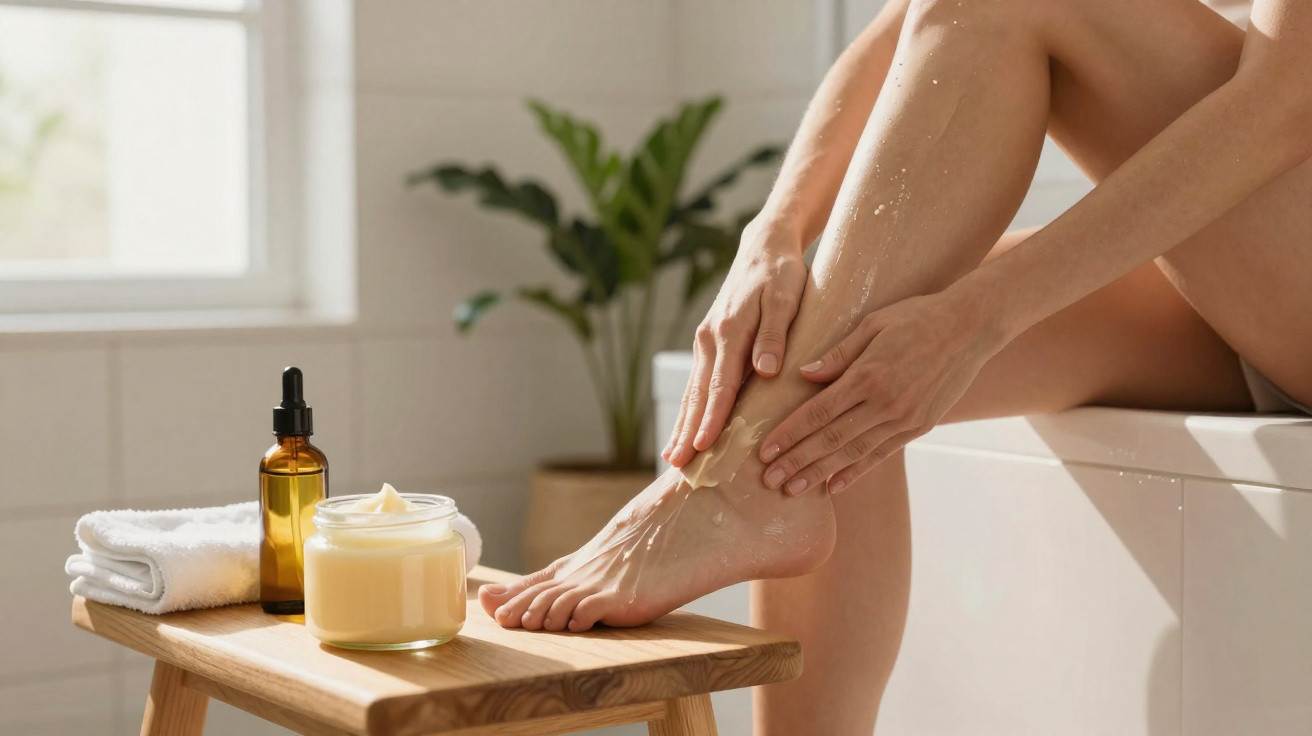
- Use your hands to stroke from the ball of the foot towards the ankle, applying a little pressure.
- Roll each toe individually between your thumb and forefinger, then give it a gentle pull.
- Knead the sole of the foot using your knuckles.
If you like, you can make a warming foot balm yourself using plant oil, beeswax and a little shea butter. The friction from massage generates warmth, while the balm conditions the skin and protects it from moisture loss.
Move instead of shivering on the sofa
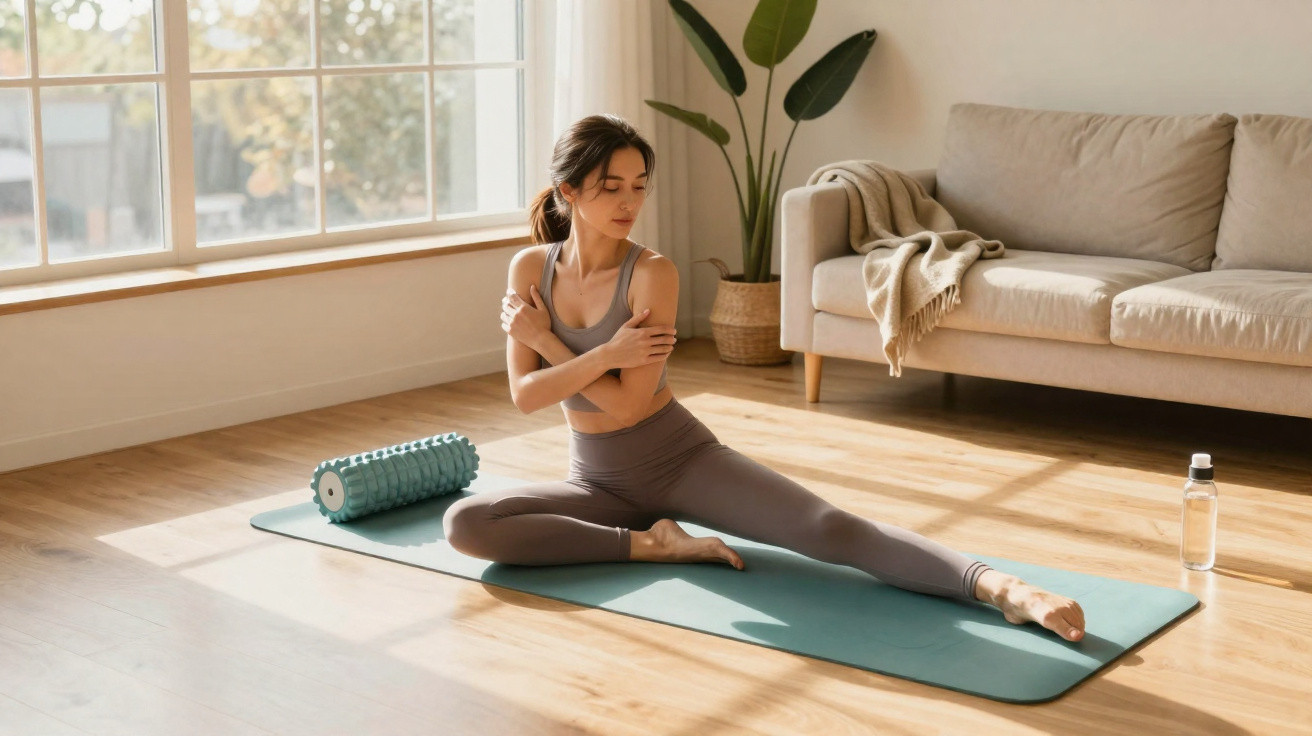
There are plenty of things you can do in the living room without changing into exercise clothes.
- While standing, march gently on the spot for a few minutes.
- When seated, pull your toes alternately upwards and downwards, for around 20 repetitions.
- Ankle circles: lift your feet and draw large circles with your toes, completing ten turns in each direction.
- Regular walks during the day help keep blood vessels active over the long term.
Moving feet are warm feet – just a few minutes are enough to increase blood flow noticeably.
Soothing foot baths – but not too hot
A warm foot bath is a classic remedy for feeling chilly. The water should be around 37 to 39 degrees Celsius. Much hotter baths irritate the skin and can make some blood vessels sluggish over time.
For a small at-home wellness treatment, mix a few drops of an essential oil such as eucalyptus with a carrier oil, for example almond or argan oil, and add it to the water. Fifteen minutes is usually more than enough. Afterwards, dry your feet thoroughly, including between the toes, and put on warm socks straight away.
Wool socks, hot-water bottles and more: bringing warmth to bed
At the end of the day, it is worth planning how to keep warm. These tried-and-tested options can help:
- Thick wool or silk socks: Both materials regulate temperature and moisture without holding on to odours strongly.
- Warm the bed first: Place a filled hot-water bottle or a heatable cushion at the foot of the bed around half an hour before going to sleep.
- Elevate your feet slightly: Put a thin pillow or folded blanket beneath the mattress at the foot end. This supports the return of blood towards the heart.
Lifestyle habits that keep feet warmer for longer
Anyone who regularly has cold feet can benefit greatly from a few easy everyday adjustments.
Warming foods and a good nutrient supply
Hot meals warm more than just your stomach; they help heat the whole body. Spicy soups and stews stimulate circulation. Foods rich in vitamin B12 and omega-3 fatty acids can also be useful:
| Nutrient | Examples | Effect on circulation |
|---|---|---|
| Vitamin B12 | Fish, eggs, dairy products | supports blood formation |
| Omega-3 fatty acids | Oily fish, walnuts | has a positive effect on blood vessels and blood fats |
| Circulation-supporting spices | Ginger, chilli, pepper | warming effect from within |
Fresh vegetables, nuts, onions, parsley and apricots also fit well into a balanced diet that is not too high in fat. They provide minerals needed by blood vessels and nerves.
Drink enough – in winter too
Many people underestimate how much dehydration can cool the body down. When blood is too “thick”, it moves more slowly through the small vessels in the hands and feet. Around 1.5 to 2 litres a day is a useful guideline for most adults, with more needed when exercising a lot or in dry centrally heated air.
If you often forget to drink, keep a water bottle somewhere visible beside your workspace or use a reminder app on your smartphone. Warm water or herbal tea can also help to reduce the chill.
Less coffee, no cigarettes
Caffeine and nicotine have something in common: both can constrict blood vessels. For people who already have poor circulation in their feet, this can intensify the problem. If you are constantly cold, herbal or ginger tea is a better choice than a fifth cup of coffee. Giving up smoking benefits more than just your feet; it also reduces the long-term risk of blood-vessel damage throughout the body.
When cold feet are more than just an annoyance
Cold feet now and then in the evening are harmless. It becomes more concerning when symptoms are new, get noticeably worse or occur alongside other signs. Warning signs include:
- severe pain in the feet or calves when walking
- numbness or a “pins and needles” sensation
- very pale, bluish or blotchy discolouration of the toes
- wounds on the feet that heal poorly
In these cases, it is worth arranging a check-up with your GP, potentially including blood tests and an assessment of the blood vessels. Early treatment can often prevent later complications.
People who pay regular attention to their feet, keeping them warm, cared for and moving, will usually notice a change within a few days. Combining suitable footwear, small exercises and a circulation-friendly lifestyle can make that nightly icy spell in bed far less daunting.











Comments
No comments yet. Be the first to comment!
Leave a Comment