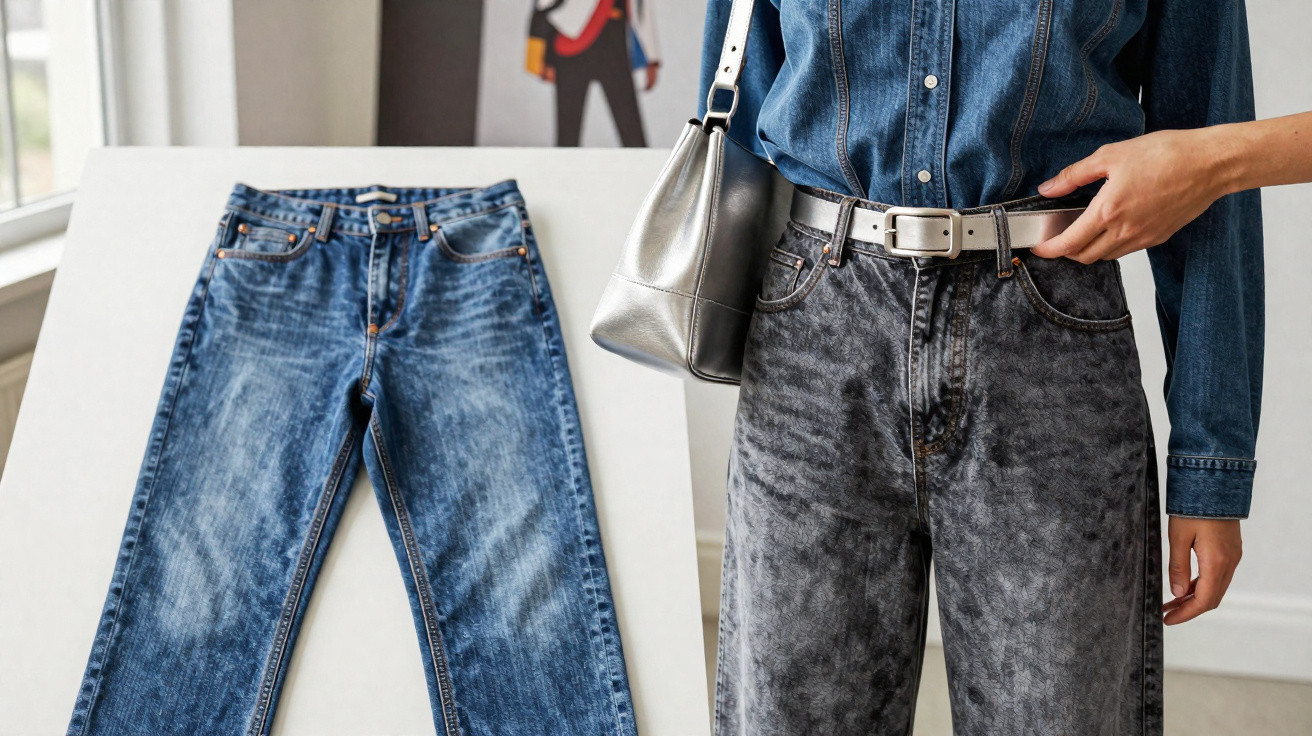
The return of low-rise denim, faded finishes and compact shoulder bags can make getting dressed feel like a choice between a full noughties costume and playing it too safe. Glenn Martens’ work at Diesel offered a more useful middle ground: take one recognisable idea from the era, then update it through proportion, texture and styling.
Diesel said, when announcing Martens’ departure, that his successor would be revealed “in due time”. His time at the label helped make denim feel expressive again, rather than merely practical. The lasting lesson is not that everyone should buy distressed jeans or revisit every early-2000s trend. It is that a well-chosen wash, shape or accessory can make familiar clothes feel new.
What Glenn Martens brought to Diesel
Diesel was already known for denim, a provocative streak and an unapologetically casual image. Under Martens, its familiar codes were pushed into more exaggerated territory: sculptural denim, unusual washes, trompe-l’oeil effects, cut-outs and deliberately disrupted silhouettes.
Denim was often treated as more than a fabric for standard jeans. It appeared in dresses, skirts, layered tops and sharply shaped outerwear. Pieces could look faded, creased, altered or worn in, while still being designed with a clear fashion point of view.
That made the brand’s clothes recognisable without relying solely on a conventional polished-luxury formula. The look combined clubwear references, humour, sex appeal and rougher details with precise construction.
Diesel’s noughties revival was not about copying an old wardrobe item for item. It made denim’s faded, imperfect quality feel deliberate again.
Why the Y2K reference still works
“Y2K” is a broad label for fashion that draws on the late 1990s and early 2000s: low-slung jeans, fitted tops, metallic hardware, visible branding, tiny bags and experimental washes.
Nostalgia on its own can quickly feel dated. The better way to use a period reference is to balance it with something current, such as a cleaner silhouette, a more unexpected proportion or restrained styling.
That means working with contrasts rather than recreating an entire decade:
- faded or battered-looking denim with a neat knit or tailored jacket;
- loose, dramatic jeans with a simple fitted T-shirt;
- one logo-led accessory with otherwise plain clothing;
- a revealing detail balanced by an oversized layer;
- a vintage-inspired wash on a modern cut rather than a head-to-toe archive look.
This approach suits the way many people shop in the UK, too. Whether you are looking through charity-shop rails, vintage shops or resale apps, the aim is often to find something individual that works with what is already in your wardrobe.
Denim became interesting again
For a long time, denim choices in many wardrobes were fairly narrow: skinny jeans, straight-leg jeans, mum jeans and little else. The recent revival of bolder denim has reopened the possibilities. Wash, texture and cut can change an outfit more effectively than adding another slogan T-shirt or logo.
You do not need to wear extreme low-rise fits or heavily distressed pieces to borrow the idea. A pair of jeans that fits well in an unusual grey-blue wash, a relaxed barrel leg or dark raw denim can be enough.
Three ways to try it for everyday wear
Start with the wash
Choose one distinctive detail, such as a sun-faded blue, grey-black wash, raw indigo, soft whiskering or subtle marbling. Keep the rest of the outfit simple, so the denim feels intentional rather than busy.Change one proportion at a time
If you usually wear slim jeans, try a relaxed straight or barrel leg with a fitted knit. If wide-leg denim is already your preference, add a closer-fitting vest, T-shirt or cropped jacket. Contrast creates shape without making an outfit difficult to wear.Layer existing basics differently
Try a long-sleeve mesh top beneath a plain T-shirt, an open shirt over a vest, or a short jacket with looser jeans. These are small changes that can give familiar basics a noughties-adjacent feel without requiring a new wardrobe.
The accessory lesson: choose one focal point
A distinctive bag, belt or pair of sunglasses can establish the mood of an outfit without making it look over-styled. The most wearable version of the trend is usually one focal accessory paired with straightforward clothes.
Try one of the following:
- a compact shoulder bag with a clean, simple shape;
- a wide leather belt with loose jeans or a plain dress;
- silver-toned jewellery with a white vest and blue denim;
- a faded cap with neat, pared-back basics;
- worn-looking leather boots instead of pristine trainers.
This can be especially useful through a British autumn and winter, when coats, knitwear and weatherproof footwear naturally add bulk. One directional accessory provides character without competing with every layer.
Let one piece make the fashion point, then make comfort, warmth and proportion do the rest.
Confidence should not mean discomfort
Part of Diesel’s appeal in this period was an attitude that was less interested in one polished ideal of dressing. That does not mean feeling obliged to buy every new trend or wear a silhouette that makes you self-conscious.
A practical, inclusive approach to fashion is simply giving yourself permission to test shapes you might usually dismiss: a cropped jacket, baggier jeans, a fitted top, double denim or a belt worn over a dress.
The best test is not whether a look photographs well. It is whether you can walk, sit, commute and go about your day comfortably. If low-rise denim constantly needs pulling up, or a top restricts movement, choose a different rise, size or cut. Fashion should add confidence, not create a logistical problem.
Common mistakes when trying the 2000s-inspired look
The noughties reference is easy to overdo. These mistakes can make an outfit feel more like fancy dress than personal style.
- Buying a complete costume. Low-rise jeans, a tiny top, a logo bag, trucker cap and metallic shoes all at once can look overly themed. Pick one or two references instead.
- Ignoring fit for the label. Trend-led denim varies hugely between cuts and brands. Check the waist, seat, thigh and length rather than relying on your usual size.
- Mistaking damage for distressing. A purposeful frayed hem differs from split seams, thinning fabric, broken zips or worn-through inner thighs.
- Using too many competing logos. One branded piece can work; several can distract from the outfit’s shape.
- Forgetting the practical layers. A tiny top may look effective indoors, but a cardigan, jacket or overshirt makes the idea more useful for British weather.
Looking after statement denim
Dark dyes, coated finishes, embellishment and distressed details need a little more care if you want them to last. Always check the garment’s care label first, as finishes and fibre blends vary.
Turn jeans inside out, fasten zips and wash with similar colours. A cool wash is generally kinder to colour and stretch fibres than a hot cycle. Wash new, dark denim separately at first, as dye can transfer to lighter fabrics and upholstery when damp.
Avoid bleach on denim, especially where there are coated areas, contrast stitching or elastane. Never mix bleach with acids, ammonia or any other household cleaning product: dangerous fumes can result. If a stain is stubborn, test a suitable fabric product on an inconspicuous inside area first.
Air-dry away from direct heat where possible. A hot radiator or tumble dryer can shrink fibres, affect stretch recovery and make soft denim feel stiff. When buying second-hand, inspect the inside seams, crotch, hems, pockets and zip carefully, as these are common high-wear areas.
What to take from the Diesel era
Diesel’s next creative direction will depend on the person who follows Martens. When the label announced his departure, it did not set out that direction beyond saying a successor would be named in due time.
What remains useful for everyday wardrobes is not a single trend, but a way of styling. Heritage denim can be playful, worn-looking pieces can still look considered, and nostalgia works best when it is reinterpreted rather than copied.
Start small: wear the faded jeans that fit brilliantly with a plain knit, add a compact shoulder bag to a simple outfit, or try a different denim shape with clothes you already own. That is enough to capture the energy of the revival without chasing an entire decade.















Comments
No comments yet. Be the first to comment!
Leave a Comment