A self-care routine does not always require a shelf packed with products. With moisturising cream, a little sugar and a few drops of vegetable oil, you can make simple blends for hair, feet, hands and body. The key is to use small amounts, pay attention to how your skin responds and turn a few minutes of the day into a moment of care.
How can you make a hair mask more nourishing?
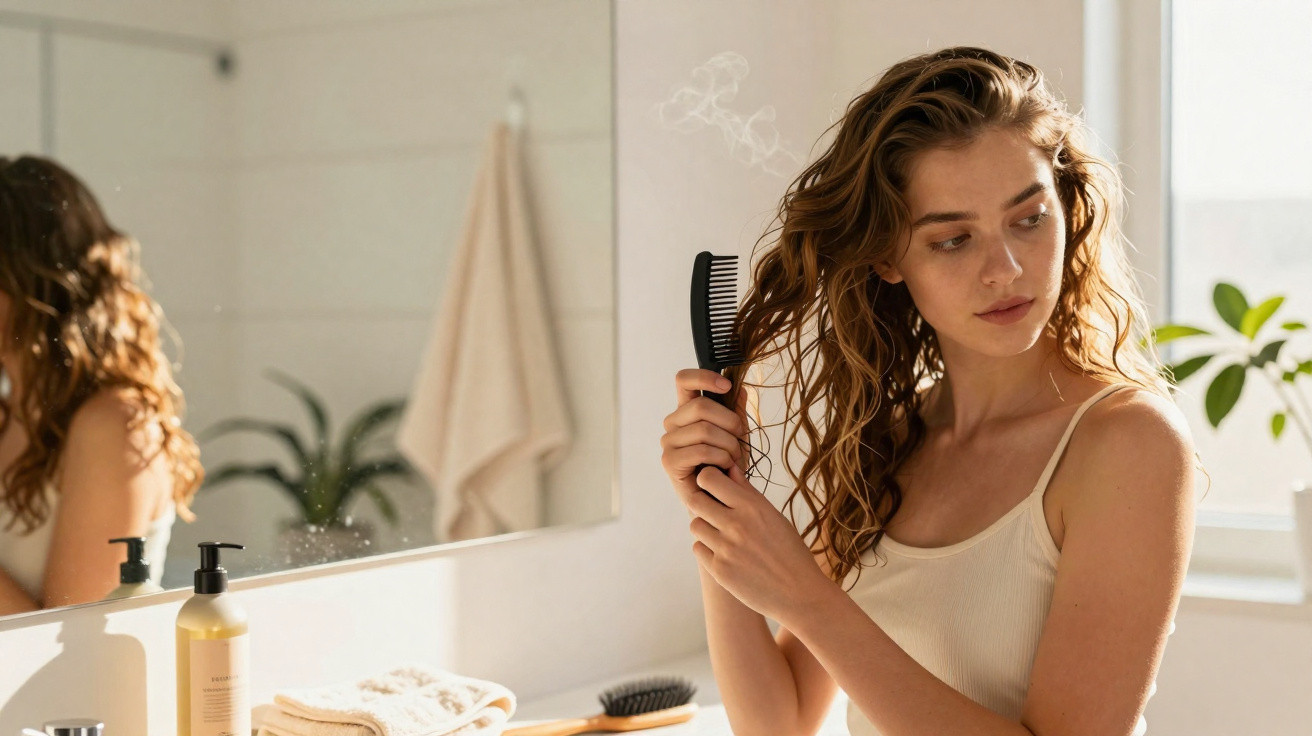
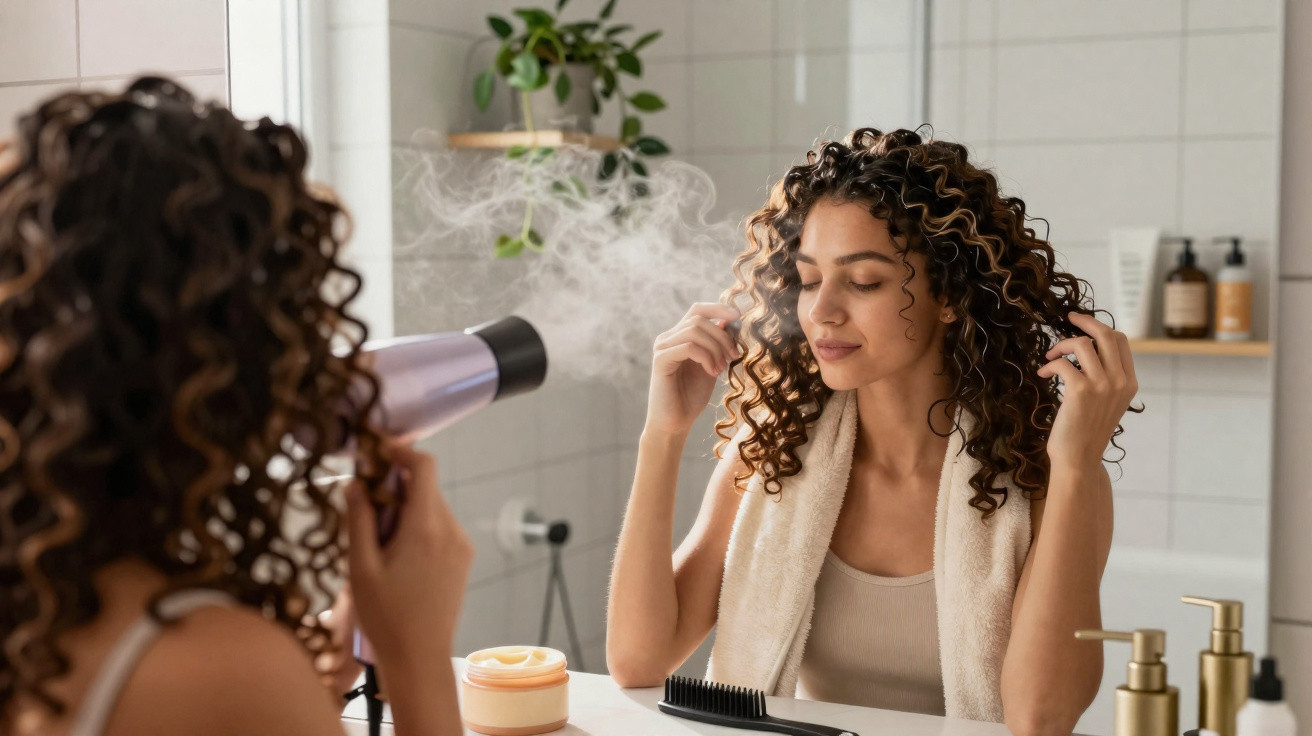
The hair mask you already use in the shower can be given an extra nourishing boost with a few drops of cosmetic vegetable oil. Put only the amount of mask you will need for that application into a separate container, then add two or three drops of oil and mix thoroughly before applying.
Apply it through the lengths and ends, avoiding the roots, particularly if your scalp is prone to oiliness. Leave it on for the time stated on the mask packaging, then rinse as usual. Oils such as coconut, argan or jojoba may be suitable choices, provided they are intended for cosmetic use and are not used excessively.
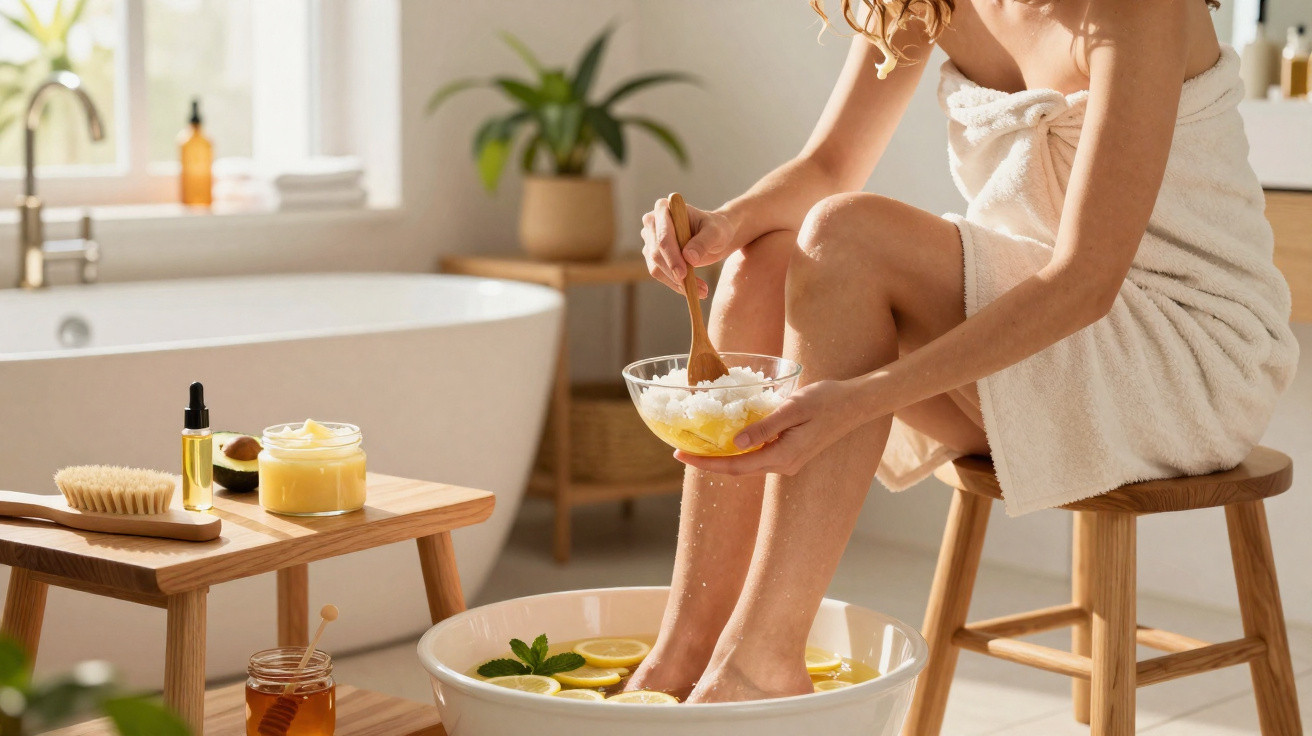
What can be used to soften dry heels?
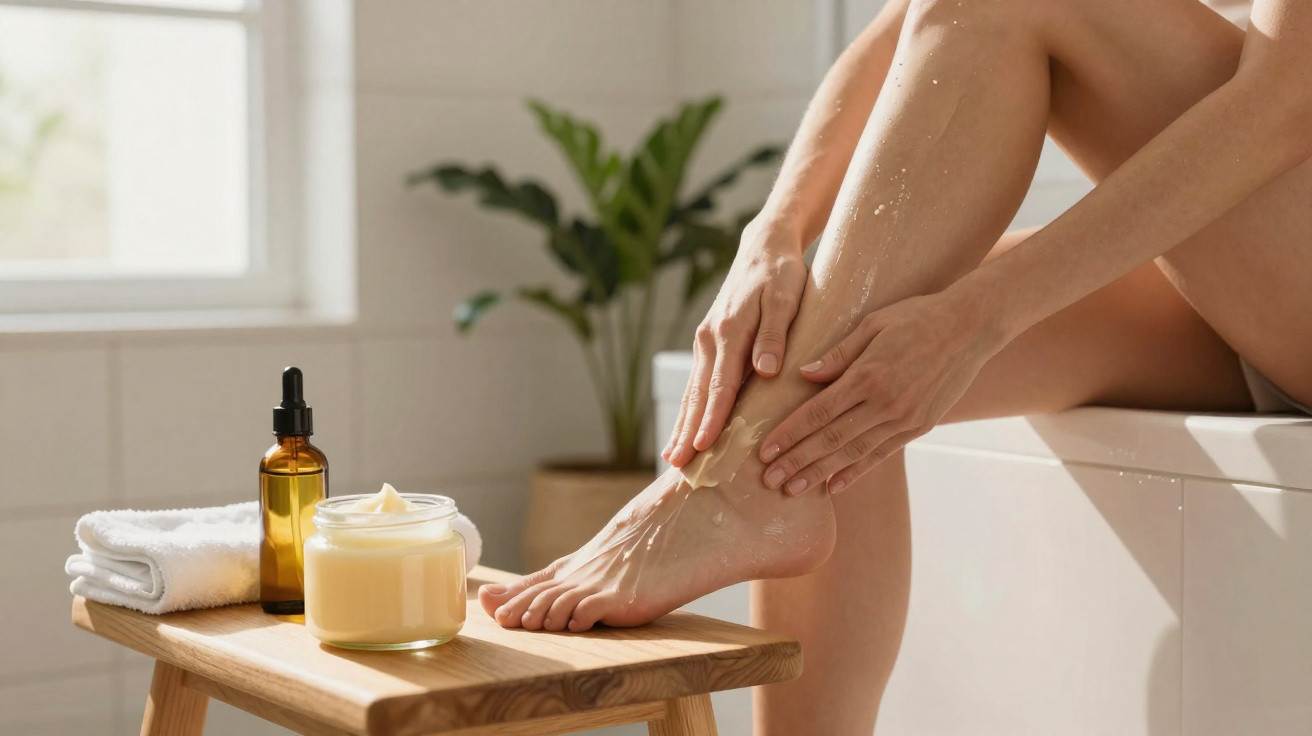
Rough heels often need more intensive moisturising, especially after days spent in sandals, flip-flops or standing for long periods. A practical option is to blend a portion of body moisturiser with a few drops of vegetable oil, then spread it over clean feet, focusing on the driest areas.
To make the most of this self-care moment, apply it before bed and put on cotton socks once the product has been spread evenly. This combination can help limit moisture loss overnight. Do not apply it to deep cracks, wounds, irritation or painful areas, as these require appropriate assessment.
What are the four simple blends to try at home?
The principle behind these recipes is straightforward: combine a product you already use with a small amount of another ingredient to alter its texture and how it feels on your skin or hair. There is no need to make large batches. Prepare only enough for one use, rather than storing homemade blends that could affect how cosmetics keep.
- Mix a portion of hair mask with two or three drops of cosmetic vegetable oil and apply it to the lengths and ends.
- Combine body moisturiser with a few drops of vegetable oil, then apply it to clean heels before bed.
- Add one drop of oil to a small amount of hand cream and gently massage it around the cuticles.
- Mix fine sugar with a little vegetable oil until it forms a damp paste for gentle body exfoliation.
Before trying any combination for the first time, test a small amount on a limited area of skin. Stop using it if you notice stinging, itching or redness. People with dermatitis, allergies, very sensitive skin or other dermatological conditions should take extra care with home-made recipes.
Watch the video shared by the YouTube channel RODRIGO CINTRA, which offers tips on how to create a powerful hair moisturising treatment at home.
How should you care for cuticles and exfoliate the body?
For your hands, place a little moisturising cream on your fingertips, add one drop of oil and gently massage the cuticles. Continue for a few minutes, without cutting or pulling the skin. It is a simple way to make the area around the nails look and feel more moisturised and comfortable.
For the body, fine sugar and a small quantity of oil can create a paste for gentle exfoliation. Massage it lightly over damp skin without pressing, then rinse straight away. Avoid using it on the face, irritated areas, freshly waxed or shaved skin and damaged skin, and limit how often you exfoliate to prevent sensitivity.
How can these recipes become a self-care ritual?
What makes these simple blends appealing is not creating complicated formulas, but setting aside a few minutes to notice what your hair and skin truly need. No recipe works in exactly the same way for everyone, so starting with small amounts and adjusting the frequency is usually the more careful approach.
Choose one of the four ideas and try adding this small ritual to your routine this week. Self-care can also begin with what is already in the cupboard, without rushing or overdoing it. A few minutes devoted to your hands, feet, body or hair can change how an entire day feels.








Comments
No comments yet. Be the first to comment!
Leave a Comment