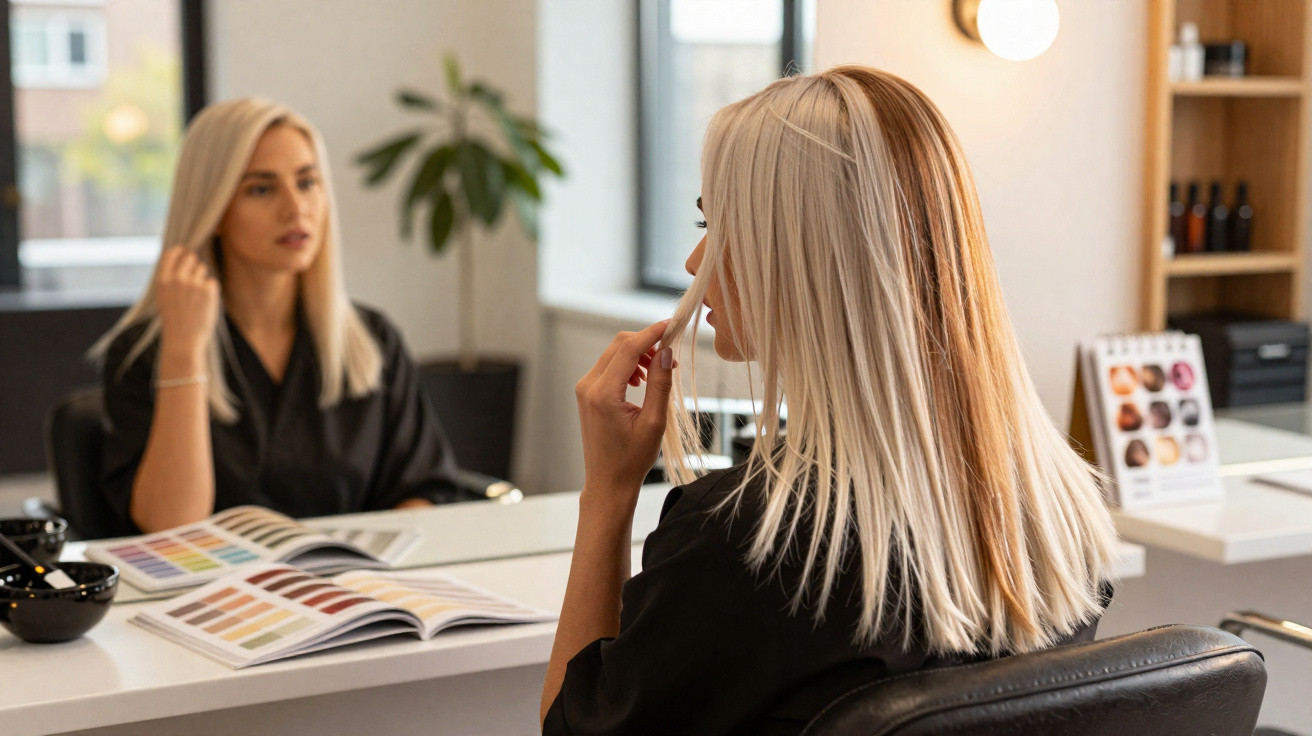
With the first warm days comes the urge for a change: a new wardrobe, fresh make-up – and often a completely new look at the hairdresser. Instagram and TikTok are full of icy blonde shades that shine perfectly in photos. Yet people with naturally dark hair can easily fall into a tricky trap: an ultra-light, cool blonde can make facial features look noticeably harsher and leave the complexion looking washed out. Before the salon chair turns into a source of regret, it is worth taking a closer look at the hype.
Why the dream of icy blonde often falls flat for brunettes
The appeal of a dramatic change is easy to understand. After a long winter, cool platinum blonde can feel like a fresh start: lighter, more contemporary and more striking. On social media, influencers pose with flawless, glossy, ice-blonde hair – seemingly the ideal spring refresh.
Everyday reality, however, is usually rather different. Most pictures are taken in studio lighting, with filters, retouching and immaculate make-up. Uneven transitions, clashing tones and a pale complexion are barely visible. Without a ring light, filters and a professional make-up artist, exactly the same shade can suddenly look severe and unflattering at work, on the Underground or in daylight.
What glows on a phone screen can quickly look severe, tired and artificial in ordinary light – especially on naturally dark hair.
Contrast shock: when blonde hair and eyebrows no longer match
The biggest mistake is creating too much contrast. Brunettes generally have dark eyebrows, often paired with defined eyelashes and eyes. If the hair is then lightened dramatically, a pronounced visual mismatch can result.
The effects at a glance:
- Eyebrows suddenly appear too dark and too severe.
- The expression can look permanently stern or surprised.
- The face loses its soft, natural appearance.
- Facial proportions seem “off”, as though something does not quite work together.
There is also the framing effect around the face. Light, cool hair can surround it like a spotlight. While warm brown or soft hazelnut light brown gently complements the features, icy blonde highlights every contour. Cheekbones, the jawline and the bridge of the nose all become more prominent. After changing their colour, many women say they suddenly look “more severe”, “harsher” or “older”, even though their haircut and make-up have otherwise remained unchanged.
A washed-out complexion instead of glow: when cool blonde “drains” the skin
The second crucial issue is how the colour affects the skin. Brunettes often have warm undertones, including golden, olive or slightly caramel hues. Pairing these with cool ash blonde or platinum blonde brings two opposing colour worlds together.
The problem is that cool, ashy pigments can seemingly “swallow” the warmth from the face. Skin may look:
- grey or dull rather than fresh
- yellowish or greenish under artificial lighting
- waxy and unhealthy beneath fluorescent office lights
Comments such as “You look so tired” or “Are you unwell?” can soon follow – precisely after an expensive salon appointment. Rather than looking refreshed, the overall effect can appear draining instead of energising.
The wrong shade of blonde can diminish the complexion so much that even good make-up can barely rescue it.
The unwanted ageing effect of very light blonde
Very pale, cool blonde can make someone look noticeably older. Once again, strong contrast is the reason: light hair makes shadows in the face more visible. Dark circles, fine lines, shadows around the nose and lines at the corners of the mouth become clearer because nothing is left to soften them.
This is particularly problematic because:
- bluish under-eye circles seem darker against such light hair
- dehydration lines around the eyes and mouth stand out more
- redness and blemishes are emphasised
Anyone who already has fine lines may sometimes experience a real “turbo effect”: the hair says “young and trendy”, while the face signals “tired and stressed”. This disconnect disrupts the overall look.
Straw-like hair, breakage and stress: what lightening does to hair
Appearance is only one side of the issue; hair health is the other. Achieving a very light blonde from naturally dark hair normally requires intensive bleaching. This chemical process can severely damage the hair structure.
Typical consequences include:
- loss of shine and softness
- porous, dry mid-lengths and ends
- split ends and breakage, especially at the tips
- frizz that is difficult to control
Many women find that, even if the colour looks fairly good at first, the hair becomes dull and lacklustre after only a few washes – and the “luxury look” turns into its opposite.
Regrowth: the constant maintenance job
Dark natural regrowth paired with platinum-light lengths is one of the most high-maintenance combinations possible. A clear root line can be visible after just two weeks. This means:
- frequent touch-up appointments at the hairdresser
- considerable costs every few weeks
- a permanently visible “line” if an appointment has to be postponed
Anyone balancing work, family and daily life soon notices that this look demands discipline, time and money. Every additional bleaching session also puts further strain on hair that is already stressed.
Better options: shades that genuinely make brunettes glow
No one has to give up lighter hair altogether. The key is choosing shades and techniques that suit the starting colour and skin tone. For brunettes, hairdressers often recommend gentle, warm lightening rather than a full transformation to an icy shade.
Especially flattering choices include:
- Bronde – a blend of brown and blonde that combines depth with light
- Balayage – hand-painted highlights that create a sun-kissed effect
- blended roots – the natural colour remains at the roots while the lengths are lightened
- warm dark blonde instead of icy platinum
Those who enhance their natural colour with warm highlights generally look fresher, more expensively styled – while still looking natural.
Colours that warm the complexion rather than cool it down
Warm reflections are especially suitable for creating a healthy glow on a brunette base:
- Honey – softly golden highlights that add gentle warmth
- Caramel – ideal for olive and lightly tanned skin
- Hazelnut – a soft light brown with a subtle sheen
- Copper – creates a lively, energetic appearance
These shades reflect light without making facial features look harder. Small skin imperfections fade into the background, and the overall look feels more harmonious.
How to find the right shade at the hairdresser
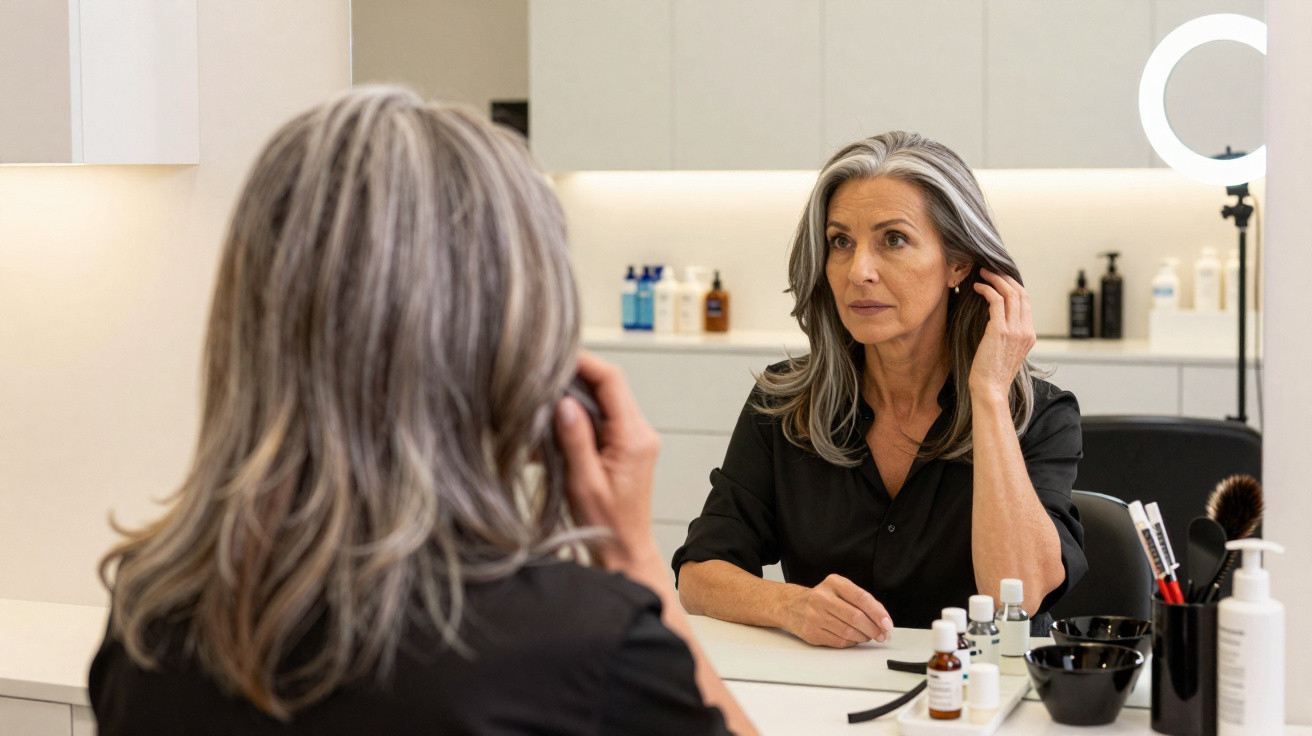
Many poor colour decisions happen because a single online image is used as the only reference. A better approach starts with your own reflection and an open discussion with a professional.
Useful questions to ask during the consultation include:
- Does my skin look more warm or cool?
- Which shades make my eyes stand out?
- How much maintenance am I realistically willing to commit to?
- Which technique will add light to my hair without destroying it all?
A good hairdresser will also consider eyebrow colour, make-up habits and clothing style. For instance, someone who rarely wears heavy make-up needs a hair colour that works with bare skin and minimal mascara too.
Tips to prevent lightening from ending in disaster
Anyone who still wants a significantly lighter look can reduce the risk:
- lighten the hair in several stages rather than one extreme appointment
- try highlights or balayage first, rather than going fully blonde immediately
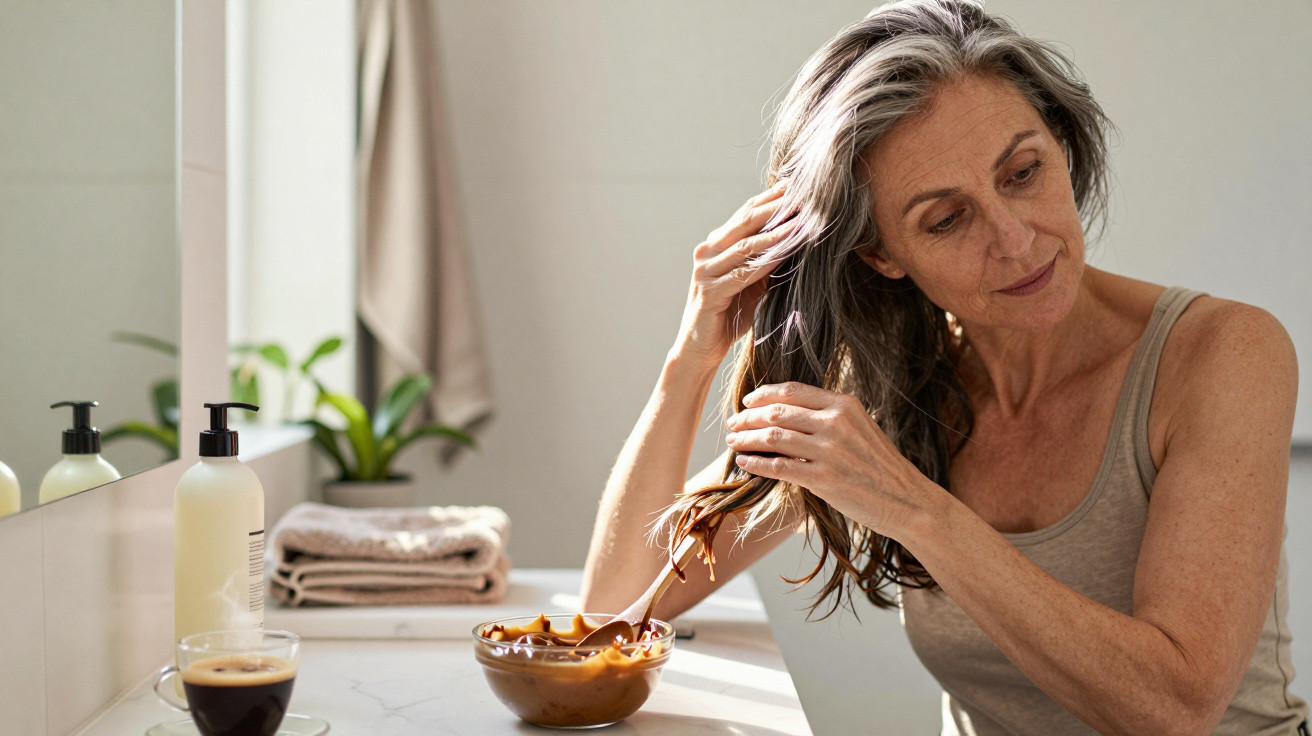
- plan a hair-mask routine before and after colouring
- ask the hairdresser for a shade slightly warmer than the one in the photograph
It can also help to see colour swatches or before-and-after photos of clients with a similar complexion. This quickly makes it clear which direction is flattering – and which is not.
Why small changes often create the bigger effect
Going just one shade lighter, adding a few carefully placed highlights or introducing a little more warmth to the colour can often transform the entire impression. Many brunettes are surprised by how much fresher and more “polished” they look when the hairdresser works only with light effects instead of trying to conceal the original colour.
Those who embrace their natural base and enhance it selectively usually look more modern and more relaxed than they would with a radical icy shade. The result works better in everyday life, needs less maintenance and does not look dated at the roots after only a few weeks.
Ultimately, what matters is how the hair looks in real life: under office lighting, on a walk or in the bathroom in the morning. That is where it becomes clear whether a trend shade is a genuine upgrade – or remains the biggest styling trap for brunettes.









Comments
No comments yet. Be the first to comment!
Leave a Comment