
You check today’s step count: 2,384. Somehow, the day has disappeared between the desk chair, coffee machine and sofa. It is already getting dark outside, while the gym bag you packed this morning remains untouched in the hallway, a silent reproach. For a moment, you consider the gym: the treadmill, getting changed, showering – then feel the sofa pulling you in like a magnet. We all know that moment. The gap between “I should move more” and “I’ll genuinely start tomorrow” keeps getting wider. Yet there is one surprisingly simple rule that can drastically close it. It works in real everyday life, not only in Instagram’s idealised version of it.
The one rule that makes everything easier
The simple rule is: movement first, perfection later. It is not about 10,000 steps, going to the gym five times a week or declaring, “From Monday, I’ll run every morning.” Instead, choose one small, fixed daily minimum that is so easy you might almost laugh at it. Walk once around the block. Spend three minutes climbing stairs. Do two exercises beside your bed. Does that sound ridiculous? That is precisely the point. This micro-dose of movement fits into even the most stressful day, and it changes more than you might expect.
Imagine making just one commitment: move deliberately for 10 minutes every day. What you do and when you do it do not matter. It could be a brief walk after lunch, a few squats while brushing your teeth or a slow dance around the kitchen while the water boils. Let’s be honest: no one keeps it up every day when the goal is too large, demanding or perfect. Habit studies repeatedly show that the people who persist do not begin with maximum motivation; they begin with the smallest possible barrier. Ten minutes can unexpectedly become 15. “Just popping outside” can turn into a half-hour walk. Not because you are being strict, but because you got started once.
Psychologists refer to the “starting effect”: the hardest part is not moving itself, but the instant before you take the first action. Your brain dislikes expending energy. An hour-long workout after a demanding working day can feel like a battle. Ten minutes seems harmless, achievable and almost too little. That is where the shift happens. Once you have started moving, your inner resistance eases. Your body warms up, your mind feels lighter and the day no longer seems so stagnant. Suddenly, the question is not whether you can force yourself through 60 disciplined minutes. It is whether you can make that small daily minimum an untouchable ritual – as ordinary as brushing your teeth.
How to fit daily movement into a busy routine
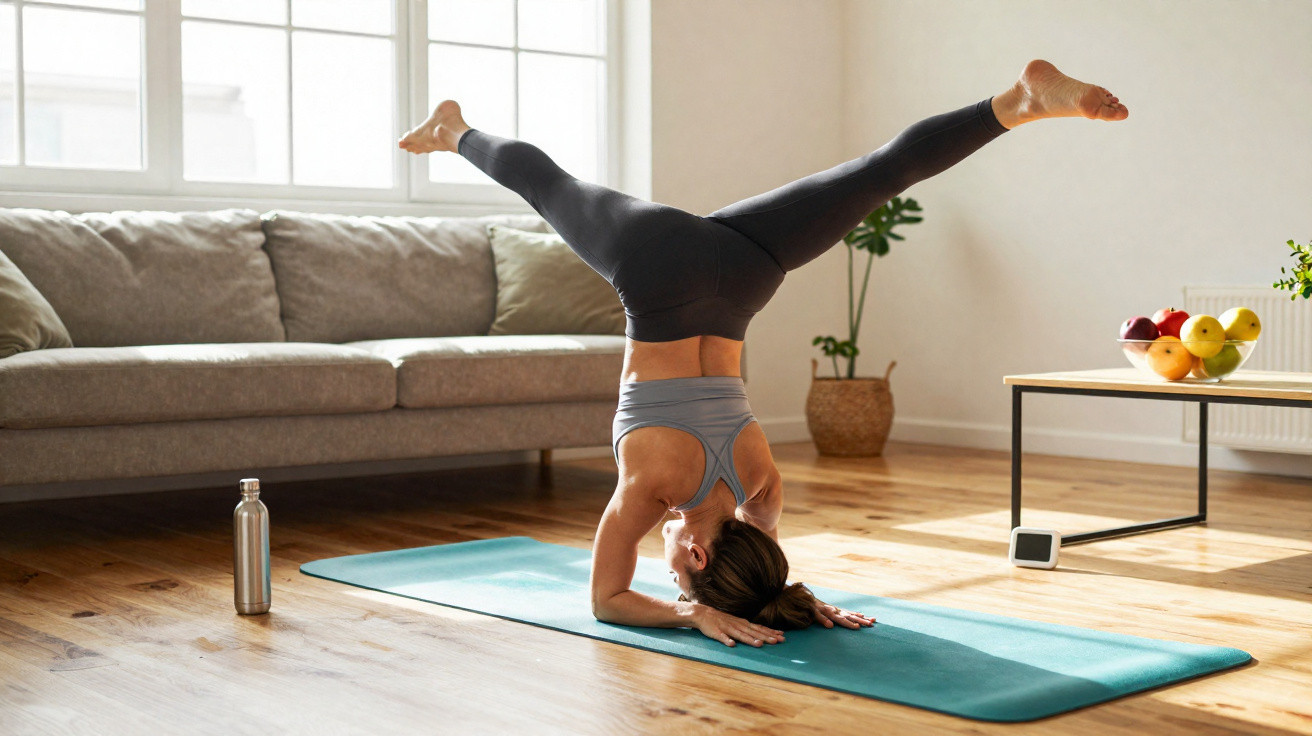
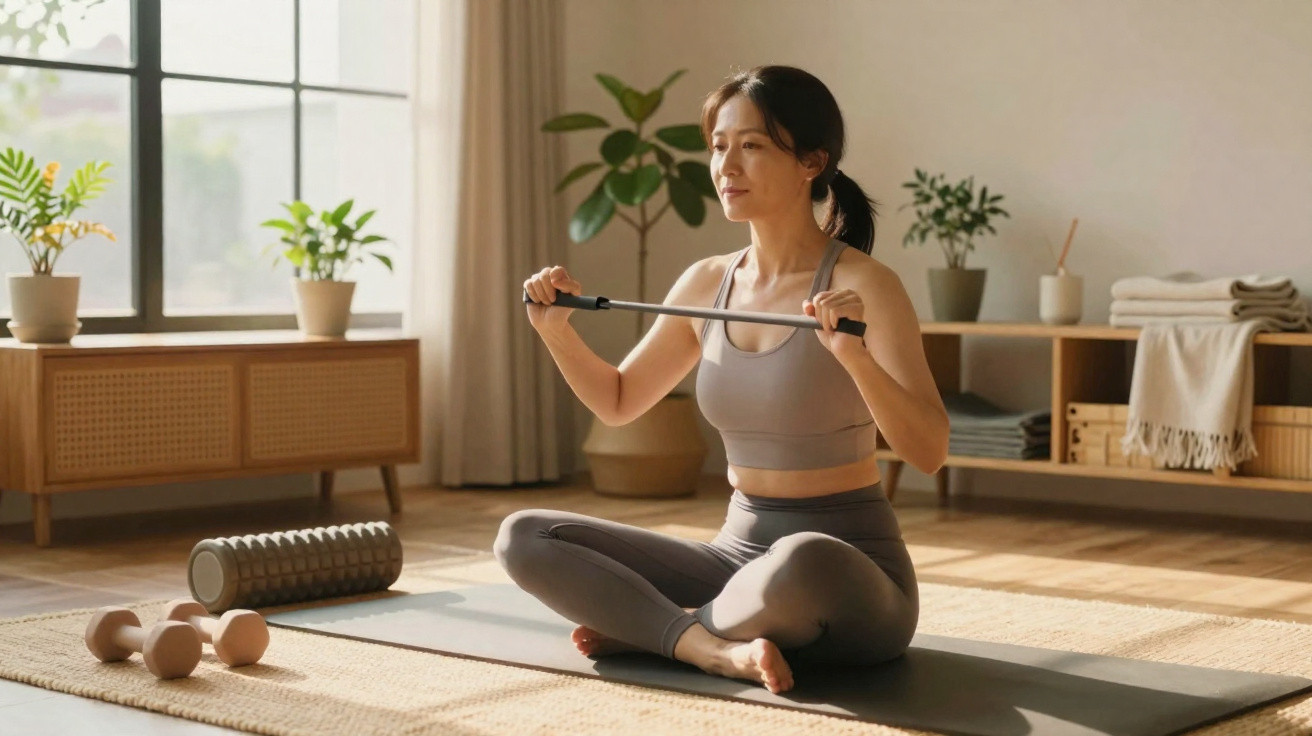
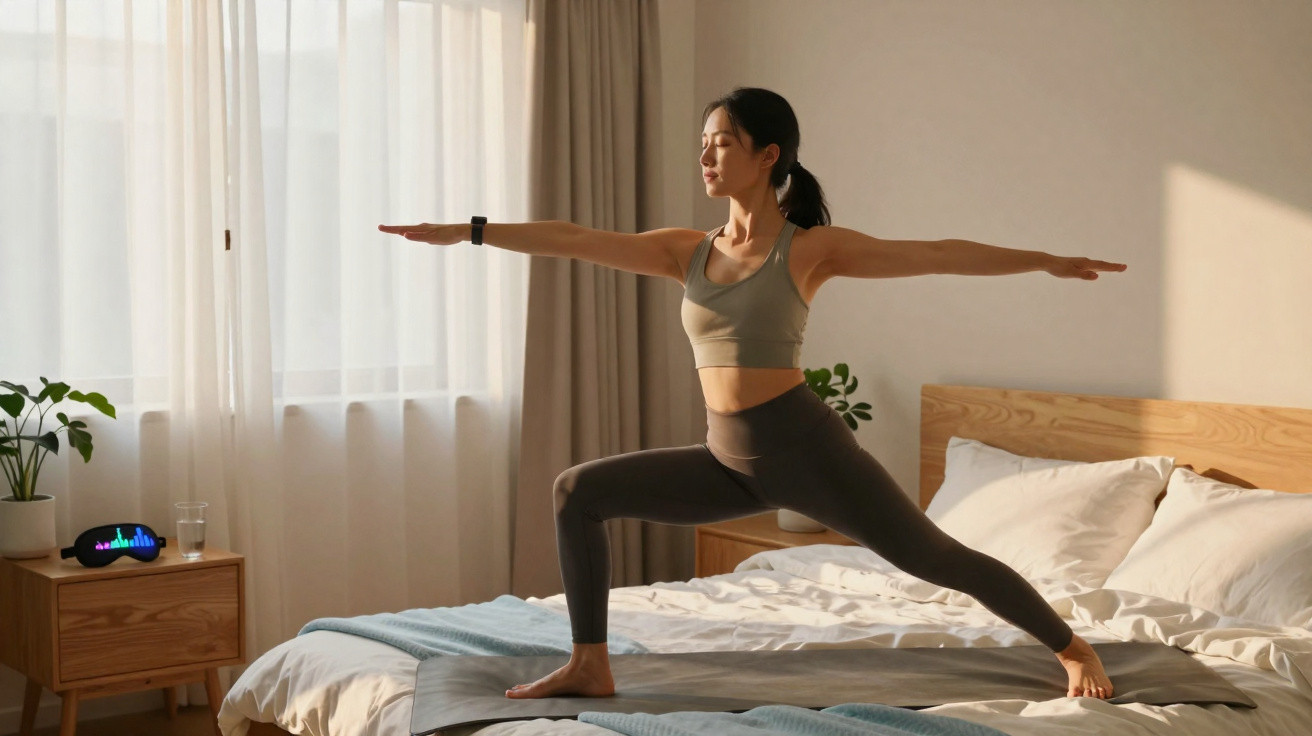
The approach is almost embarrassingly straightforward: set a daily movement minimum that you can manage even on your worst day. Not on a good, motivated Monday, but on a rainy Wednesday when the children are ill, your manager is applying pressure and your head is pounding. Perhaps it is five minutes of stretching as soon as you wake up. It could be 800 steps around the block after dinner. Or 10 squats before turning on the shower. This minimum is the agreement you make with yourself. You can always do more, whenever you want. But you do not skip this minimum.
The most common mistake is deciding, in a burst of enthusiasm, that the minimum is too low. So we increase it. “Only” five minutes? Come on, let’s make it 30. “Only” a short walk? No, I am starting to run now. Then the first difficult day arrives and all that lovely motivation collapses like a house of cards. You feel bad, blame your “weak willpower” and think: I simply cannot do this. Yet your willpower was not the issue; the design was. Your system was designed for ideal circumstances, not real ones. And real days are messy, tiring and busy.
“The best movement is the movement you still do on a miserable day.”
- Make your daily minimum so small that you almost feel embarrassed by it.
- Attach it to something that already happens: getting up, brushing your teeth, cooking or making a phone call.
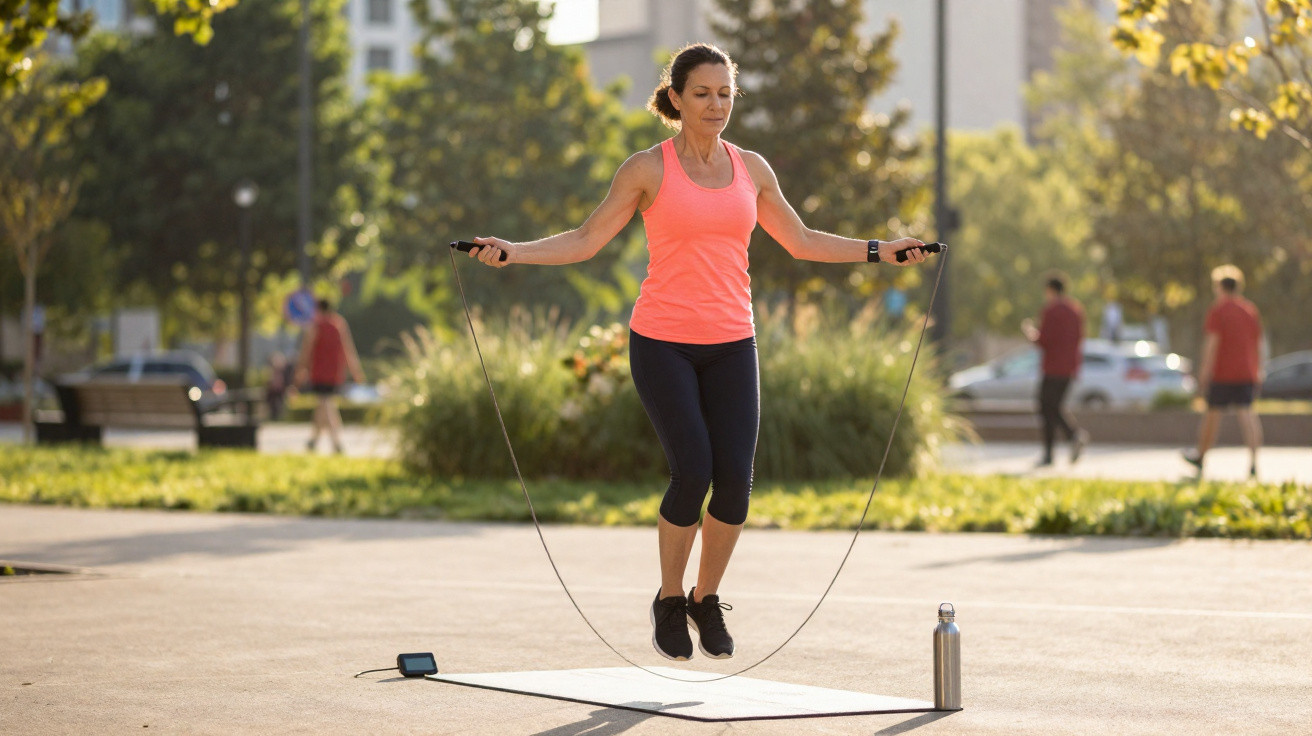
- Use everyday journeys: take the stairs rather than the lift, get off one stop earlier or stand up briefly every hour when working from home.
- On some days, give yourself permission to do exactly the minimum – without guilt.
- Celebrate consistency rather than heroic efforts. A month of mini-movement beats one week at the gym followed by three weeks off.
Why small steps can transform how life feels
Something unremarkable happens when you take this one rule seriously: you start to regard yourself as someone who “moves”. Not only occasionally when there is time, but every day, even when the day has been dreadful. This self-image is quieter than any fitness challenge, yet far more stable. Your body remembers that you do not simply use it; you care for it. Your mind remembers: I can look after myself, even amid chaos. That experience is almost physically comforting.
Viewed plainly, regular small amounts of movement can change a surprising amount: sleep often becomes deeper, stress fades more quickly and tension eases. Suddenly, the stairs no longer feel like a mountain. You are less out of breath when running for the train. These are not dramatic “before and after” photographs; they are small everyday moments that shape your underlying sense of wellbeing. You realise that exercise is not a project, but a way of helping your body cope better with your life.
You may begin to extend those 10 minutes. On some days, they become 20, a short run, a gym visit or a yoga session. On other days, they remain exactly 10. The difference is that you no longer need to overcome yourself afresh every time, because the decision has already been made. Movement is no longer another task competing with everything else on your list. It becomes the quiet, non-negotiable backdrop to your days. That is where its power lies, even if hardly anyone else can see it.
| Key point | Detail | Benefit for the reader |
|---|---|---|
| A daily movement minimum | A small, fixed activity session (for example, 5–10 minutes) that is genuinely achievable every day | Removes pressure and makes movement manageable, even on stressful days |
| Link movement to established routines | Connect it with habits such as getting up, cooking or making phone calls | Makes it more likely that you will stick with it without using extra willpower |
| Consistency over perfection | Small successes count, and slip-ups are not treated as dramatic | Builds a stable self-image while reducing frustration and guilt |













Comments
No comments yet. Be the first to comment!
Leave a Comment