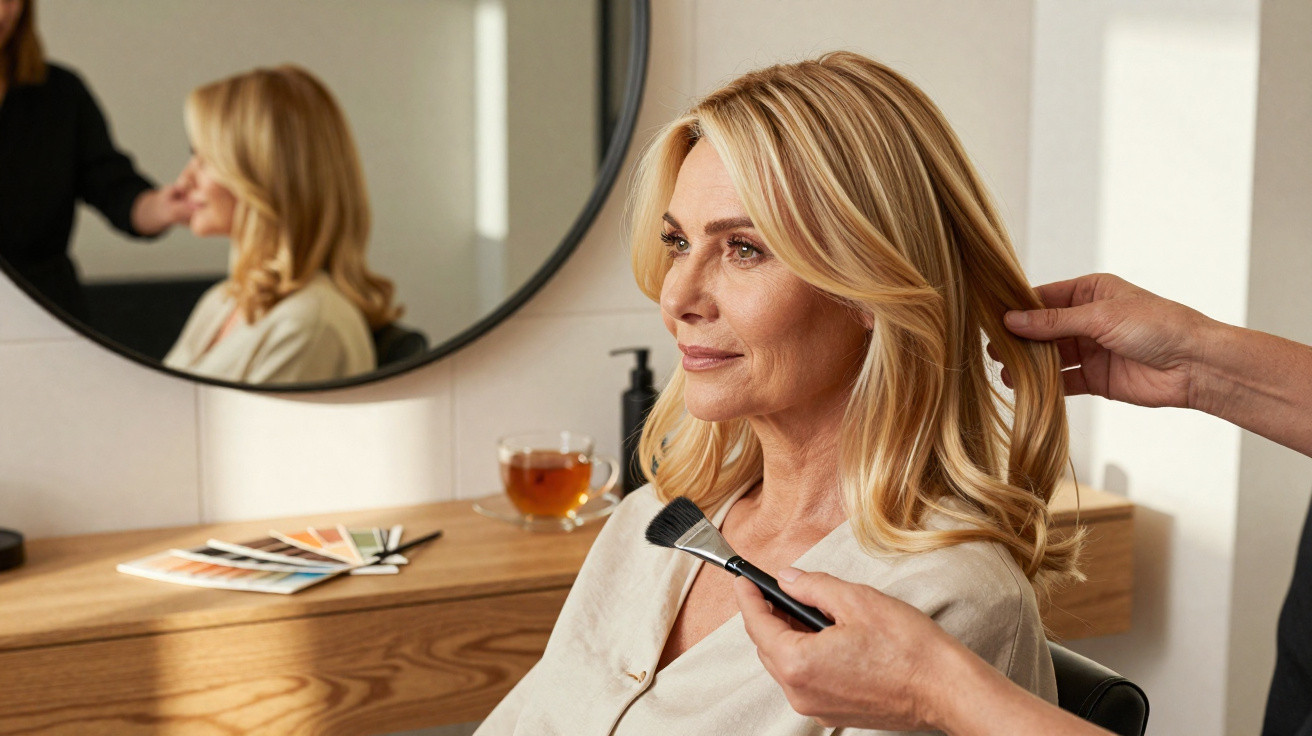
Looking in the mirror at 50, 60 or 70 quickly makes one thing clear: the same hair colour that worked at 30 may suddenly no longer suit you. Skin becomes paler, facial contours soften and grey strands begin to appear. This is precisely where a hair trend increasingly requested in salons comes in, as it can visually lift the face and soften tired-looking features.
The colour that brightens mature faces: what Vanilla Blonde is all about
Hairdressers have recently been reporting growing interest in a shade that can make women over 50 look noticeably more youthful: a soft, creamy Vanilla Blonde that blends gently rather than making an obvious statement. The colour acts rather like a soft-focus filter for the face, concealing stark shadows, giving the complexion a warmer appearance and drawing greater attention to the eyes.
“The secret lies not only in the shade itself, but above all in how subtly and seamlessly it is worked into the hair.”
Rather than colouring every strand uniformly, professionals use exceptionally fine highlights, balayage techniques and precise hair contouring. The base colour is lifted slightly, while selected sections are given brighter accents. This creates a graduated result that looks as though the hair has simply been gently kissed by the summer sun.
Why a soft blonde works so well from 50 onwards
As we age, the skin loses pigment and firmness. Very severe contrasts, such as cool black or an intensely ashy dark brown, can emphasise fine lines, dark circles and areas that have lost definition. A delicate Vanilla Blonde does the opposite:
- It visually brightens the area around the face.
- Soft reflections direct attention towards the eyes rather than lines.
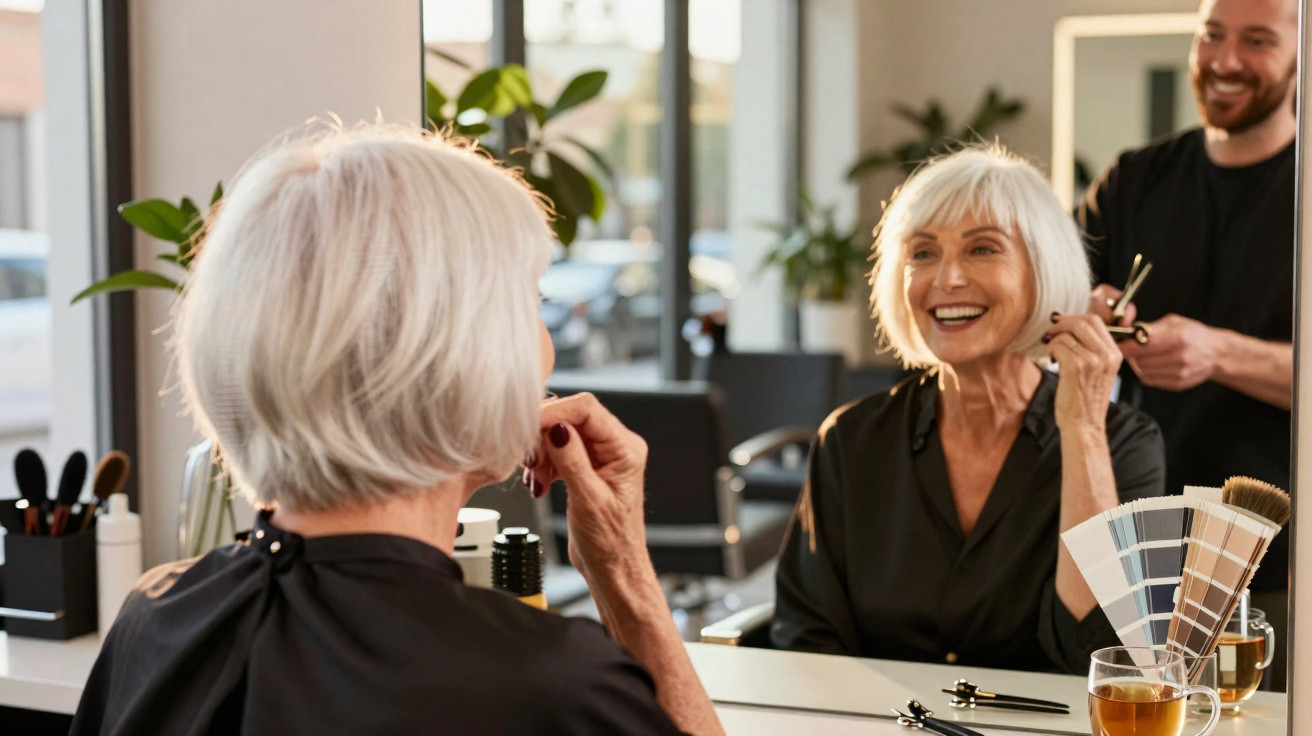
- Grey hairs blend discreetly into the overall colour.
- The complexion appears warmer, fuller and more lively.
The result is a face that looks fresher, kinder and less severe, without anyone being able to pinpoint exactly what has changed. It is this subtle quality that makes the colour so popular.
How the technique works: fine balayage and skilful contouring
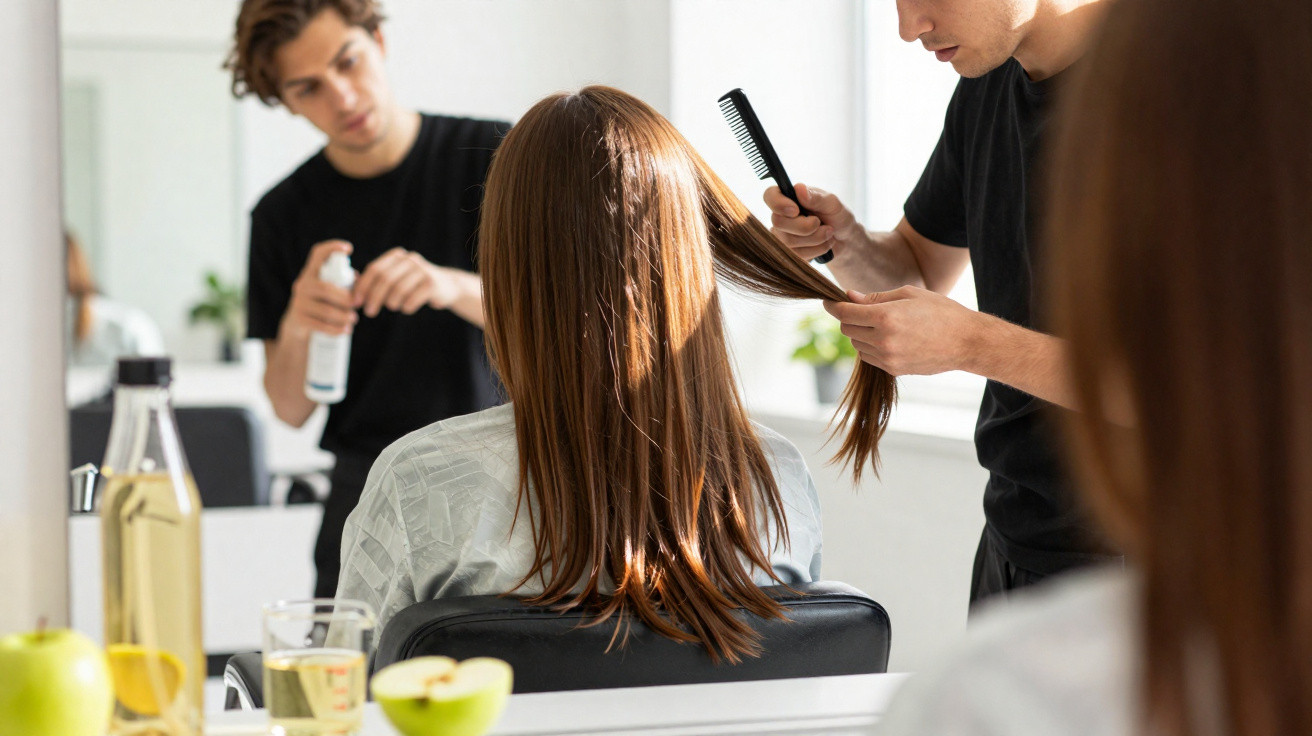
The route to a flattering Vanilla Blonde usually starts with a personalised salon consultation. How light is the natural hair colour? Where are the first grey strands appearing? Which parts of the face would benefit from more light?
Step 1: Gentle lifting with micro-balayage
Instead of broad highlights, ultra-fine sections are coloured. They become lighter from roots to ends without creating harsh stripes. The roots are often deliberately left slightly darker, so the result appears more natural and avoids a helmet-like effect.
The advantages of this method include:
- Less noticeable regrowth as the hair grows out
- Greater depth and movement through the hair
- A natural-looking result, as though you were born with it
Step 2: Hair contouring for a visual “mini-lift” effect
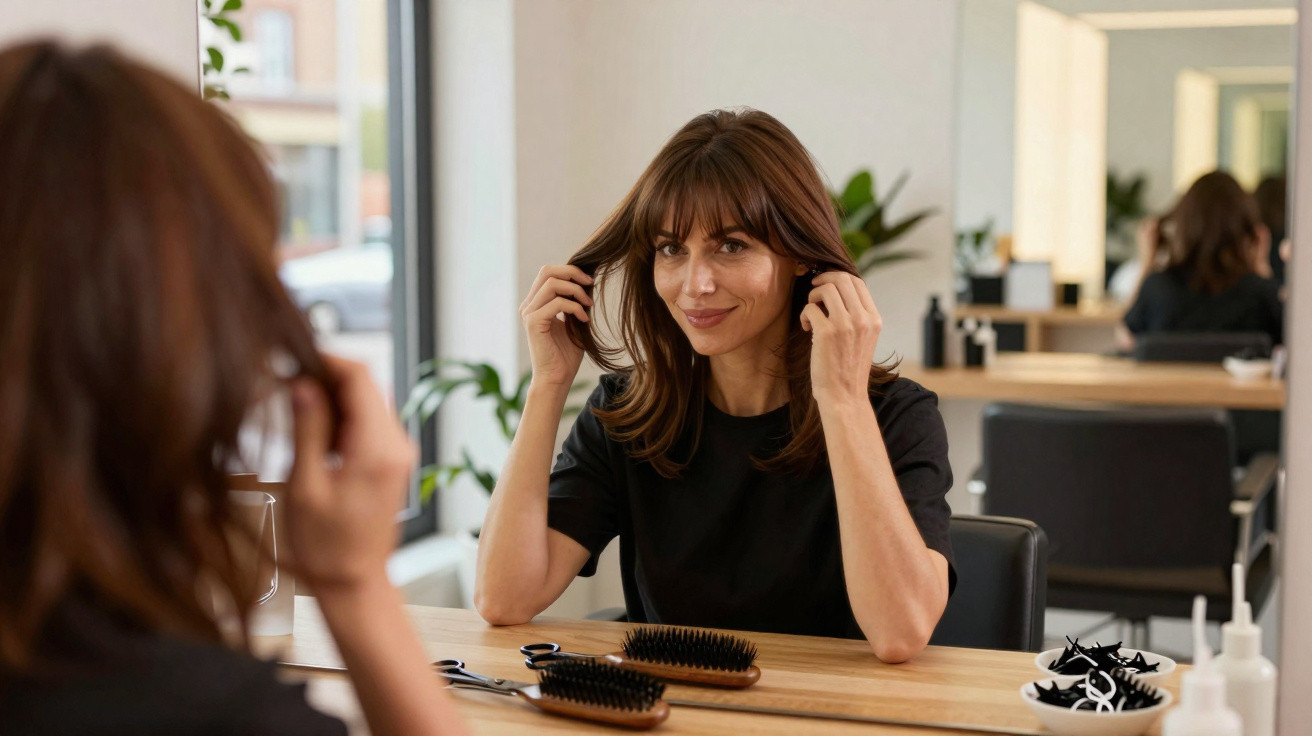
With hair contouring, hairdressers place carefully considered light and shadow around the face. Lighter strands may frame the cheekbones or sit along the fringe, while slightly darker shades beneath the top layer add depth.
“Lighter sections visually bring features forward, while darker ones make them recede – much like make-up contouring.”
Many clients are surprised by how much this distribution of shades alone can soften their features, without needing to change the length or shape of the hair significantly.
Step 3: A double gloss treatment for a creamy Vanilla Blonde finish
To stop the blonde looking dull or yellow, professionals often use two coordinated toning stages. First, the base shade is balanced, followed by a Vanilla Blonde gloss. This counteracts unwanted yellow or overly cool tones and gives the colour a creamy, vibrant sheen.
The outcome recalls naturally sun-lightened summer hair: not a stark platinum blonde, but a soft, gently warm shade with plenty of reflection.
Who Vanilla Blonde particularly suits – and who it may not
This trending shade is particularly suitable for women with fair to medium skin and a neutral or golden undertone. On these complexions, Vanilla Blonde works as a natural enhancer rather than a mask.
| Skin type | How the colour looks |
|---|---|
| Fair, slightly golden skin | Very harmonious, with a radiant complexion and soft contours |
| Medium, warm skin | A summery appearance; grey hairs are less noticeable |
| Rosy skin | A more neutral Vanilla Blonde without excessive warmth is preferable |
| Very olive skin | Requires precise tailoring, otherwise the contrast may look too strong |
Anyone who has previously worn dark brown or chestnut hair should lighten it in stages, so as not to put too much strain on the hair and its structure. Fine balayage is helpful here too, rather than making a dramatic change to blonde in one appointment.
Care: keeping hair colour luminous for longer
To prevent Vanilla Blonde from losing its shine after only a few weeks, it needs a targeted care routine. Chemical lightening opens the hair cuticle, allowing moisture to escape more easily and causing colour to fade faster.
The most important steps at home
- Special shampoo for coloured hair: a gentle formula that does not immediately wash out the colour pigments.
- Nourishing masks: use once or twice weekly to help prevent dryness and breakage.
- Purple-toned care in moderation: helps counter yellow tones, but should be left on only briefly and not used at every wash.
- Light oils or shine sprays: apply to the mid-lengths and ends to reflect more light.
- Heat protection: use before blow-drying, straightening or curling, so the hair does not become “burnt out”.
“The healthier the hair structure, the more youthful the whole colour looks – dull, brittle ends give away even the best blonde.”
Styling that brightens the face even more
Vanilla Blonde reveals its full effect when the hair moves. Soft waves, relaxed blow-dries or an airy long bob ensure that light continually catches the lighter sections in new ways. Severe, pin-straight styles, by contrast, can quickly look harsher and more ageing.
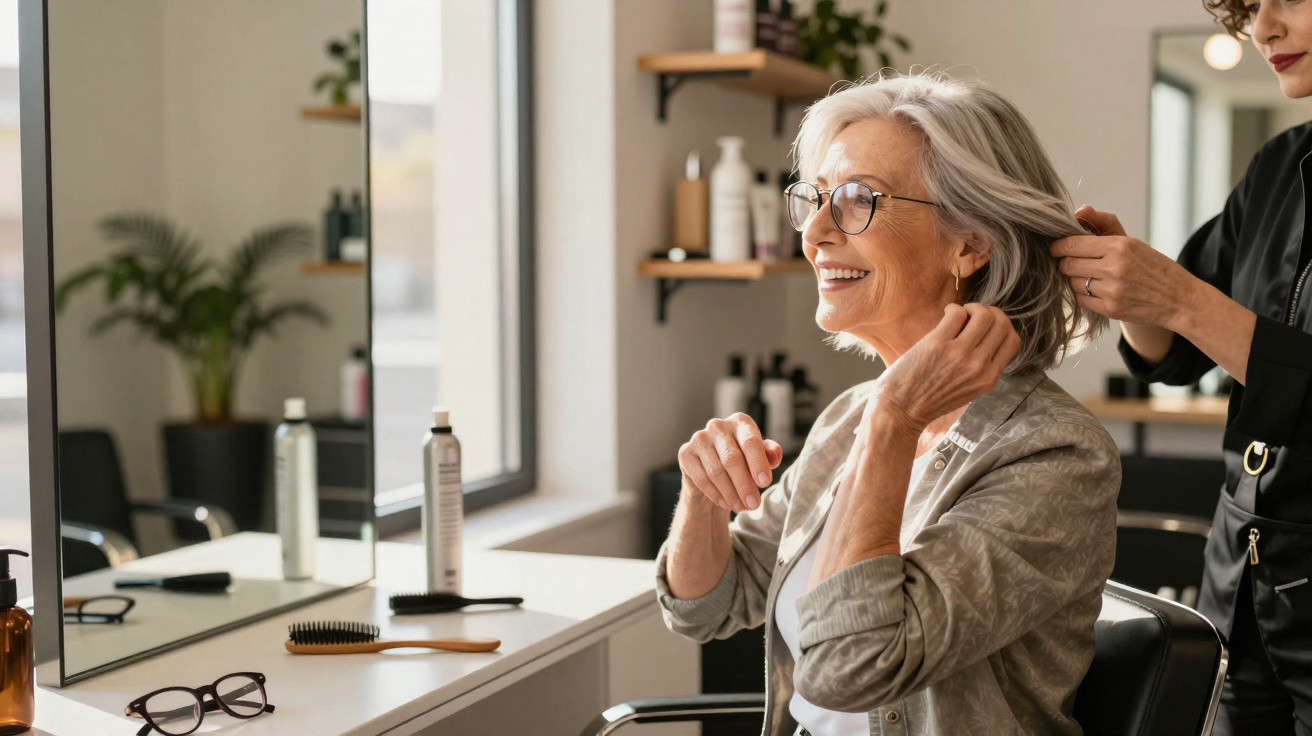
Those who wear glasses can heighten the effect by matching the frame colour to the new blonde, for example with warm gold tones or pale nude shades instead of deep black.
How to find the right shade at the hairdresser
Before changing colour, it is worth giving the salon a clear brief. Rather than simply asking for “blonde”, a few specific details are useful:
- A recent unfiltered photograph in which your natural skin tone can be seen clearly.
- Images of Vanilla Blonde examples you like, as well as those you definitely do not.
- An honest account of your previous colour history: toners, box dyes and earlier highlights.
A good hairdresser will take your natural eye colour, eyebrows and skin tone into account, then adapt the shade accordingly – from a slightly cooler cream to a more golden Vanilla Blonde. They may also suggest softening the eyebrow colour slightly, so that the overall look remains harmonious.
Risks, limits and sensible alternatives
Anyone with very fine, heavily damaged or repeatedly bleached hair should proceed with caution. Every additional lightening process can worsen breakage. In these cases, it may only be possible to add selected, extremely fine lights around the face instead of lightening the entire head of hair.
Another option is a soft, light caramel or a darker honey blonde. These shades can also create a more youthful effect, but require less chemical lightening and are often easier to maintain day to day.
The combination with make-up is also worth considering: those moving to Vanilla Blonde often benefit from slightly warmer blush shades and delicate peach or rosewood lipsticks. These new colour harmonies can noticeably enhance the fresh overall effect.
Ultimately, this trend is not about desperately trying to “cheat younger”, but about choosing a colour that supports your own natural presence. When the mirror reflects a kinder, more awake-looking face, you will usually feel a few years younger automatically – without radical measures, simply through the right hair shade.










Comments
No comments yet. Be the first to comment!
Leave a Comment