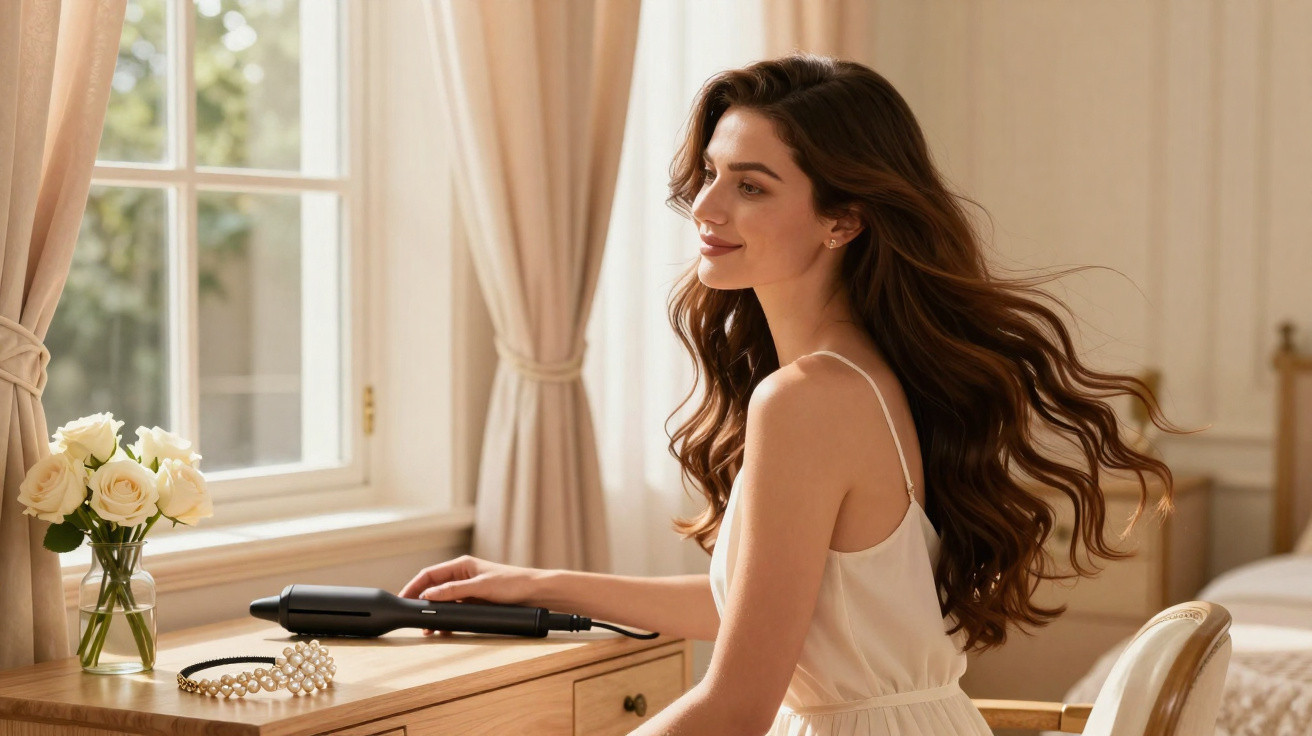
It is the hair: glossy, softly waved and moving with what seems like its own understated assurance. Whether she is on the Trooping the Colour balcony, getting out of a black SUV in New York or standing on a blustery rugby pitch in Wales, Kate Middleton’s hair can look almost unreal while remaining oddly attainable.
People now mention “princess hair” in much the same way they once talked about “Hollywood waves”. TikTok guides, salon price lists and Pinterest boards are all pursuing that same smooth, softly sweeping finish.
At first glance, it may appear to be nothing more than long brown hair and a curling iron. In reality, there is more at work.
What “princess hair” really means in 2026
“Princess hair” has nothing to do with tiaras or rigid ringlets. Instead, it is a carefully balanced combination of condition, gloss and styling effort that still appears understated. Kate’s version is worn from mid-length to long, with curved layers around the face, subtly turned ends and a distinctive polished sheen visible even in close-up paparazzi photographs.
The roots have lift, although never the exaggerated volume associated with reality television. The ends have movement rather than obvious barrel curls. Its colour reads as sun-kissed brown, including during London’s greyest weather. It is hair that looks refined without seeming overworked, controlled while remaining touchable.
Naturally, hairstylists describe it in more technical language, using terms such as “blowout layering”, “invisible face-framing” and “internally cut weight”. Put simply, the haircut carries most of the responsibility, leaving the styling relatively straightforward. That is the overlooked secret.
The phrase “princess hair” has gained momentum quietly across social media. A single TikTok search reveals thousands of attempts at the “Kate blowout”. One UK salon chain told me that requests for “princess layers” doubled following the Princess of Wales’ first solo visit to the US, when photographs of her buoyant, impeccably styled lengths appeared across tabloid websites.
Clients are not booking in with requests for an exact colour formula or a celebrity fringe. Instead, they show their stylist a photograph of Kate during a walkabout and say, “I want it to do this.” What they mean is hair that falls neatly over the shoulders, curves under just enough and looks flattering from every angle in unplanned photographs.
One London stylist recalled a Tuesday afternoon when three unconnected clients all referred to the same royal Engagement Day blowout. That goes beyond a passing trend: it is a visual language that people immediately recognise.
Behind the high-shine photographs is a strategic element. “Princess hair” suits Kate so effectively because it functions as a uniform. Its silhouette is dependable, its finish remains consistent, and it frames her face in a similar way whether she is wearing an evening gown or a Barbour jacket. The result signals continuity, dependability and calm, regardless of how turbulent the news cycle may be.
That is also why the look translates so easily to everyday, non-royal life. It works for the office, weddings and trips to the supermarket alike. There is no need to overhaul your appearance when the day unexpectedly changes direction: the hair already complements nearly everything.
It is exceptionally photogenic, too. It picks up the light, resists becoming entirely flat in humid conditions and avoids severe lines that could quickly look dated. There is a subtle brilliance in that.
How to get your own version of “princess hair”
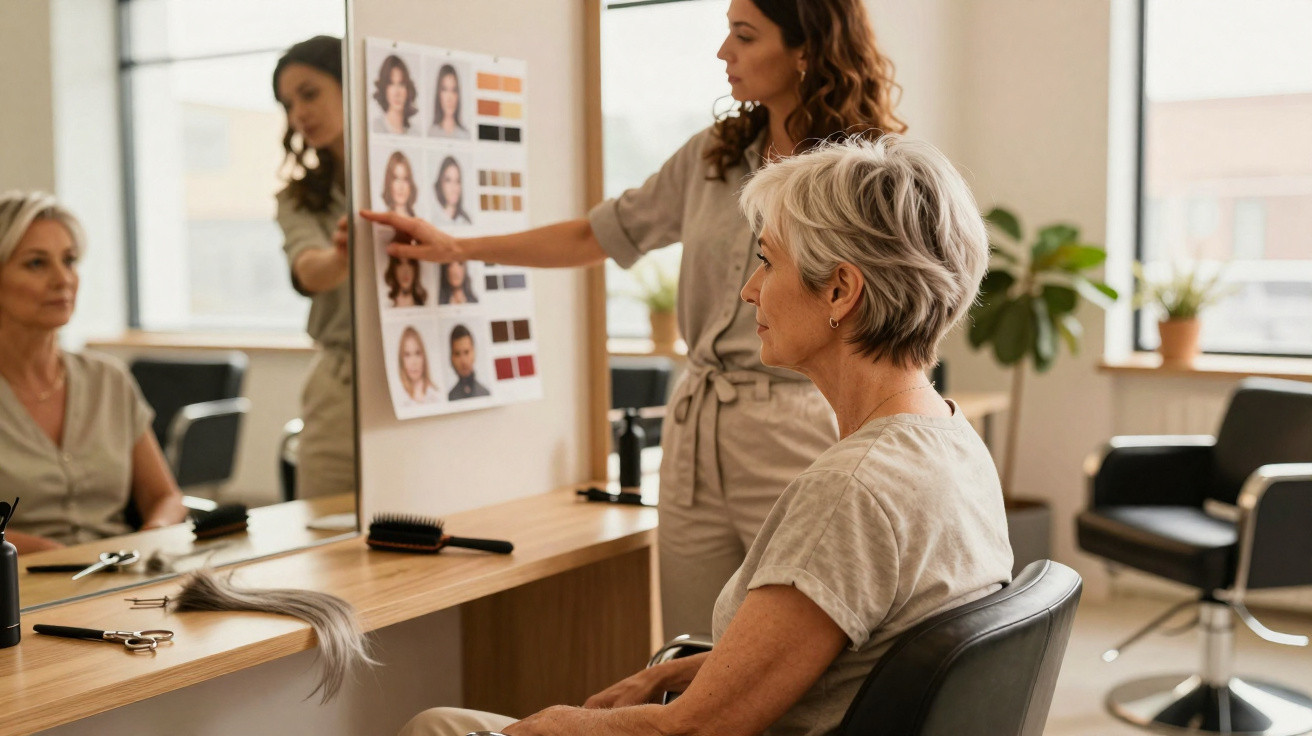
Showing your stylist a photograph of Kate and simply saying “like this” leaves too much open to interpretation. A better approach is to explain how you want your hair to behave. Phrases such as “rounded ends”, “soft layers from the cheekbones down” and “movement at the bottom, not at the crown” are particularly useful.
Request long layers beginning at around the chin, or a little lower depending on your face shape. The pieces at the front should be marginally shorter so that they bend around the jaw, rather than hanging straight down. At the back, invisible layers are needed to remove excess weight without creating noticeable steps.
Picture the outline of your hair being shaped into a soft S-curve. That is what allows these princess waves to fall in such a camera-friendly way.
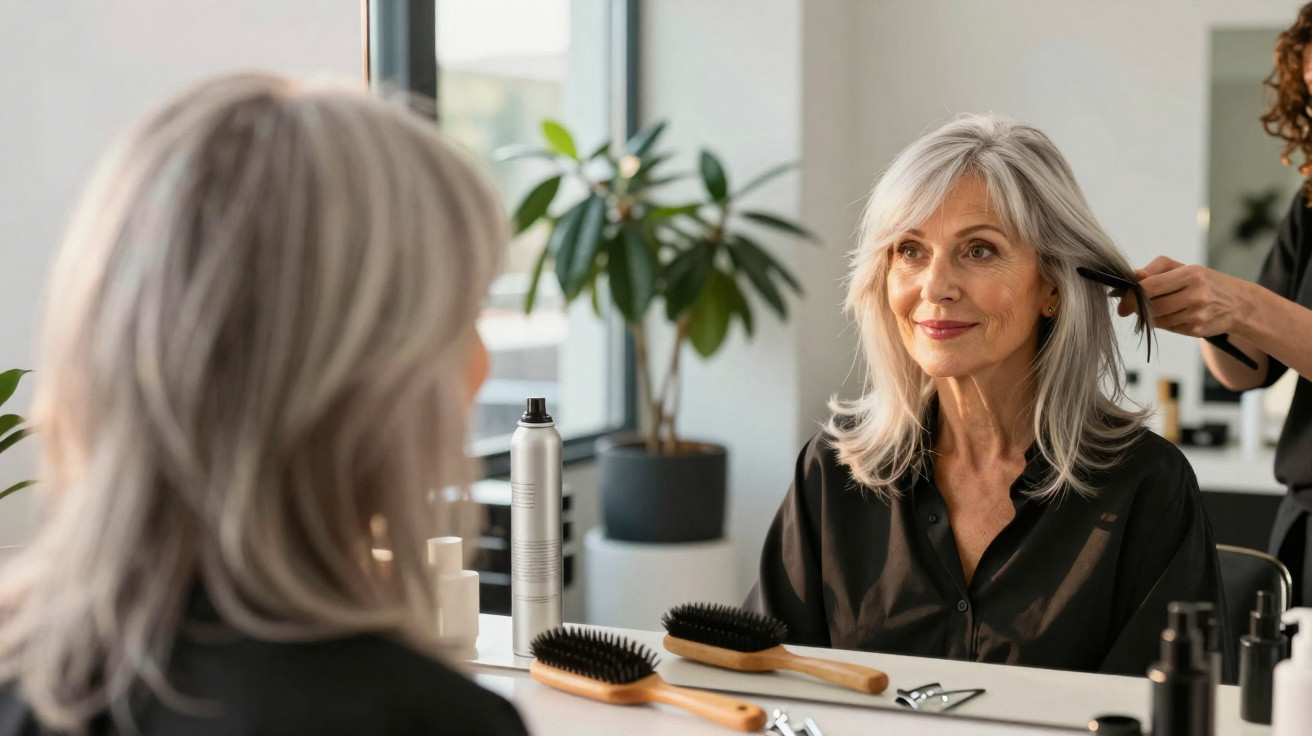
At-home styling matters just as much as the cut itself. Begin with heat protection and a lightweight shine-enhancing product, such as blow-dry cream or smoothing serum. First, roughly dry the roots with your head slightly tipped, using your fingers to create gentle lift without backcombing.
Next comes the traditional tool: a round brush. Take medium-sized sections, turn the brush underneath at the ends and pause briefly to let the hair cool around it. The aim is not to make a curl but to introduce a bend. That bend creates the signature bounce of princess hair as you walk.
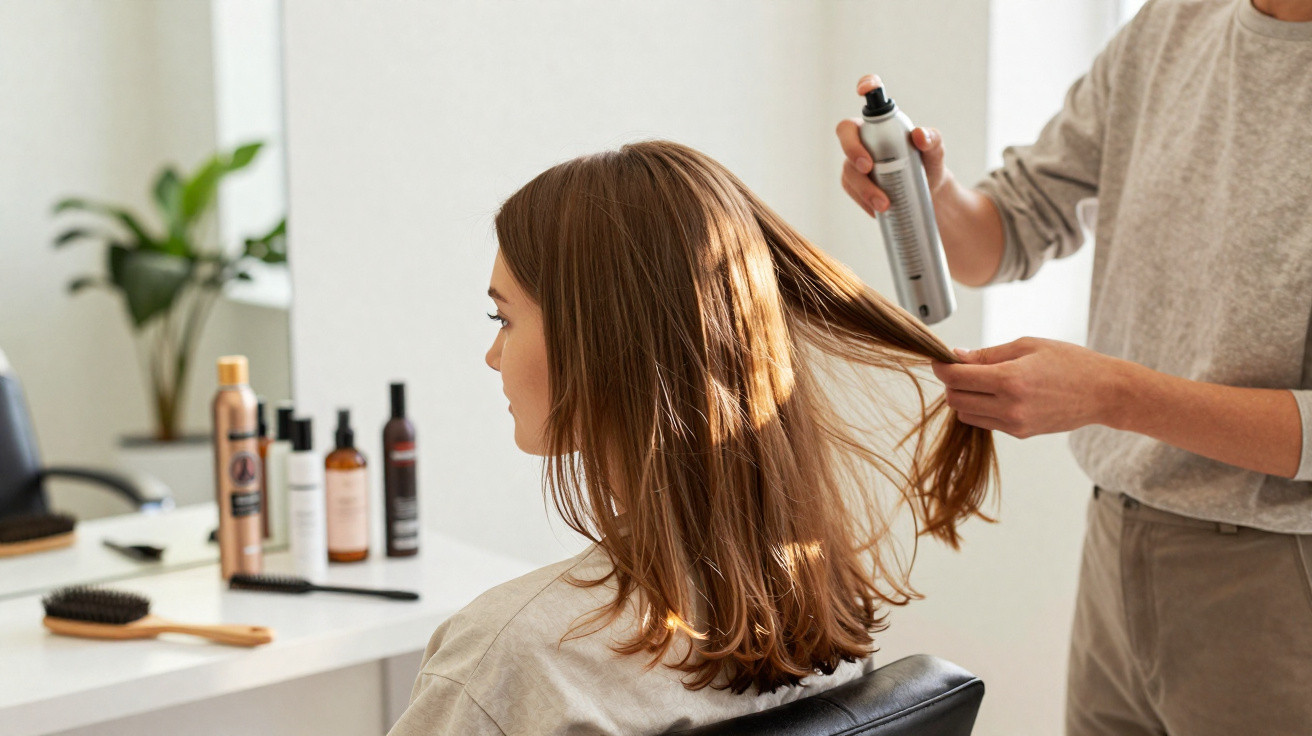
If time is limited, a large-barrel curling iron or hot brush can recreate the effect. Use it vertically through the mid-lengths, then turn it horizontally beneath the ends. A light hairspray or flexible-hold spray will preserve movement without making it rigid. You want the hair to move as you talk, not stay glued in a perfect magazine pose.
Here is the honest detail rarely included in royal hair diaries: it requires effort. It is not the equivalent of a three-hour glam-team session, but it takes more than simply air-drying and leaving the house. Let’s be honest: nobody really does this every day. Even Kate has noticeably looser hair days, particularly during breezy walkabouts and casual sporting events.
On those occasions, the haircut still does the heavy lifting. Its layers mean that even partly dried hair settles into a soft silhouette. This is worth bearing in mind if you are balancing children, commuting and late-night emails. Perfection is not the objective; the aim is a dependable default that makes your hair look intentional even when life is not.
Many people undermine the look by applying too much to their hair: excessive oil, too much spray or repeated straightener passes. The outcome is the reverse of princess hair: weighed-down, flat and slightly forlorn lengths clinging to the face. Use less product than you expect to need. Place more faith in the cut and blow-dry than in cosmetic quick fixes.
“Princess hair isn’t about having a royal title,” says one London stylist I spoke to. “It’s about hair that makes you feel composed in chaos. That’s why people keep asking for it.”
For a more manageable approach, treat the routine as a series of small, repeatable steps rather than a complete transformation:
- Arrange a haircut centred on long layers and face-framing, rather than dramatic changes to length.
- Buy a good round brush and heat protectant before spending heavily on a new styling tool.
- Blow-dry in sections, turning the ends under instead of forcing them into tight curls.
- Keep products lightweight: use serum for shine and a flexible spray for hold, avoiding anything tacky.
- Opt for colour that creates dimension, such as delicate highlights or gloss, rather than pursuing a wholly different shade.
This is how “princess hair” becomes more than a Pinterest moodboard and turns into a routine your future self will quietly appreciate.
Why “princess hair” hits such an emotional nerve
We do not become fixated on a haircut solely because it looks attractive. “Princess hair” speaks to something more fundamental: feeling composed when the world around you seems slightly out of control. On a difficult news day, those gleaming waves can resemble armour: gentle, yet resilient.
At a more personal level, the style is also about seeing yourself reflected in it. Those with fine hair can recognise that the look relies on movement rather than thickness. People with wavy hair can see that a looser blow-dry still feels royal-adjacent. The unspoken suggestion is that you do not need a completely different hair texture to take part in the aesthetic.
On a human level, most of us have caught our reflection in a shop window and thought, “OK, I look like I’ve got my life roughly together today.” For many people, “princess hair” has become shorthand for this small, private feeling of calm. It is not about flawlessness, only having a little more command over the image the world takes from your face.
What is especially interesting is how accessible this royal trend really is. A softly layered, one-length cut does not require a couture budget. Weekly blow-dries are unnecessary if you are prepared to learn a few basic techniques with a brush at home. Long hair is not essential either: a collarbone-length interpretation with comparable shaping creates the same effect, with less drying time.
Hair will never behave perfectly in real life, with rain, helmets and delayed trains to contend with. That is simply life. What the “princess hair” trend gently proposes is that a reliable, consistent style can still be a modest act of self-respect. In a world where your image is constantly photographed, cropped and shared without warning, that matters.
| Key point | Detail | Why it matters to the reader |
|---|---|---|
| The cut comes first | Long layers, rounded contours and subtle face-framing | Understand what to ask a stylist for a result that lasts |
| The blow-dry routine | Roots dried by hand, round brushes and ends turned under | Recreate the “princess hair” effect without a glam team |
| Style as a uniform | One adaptable shape for formal and informal days | Save time and feel more confident each day |








Comments
No comments yet. Be the first to comment!
Leave a Comment