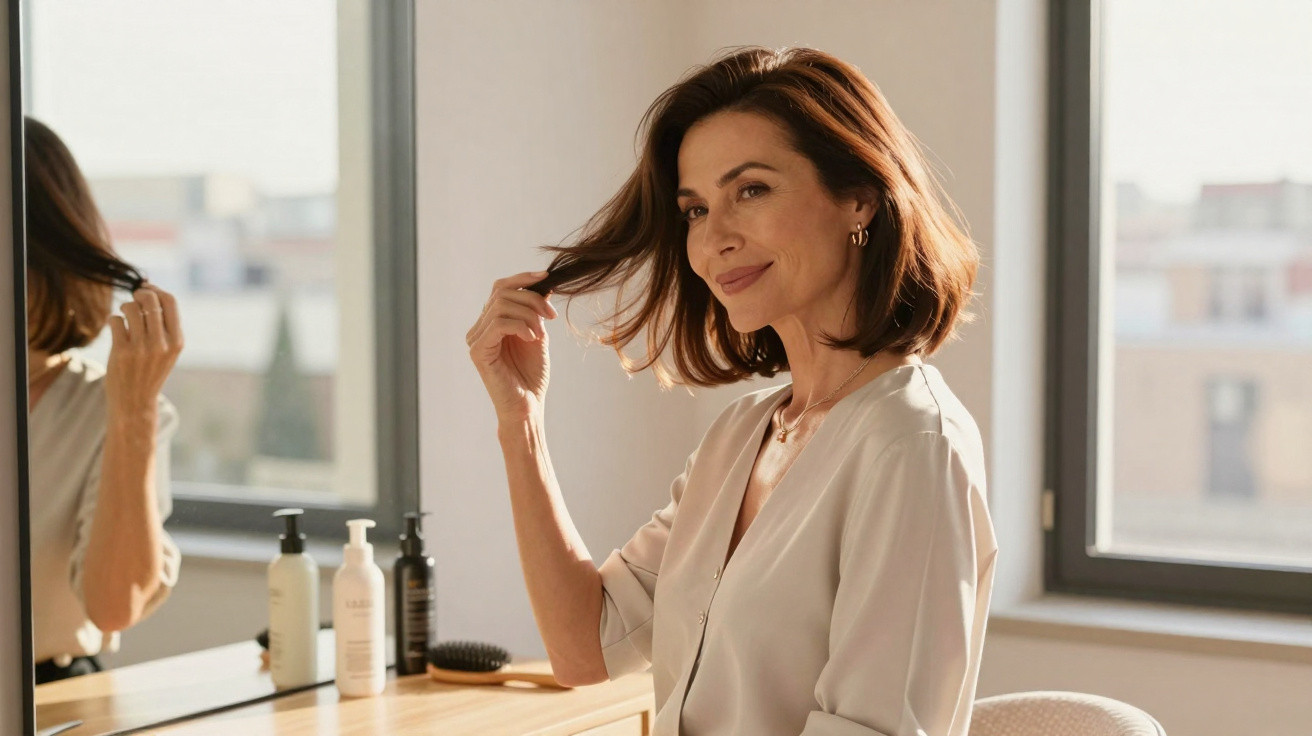
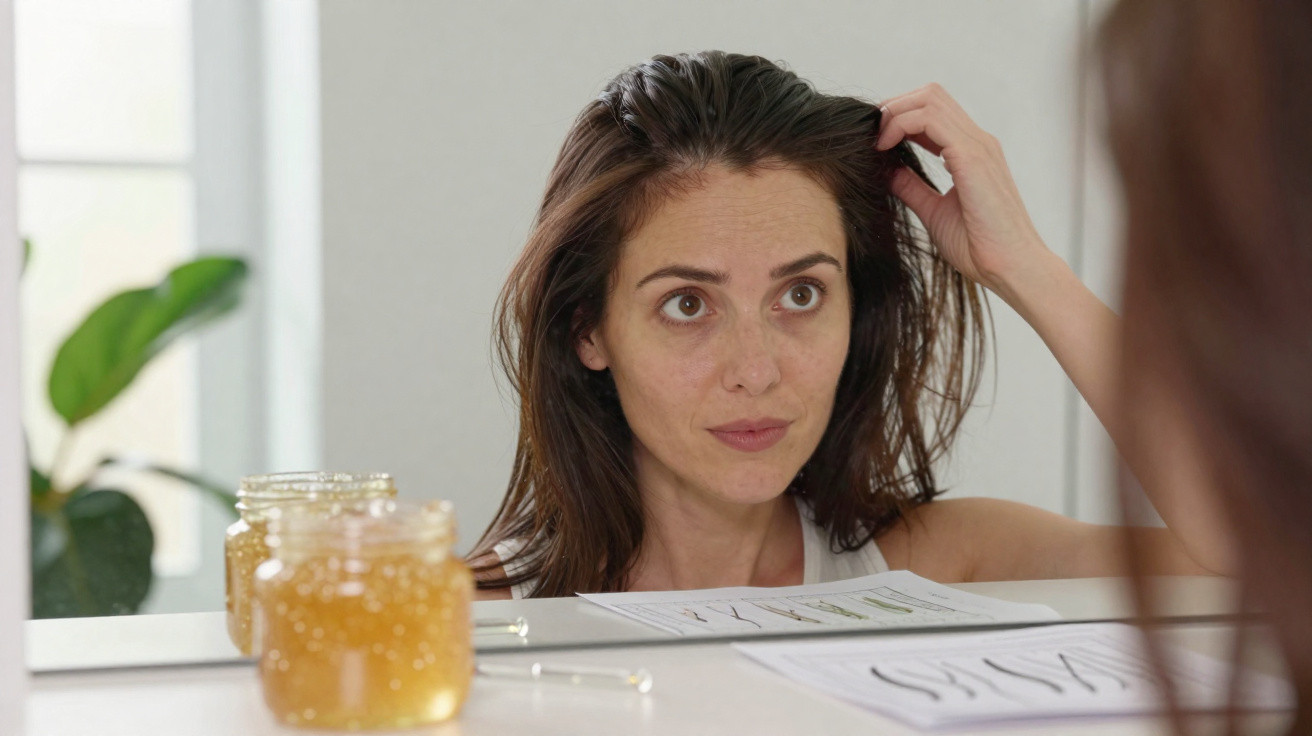
The woman in the mirror tilts her head slightly, narrows her eyes and pushes her hair back. On the phone in her hand is a photograph of herself ten years earlier, with a thick, glossy mane. Now, in her mid-to-late forties, the lengths no longer fall as they should. The ends look tired, her ponytail hangs limply, and somewhere between those observations she quietly wonders: “Have I grown older – or has only my hair?”
We all know that moment. In the bathroom, surrounded by toothpaste, hairspray and time pressure. A few grey strands keep making themselves known, while the rest takes forever to blow-dry. Then, at a café, you spot the woman at the next table: around fifty, with a razor-sharp Long Bob that makes her face glow. Suddenly, the question changes entirely. Not “Am I getting older?”, but “What if my haircut were simply more modern?”
Why the Long Bob often does more than an everlasting mane
Anyone who watches women around fifty closely soon notices that the difference is rarely about how much hair they have; it is about the shape. A Long Bob finishes somewhere between the collarbone and just below the chin. That length frames the face without overwhelming it. By contrast, long manes often pull downwards, highlighting tiredness where there was once lightness.
A Long Bob gives the face centre stage again. The neck appears more open, the shoulders more upright and the silhouette more defined. Instead of seeing “lots of hair”, you suddenly see a person with shape. That is precisely why many women at this age look more elegant, more striking, more modern.
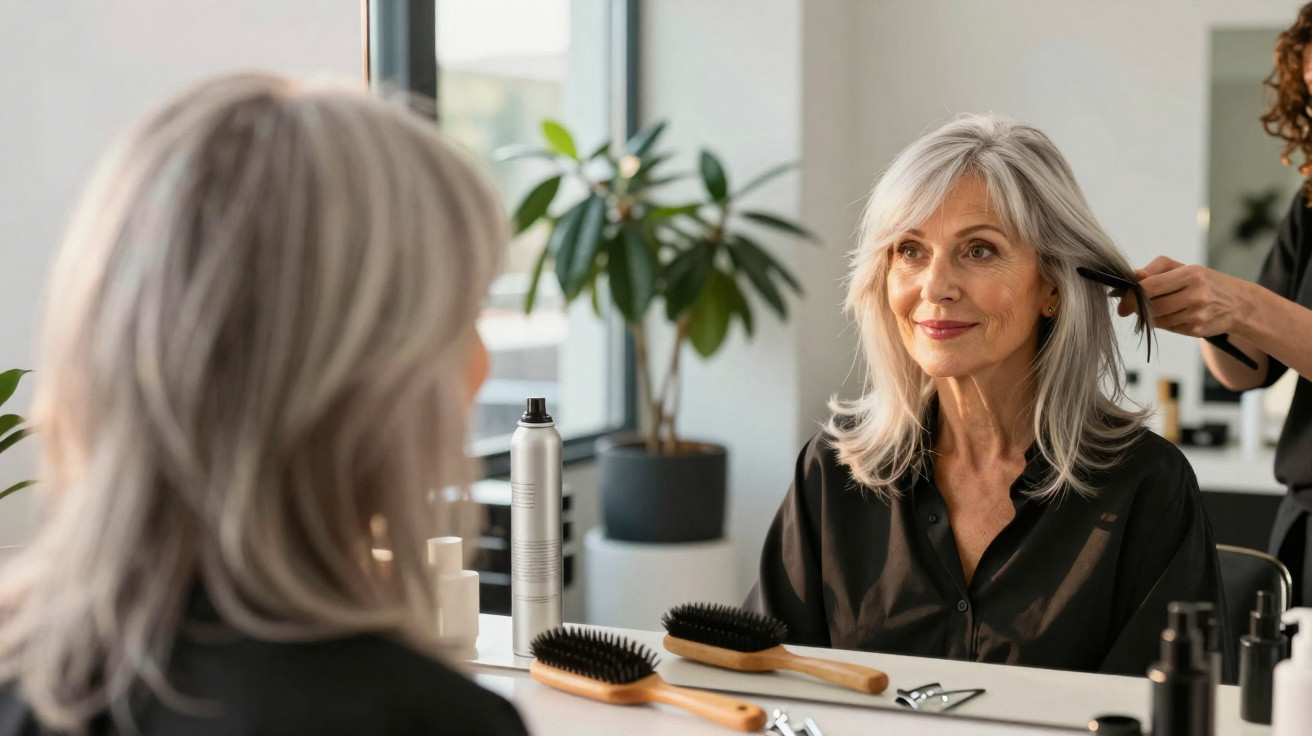
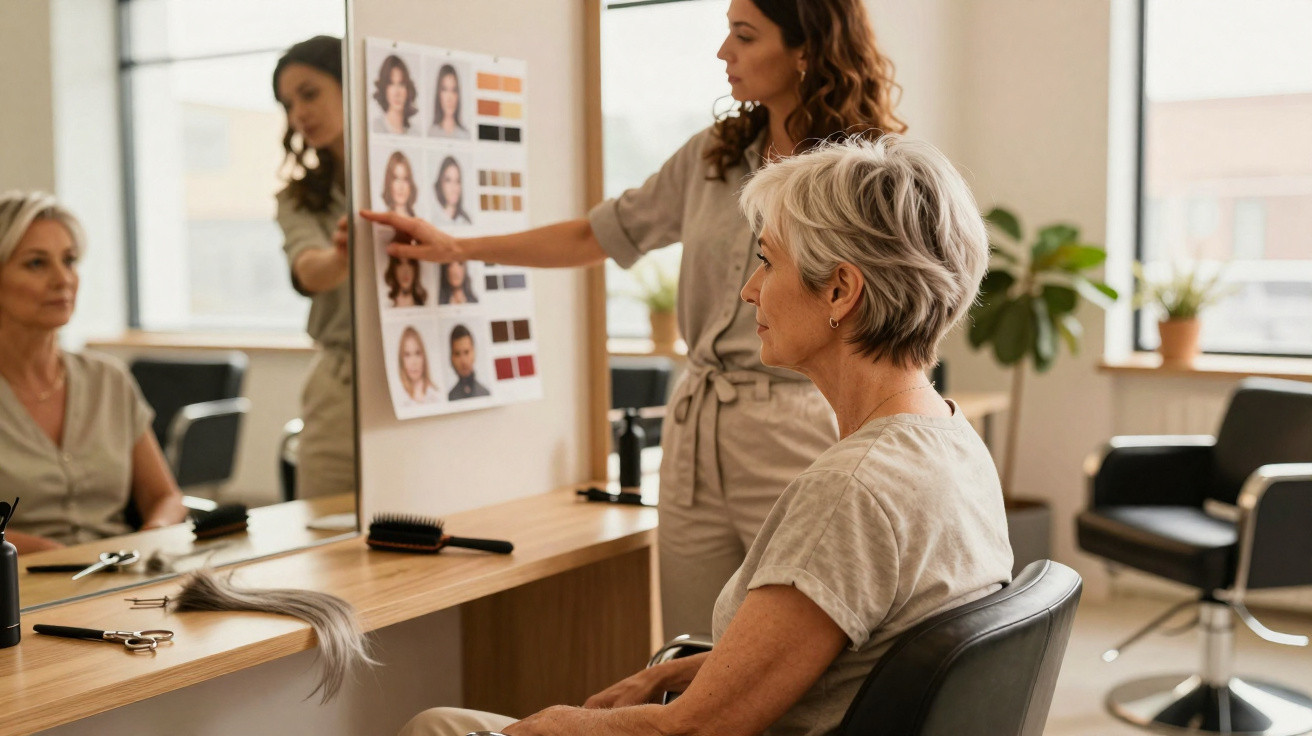
At a salon in Frankfurt, a hairdresser tells me about her “before-and-after” moments. One regular client, 52, had arrived for years with the same routine: long hair, always worn in a bun, “because it is practical”. Her ends were brittle, the strands dull, and the hair visibly dragged her face downwards. When she finally agreed to a Long Bob, something happened in the mirror that you could almost hear: her face opened up.
The hairdresser laughs as she recalls it: “She stood up, stepped back and simply said: ‘Wow, I can see myself again.’” At the same time, she looked younger without appearing girlish. Her cheekbones became more pronounced and her neck looked longer. For years, her long hair had acted like a curtain. The Long Bob was more of a frame. Sometimes a cut changes not only your look, but your whole posture.
Logically, it is almost inevitable. As we age, hair often becomes finer, drier and more prone to breakage. Long lengths need density if they are to fall in a glamorous way. When the texture changes, many manes lose their bounce, the ends become see-through and the roots look flat. A Long Bob removes exactly the parts that look tired, leaving what still has strength.
Facial proportions also shift slightly over the years. A well-cut Long Bob can balance this out. It places length where it elongates - around collarbone level, for instance - rather than where it weighs the face down. A face shape that appears to be “drooping” can suddenly look subtly lifted. Let us be honest: nobody performs a perfect blow-dry with a round brush every day to control a long mane. A smart cut removes the pressure and adds style.
How the perfect Long Bob works at fifty
The magic starts with one question: “Where should the cut end?” For women around fifty, a Long Bob has the strongest impact when its placement is intentional - neither randomly shoulder-length nor merely “a little shorter”. A good starting point is a length between the chin and collarbone that suits the neck. Those with a shorter neck are better starting slightly below the chin. With a long neck, it can extend towards the collarbone.
Subtle layers through the top section create movement without sacrificing fullness. What matters is a clear baseline that is not overly precise, so the overall look does not become harsh. A very slight forward angle can visually lift the face. Heavily layered “feathers” can quickly look dated. Texture is better created with styling products than with too many layers of cutting.
Many women worry that shorter hair will automatically look more severe. Experience often proves the opposite. A Long Bob can be exceptionally soft when it is not blow-dried pin-straight. Let it air-dry with a light cream, add a few waves with curling tongs, and you are done. What does not work is treating the bob like your former mane - including endless straightening sessions.
The most common mistake is the compromise cut. “Just the ends,” again and again, until the hair is neither properly long nor clearly cut. That rarely looks stylish; it tends to look like someone who has “not decided yet”. The second mistake is having a Long Bob cut without taking account of cowlicks and the direction in which the hair falls. The back then sticks out, the sides lie flat against the head, and the cut gets blamed rather than the plan.
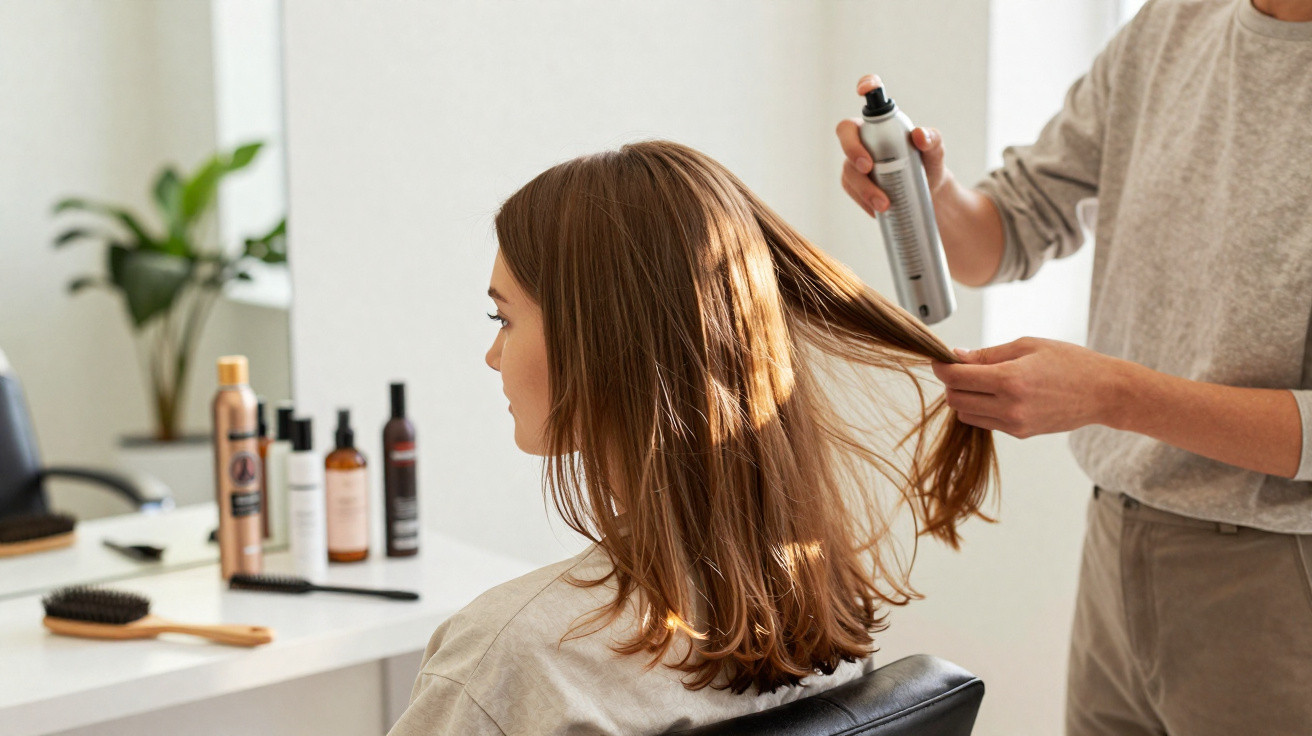
Mistake number three is using too much product. At fifty, hair often reacts more sensitively to silicones and heavy oils. Flat, weighed-down hair makes even the best cut disappear. Better options are light sprays, a touch of volumising powder and sparing use of conditioning products. Your hair should be allowed to move. A Long Bob needs air between the strands.
A stylist from Munich puts it plainly:
“Women over fifty do not need a ‘rejuvenating cut’. They need a haircut that shows their current character - clear, relaxed, without apologies.”
To make that work in practice, it helps to run through a short mental checklist before the scissors come out:
- How do I wear my hair for 80% of everyday life - down, half-up or in a ponytail?
- Which feature do I like most about myself: my eyes, cheekbones or neck? The cut should draw attention exactly there.
- How much time am I realistically willing to spend in the morning - five, ten or twenty minutes?
- How does my hair respond to humidity - does it puff up or hang limp?
- Am I ready to let go of the “everlasting mane” and embrace a fresh, defined look?
What changes when your hair matches your attitude
A Long Bob is not a magic switch that erases wrinkles. It changes something subtler: how a face is perceived in a room. Suddenly, people notice the eyes, expressions and laughter rather than mainly the hair. After a more radical cut, many women describe an almost physical effect: their head feels lighter, their gaze freer and their movements more natural.
At the same time, this cut tells a quiet story: “I am no longer holding on to old versions of myself.” Long hair is often unconsciously associated with youth. Having the courage to let it go can feel liberating. Not because shorter hair is a requirement, but because deliberately chosen definition is more attractive than strained attachment. You see it in the way someone enters a room, not only in a selfie.
Perhaps that is the real reason a Long Bob looks more elegant than a long mane on so many women around fifty: it suits the life they actually lead. No constant battle with split ends, no hours in front of the mirror and no attempt to compete with being twenty. Instead, it is a cut that works with movement, appointments, unexpected evenings and tired mornings - while still looking entirely intentional.
In the end, it is not about short or long hair at all, but about the feeling when you look in the mirror and think: “Yes. This is me - now.”
| Key point | Detail | Benefit for the reader |
|---|---|---|
| A Long Bob frames rather than weighs down | A length between the chin and collarbone emphasises the face and neck | Readers understand why a defined line can make them look fresher |
| Hair texture after fifty | Finer, drier hair benefits from less length | Makes it easier to decide to part with tired ends |
| A realistic everyday cut | A Long Bob works with minimal styling when it is well planned | Creates more ease in the morning styling routine |







Comments
No comments yet. Be the first to comment!
Leave a Comment