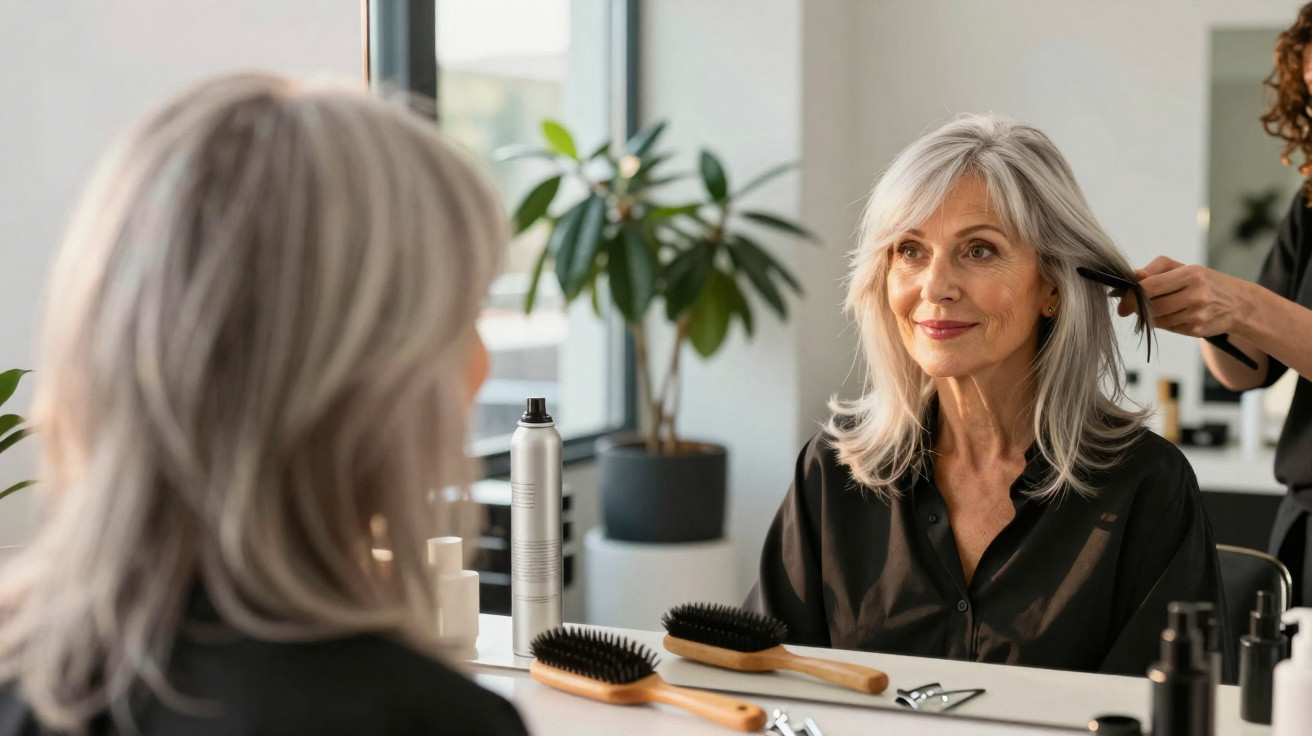
Wrinkles, softer facial contours and thinning hair are all part of getting older. Even so, many people want their face to look fresher, more alert and more vibrant without immediately considering cosmetic surgery. An experienced hairdresser explains which fringe cut can genuinely achieve this - and why this particular hairstyle can be a small game-changer after 60.
Why the right fringe matters so much after 60
Ageing affects more than the skin: hair often becomes finer, drier and less voluminous too. A traditional blunt fringe can then look severe, make the forehead appear smaller and draw attention to even fine lines. A soft, face-framing cut, by contrast, works with these changes rather than against them.
“A well-cut, gently parted fringe draws attention to the eyes, softens lines on the forehead and makes the whole face appear gentler.”
This is exactly where the cut recommended by many professionals comes in. It lightly frames the face without looking heavy or solid. The result is an optical lifting effect that can make someone look noticeably younger, without anyone immediately thinking, “new haircut”.
The 1960s trend that makes mature faces glow
Film and fashion icons of the 1960s already favoured a loosely falling, centre-parted fringe that opens gently in the middle and extends into longer sides. This style is now enjoying a major revival, particularly among women over 60.
The reason is straightforward: the slightly separated fringe conceals small lines around the forehead and eyes without hiding them completely. This appears more natural than a strict full fringe and gives the expression a friendlier look. It also suits almost every hair length, from a bob to long hair, and works with straight, wavy or softly curly textures.
How this fringe changes the overall look
- It shifts the focus towards the eyes rather than forehead lines.
- It frames the cheekbones and gently enhances facial contours.
- It adds movement to the front of the hairstyle.
- It can make the hairline look fuller.
- It gives even simple cuts a modern finish.
Many women say that, after the first look in the mirror, this cut already makes them feel more awake and refreshed - without radically changing their entire hairstyle.
The ideal cut: how the fringe should be shaped
A single short fringe is not enough. The effect depends on its shape. Professionals advise against starting the fringe too high on the forehead; instead, it should begin around cheekbone level. From there, the strands should fall softly downwards and be thinned towards the ends.
“A seamless transition between the fringe and the rest of the hairstyle is crucial - nothing should look like a harsh ‘block’.”
To achieve this, the hairdresser uses fine layers to blend the fringe into the side sections. This creates soft lines that visually lengthen the face rather than shortening it. A fringe that is too dense and solid, on the other hand, can quickly make the features look harsher or even older.
Why a professional should use the scissors
Especially after 60, a visit to a good salon is worthwhile. Attempts to cut it yourself using kitchen or craft scissors often result in uneven edges and strands that are far too short. That is particularly problematic with this type of fringe because its success relies heavily on subtle transitions.
An experienced hairdresser will consider:
- Face shape: oval, round, heart-shaped or square
- Hair texture: fine, thick, straight or wavy
- Cowlicks and the hair’s natural fall
- The shape of glasses, if the client wears them
This makes it possible to tailor the cut to the individual. For round faces, for example, the fringe is left slightly longer to create a lengthening effect. On narrow faces, it can be fuller and softer so that the face does not look hollow.
Styling tips: keeping your fringe in place every day
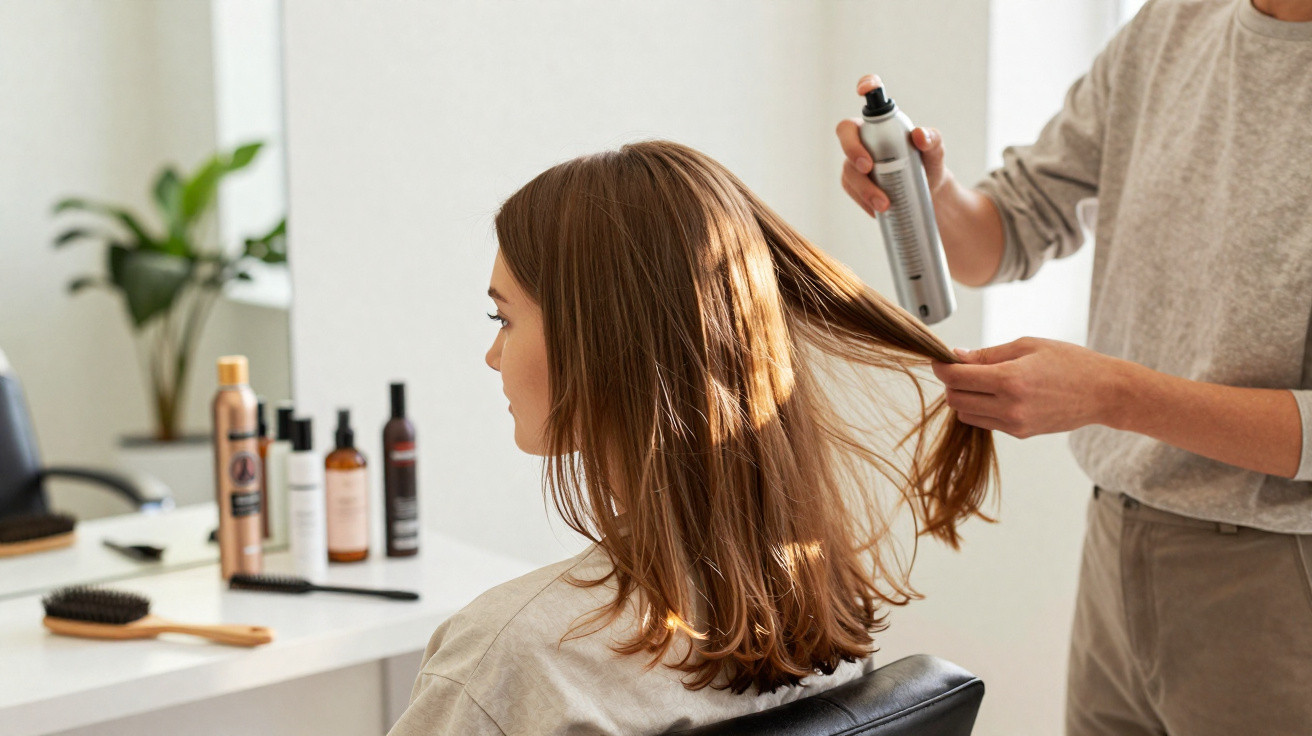
A good cut provides the foundation, but the right blow-drying technique creates the desired lightness. One professional tip is not to direct the hairdryer straight down from above, but to position it slightly to the side. This gives the fringe lift without leaving it stuck flat against the forehead.
“Sideways airflow, a round brush and very little product are usually all that is needed.”
Practical everyday steps:
- After washing, gently squeeze the fringe with a towel rather than rubbing it.
- Apply a small amount of volumising mousse or a light spray at the roots.
- Blow-dry one section at a time with a medium-sized round brush, turning it from the centre of the face outwards.
- Finally, loosen the fringe with your fingers instead of combing it smooth.
Anyone who enjoys changing their style can sweep the fringe slightly to one side or open it more widely, so it almost resembles layered front sections. Very slicked-back hairstyles are best avoided, as they expose the whole forehead and can emphasise lines.
Which hair lengths and types benefit most
The softly parted fringe works well with many haircuts. These styles, in particular, highlight its strengths:
| Hairstyle | Why it works well |
|---|---|
| Layered bob | Looks modern, removes weight from the lengths and makes the face appear more defined. |
| Shoulder-length waves | The fringe blends elegantly into the waves, creating a soft and youthful result. |
| Long, straight hair | Breaks up the severity and draws attention to the upper part of the face. |
| Chin-length cut | Stops the face from appearing too angular and adds movement to the top layers. |
The cut also works exceptionally well on slightly grey or completely white hair. The contrast between the soft shape and pale colour often looks especially elegant and fresh.
Common mistakes that can age you - and how to avoid them
Anyone hoping to look younger and fresher should avoid a few hairstyle pitfalls:
- A fringe that is too short and straight: it highlights every line on the forehead and can look childish.
- A heavy, dense fringe: it visually pulls the face downwards and takes away lightness.
- No layers around the front: this can make the hairstyle resemble a “helmet”.
- Too much hairspray: it sticks the strands together instead of allowing them to move naturally.
Light, flexible products are a better option, such as volumising mousse or a fine texturising spray that gives the hair hold without weighing it down.
What a fringe can - and cannot - do
The right fringe cut can achieve a great deal: it redirects attention, softens harsh lines, adds freshness and works like a small optical lift. It cannot replace skincare or a healthy lifestyle, but it complements both perfectly. Getting enough sleep, using sun protection and choosing gentle skincare can noticeably enhance the positive effect.
At the same time, a modern cut often sends a message to others: this person looks after herself, is fully engaged in life, accepts her own ageing - but chooses for herself how she wants to look. It is precisely this confidence that makes many women feel suddenly younger and more content with a new fringe.
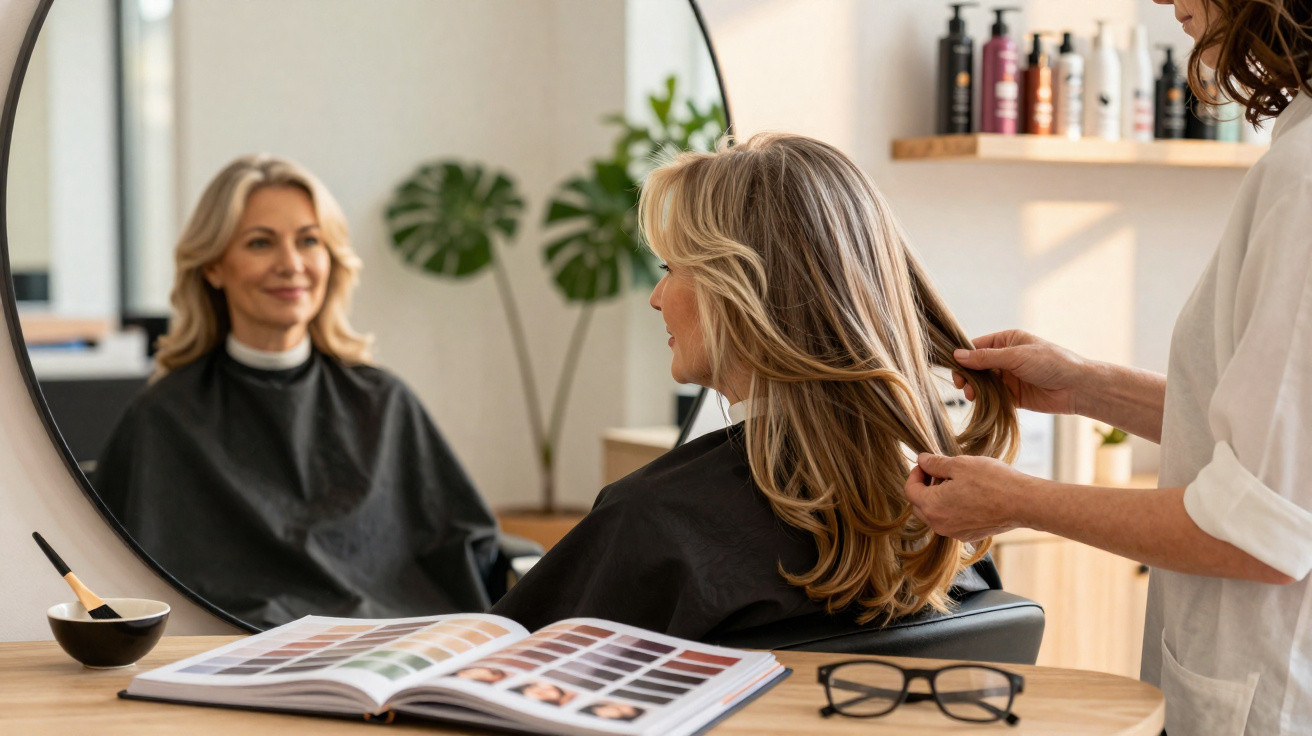
If you are unsure, bring a photograph of your own face to the hair appointment, both with your forehead uncovered and in your current style. This makes it easy to discuss in front of the mirror how the fringe should fall, where it should begin and how much longer it should become at the sides. In many cases, just one appointment is enough to realise that a small cut in the right place can transform the whole face.











Comments
No comments yet. Be the first to comment!
Leave a Comment