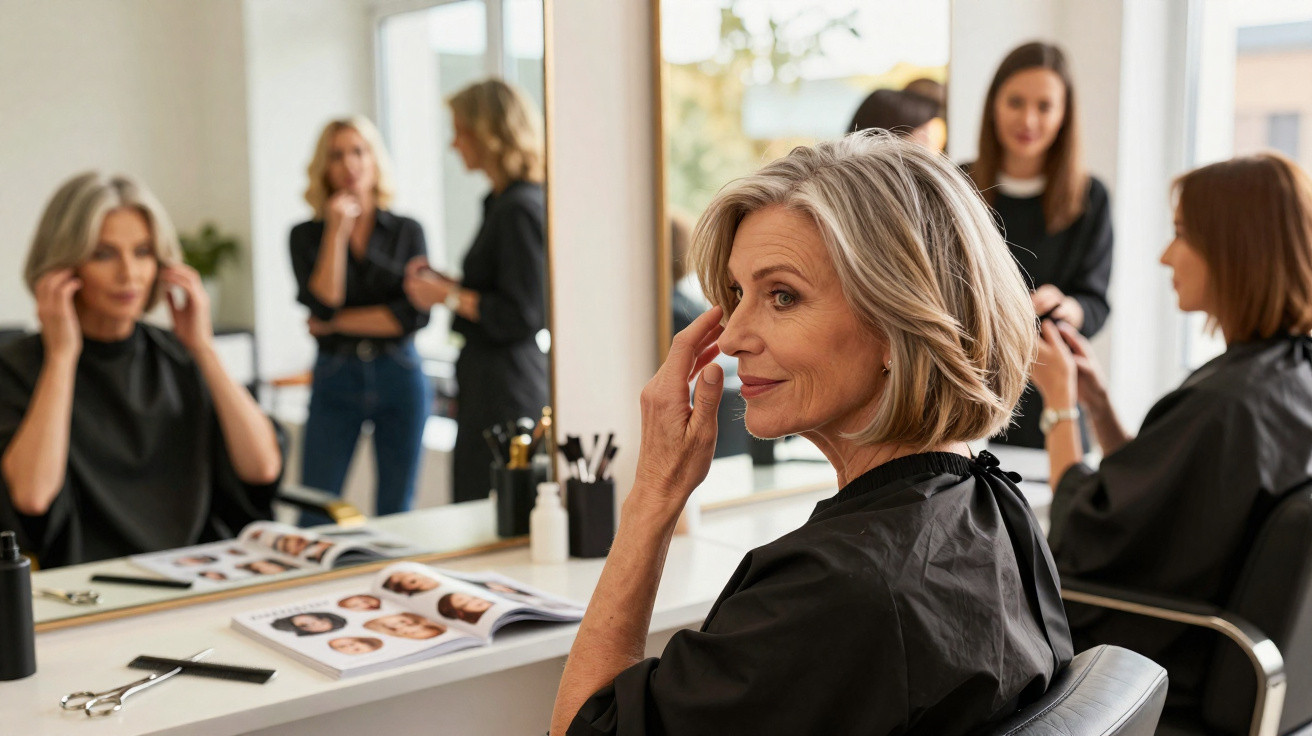
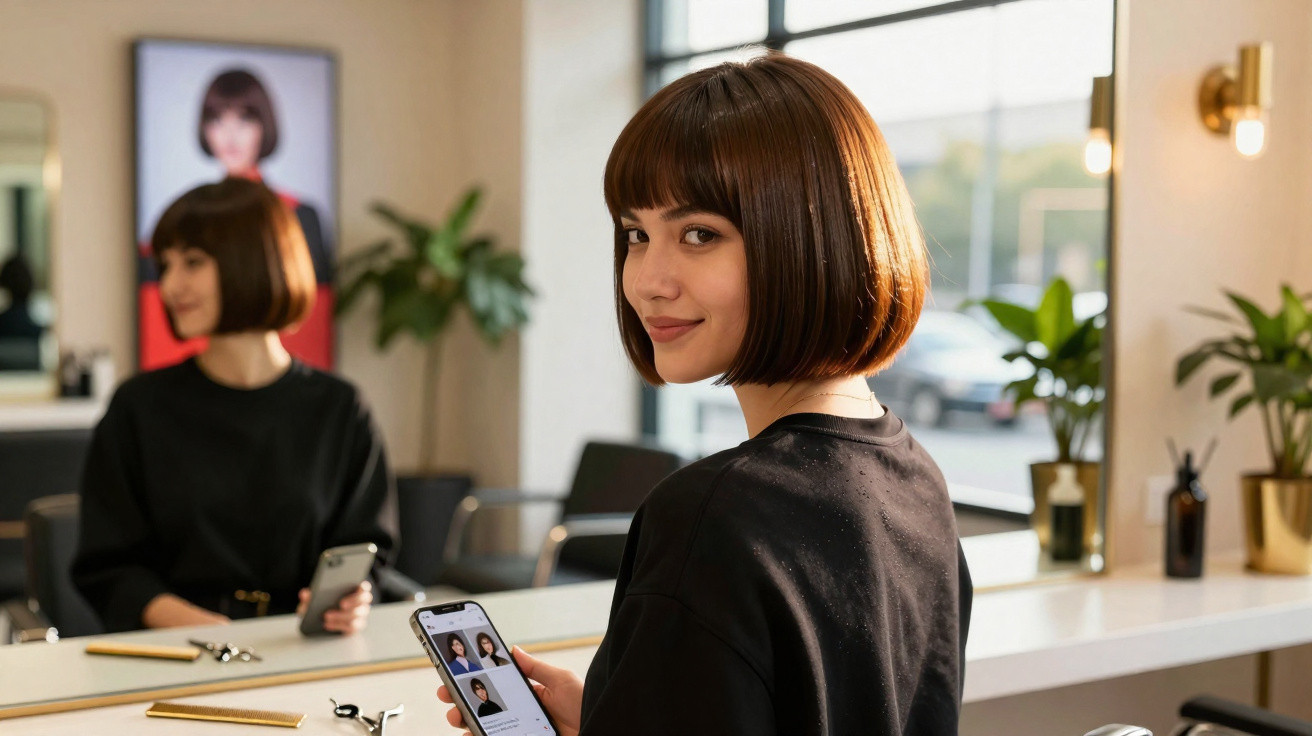
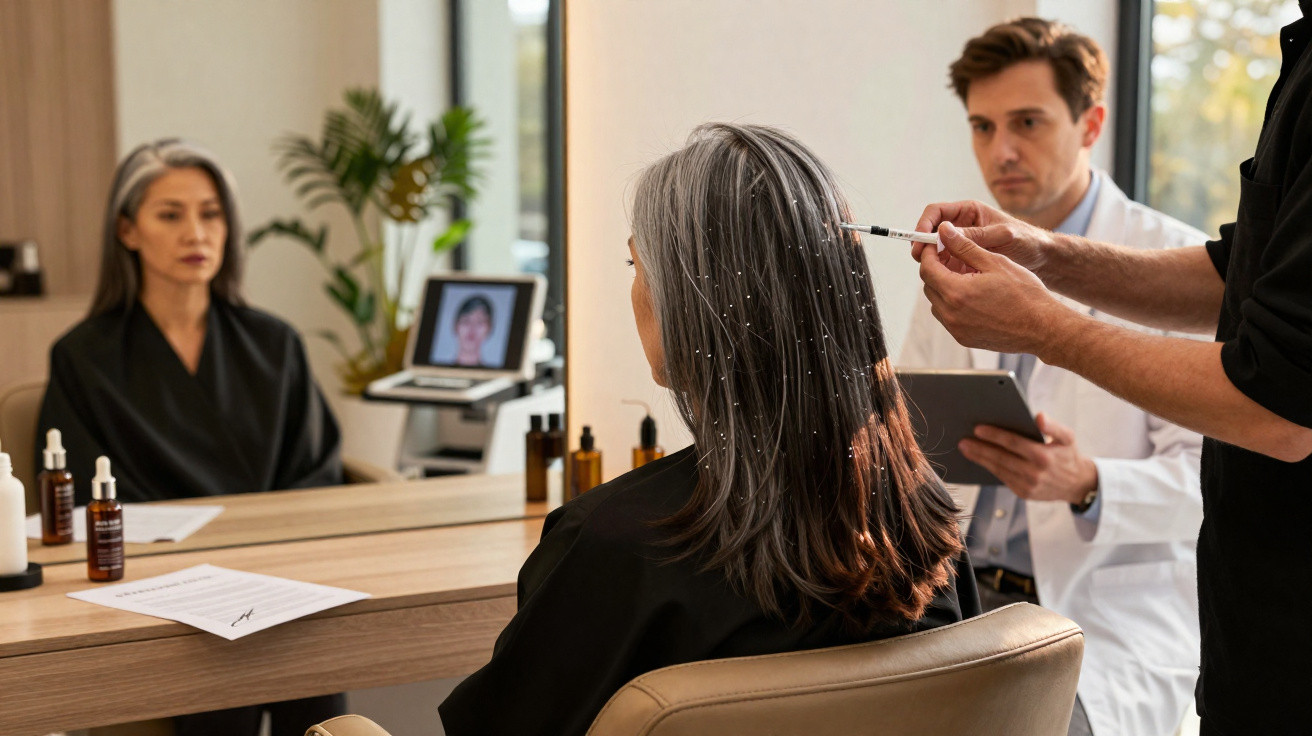
A 67-year-old woman sits in a salon chair, her silver hair gathered into a weary bun. While she scrolls through her phone, the hairdresser talks about “soft layers” and “fresh movement” - the latest buzzwords aimed at anyone over 60. A photograph is taped to the mirror: a stylish client in her late sixties with a short layered bob, a fringe brushing her lashes, and a laugh suggesting nobody has mentioned gravity to her.
The stylist points to the image and says, sounding almost practised: “This cut takes ten years off. Trust me.”
The woman pauses. She loves her long hair. Her daughter refers to the layered bob as “the grandma filter.” Online, the argument rages: is this short, youthful haircut empowering, or is it simply another message that older women should view their age as a flaw?
The hairdresser already has the scissors in hand.
The real issue lingers between them.
The ‘younger in one cut’ promise dividing women over 60
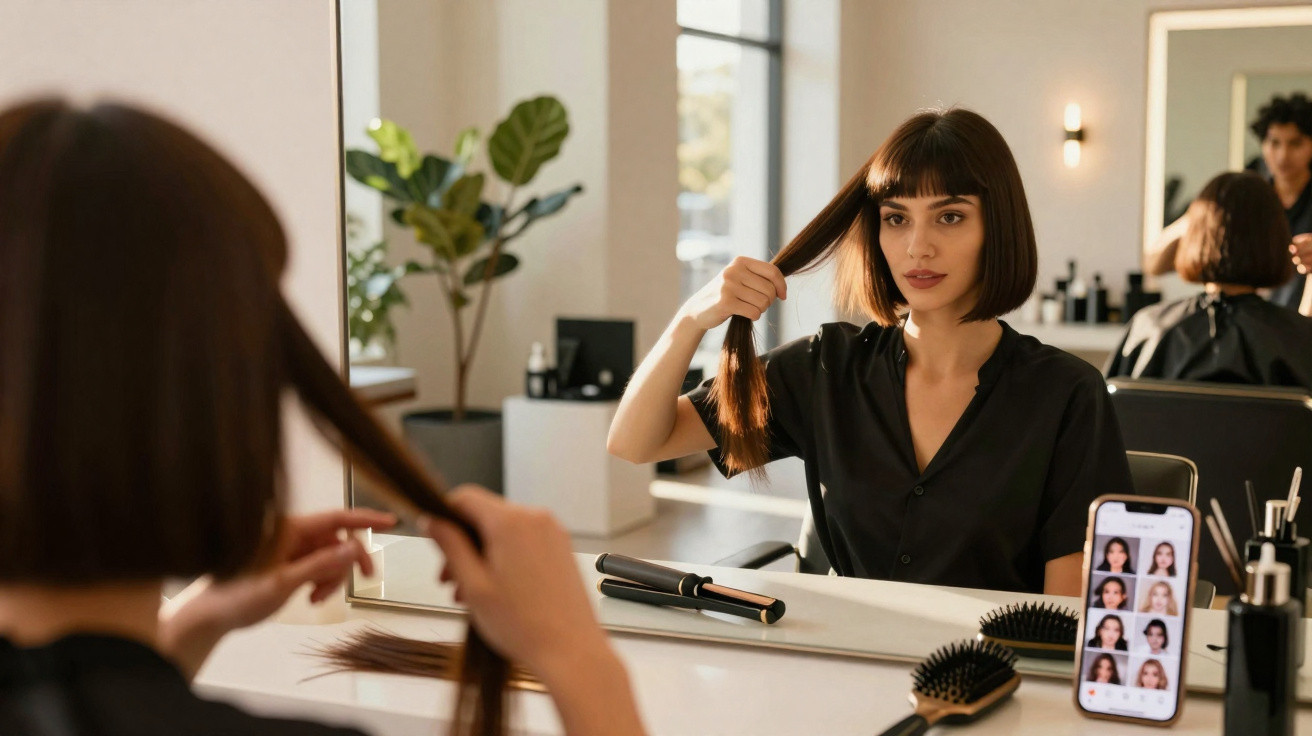
In salons everywhere, from small-town retail parks to polished city studios, one suggestion repeatedly surfaces for women over 60: “Let’s go for the modern layered bob.” Usually cut somewhere between the chin and shoulders, it is lightly feathered around the face and may include a fringe to soften forehead lines. Hairdressers champion it, saying it can raise the appearance of the jawline, brighten the eyes and make thinning hair seem fuller.
On social media, stylists share striking before-and-after images, nearly always accompanied by the caption: “She looks 15 years younger!” The implication is unmistakable: this is not merely a haircut; it is a way to reverse time.
Speak to enough people and the same short tale emerges in different forms: a retired teacher in Manchester, a 72-year-old grandmother in Arizona, a 63-year-old woman in Paris who has recently divorced. They arrive at the salon wearing shoulder-length or long hair that they have kept for decades. They leave with the layered bob “all women over 60 need to try.”
Some adore the result. One woman said she was flirted with at a wedding for the first time in years. Another explained that the haircut made her feel “visible again.”
For others, though, the experience is very different. They return home, see themselves in the bathroom mirror and feel strangely diminished, as though they have been assigned a generic, supposedly “age-appropriate” face.
That is where the disagreement becomes sharp. Hairdressers argue that they are providing a confidence-building option: a lighter, livelier style suited to finer, ageing hair. Critics believe it represents something more troubling. They see unspoken pressure to conceal grey hair, minimise wrinkles and disguise age at any cost, presented in the reassuring language of “refreshing your look.”
A haircut that feels freeing to one woman may look like capitulation to another. Some describe it as youthful; others call it pathetic, a word often murmured online by people protected by a screen. The reality is likely an uneasy middle ground: the cut may be flattering and even uplifting, but the suggestion that one hairstyle can “fix” ageing carries a considerable burden.
How the “younger” layered bob works - and when it goes wrong
Once the marketing and obsession with youth are stripped away, the haircut is straightforward. A well-cut anti-ageing bob for women over 60 generally falls between the jaw and collarbone. Rather than being blunt, the ends are gently textured. Delicate layers at the crown create lift without leaving the hair looking chopped up. Soft sections sit around the face like curtains, brushing the cheekbones and drawing attention to the eyes.
The shape may be understated or more defined, but its purpose remains consistent: to create movement, lightness and the appearance of volume. With fragile or thinning hair, these elements matter more than many people realise.
The greatest error is not made with the scissors; it begins during the consultation. Far too often, a client says, “I want to look younger,” and every other consideration is lost. Her face shape, her routine and whether she even enjoys styling her hair are all eclipsed by the promise of looking ten years younger.
Most of us know that polite nod in front of the mirror, followed by the moment at home when we realise the style requires blow-drying, a round brush, smoothing cream, root-lift spray and a YouTube tutorial every other morning. Realistically, nobody does all of that every day.
A “youthful” hairstyle that only works after professional styling is simply another kind of trap.
The women most pleased with their post-60 transformation tend to have three things in common. They are clear about what they do not want. They take in photographs of hair they truly like rather than hair that merely appears young. Their stylist also spends more time discussing bone structure and texture than age.
One 69-year-old client told her hairdresser, “I don’t want to look younger. I want to look like me, but like I slept well, drank water, and inherited good genes.” She left with a collarbone-length layered bob, her natural white hair still visible and a soft fringe resting against her eyebrows.
“The cut didn’t make me younger,” she said. “It made me kinder to my own face.”
Comments like hers are shaping a new rule of thumb:
- Hair that has more movement than camouflage usually feels better.
- Hairstyles requiring less work tend to age better than those needing continual correction.
- Any style that makes you apologise for your true age is a poor bargain.
Beyond the scissors: after 60, the change is not only about hair
What is seldom said openly is that, after 60, a haircut is rarely only about hair. Bodies shift, routines shift and finances shift. A woman who once spent an hour blow-drying before work may now be looking after a partner, caring for grandchildren or simply exhausted by treating herself as a project to manage.
The useful question in the salon chair is not “How young do you want to look?” but “How much are you still willing to do every day?” A supposedly rejuvenating hairstyle requiring mousse, round brushes and three products at 7 a.m. might look excellent on Instagram. In ordinary bathrooms, it grows out, falls flat and begins to feel like a personal failure.
There is also an emotional dimension that no stylist can completely manage. Some women over 60 are openly defiant: they grow their white hair long, shave it off or colour it turquoise. They reject the belief that hair must perform youth in order to be acceptable. Others want their appearance to reflect their inner selves: energetic, playful and curious. For them, a brighter, shorter haircut can genuinely be a small act of happiness rather than denial.
The same bob can sit on either side of that divide. If a woman chooses it freely, after an honest conversation and a realistic assessment of her routine, it may bring a sense of lightness. If she is persuaded because “you can’t have long hair at your age,” it can feel like something has been taken away.
The plain truth is that the cut itself is neutral; the story we attach to it is not.
A layered bob may lift the jawline and make fine hair appear thicker. It may also quietly imply that an older woman’s face needs framing, softening or correcting. This is why the online debate becomes so intense. One group sees hairdressers offering sensible practical help; the other hears ageism delivered with a blow-dry. Both viewpoints are partly valid.
What matters most is whether the woman in the chair still recognises herself when the cape is removed. If she smiles at her reflection because she sees more of herself rather than less, the haircut has achieved its purpose. If all she sees is a tidier, quieter stranger, every “you look ten years younger!” remark feels rather hollow.
| Key point | Detail | Value for the reader |
|---|---|---|
| - | Request a haircut suited to your texture, face shape and everyday routine, rather than your year of birth | Limits regret and gives you a hairstyle you can genuinely live with |
| - | Take photographs of real women your age for reference instead of heavily edited celebrity images | Creates realistic expectations and stops the “why doesn’t mine look like that?” spiral |
| - | Question any stylist focused only on “looking younger” rather than “feeling more like yourself” | Helps you reject ageist advice and retain control over your image |







Comments
No comments yet. Be the first to comment!
Leave a Comment