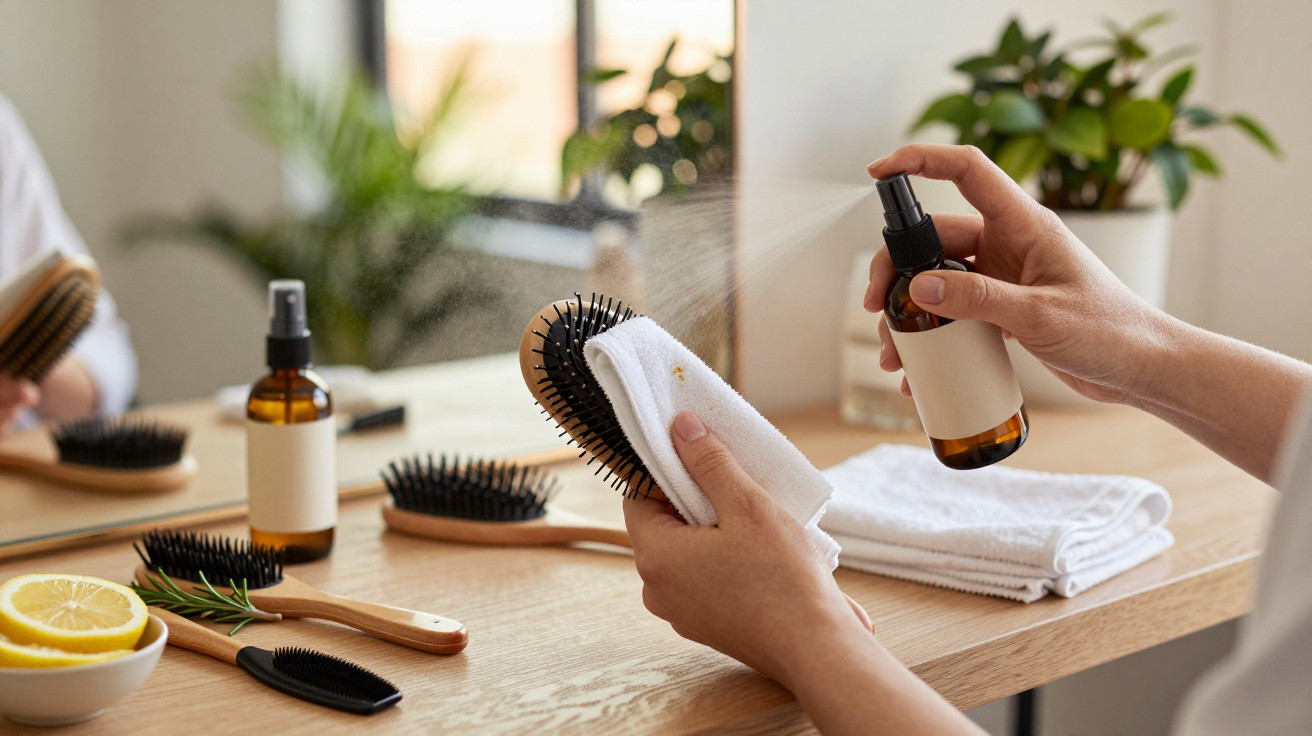
Hairbrushes pick up far more than loose hair. Natural oils, styling sprays, dust and lint combine into a greyish coating that makes bristles look dull and can tug at the scalp. Soaking a brush may seem sensible, but it can damage handles, loosen padding and distort wooden backs. Professional hairdressers use another approach.
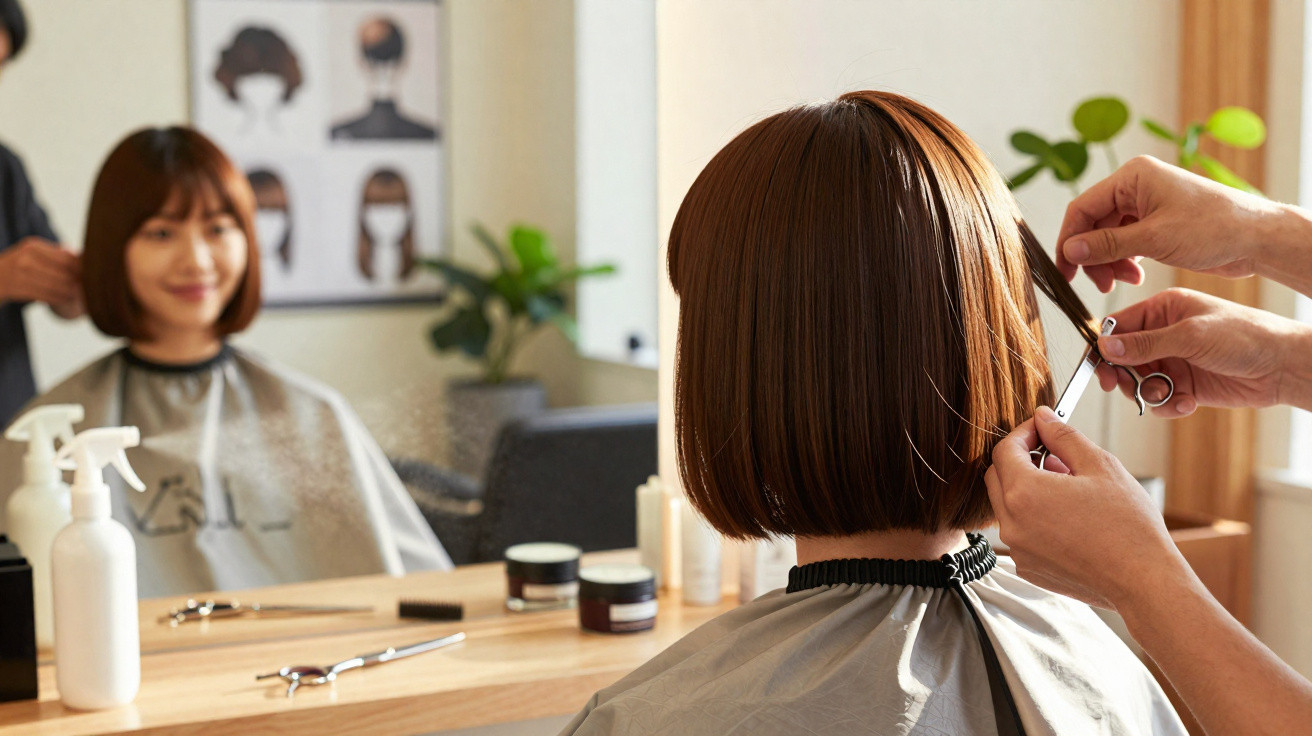
The music plays quietly, the floor is lightly covered in freshly cut hair, and a senior stylist arranges a line of well-used brushes on the rear counter. Rather than dropping them into a sink, she picks up a plain amber spray bottle with a subtle tea tree and vinegar scent. She gives every brush two brisk sprays, then works over it with a small toothbrush as though shining shoes. The grey residue comes away in curls. After a swift microfibre-cloth wipe and a cool burst from the hairdryer, the bristles shine as though they have never encountered hairspray. No soaking, swelling or fuss. One bottle, ten minutes, and every tool is clean. There is no water bath and no hidden chemicals: only a simple salon technique anyone can use, beginning with items already in the cupboard.
The grime hidden in your hairbrush - and why salons avoid soaking
Examine a frequently used brush closely and a pale ring will often appear where the bristles meet the base. It is sebum blended with styling-product buildup and ordinary household dust. If it remains, it creates drag through the hair, reduces shine and transfers odours from roots to ends.
A soak might appear to be the clear solution, but it can expand wooden handles, weaken glue and allow moisture beneath the cushion in paddle brushes. Hairdressers don’t soak brushes - ever. Their tools are essential to their work, so they cannot risk softening the brush base or warping the bristle bed.
There is a practical science issue, too. Oil does not readily mix with water. It sticks to nylon and natural boar bristles like a fine varnish, meaning a water bath may simply shift the coating around. A mild acid applied as a spray disrupts that bond straight away, while a small quantity of gentle surfactant lifts the released residue for a clean wipe-away. Immersion is unnecessary.
The natural hairdresser mixture - how to clean brushes without soaking
Salon professionals often rely on an uncomplicated spray blend: 1 part distilled white vinegar, 1 part warm water, 1 teaspoon of mild plant-based shampoo and 5–6 drops of tea tree oil. Add everything to a spray bottle, then shake it well. First remove trapped hairs using a tail comb. Mist both sides of the bristles, leave the mixture for 60–90 seconds, and gently scrub the bristle base and rows with a soft toothbrush. Wipe the brush using a microfibre cloth, then dry it with a brief blast of cool air. The result is a spotless brush.
A few common mistakes are simple to avoid. Too much essential oil leaves behind its own coating, so use it sparingly. Hot water may loosen adhesive in brush pads, so ensure the water is only warm. With cushion brushes, avoid spraying into the vent holes; instead, mist the bristles and clean from the sides. We have all seen a treasured boar-bristle brush turn cloudy and sticky overnight. This method can restore it.
Consistency matters more than strict frequency. Weekly cleaning is ideal, but realistically, few people will do it every day. Spending two minutes after a product-heavy styling day is better than attempting a major clean only once in a while.
“Vinegar, a touch of gentle shampoo, and tea tree - that combo cuts through product, kills the stink, and keeps the pad dry,” says Mia, a Shoreditch stylist who cleans forty-plus brushes a week.
- Easy ratio: 1:1 vinegar to water, with a teaspoon of mild shampoo and a few drops of tea tree.
- Useful tools: a tail comb to remove hair, a soft toothbrush for the base and a microfibre cloth for wiping.
- Drying tip: a 30-second blast of cool air protects wood and cushions from creeping moisture.
- For stubborn hairspray: mist again, wait another minute, then brush diagonally across the rows.
- Sensitive to fragrance? Replace tea tree with eucalyptus or one drop of lemon.
Why the mixture works - and the hairbrushes that benefit most
As vinegar is mildly acidic, it helps release mineral particles that bind oils to bristles and reduces the stickiness of hairspray. The small amount of shampoo works like a helpful bouncer, enclosing loosened grime so that it can be lifted and wiped away. Tea tree adds a fresh, green fragrance and helps keep unpleasant smells under control. It’s the speed that surprises people. Spray, wait, scrub, wipe, finished.
Boar-bristle brushes benefit most from this method. They do not cope well with baths because water expands the base and leaves the bristles slow to dry. Paddle brushes with cushioned bases are also better suited to a no-soak routine. For round ceramic-barrel brushes, spray, scrub and wipe instead: there is no trapped water beneath the vents and no rusting core. Nylon detangling brushes and wet brushes also respond well to it.
The difference is noticeable from the first pass through the hair. A freshly cleaned brush glides and creates lift rather than squeaking and snagging. Blow-dries set more quickly because product residue is no longer working against the heat. The scalp feels fresher, while the bristles regain their new-looking appearance. Share the tip, and someone may send you a smiling photo of their brush the following morning.
Your hairbrush routine - keeping it fresh without the fuss
Habits are easier to maintain when they are quick and mildly satisfying. Store the spray beside the hairdryer, keep the toothbrush in the same holder as the tail comb, and leave a folded microfibre cloth near the mirror. Two sprays, a minute of waiting, then a short scrub: it can feel almost meditative.
Clean brushes after days when you have used plenty of hairspray or dry shampoo. Leave it until another day if you have air-dried your hair or avoided products. For an evening routine, switch tea tree for lavender. Include children’s brushes as well, and they may be more inclined to use them. Every few months, inspect the base of every brush for loose bristles or cracked cushions; these quick checks can keep tools out of landfill and save money.
Not every so-called natural solution delivers on its claims. This one works because it reflects the low-key practicality of working stylists. Their equipment must endure, their workstations must remain immaculate, and they have limited time. A bottle, a toothbrush and a cloth are the entire cleaning kit. Everything else comes down to routine.
| Key point | Detail | Benefit for the reader |
|---|---|---|
| Mixture ratio | 1:1 white vinegar to warm water + 1 tsp mild shampoo + 5–6 drops tea tree | A straightforward recipe to prepare in two minutes |
| No-soak method | Spray, wait 60–90 seconds, scrub with a toothbrush, wipe, cool-dry | A quick process that protects wooden handles and cushions |
| Brush types | Ideal for boar-bristle, paddle, ceramic barrel and nylon detanglers | Know what works without putting favourite tools at risk |








Comments
No comments yet. Be the first to comment!
Leave a Comment