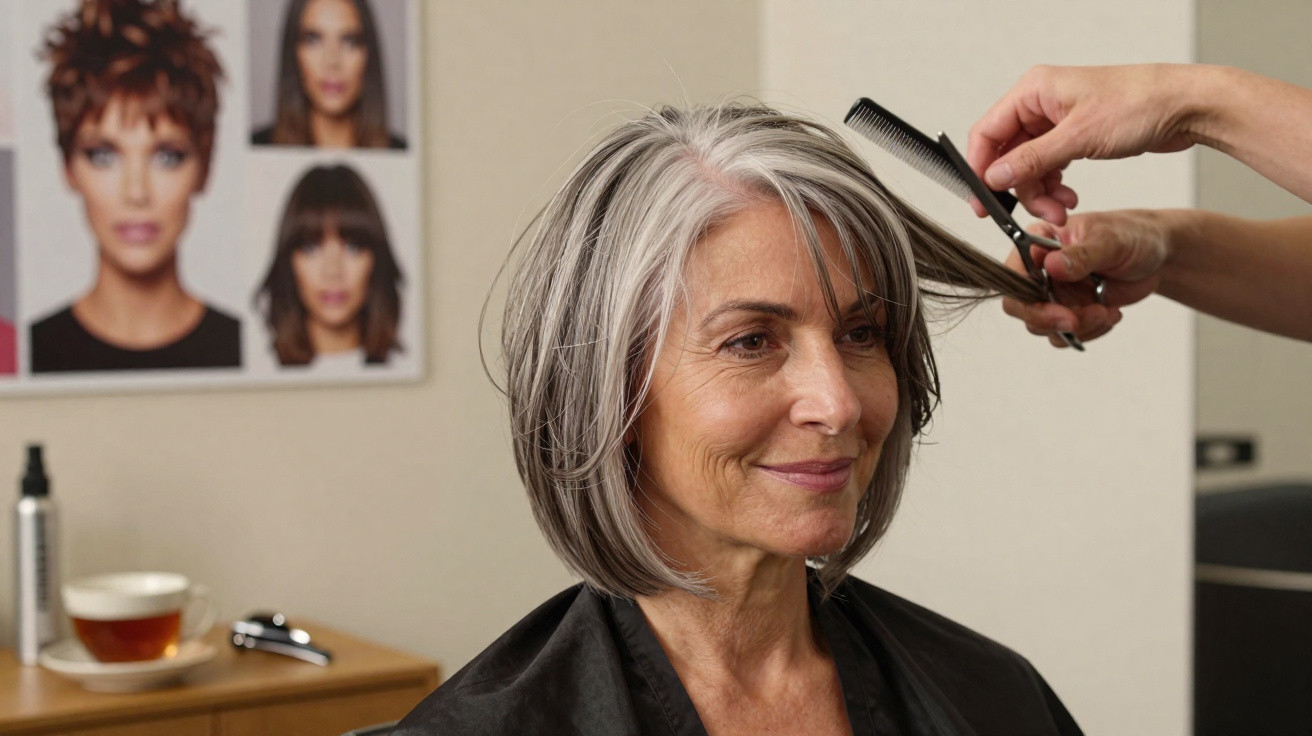
Do you opt for the clever cut said to “take ten years off”, or keep the silver, the thinning tips and the honest signs of your age? This question is central to the growing conversation around so-called “anti ageing” haircuts for women over 60.
The four cuts stylists say women over 60 keep asking for
Speak with salon professionals and the same four looks are repeatedly mentioned. They are not new styles, yet each is now being presented as a way to look younger.
These four cuts are designed to lift the face, add movement to thinning hair and pull the eye away from lines and sagging.
The softly layered bob
This is currently a salon staple. It generally falls anywhere from the jawline to the collarbone, with subtle layers worked into the ends.
- Gives fine, limp hair a fuller appearance
- Reveals the neck and jawline, which may visually “lift” the face
- Suits natural grey when it is gently blended with lowlights
For somebody who has had long hair for many years, moving to a chin-length bob can feel like an entirely fresh start. A London stylist recalled a 67-year-old client who swapped a weighty, mid-back ponytail for a layered bob that let her natural grey show through. The hairstyle did not remove her age, but it made her appear more alert.
The pixie with volume on top
The pixie has long been treated as the standard hairstyle for an “older woman”. Its 2020s update is more precise and individually shaped.
Stylists build height at the crown while leaving the sides softer. The effect draws the eye upwards, away from jowls and the jawline, and towards the cheekbones and eyes. For women with sparse areas at the front or a broad parting, a shorter style can make hair seem denser.
There is a drawback: a pixie that appears stylish when first cut may need frequent appointments and styling products to hold its shape. For anyone who dislikes styling, it may become restrictive.
The shoulder-length shag
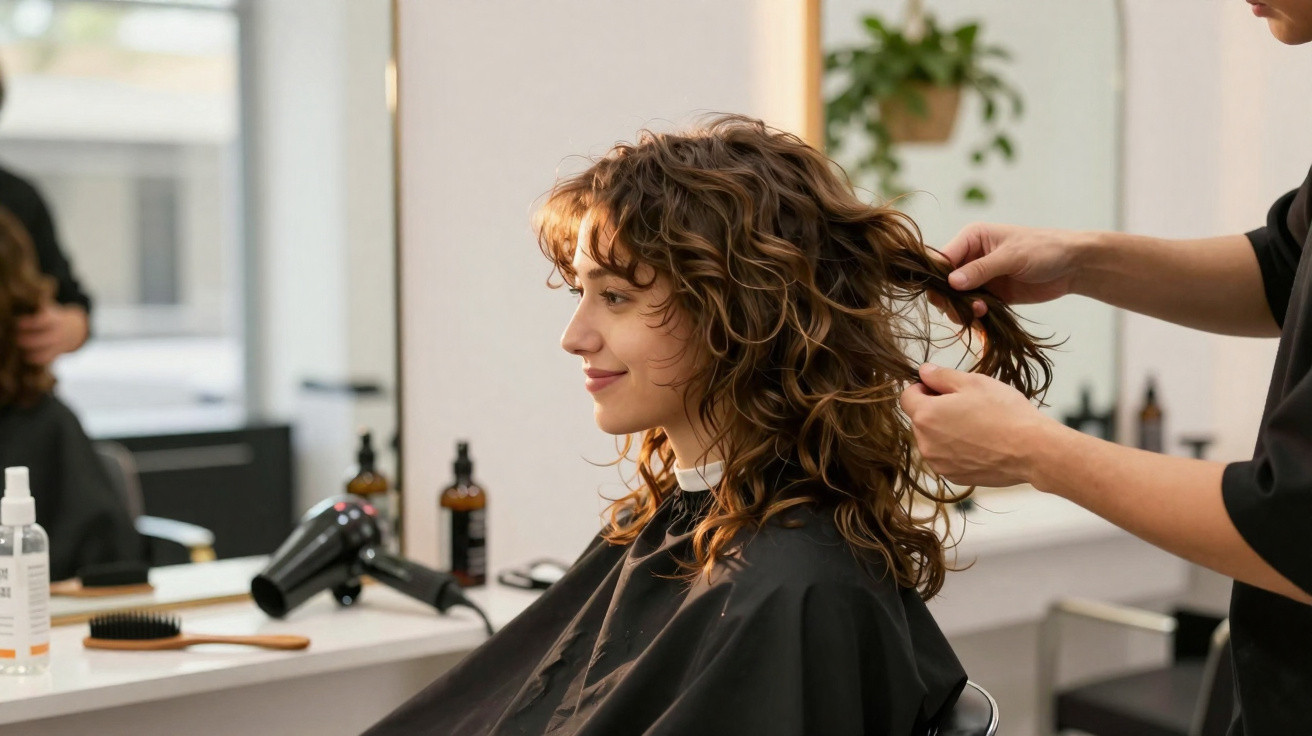
For women with a degree of natural curl or wave, the shag has returned, although in a less rock-star and more softly undone form.
The length sits near the shoulders, with layers placed through the mid-lengths and ends rather than close to the roots. This keeps weight where hair is already fine, while introducing sufficient movement to prevent it from hanging against the face.
It can suit women who feel “drowned” by long hair but do not want to make a major move to short hair. Simply allowing it to air-dry is often enough, making it appealing to those tired of everyday blow-drying.
The grown-out fringe with face-framing layers
This is perhaps the most compromise-led option. The back retains its length, while the front is reshaped with a longer, curtain-style fringe and gentle layers falling around the cheekbones or jawline.
This type of framing can soften pronounced lines around the nose and mouth. It also brings attention into the middle of the face and towards the eyes.
All four cuts share a simple goal: redirect the gaze and create lightness, without needing a total reinvention of colour or length.
Why “anti ageing” haircuts make some women uneasy
This trend does not have universal support. Dermatologists and hair professionals are becoming increasingly direct about the terminology used around the hair of older women.
Fine hair, a wiry texture and white or grey strands are biological shifts rather than individual shortcomings. When salon advertising and online guides present every one of them as an issue requiring correction, the emotional effect can accumulate.
A look through social media makes the pattern obvious: before-and-after images, transformative reveals and claims that “this cut makes 65 look 45”. The implied idea is that natural hair belongs in the “before” image: something from which you ought to move on.
Experts worry that chasing youth with scissors and dye can slip from self-care into quiet self-criticism.
A fresh haircut is freeing and enjoyable for some women. For others, being expected to “fight” ageing in every section of hair adds another demand to an already full set of expectations.
Choosing a haircut that matches your life, not just your face
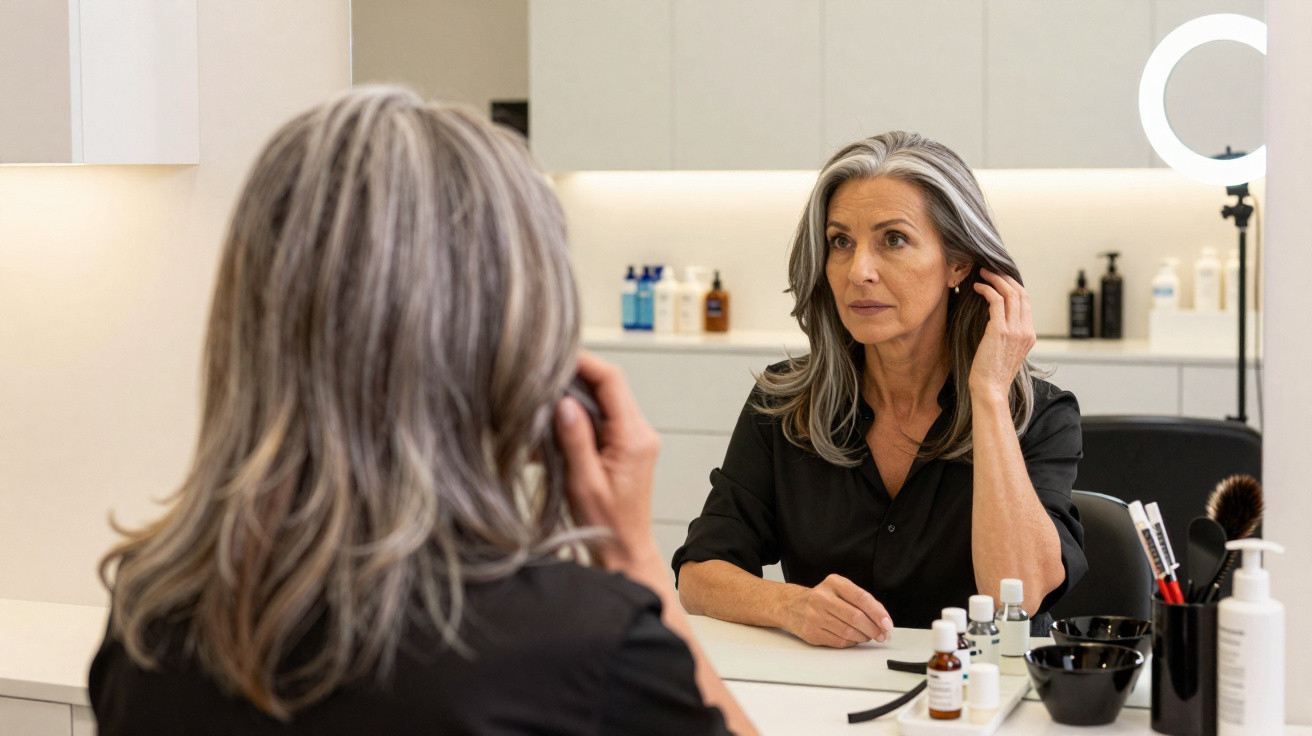
Stylists who regularly work with older clients say there is one question that matters more than any current fashion: how do you want to feel when you see your reflection?
If your answer is “lighter” or “more energetic”, any of those four sought-after styles can be adapted. A shorter bob may be extended to the collarbone. A pixie can be left slightly longer around the ears so it does not feel too harsh. For exceptionally fine hair, a shag can retain most of its weight at the bottom.
The emotional question should be accompanied by a practical one: will you truly style this haircut on a Tuesday morning when you are rushing to a GP appointment or doing the school run with your grandchildren?
A flattering haircut should work with air-drying or minimal styling, not just under salon lights with a round brush and three products.
Many women say that their real disappointment was not cutting their hair short, but doing so for another person: a partner, a stylist or an expectation of how “a woman your age” ought to appear. The difficult moment comes when the person in the mirror no longer feels familiar.
The case for embracing grey, thinning and texture changes
At the other end of the discussion are women who see each silver hair as a quiet mark of survival. For them, the more radical choice is declining to apologise for white roots, wispy ends or a parting that is becoming wider.
Hair and scalp specialists support one point: ageing cannot be eliminated through a haircut or colour. You may conceal aspects of it or draw attention elsewhere, but the biology beneath it continues.
| Approach | What it offers | What it demands |
|---|---|---|
| Anti-ageing cut and colour | Visual lift, polished finish, sense of reinvention | Frequent trims, maintenance visits, styling time |
| Low-maintenance, natural grey | Honesty, ease, lower cost, less damage | Acceptance of thinning, texture changes, social comments |
| Middle-ground approach | Soft blending of grey, realistic shapes, flexibility | Some upkeep, willingness to adjust expectations |
Many professionals now refer to a “middle ground”. This could involve:
- Retaining grey while introducing a few cooler lowlights so it appears deliberate rather than accidental
- Selecting a bob or shag that works with the way your hair naturally falls, rather than battling it with daily heat styling
- Leaving longer gaps between colour appointments and allowing some natural white to grow through
How to talk to your stylist once you’ve passed 60
Much of the frustration begins during the consultation. Women over 60 commonly say they are steered towards close-cropped, short styles without a meaningful discussion of their identity, health or daily life.
Stylists recommend describing how you live, rather than focusing only on appearance. Mention arthritis that makes blow-drying uncomfortable, swimming with friends or a role that requires a particular degree of polish. Each of these factors changes the meaning of “flattering”.
Ask to see how the cut looks simply air-dried and finger-styled before you commit. If you still like it, you’ve likely found a keeper.
Taking photographs can help too, particularly of women close to your age whose hair you admire and whose hair type is similar to yours. A dark, thick celebrity crop on a 35-year-old will not perform in the same way on fine grey hair. Such a mismatch often leads to disappointment.
Practical risks, benefits and small experiments
There are practical factors that glossy makeover features rarely address. Regular colouring can aggravate sensitive scalps, particularly if skin is already dry or being treated with medication. Strong lightening on delicate hair can increase frizz and breakage, making a style more difficult to manage.
Conversely, stopping dyeing all at once can feel severe. The stark divide between the previous colour and emerging grey can deter some women from accepting their natural shade altogether.
Trying small changes can be useful. You could:
- Have a softer fringe cut first before deciding on a full pixie
- Request subtle “gray blending” rather than stopping colour treatments completely
- Choose a marginally shorter version of your current style to remove thin, see-through ends
Two useful salon terms are “texturising” and “density”. Texturising involves cutting into the hair to remove weight or introduce movement. Where hair is already thin, excessive texturising can worsen the issue. Density refers to the quantity of hair in each square centimetre of scalp. When density declines with age, styles designed for thick hair may look limp, stringy or collapsed.
Approaching hair in these terms changes the discussion. Rather than asking, “What makes me look younger?”, you begin asking, “What works with the hair I actually have?” You can then select one of the four headline cuts, or choose none of them, with a stronger understanding of whether you are pursuing youth, respecting reality or creating your own balance between the two.








Comments
No comments yet. Be the first to comment!
Leave a Comment