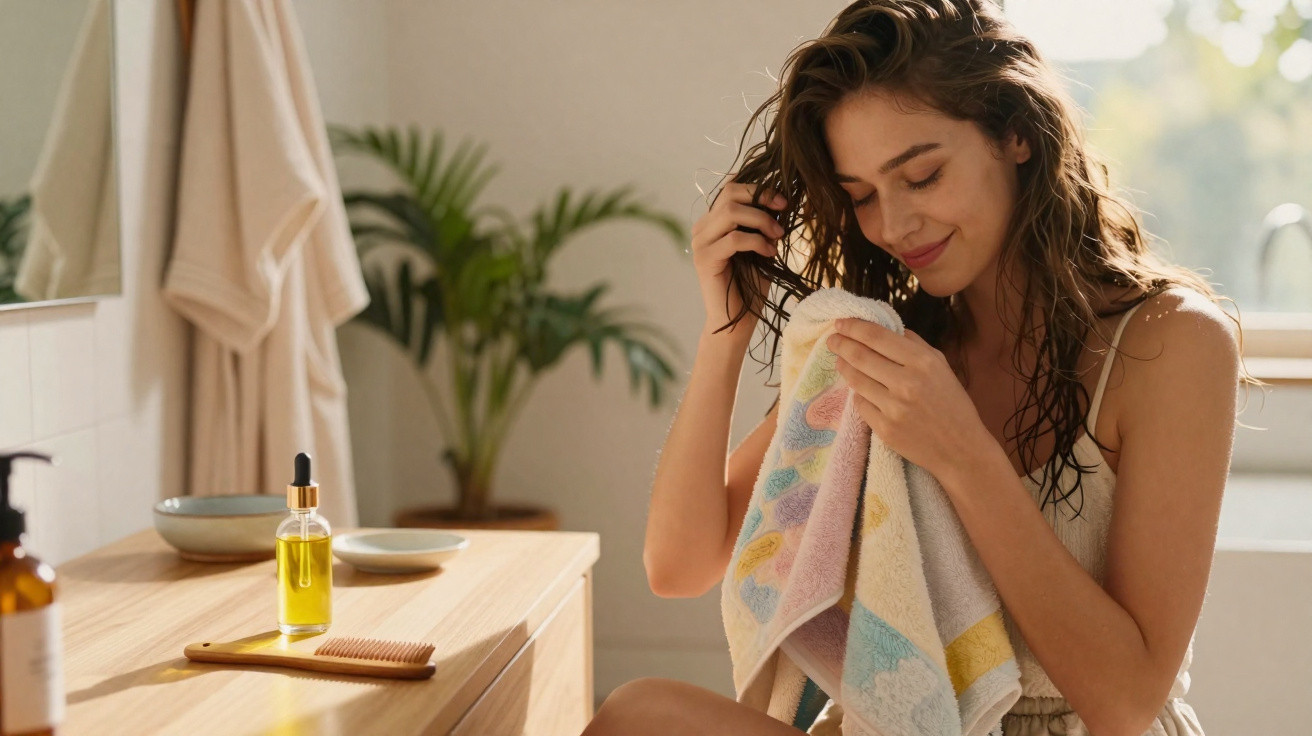
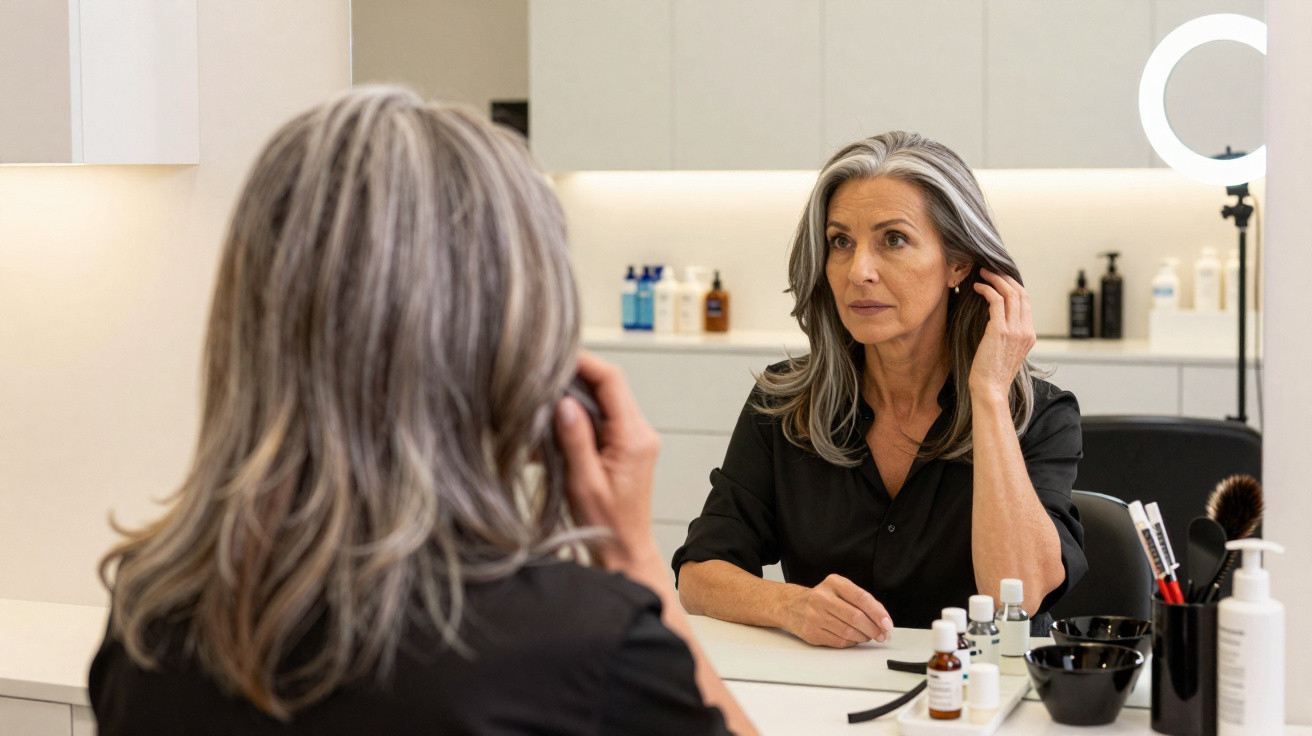
Sarah looked at herself in the bathroom mirror, sliding her fingers through hair that felt like straw rather than silk. Her ends were split, ragged and utterly uncooperative – and even her priciest conditioner could no longer disguise the damage. She had delayed booking a salon appointment for weeks, convinced she lacked both the time and money for another costly treatment. Then, while twisting one especially unruly section, she remembered her flatmate’s routine the previous evening: only argan oil, a microfibre towel and twenty minutes of patience. The difference in her hair had been striking.
Why Hair Breaks Down and Traditional Methods Often Fall Short
Split ends are more than a cosmetic concern – they are your hair’s signal that it needs help. The tip of each strand weakens, forming the familiar forked splits that make hair difficult to style. Once the cuticle is damaged, the inner cortex is left exposed to environmental stress.
Many people turn to weighty serums or costly salon treatments, spending hundreds of pounds each year on products claiming miraculous results. However, the answer often comes from knowing how hair absorbs moisture and nutrients in the first place. Rather than piling on more chemicals, the important thing is pairing the right natural ingredients with the correct technique.
Argan oil is rich in vitamin E and essential fatty acids, which enter the hair shaft more effectively than synthetic options. Paired with the gentle absorbency of microfibre, it provides conditions in which damaged cuticles can temporarily lie smoother and more evenly. It is not a permanent fix – split ends still require trimming – but it can create an immediate improvement in appearance.
The Two-Step Argan Oil and Microfibre Method That Works
Begin with hair that is slightly damp rather than dripping wet. Put three to four drops of pure argan oil into your palms, rub your hands together and distribute the oil through the lowest third of your hair only. Concentrate on the ends and keep it entirely away from the roots to avoid a greasy finish.
This is the point at which most people go wrong: they reach for an ordinary cotton towel, creating friction and causing further damage. We have all done it, rubbing our hair dry roughly with a towel before wondering why it looks worse afterwards. In a rush, hardly anyone considers the towel’s texture, but it can make a major difference.
“The microfiber creates a smooth surface that doesn’t catch or pull at damaged cuticles. It’s like the difference between sandpaper and silk when your hair is at its most vulnerable state.” – Celebrity hairstylist Maria Rodriguez
Follow these specific steps:
- Gently press out excess water using the microfibre towel.
- Loosely wrap your hair for 15–20 minutes.
- Take off the towel and use your fingers to comb through the ends only.
- Let your hair air-dry or style it using low heat.
What This Changes in Your Daily Hair Care Routine
This approach changes the way you view hair care timing and expectations. Rather than waiting weeks for a salon visit or hoping expensive products will work eventually, you can take charge with ingredients that offer visible results straight away. The smoothing effect lasts for 2–3 days, so it is ideal before special occasions or whenever you need your hair to cooperate.
| Key point | Detail | Value for the reader |
|---|---|---|
| Argan oil penetration | Vitamin E and fatty acids take effect within 20 minutes | Instant smoothing without salon expenses |
| Microfibre absorption | Cuts friction by 60% compared with cotton | Reduced breakage while hair dries |
| Targeted application | Only the bottom third of the hair requires treatment | Treats damage without making the roots greasy |








Comments
No comments yet. Be the first to comment!
Leave a Comment