
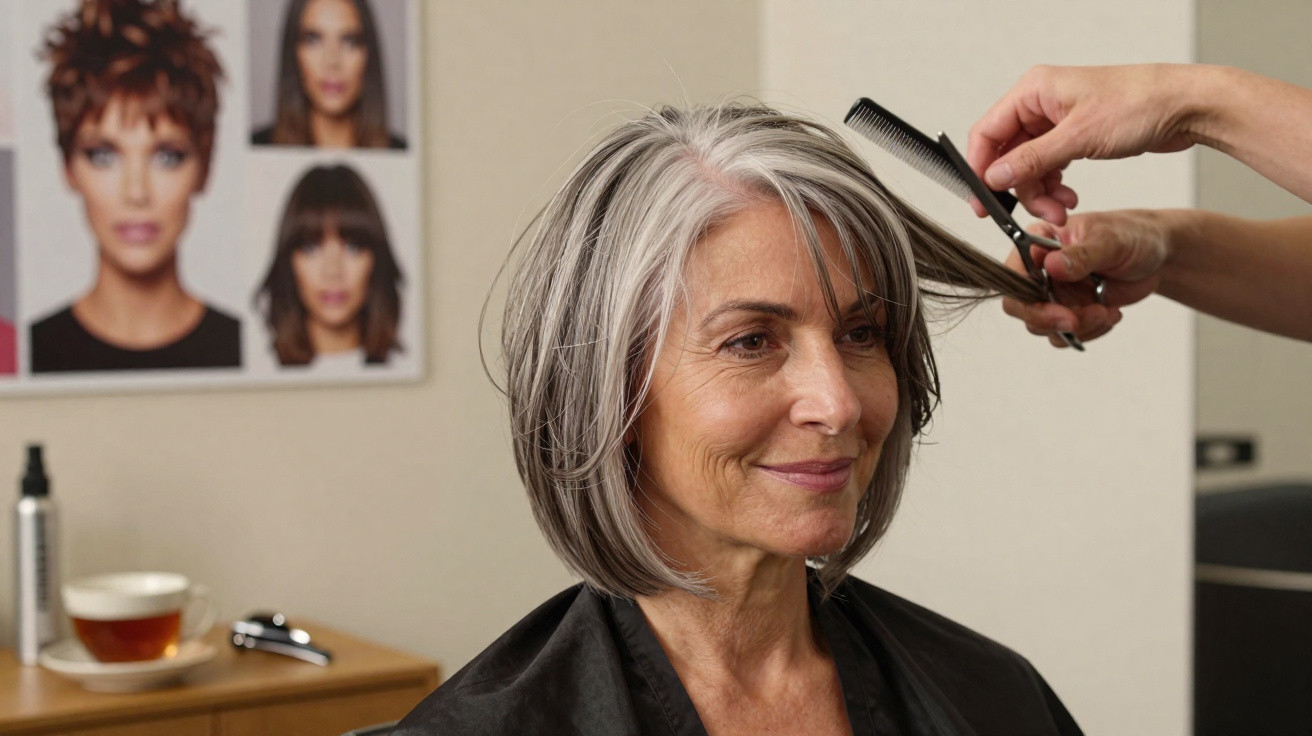
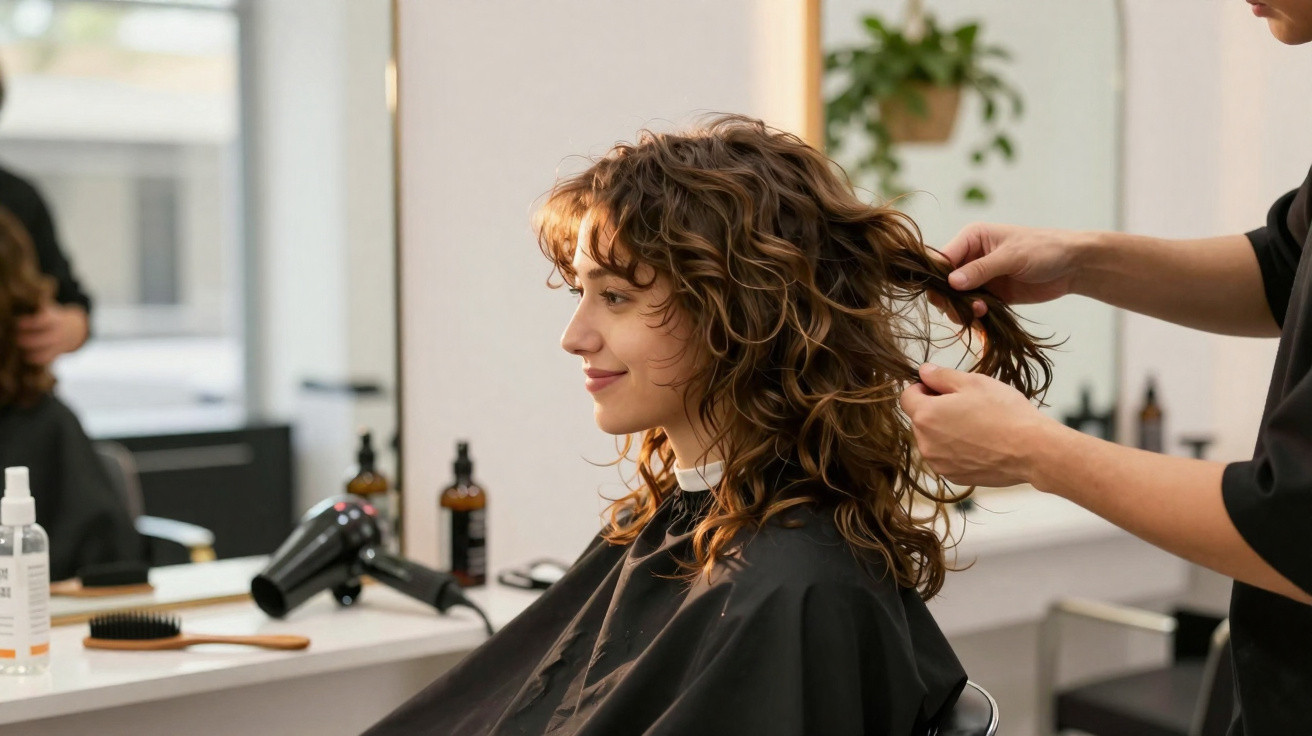
On a wet Thursday night in a salon in a small city, a woman approaching forty settles into the chair and exhales as she looks in the mirror. Her dark regrowth is visible, while last month’s blonde has begun to take on a slightly brassy tone. The colourist chuckles, pulls on gloves and delivers the familiar reassurance heard in countless salons: “Don’t worry, color today is totally safe. We’ll just refresh it.” Foils are applied, the timer is set, and ammonia lingers in the air. Three other women nearby are having their hair coloured, looking at their phones and chatting about their children, weekend plans and promotions at work. Nobody is discussing cuticles, the cortex or irreversible breakage. Nobody raises the issue of long-term risk.
She simply wants to leave the salon feeling beautiful.
Quietly, however, the science tells a different tale.
“It’s safe, we do this every day”: the salon message vs. what science sees
Visit almost any fashionable salon and the message is familiar: colour is ordinary upkeep. A stylist examines your hair, cocks their head and recommends a “soft balayage every six weeks” or a “root retouch every month”, as though it were no more significant than a manicure. You may hear phrases such as “nourishing”, “keratin-infused” and “bond-protecting technology”. The chairs are occupied, the lighting is kind, and modern formulations seem to come with an unspoken assurance that every problem has been fixed.
Yet beneath that polished atmosphere, the hair shaft is being opened, stripped, oxidised and coloured from within. That is what is actually happening.
Speak to dermatologists or cosmetic chemists and the language quickly becomes less comforting. They refer to cuticle layers that cannot completely close again, oxidative stress and tiny fractures that accumulate over successive years. A French dermatologist I spoke to called frequent permanent colour “sun damage times ten, concentrated into an hour, repeated for years.” A 2020 review in a cosmetic science journal put it more clinically, stating that repeated oxidative colouring “progressively weakens hair fiber integrity.” In plain terms, the harm builds up.
Realistically, no one colours their hair every day. But colouring it every four to six weeks can still mean dozens of chemical exposures within only a few years.
The chemistry is harshly straightforward. Most permanent dyes combine ammonia, or comparable agents, to expand the cuticle; hydrogen peroxide, which removes natural pigment and makes room; and minute dye precursors, which enter the hair then oxidise into larger colour molecules. Afterwards, hair does not simply return to its previous condition. When the cuticle has been lifted and damaged, its scales never fully resume their close, protective arrangement. With time, repeated colouring brings greater porosity, frizz and breakage, alongside reduced shine.
Scientists do not dispute that permanent colouring damages hair. Their debate is limited to how quickly that damage becomes visible.
How to colour without wrecking your hair completely
If giving up colour entirely is not an option, the most sensible first step is to reduce the frequency. Where possible, leave eight, ten or even twelve weeks between permanent dye appointments. In the intervals, consider gentler root-refreshing options, including demi-permanent colour, glosses or pigmented conditioners. These products still affect the fibre, but much less severely than a full-head oxidative dye.
Opt for shades near your natural colour, or a little darker, rather than going several levels lighter. Lightening requires additional peroxide, greater pigment removal and more damage.
Another practical factor is coverage. The larger the area exposed to full-strength dye, the greater the total accumulated damage. Balayage, lowlights and face-framing highlights place colour where it is most noticeable while leaving substantial amounts of hair untreated. This approach will not suit anyone determined to achieve all-over platinum, but it can bring dimension while giving the hair some relief.
Most people recognise the moment: the stylist holds up a photograph of an icy-haired influencer and says, “We can get close if we do a few sessions.” That “few” can often mean months of stripping and recolouring.
Coloured hair care between appointments
Daily care after colouring is the point at which many people gradually lose ground. You can’t treat hair like raw silk at the salon and like an old T-shirt at home. Harsh sulphate shampoos, vigorous towel-drying and straighteners heated to 220°C can push already compromised fibres beyond their limit. Washing with cool or lukewarm water, using microfibre towels and keeping heated tools at the lowest effective temperature can create a noticeable difference over a year.
“Think of colored hair as already injured tissue,” says a cosmetic chemist I interviewed. “Your goal is not to heal it, because we can’t. Your goal is to slow down its decline as much as possible.”
- Move to sulphate-free or very mild shampoos so that the limited natural protection left behind is not stripped away.
- Apply a rich conditioner or mask after every wash, concentrating on the mid-lengths and ends rather than the roots.
- Keep straighteners and curling tools for special occasions, and use heat protection every time.
- Use a silk or satin pillowcase to reduce friction and breakage while sleeping.
- Arrange trims every 8–10 weeks, removing split and hollowed-out ends before they travel further up the hair.
Living with the trade-off: beauty, damage, and what you can accept
Behind all the marketing, the reality is simple: permanent dye involves a trade-off. It delivers colour that withstands washing and sunlight, but each application brings some structural damage. The longer and more frequently you colour your hair, the more apparent that damage becomes: dryness that no mask can fully resolve, ends that keep fraying despite layers of serum, and unexplained breakage appearing in your hairbrush.
Scientists are not telling people never to colour their hair. They are saying that the cumulative cost exists, whether or not salons choose to acknowledge it.
Some people accept that cost willingly. They favour shorter cuts, experimental shades and a fast-fashion approach to their hair. Others eventually reach a point-often during their late thirties or forties-when they see the brittle halo around their face and experience something close to grief. Hair carries emotion: identity, ageing, rebellion and conformity all at once. When science says, “Permanent damage is inevitable over time,” it is not making a moral judgement. It is reporting what can be seen under a microscope.
How you respond to that information is more personal than any trend.
You may choose to extend the time between appointments, tone down your shade or replace full bleaching with scattered highlights. You may gradually grow in your natural colour and find it is less “boring” than you expected. Alternatively, you may decide: I understand the risk, and I still choose the bottle. The important change is to move away from automatic reassurance-“color is harmless now”-and towards informed consent.
The industry will continue to sell dreams in tubes, while scientists continue to publish charts showing weakened fibres and damaged cuticles. Between those worlds, you remain in the chair with a cape around your shoulders, deciding what kind of future for your hair you can accept.
| Key point | Detail | Value for the reader |
|---|---|---|
| Permanent dye causes cumulative damage | Oxidative colouring lifts cuticles and weakens the hair shaft slightly further with every session | Helps you understand why hair texture changes after years of frequent colouring |
| Frequency and lightening level are crucial | Shades closer to your natural colour and longer intervals between sessions lessen structural damage | Provides practical ways to retain colour while reducing long-term breakage |
| Daily care can slow the decline | Gentle washing, reduced heat and regular trims do not “repair” damaged fibres, but they help protect them | Explains which habits genuinely prolong the appearance and life of coloured hair |
FAQ:
- Question 1 Is permanent hair dye really worse than semi-permanent or temporary colour?
- Question 2 How often can I safely dye my hair without ruining it?
- Question 3 Do “bond-building” or “plex” treatments actually prevent damage?
- Question 4 Is there any way to reverse damage from years of colouring?
- Question 5 Are natural or “organic” dyes actually safer for my hair and health?










Comments
No comments yet. Be the first to comment!
Leave a Comment