Smooth skin, full hair, flawless make-up – yet beneath the surface, not everything is running smoothly.
An increasing number of experts are sounding the alarm.
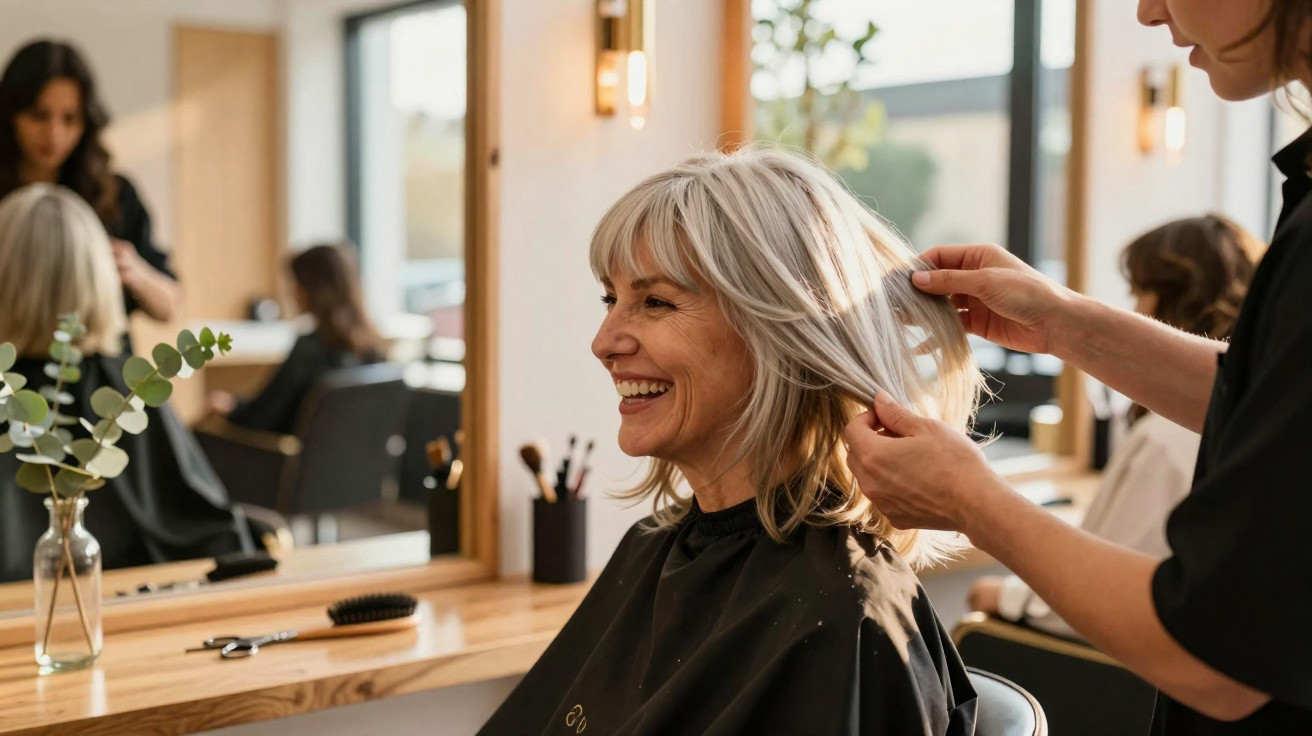
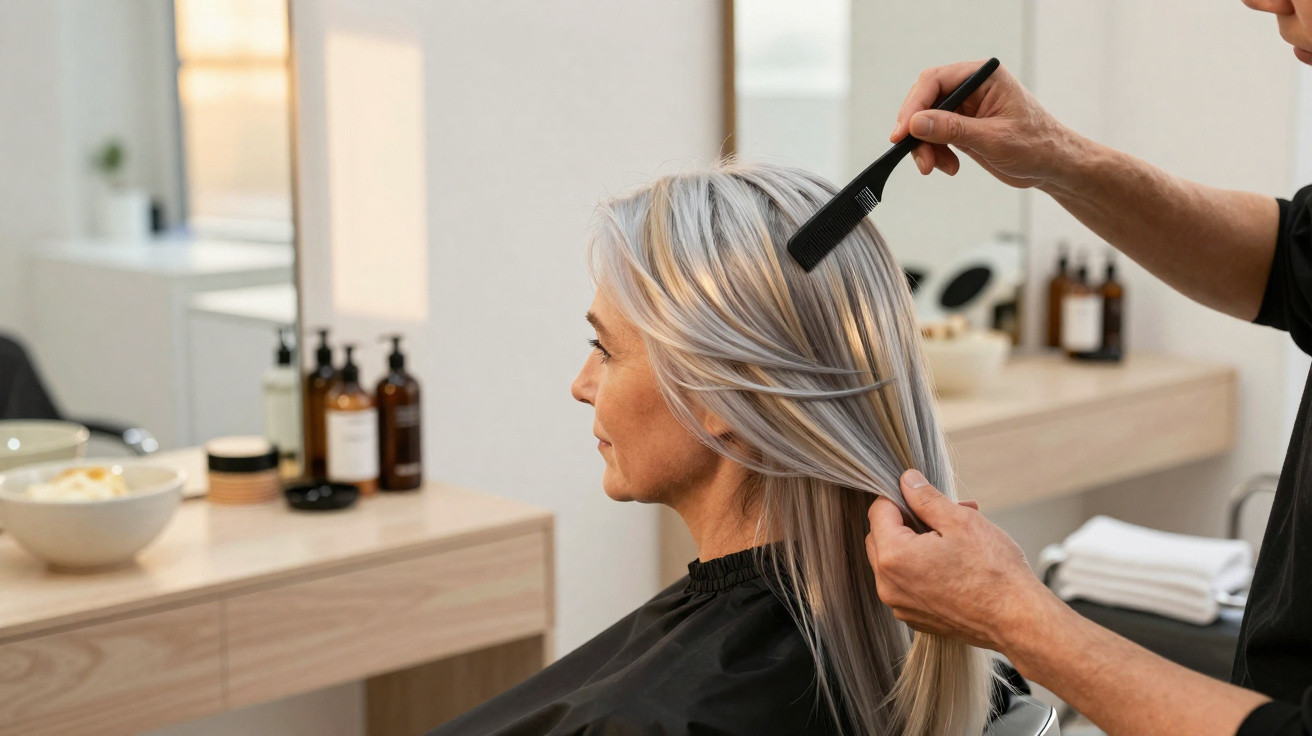
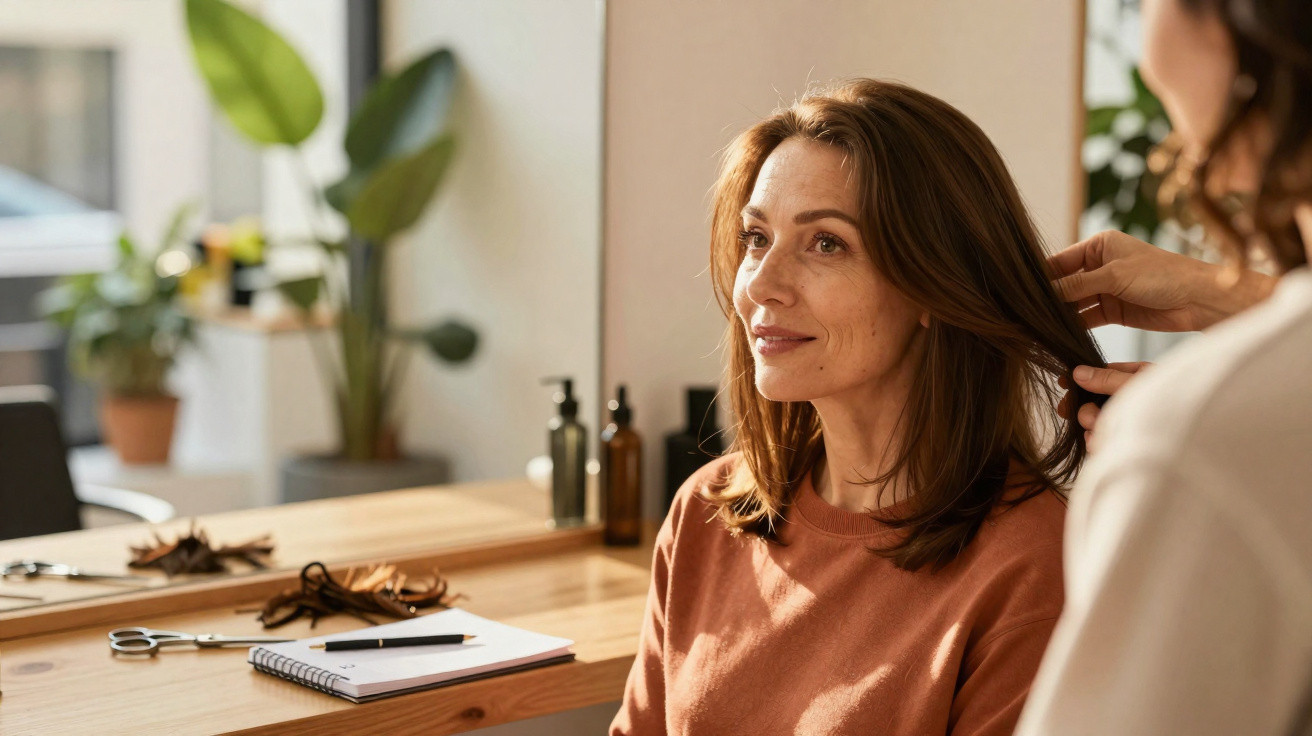
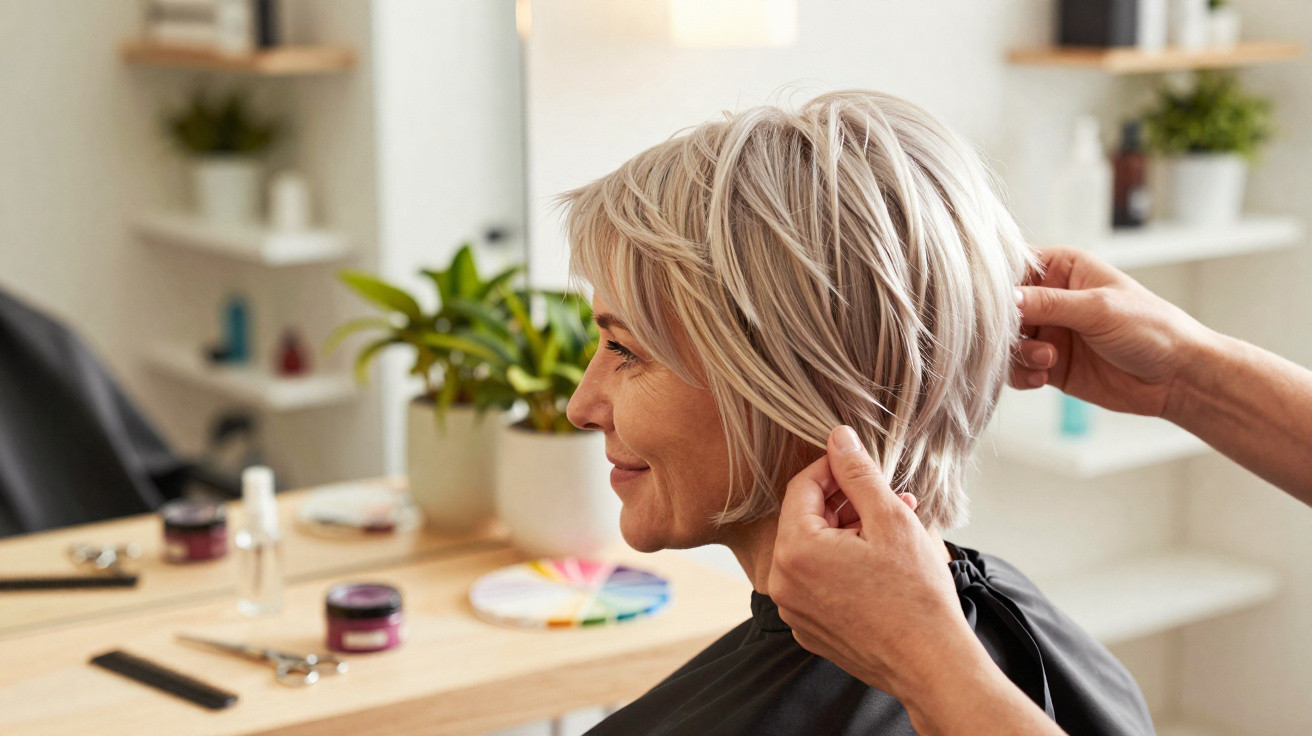
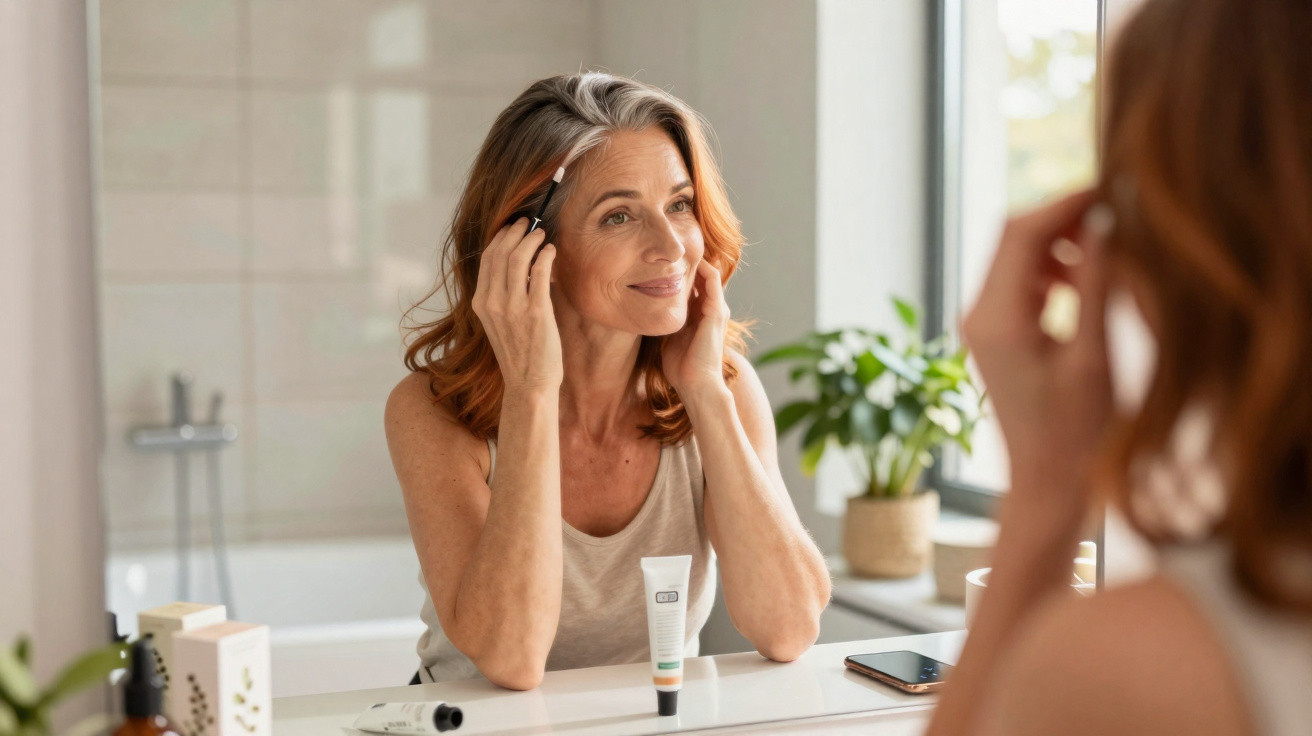
Many women put huge amounts of energy into their appearance as they get older: new creams, hair appointments and make-up techniques. What often cannot be seen is that the same attention is not always given to health, strength and emotional balance. Specialists warn that this is precisely where a dangerous blind spot can develop – one whose consequences may only become fully apparent years later.
Beauty focus with risks: when skincare becomes a health trap
Anyone over 50 who regularly receives compliments on their youthful appearance can quickly feel reassured: “I must be doing everything right.” But that impression can be misleading. Firm skin reveals very little about the true condition of the bones, cardiovascular system or mental wellbeing.
Looking attractive and being healthy are not automatically the same thing – particularly in later life, these two areas can easily drift apart.
Many women:
- meticulously plan their skincare routine but rarely set aside fixed time for exercise;
- know every anti-ageing ingredient but little about protein requirements and muscle loss;
- conceal tiredness with concealer rather than working consistently on their sleep habits;
- deal with stress through shopping and cosmetics instead of recovery and setting boundaries.
The result can be a polished exterior while vital aspects of health gradually fall behind.
Structured self-care instead of cosmetic quick fixes
Women who genuinely appear vital in later life usually share one thing: they approach self-care as a system, not a passing mood. It is less about one expensive beauty appointment and more about small, dependable routines repeated every day.
This may include:
- fixed morning and evening rituals that are non-negotiable;
- clear choices around nutrition and exercise instead of daily spur-of-the-moment experiments;
- intentional breaks scheduled in the diary just as firmly as work appointments.
These automatic habits remove pressure from everyday life. People who do not have to decide afresh each day whether to eat “properly” or have a treat, or whether to exercise or not, find it far easier to sustain beneficial habits.
Muscle strength rather than simply a slim silhouette
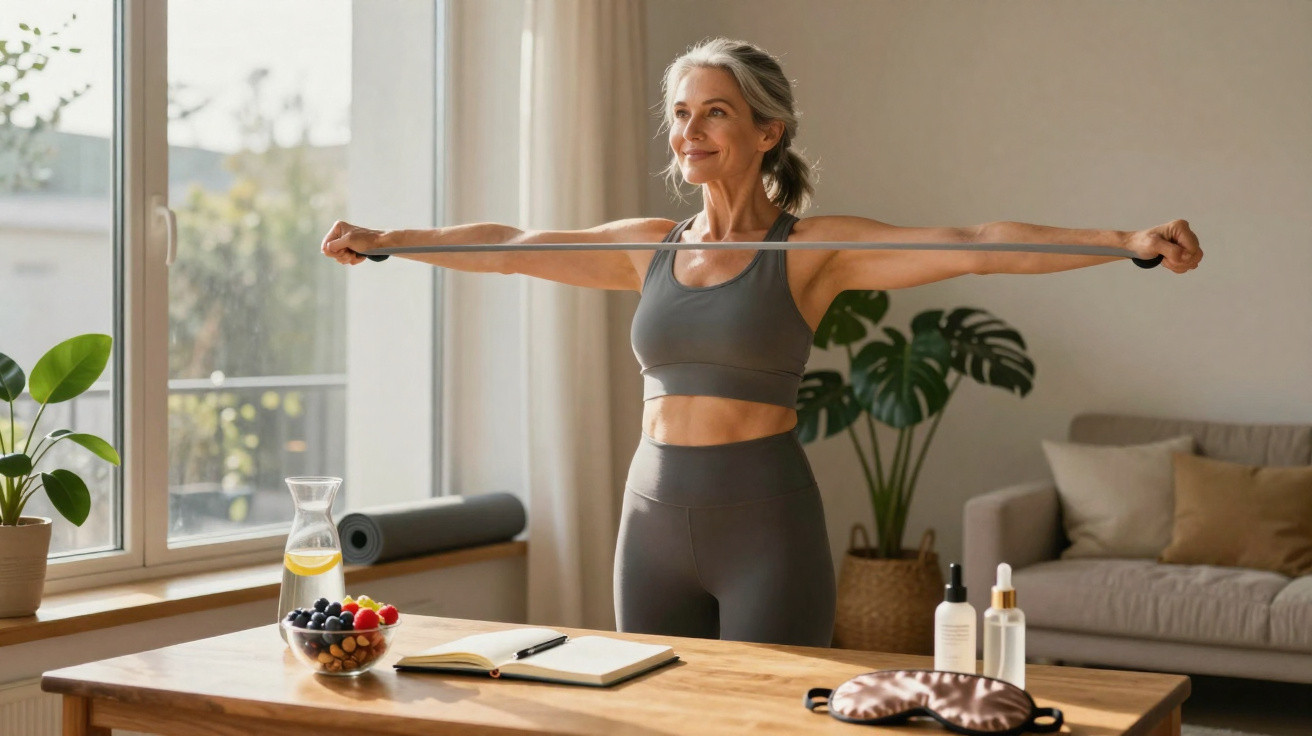
Exercise is one major blind spot. Many women focus more on being “slim” than being “strong”. From a health perspective, however, strength matters far more in later life than dress size.
Why targeted training becomes essential with age
Physical activity – especially exercise using weights or body weight – does far more than protect against a rounded back and flabby upper arms. Its effects reach deep into the body:
- it builds muscle and slows the natural decline that begins at around 40;
- it stabilises joints and lowers the risk of falls;
- it improves posture and walking pattern – a crucial element of a “youthful appearance”;
- it lifts mood and can ease depressive periods.
Those who do not invest time in building muscle in later life often pay for it later with pain, uncertainty when walking and a more restricted everyday life.
Women who spend substantial sums on anti-ageing products in particular often underestimate one point: no cream can compensate for weak supporting muscles or permanently tense posture.
Sleep: the overlooked anti-ageing tool
Many people care for their face but undo the benefits every night through too little sleep, working too late or mindlessly scrolling on their phone. Dark circles can be covered up; nervousness and concentration problems are not so easily concealed.
Making sleep a priority brings benefits on several levels:
- skin regenerates more effectively and inflammation decreases;
- hormonal fluctuations during the menopause become more manageable;
- cravings occur less often;
- stress levels fall noticeably.
Especially in later life, a consistent sleep pattern can do more for appearance than any costly course of ampoules.
Stress shows in the face – and throughout the body
Expression lines are not only a matter of genetics. Chronic stress can become visibly etched into facial features: a tense forehead, a tightly held mouth and dull skin. At the same time, processes are taking place internally that are far more dangerous than a few wrinkles.
Anyone who wants to do more than cover things up and instead take preventative action can build simple stress-management strategies into daily life:
- regular conversations with trusted people;
- brief breathing breaks during the day instead of constantly pushing on;
- routines such as phone-free walks or short meditation exercises.
Facial skincare without stress care remains cosmetics – quite literally, only on the surface.
Skincare: consistency beats hype
Fashion-conscious women in particular can be inclined to keep trying new products. The industry delivers fresh promises almost every week. This constant change is rarely beneficial for the skin.
A straightforward basic routine is generally much more effective:
- gentle cleansing, morning and evening;
- consistent moisturising care;
- daily protection from UV radiation, even on cloudy days.
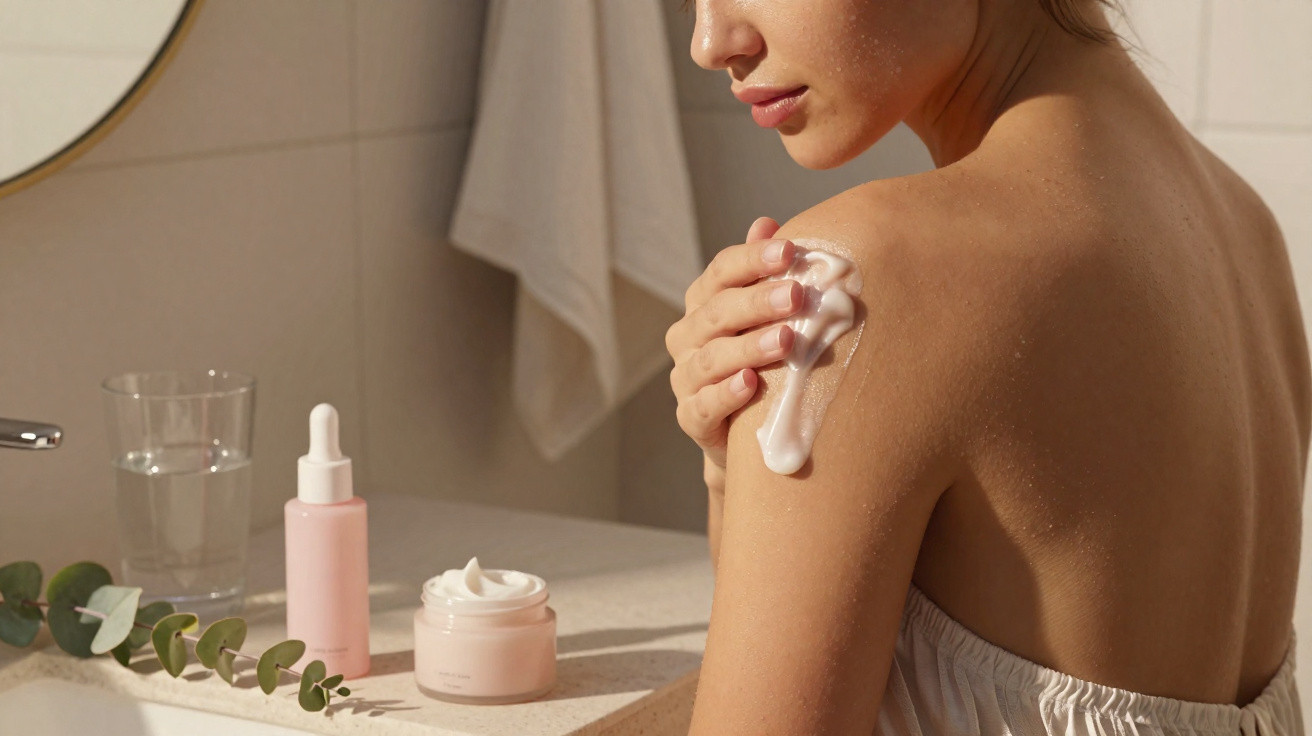
Skin responds to reliability with greater calm, less redness and a smoother texture over the long term. Continually switching products risks irritation and prevents the skin from settling, no matter how luxurious the packaging may look.
Nutrition: fewer diets, more stability
Many women link appearance with weight rather than nutrient intake. Crash diets before a holiday, intermittent fasting without a plan or strict avoidance of entire food groups often come at a cost in daily life.
A body-friendly approach begins with one question: am I giving my body what it needs every day? This includes, in particular:
| Nutrient | Role in later life |
|---|---|
| Protein | preserves muscle mass and supports skin, hair and nails |
| Fibre | stabilises digestion and affects blood sugar and fullness |
| Fluids | support circulation, concentration and skin firmness |
Those who consistently fall short in these areas will eventually show it: in thinning skin, brittle hair and fading energy – regardless of how polished their make-up may appear.
Self-image: enemy of ageing or a natural process?
Another issue specialists repeatedly highlight is this: the way a woman thinks about her own ageing shapes her behaviour. Anyone constantly “fighting” ageing puts themselves under permanent pressure. Those who accept it as a stage of life with new possibilities tend to treat themselves more calmly.
Inner acceptance of one’s own age shines outward more strongly than any anti-ageing campaign.
This inner attitude can take very practical forms:
- seeing wrinkles as signs of a lived life rather than flaws;
- shifting the focus from “am I still attractive?” to “do I feel well?”;
- looking at oneself in photographs not only for faults, but also for expression and warmth.
What women can change in practical terms
Anyone who realises that their focus has been too heavily on creams and too little on body and mind does not need to transform everything at once. Three areas can quickly provide clarity:
- Review your own routines: How many minutes each day go towards appearance, and how many towards movement, sleep and relaxation?
- Book a doctor’s appointment: Blood values, blood pressure and bone density – facts are more reliable than feelings.
- Introduce small new habits: two strength-training sessions a week, a fixed bedtime and one genuine daily break ritual.
This shifts the balance away from surface appearance alone and towards ageing in a way that feels good not just in photographs, but in one’s own body too.








Comments
No comments yet. Be the first to comment!
Leave a Comment