
A few drops of a reddish oil have become a feature of beauty routines for the face, body and even hair. Derived from the seeds of species within the Rosa genus, rosehip oil contains fatty acids and antioxidant compounds. Science acknowledges its potential to moisturise and support the skin barrier, while also showing that popular claims do not all carry the same weight of evidence.
What does rosehip oil contain?
A 2017 scientific review of plant oils used on skin identified rosehip oil as a significant source of unsaturated fatty acids. Its main components include linoleic, alpha-linolenic and oleic acids, as well as antioxidant substances such as carotenoids and tocopherols.
These lipids can strengthen the skin’s natural barrier, limiting water loss while promoting softness and suppleness. An analysis published in 2024 likewise confirmed the oil’s high proportion of unsaturated fatty acids, a quality that accounts for much of its appeal in cosmetic formulations.
Can rosehip oil genuinely help with scars and skin regeneration?
There are encouraging signs, although the answer calls for caution. A review published in the Journal of Cosmetic Dermatology assessed studies on rosehip and wound healing, finding evidence that it may improve the appearance of post-operative scars. However, the authors judged the available data insufficient to recommend the oil as a wound treatment.
In other words, the product may serve as a cosmetic complement, largely because of its moisturising properties and fatty-acid content, but it should not replace medical care. Deep scars, burns, open wounds and persistent skin changes require professional assessment.
How should you use rosehip oil on the face, body and hair?
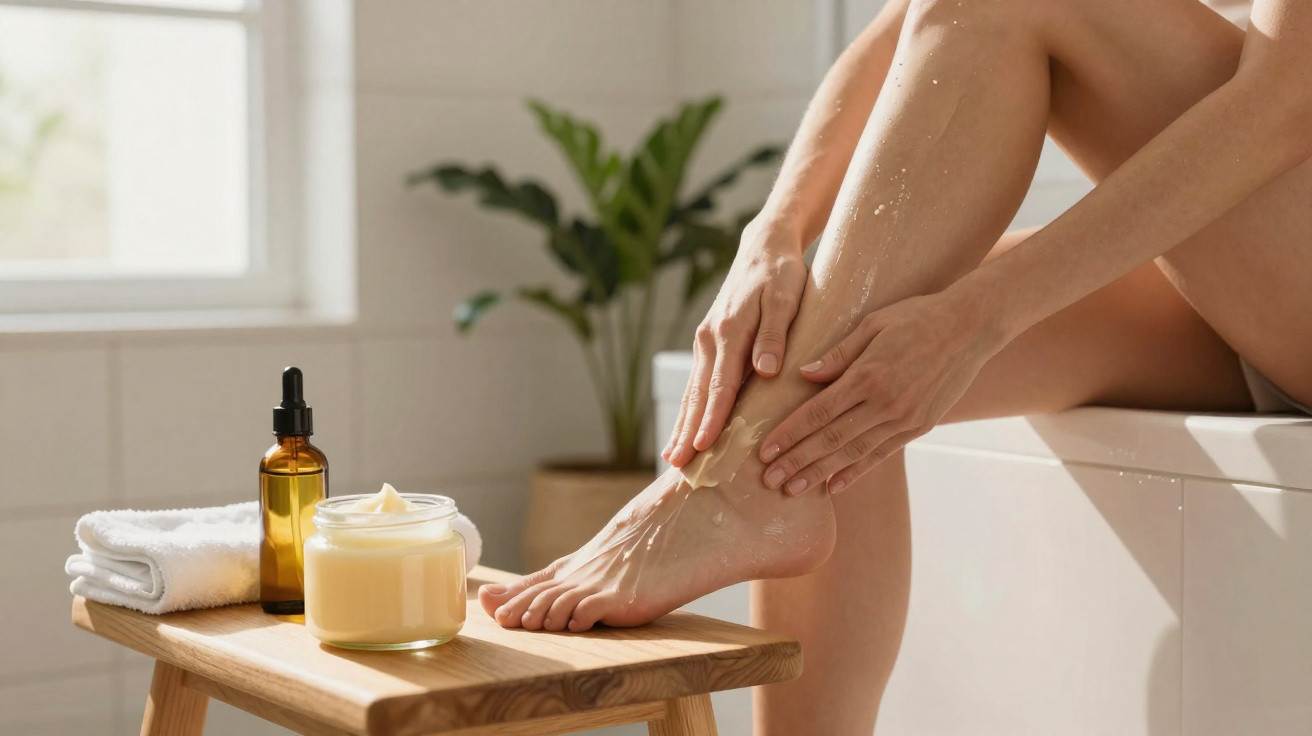
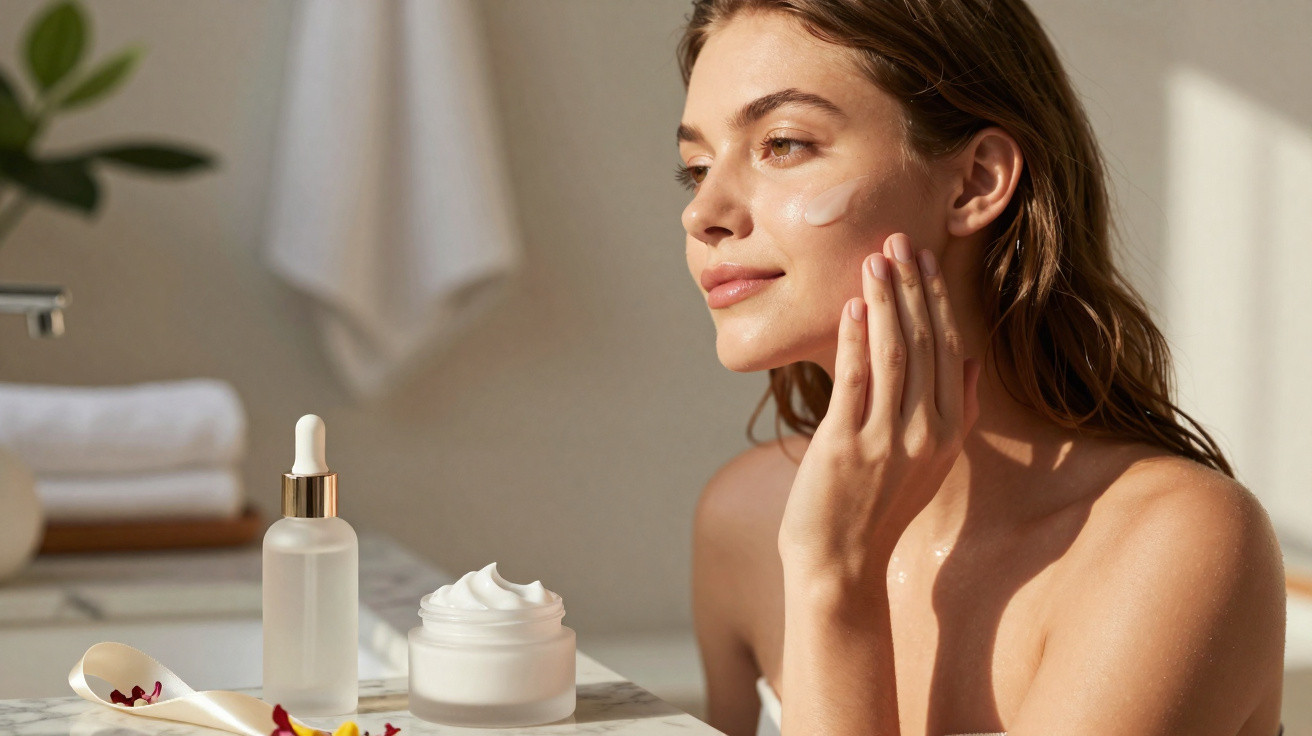
The amount used matters. On the face, apply just a few drops to clean skin or mix them with moisturiser, following the product guidance. For the body, the oil is generally applied to particularly dry areas. In hair, small amounts may temporarily improve the feel and appearance of dry ends.
- For the face, start with a few drops and monitor how your skin responds before using it more often.
- For the body, focus application on the driest areas that need greater emollience.
- For hair, smooth a small amount over the ends or use it before washing, without applying too much.
- For nails and cuticles, massage it in gently to help lessen the look of dryness.
Before making the oil a permanent part of your routine, test a small amount on a limited area first. Plant-based products can also trigger irritation or allergies. People with very oily skin, frequent acne, dermatitis or other skin conditions may need dermatological advice to identify the most suitable frequency and formulation.
Watch the video shared by the Angela Xavier YouTube channel, which explains how to use rosehip oil correctly.
Does rosehip oil really lighten dark spots?
This is among the claims requiring the greatest caution. Experimental studies are investigating rosehip compounds for possible antioxidant effects and effects on pigmentation, but this does not mean that a few drops of the oil can treat melasma or remove deep dark spots. The clinical evidence currently available does not support such broad expectations.
The Brazilian Society of Dermatology notes that melasma requires assessment and specific care, with particular attention to protection from radiation. Rosehip oil may therefore be included in a cosmetic routine, but it is not a replacement for sunscreen or prescribed treatments for persistent pigmentation changes.
Is rosehip oil worth adding to your routine?
The main appeal of rosehip oil lies precisely in the benefits most plausibly offered by its composition: fatty acids that can complement moisturisation and help maintain the skin barrier. Research also indicates antioxidant and regenerative potential, although more robust clinical studies are still needed to confirm many of the benefits being promoted.
Use the product for its evidence-backed advantages, rather than miracle claims. Begin with a small amount, watch how your skin reacts and stop using it if irritation occurs. If dark spots, scars or other concerns are troubling you, see a dermatologist now, as an appropriate assessment may prevent months of unsuccessful trial and error.















Comments
No comments yet. Be the first to comment!
Leave a Comment