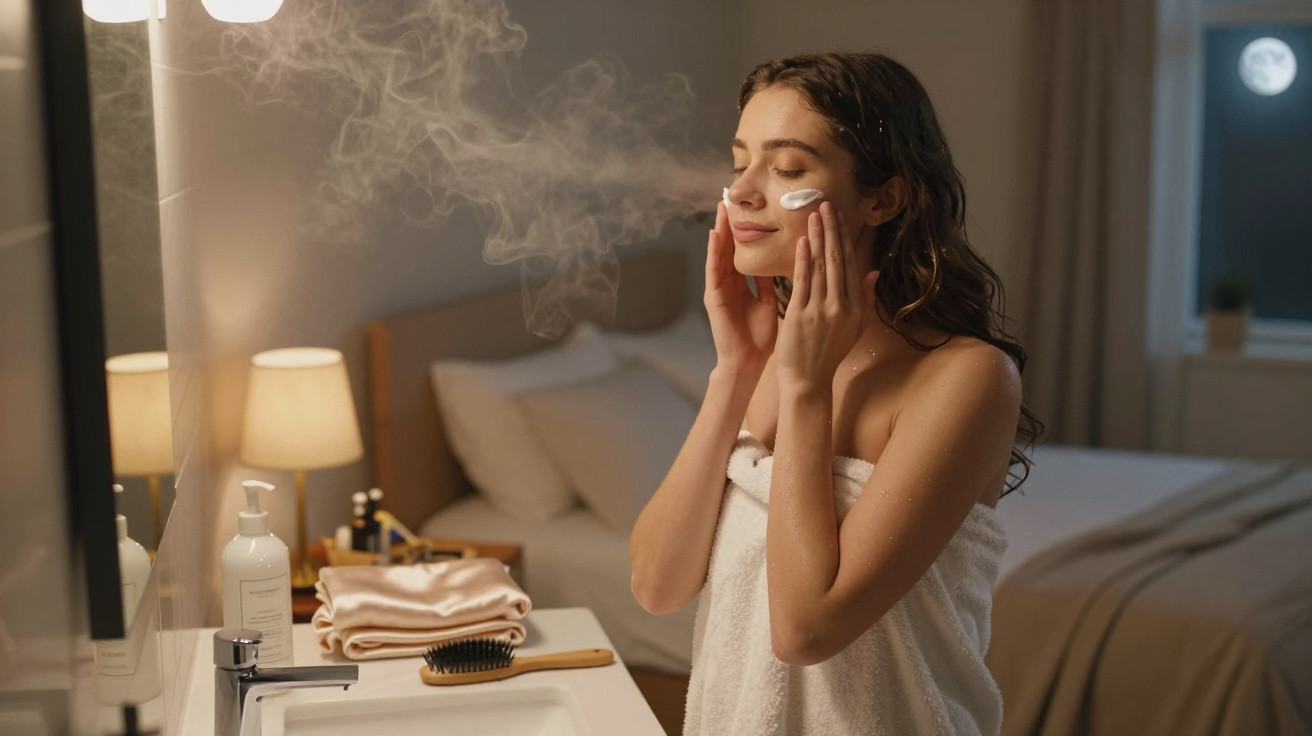
The bathroom lighting is unforgiving, the mirror feels brutal, and your complexion appears more exhausted than you actually are.
You rinse your face, dab on some cream and tell yourself that tomorrow you will go to bed earlier. A morning shower can feel like pressing reset, but the dry areas, redness and blemishes return like a notification you cannot dismiss.
That evening, you eventually get into the shower with your phone left in another room, while hot water fogs the tiles. Makeup, sunscreen, urban dust and stress all wash away. When you step out, your skin is pink and soothed, your shoulders feel less tense and the day is properly finished. Something subtle shifts too.
The reality is that your skin works its night shift while you sleep. Simply changing when you shower may give it a major advantage.
Why your skin secretly loves a night shower
Ask someone when they shower and the reflexive answer is often: “In the morning, of course.” It fits the cultural notion of a fresh start: waking up and smelling clean before work or school. Yet skin does not operate according to office hours.
Your skin runs on a circadian rhythm. In daylight, it is largely focused on defence, protecting itself from UV exposure, pollution and friction. Overnight, it moves into repair mode. Cell turnover accelerates, the skin barrier attempts to restore itself and minor damage from the day is quietly repaired. Taking a night shower works with this natural rhythm rather than against it.
A morning shower generally removes only what has built up overnight: a little sweat, oil and remnants of skincare. A night shower clears away a whole day’s accumulation: vehicle fumes, dirt, residual makeup, sunscreen layers, bacteria and city grime. When that cleansing is postponed until morning, your skin has to carry out its repair work beneath a layer of residue. It is rather like repainting a wall that is still dusty.
Dermatologists regularly notice this pattern, even when people do not connect it with their shower habits. Think of an office worker travelling on the Underground while wearing foundation, mascara, SPF 50 and styling products around the hairline; a nurse working 12-hour shifts beneath intense hospital lighting; or a student cycling through traffic and sweating under a helmet. Each arrives home with what could be described as a microscopic cocktail of pollution on their face and body.
Imagine two versions of the same person. Version A has a quick shower at 7 am, hurries off, then falls into bed at night after only a fast facial wipe - or no cleansing at all. Version B takes a shower at 10 pm, thoroughly rinses off sweat, SPF and makeup, then applies a straightforward moisturiser. After four to six weeks, Version B will often report fewer blocked pores, softer skin and less unexplained irritation. There is no miracle serum involved, only a change of timing.
Skin-barrier science accounts for much of this. Your body temperature usually rises slightly at night, while the skin loses more water. This is why some people feel tighter or itchier at bedtime. Following a night shower with a good moisturiser helps retain water in the outer layers of your skin just when they are most susceptible to dryness. The outcome is a calmer, plumper and more resilient barrier.
The microbiome - the community of bacteria that lives on your skin - matters too. Sweat, pollution and makeup left on overnight can nourish less helpful bacteria, particularly where skin presses against a pillowcase. A mild night shower clears the surface just enough for your skin’s ecosystem to reset, without stripping it raw.
How to turn your night shower into a skin ritual
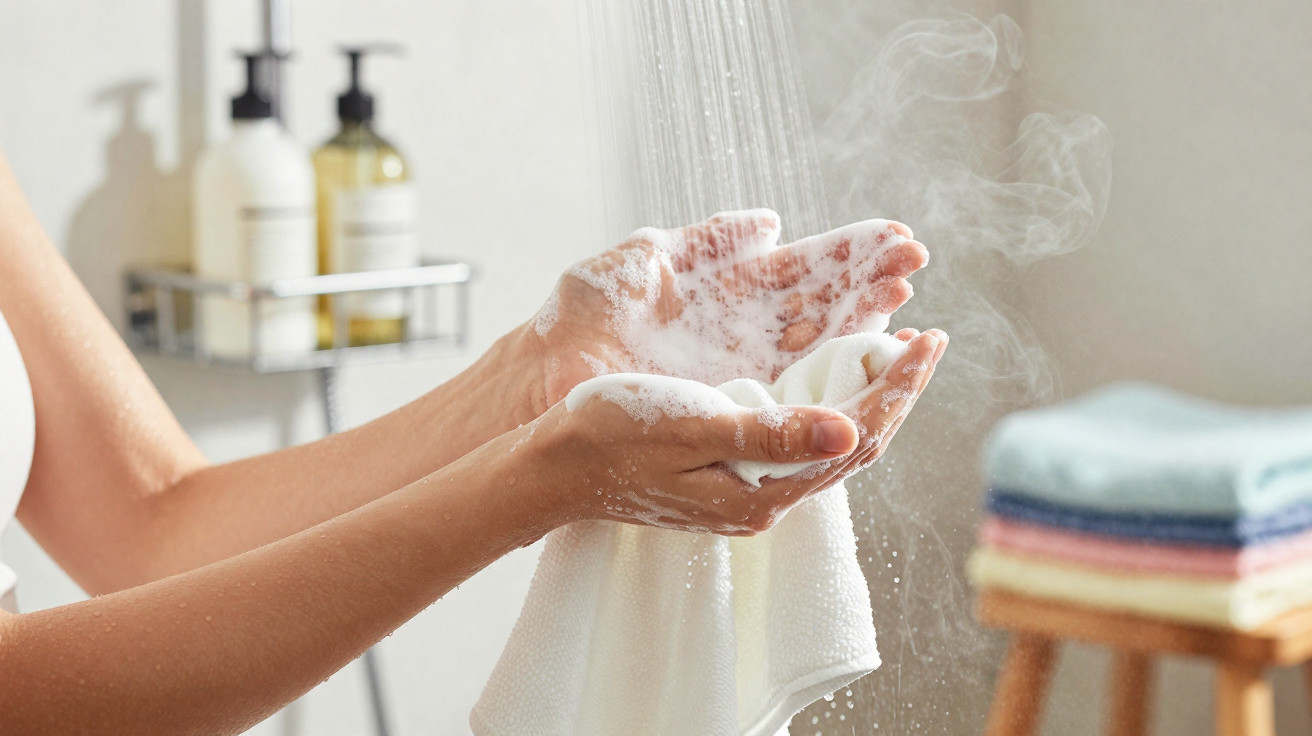
For your skin to genuinely benefit, a night shower needs to be more than a scorching three-minute rinse. Both temperature and timing count. Choose warm water rather than boiling water: think “a pleasant cup of tea”, not “a lobster pot”. Excessively hot water removes oils from the skin’s surface too quickly, and that barrier is your best natural moisturiser.
Keep the shower brief: for most people, 5 to 10 minutes is enough. Reserve thorough washing for the places that really require it - armpits, groin, feet and skin folds, where sweat and bacteria tend to gather. On the rest of your body, a light pass with a mild cleanser, or even water alone on certain days, may be sufficient. Your skin does not need to feel squeaky clean; it needs to feel comfortable.
The vital three-minute period after you get out also matters. Apply moisturiser while your skin remains slightly damp. That is when you seal in hydration rather than allowing it to disappear with the steam in the bathroom.
Many people undermine their skin without noticing. They enter the shower still wearing full makeup, wash their face with an aggressive body gel, scrub until their skin turns red, then walk to the bedroom in a towel and spend 20 minutes scrolling on their phone. Moisturiser only crosses their mind once their skin already feels itchy and tight.
A better order is remarkably easy: take off most of your makeup before showering, use a gentle cleanser in the shower to complete the cleanse, pat your skin dry with a soft towel rather than rubbing it, and apply moisturiser or serum immediately. Do not pause for ages. Do not wander around half-dressed, replying to messages as your skin dries out.
There is, of course, the familiar advice: use clean pillowcases, avoid overly hot water and do not use industrial-strength facial scrubs every night. Let us be honest: hardly anyone manages all of that every day. The point is not perfection; it is to stop forcing your skin to fight needless battles while you sleep.
“What you do in the 30 minutes before bed has more impact on your skin than almost anything you do at 7 am,” says one London-based dermatologist. “Night is when skincare can work with biology instead of against it.”
In everyday terms, this is less of a spa fantasy and more about manageable habits. Dim the bathroom lighting slightly so your brain gets the signal that it is night-time too. Leave your cleanser and moisturiser where you can see them instead of hiding them in a drawer. Choose products whose texture and scent you genuinely enjoy, otherwise the routine may disappear within a week.
- Shower at night at least 4–5 times a week if your routine permits
- Use lukewarm rather than steaming-hot water
- Go to bed without makeup, every night
- Moisturise within 3 minutes of getting out of the shower
- Replace abrasive scrubs with gentle, low-fragrance products
The quiet power of changing just one habit
There is something almost symbolic about rinsing away the day at night. The commute, the disagreements and the emails you should not have read after 9 pm can all feel lighter after standing beneath running water and changing into fresh clothes or an oversized T-shirt. That emotional reset has physical effects on your skin as well.
Stress hormones such as cortisol can disrupt your skin barrier, oil production and even wound healing. A soothing evening ritual - soft lighting, warm water and slow breathing in the shower - can settle that internal turmoil somewhat. Because your skin is connected to your nervous system, it may reflect that calm by flaring, itching and reacting less. On a difficult day, that shower can feel like a slender barrier between you and burnout.
We have all experienced climbing into bed still feeling sticky, with half our makeup on, only to wake up with mascara marked on the pillow and a spot ready for a close-up. Making night-time, rather than morning, the anchor of your hygiene routine does not require expensive products or a 12-step regime. It simply means bringing your habits into line with the way your skin naturally works.
Some people will always stand by their treasured morning shower, and that is perfectly fine. You do not need to select one forever. Still, trying a two-week experiment of a “main shower at night, quick morning rinse if needed” is low risk and can offer surprisingly worthwhile results. Your mirror, more than any algorithm, will show whether your skin approves.
| Key point | Detail | Benefit for the reader |
|---|---|---|
| Cleansing timing | Thoroughly cleansing skin at night respects its overnight repair cycle | Understand why night showers may improve texture and radiance |
| Temperature and duration | Short, lukewarm showers focused on key areas | Reduce dryness, irritation and tightness without changing your entire routine |
| Moisturising after showering | Apply skincare within 3 minutes to slightly damp skin | Easily maximise hydration and reinforce the skin barrier |











Comments
No comments yet. Be the first to comment!
Leave a Comment