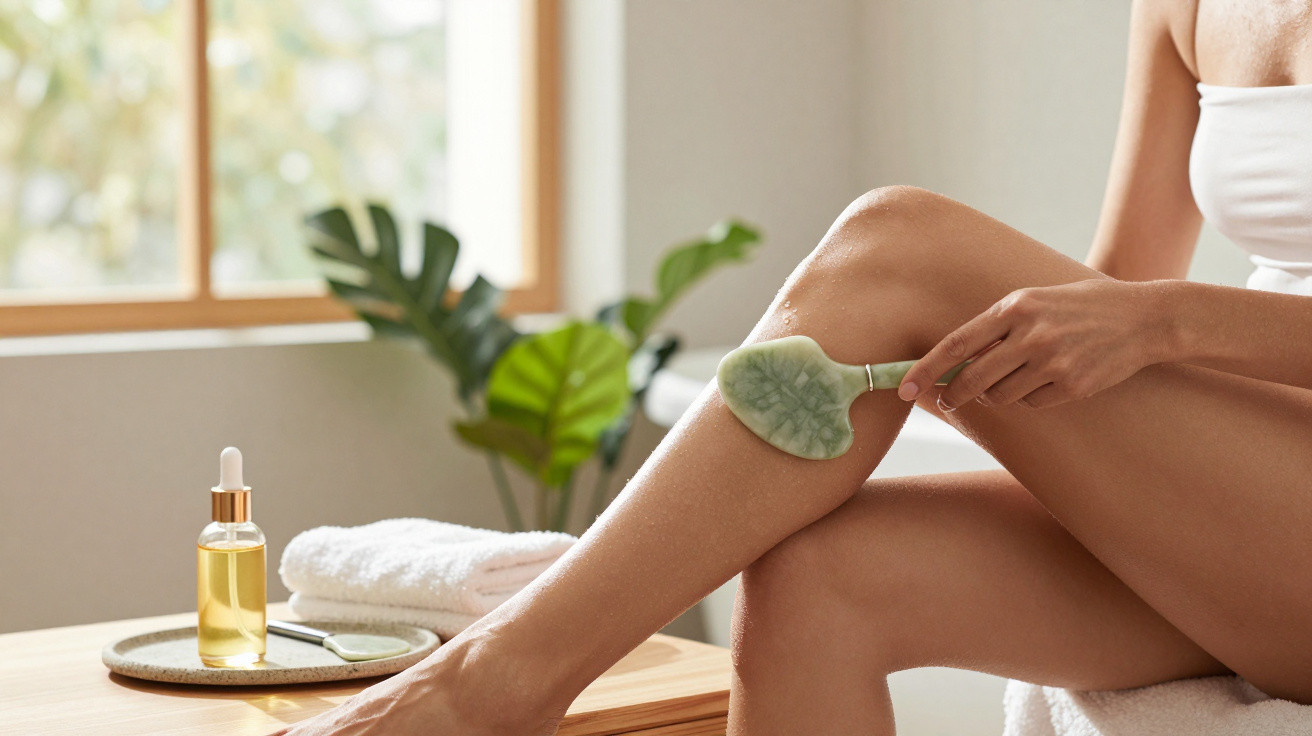
Each evening brings the familiar picture: jeans that feel restrictive, calves that are puffy, and persistent dimpled skin seemingly untouched by body lotion.
For people dealing with heavy legs and cellulite that refuses to shift, expensive spa visits are increasingly being replaced with a compact, shaped tool tucked away in the bathroom cabinet: the body gua sha. Drawn from Asian wellness rituals, it is now being viewed through the principles of lymphatic science.
From face tool to body ritual
Gua sha is an ancient traditional Chinese medicine practice. It originally consisted of sweeping a smooth stone across the skin to stimulate circulation and ease tension. Facial gua sha has been highly visible on social media for years, but the larger, more assertive body version is now attracting attention.
The principle is straightforward. A body gua sha is a bigger tool, often with curved edges, made to fit the contours of the thighs, buttocks, stomach and arms. Used with an oil or nourishing cream, it is moved across the skin in controlled strokes intended to boost blood flow and promote lymphatic drainage.
The body gua sha promises lighter legs, a smoother skin texture, and a feeling of firmness, all from a few minutes of massage.
Professional lymphatic drainage at a clinic may involve frequent appointments and considerable expense. A body gua sha provides a more affordable at-home ritual instead. Although it cannot entirely take the place of a trained practitioner, regular use may replicate certain underlying mechanisms.
How gua sha helps the lymphatic system
The lymphatic system works as the body's quiet cleansing network. Through its vessels, it transports waste, surplus fluid and immune cells. If that flow becomes slower, fluid may gather in the tissues, creating the well-known sensation of heaviness and puffiness.
Applied with the correct direction and pressure, a gua sha can help guide lymph along its channels, which lie relatively near the skin's surface. There is no need for forceful pressure. Specialists commonly emphasise that light, rhythmic movements work better than harsh scraping.
A good gua sha session should bring a sensation of warmth and activation, not pain, bruising, or intense redness.
Swiss brand IRÄYE developed its body gua sha around this principle, creating an ergonomic shape that follows the body's natural lines. When used over a melting-texture product, including a shaping cream or oil, it is intended to redistribute excess fluid, soften uneven-looking areas and encourage firmer-looking skin.
Water retention and cellulite: what actually changes?
Water retention and cellulite are two concerns raised repeatedly. They frequently occur together, although they are not identical.
| Issue | What it is | Where it shows |
|---|---|---|
| Water retention | Build-up of excess fluid in the tissues, causing swelling and a heavy feeling. | Ankles, calves, hands and sometimes the stomach. |
| Cellulite | A mix of fat cells, water and connective tissue that pulls the skin downwards. | Thighs, buttocks, hips, and sometimes the arms and stomach. |
When circulation is slow, water retention may become worse and cellulite can look more noticeable. By targeting blood flow and lymph movement, body gua sha is intended to lessen swelling and gradually improve skin texture.
Brands specialising in this approach generally recommend brief sessions lasting three to ten minutes. Use slow upward movements, repeating them several times over each area. The areas most often treated include:
- the front and back of the thighs
- the buttocks
- the stomach and waist
- the upper arms
- the calves and entire legs
Many users describe their legs as feeling lighter immediately after massage. With daily use or several sessions each week, they also report a gradual improvement in the skin's texture.
How to use a body gua sha without hurting your skin
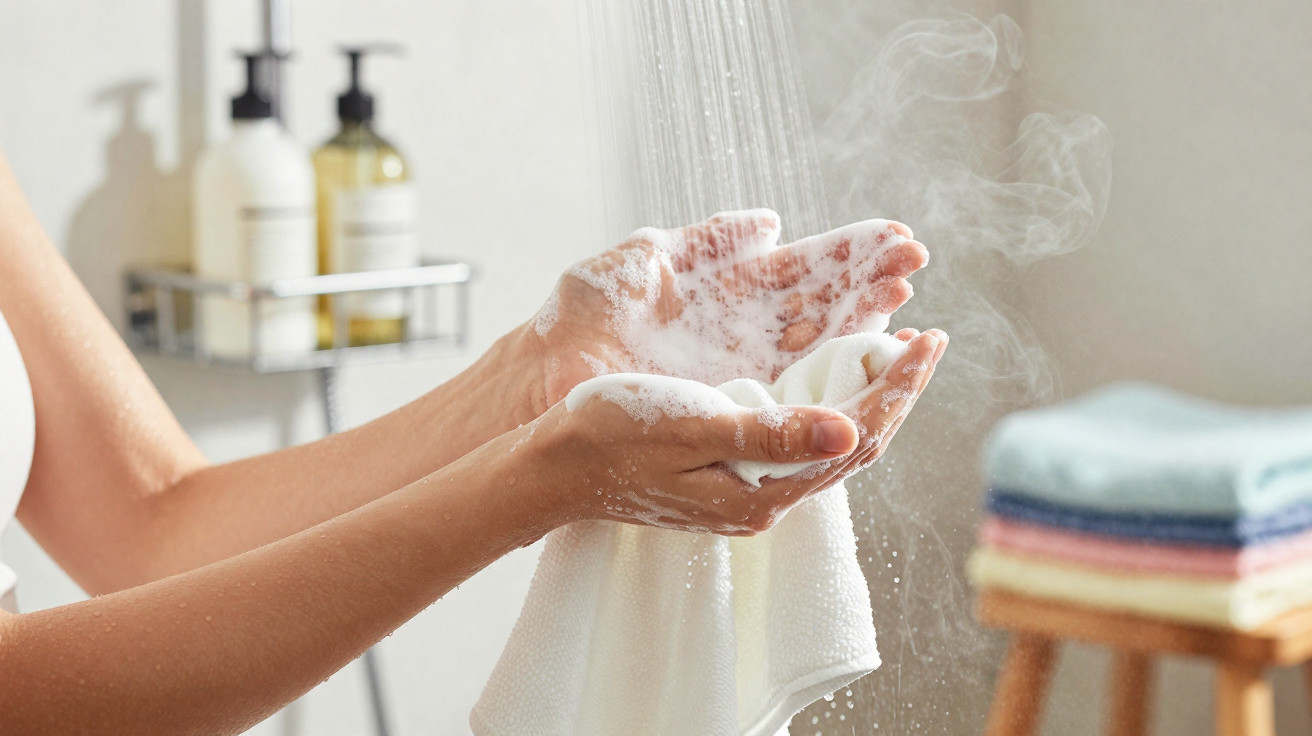
A standard routine begins after a warm shower, while skin is clean and slightly more relaxed. Apply a generous amount of body oil or cream: this both protects the skin barrier and ensures enough glide for the gua sha.
For instance, IRÄYE combines its tool with a sculpting cream containing botanical actives including caffeine, butcher's broom, horse chestnut and goldenrod. These ingredients are commonly selected for their possible ability to support circulation and improve the appearance of dimpled skin. Working the product in with a gua sha may spread the formula more evenly while prolonging the massage on each targeted area.
Clinical-style testing from the brand reports that a majority of users felt their skin was firmer, calmer, and more elastic after four weeks of regular use.
Even a carefully designed tool requires the right method. Practitioners generally advise:
- beginning at the ankles and working upwards towards the heart
- choosing long, unhurried strokes instead of fast, abrupt movements
- holding the tool at roughly a 30–45° angle against the skin
- using noticeable pressure that never becomes painful
- repeating each movement five to seven times before progressing to another area
Who should be cautious with gua sha massage
Despite appearing gentle, this practice is not appropriate for everyone. Anyone with pronounced varicose veins, a past blood clot or a diagnosed circulatory condition should consult a healthcare professional before introducing vigorous massage into their routine. This also applies to high-risk pregnancy and to skin that is damaged, inflamed or infected.
Redness, acute pain and bruising indicate that the pressure is excessive or the method is incorrect. The purpose is not to mechanically “break” cellulite, but to assist circulation over time. Regularly using less pressure is generally both safer and more effective than occasional intense scraping sessions.
What realistic results look like
No device can remove cellulite entirely, as it is partly associated with hormones, genetics and the structure of connective tissue. A gua sha may, however, help the skin's surface appear more even, decrease swelling connected with fluid retention and restore a sense of comfort and tone.
In practice, people who report the most noticeable changes usually combine several habits: a gua sha routine, movement during the day, sufficient hydration and attention to salt consumption. In that context, the gua sha is one element of a wider approach that works with the body rather than against it.
Understanding lymphatic drainage at home
“Lymphatic drainage” may sound technical, but its central aim is simple: to support lymph movement when it has become somewhat sluggish. In a clinic, therapists use highly precise hand movements along lymph vessel pathways. At home, a body gua sha provides a simplified and accessible form of this support.
Even so, these tools can lead people to expect instant results. A more realistic sequence is as follows: legs may feel warmer and lighter after the first treatment. Following one or two weeks of daily use, morning puffiness and tight clothing may become less troublesome. After several weeks, skin may look more even and dimpling may be less marked, particularly when the tool is paired with a cellulite-focused cream.
How to build a balanced body-care routine
For anyone wishing to test the method, a useful starting routine may include:
- applying a hydrating or shaping body cream twice daily
- completing one daily gua sha session on targeted areas, lasting three to ten minutes in total
- walking regularly or doing low-impact activity to support blood and lymph flow
- adopting simple measures, such as raising the legs in the evening and not remaining seated for hours
Some people store the tool somewhere cool, pairing its mechanical action with a refreshing sensation for heavy legs. Others make it part of a brief evening ritual, using slow strokes to reconnect with their body rather than scrutinise it in the mirror.
When used with care, a body gua sha can become more than a trend-led accessory. It may serve as a gentle prompt to support circulation, notice discomfort before it takes hold, and recognise that smoother, firmer-looking skin often comes from many small, consistent actions over time.




Comments
No comments yet. Be the first to comment!
Leave a Comment