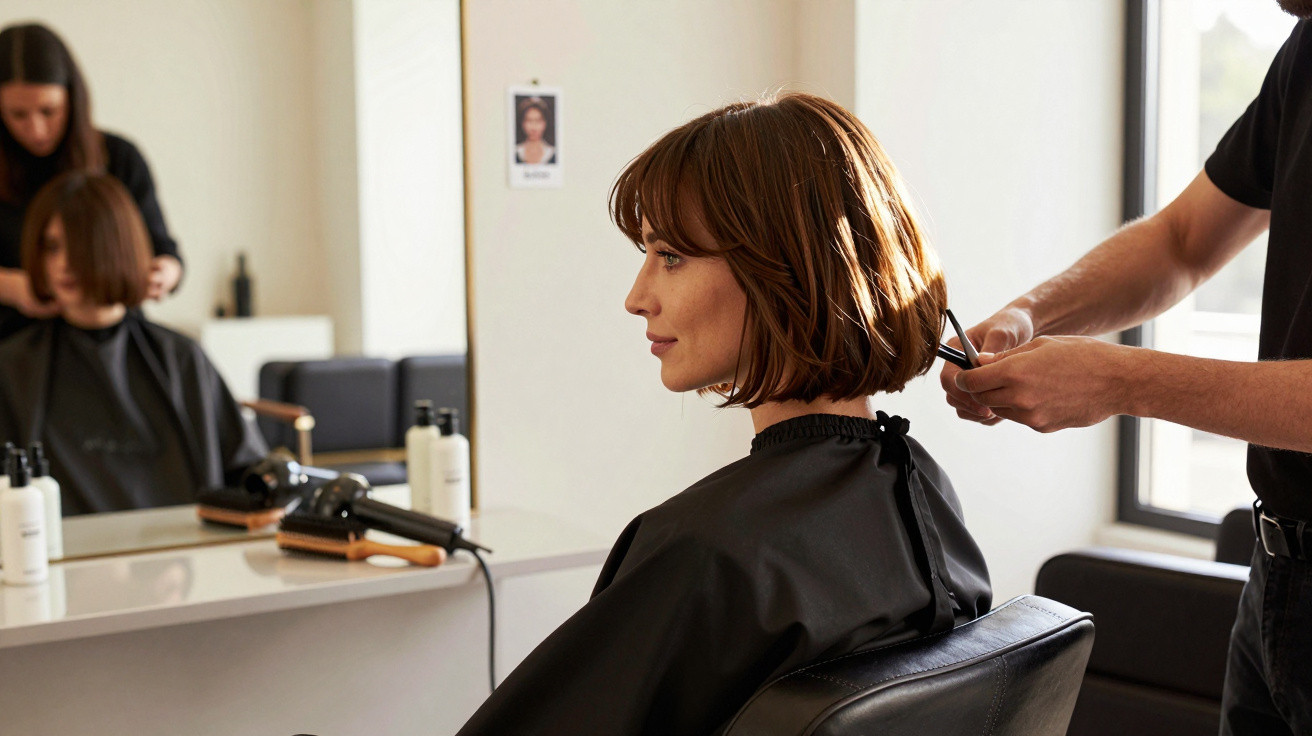
At the Jean-Louis David salon near Paris’s Opéra, she has the same face, the same make-up and the same blouse she puts on for every “important” meeting. Yet the moment the cape is fastened, the atmosphere changes. Phones vibrate on the counter, hairdryers murmur like far-off traffic, and stylists move from chair to chair with the ease of people who encounter 50 faces a day - and 50 different expressions of age. Ten minutes on, her fringe feels lighter, her ends look sharper, and her hair now draws attention to her cheekbones rather than pulling them downwards. There is no skincare and no filter involved: only scissors and a blow-dry. She leaves looking like the more refreshed self she believed had disappeared. What feels most unusual is the speed of the change.
Why the “right” cut suddenly makes you look younger
At Jean-Louis David, it is the faces rather than the hair that first catch your attention. Women in their forties can have a cut that makes them appear effortlessly 35. Beside them may be a 25-year-old whose very long, flat hair adds a decade through its sheer weight. One stylist quietly leans closer and says: “Your hair can be a spotlight… or a shadow.” The line stays with you. When a haircut opens up the face, raises the jawline and brings out the eyes, it does not remove your age; it simply stops announcing it so loudly.
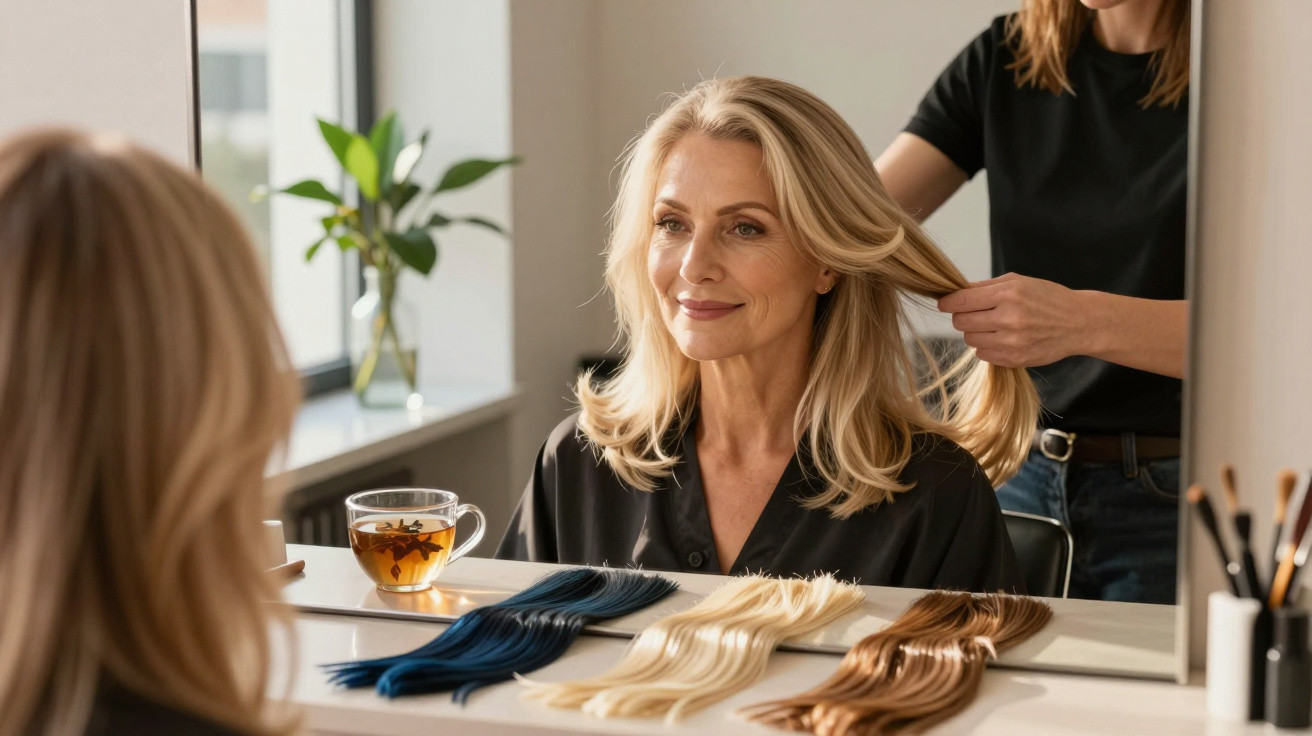
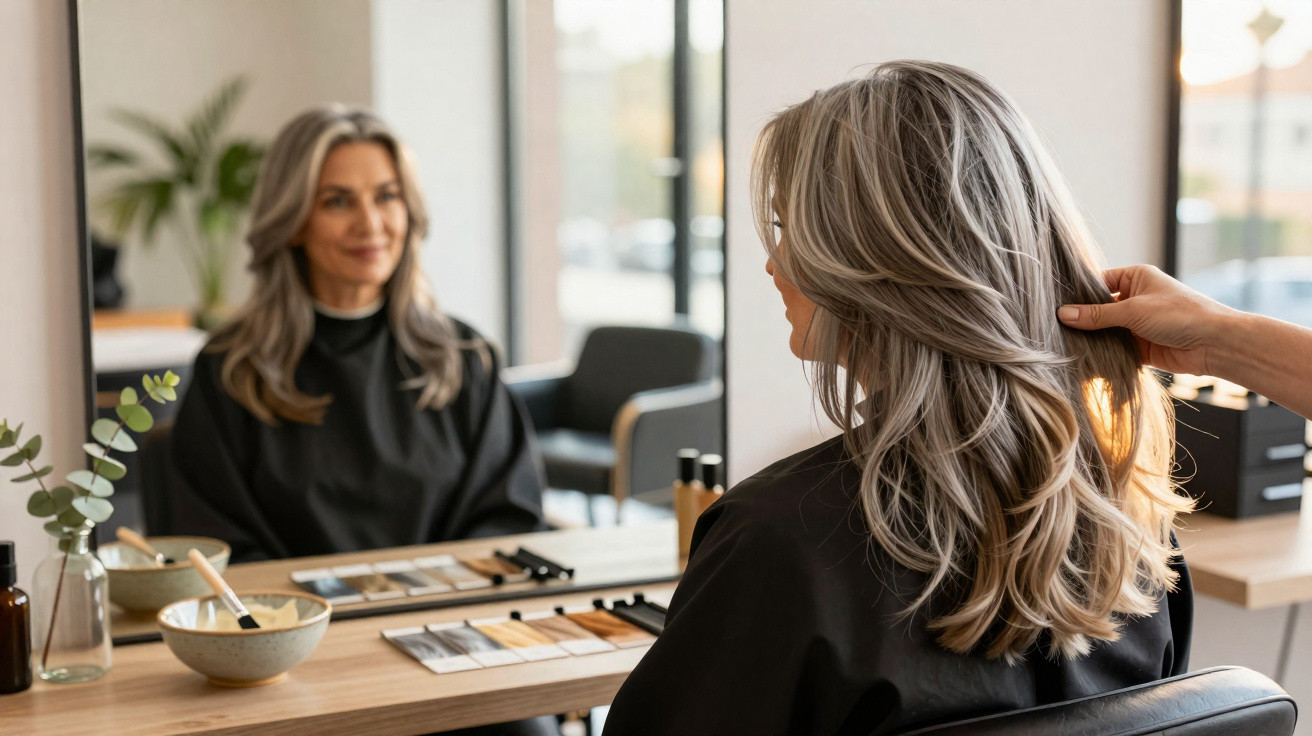
One Tuesday afternoon, a client in her fifties arrives with long, weighty hair gathered in a low ponytail. She says it is practical. It is also making her entire expression droop. Her stylist proposes a lively mid-length cut, with invisible layers and a soft face-framing shape - classic Jean-Louis David territory. After 20 minutes of cutting and five minutes of styling, the difference is almost startling. Her neck appears slimmer. Her shoulders look more upright. Seeing herself in the mirror, she laughs because she recognises the woman from old holiday photographs. The number of candles on her cake is unchanged. What has shifted is the way others interpret her age.
There is no mystery behind it. A “rejuvenating” haircut largely comes down to geometry and light. Jean-Louis David teams work extensively with movement: tapered ends that remain intact, layers that shift visual weight away from the jawline, and fringes that soften lines rather than outlining them. Excessively flat hair can make a face seem weary, while too much bulk can conceal the features. By concentrating volume at the crown and keeping the area around the face slightly shorter, they rebalance the proportions. Attention moves towards your eyes, smile and cheekbones, rather than the length of your hair or tired-looking skin.
Jean-Louis David signature cuts that subtly “edit” your age in seconds
When Jean-Louis David stylists discuss cuts that transform how old someone looks, they seldom use the words “young” or “old”. Instead, they focus on movement, shine and contour. One reliable technique is the contouring cut: delicate face-framing sections beginning around the lips or cheekbones and blending into the rest of the hair. On straight or gently wavy hair, these sections work like an inbuilt soft-focus filter. They reduce heaviness at the front, make the skin look more open and create the lightness people interpret as being “energised” or “rested”. They are the compliments everyone quietly wants to hear.
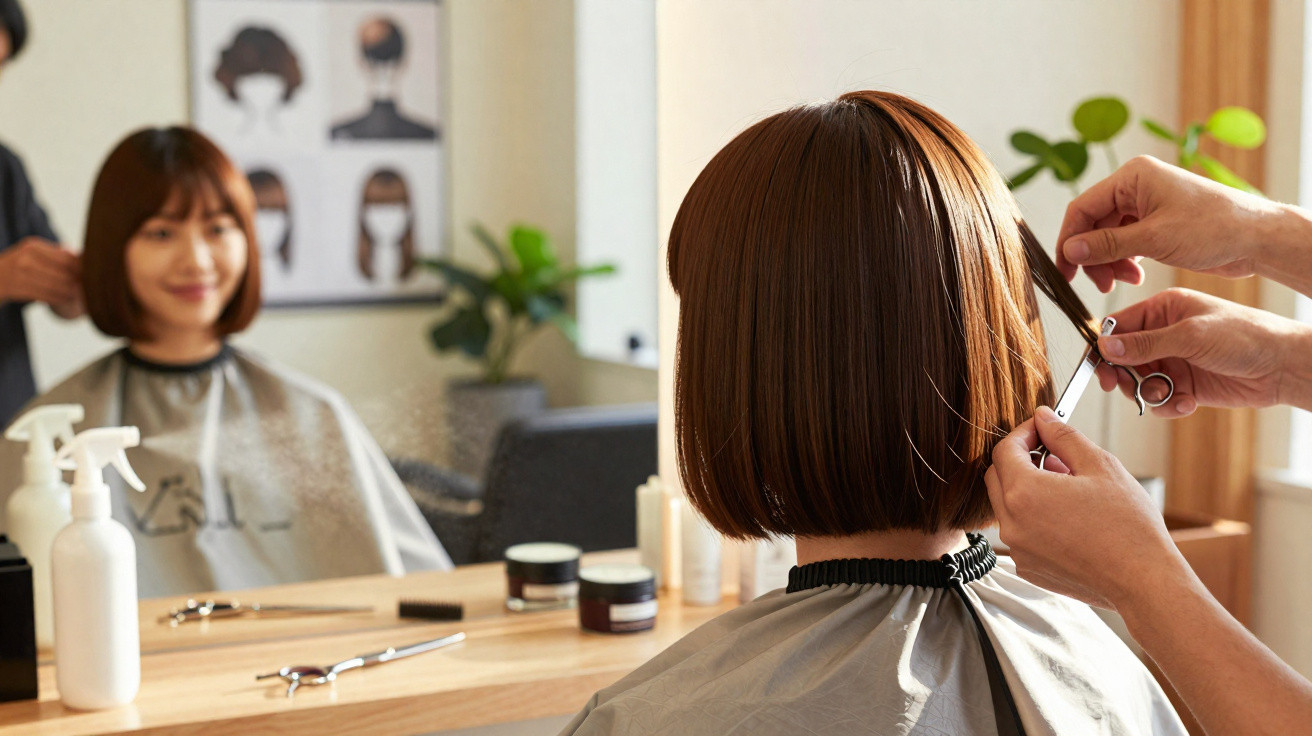
Then there is the iconic Jean-Louis David square: a lightly deconstructed bob falling somewhere between the jaw and collarbone. Styled with a side parting or an airy fringe, it offers something no cream can provide: structure. Imagine a client in her late thirties arriving with long, unshaped hair that she ties up every day “for convenience”. The stylist removes length, cuts soft layers below the chin and uses a brush to give the ends a gentle curve. She walks out with hair that moves as she does but never masks her face. Passers-by would probably place her age three or four years lower. The bob has not wiped away time; it has removed visual tiredness.
The real transformation lies in small choices that are nearly invisible. A heavy, blunt fringe cut straight across can make features look harsher and draw focus to forehead lines. Jean-Louis David more often opts for lighter curtain or tapered bangs that part at the centre and skim the eyebrows. The emphasis lands on the eyes rather than wrinkles. Thick, dense ends falling to mid-back can surround the body in a static, almost severe way. Strategic “air cuts” - micro-layers that are barely noticeable - interrupt this curtain effect without taking away length. Hair reacts not only to gravity but also to the way a person moves through everyday life. It is not enough for a cut to make you look younger in photographs. It must retain that energy when you hurry for the Metro, collect the children or tip your head during a Zoom call.
How to ask for a rejuvenating cut - and actually get it
The crucial moment often comes in the opening five minutes of the consultation. Rather than simply asking, “What are we doing today?”, Jean-Louis David stylists tend to ask, “How do you want to feel when you leave?” That changes the conversation entirely. If you want a cut that takes years off your appearance, say so directly. Then explain your day-to-day reality: how much time you have to style it, whether you wear it tied back daily and whether you dislike hair touching your neck. Bring two or three photographs - not of celebrities, but of hairstyles whose movement and length appeal to you. Highlight the details you like, whether that is the fringe, root volume or softness around the temples.
Once you are in the chair, focus on lifting rather than hiding. Many women instinctively pull their hair forwards to cover areas they dislike, such as their neck, jawline or cheeks. This usually creates more visual weight. A Jean-Louis David stylist is likely to recommend revealing a little more skin and then framing it with lighter, more mobile strands. They may make the back slightly shorter to create a soft “push-up” effect at the crown, or shape a discreet angle from the nape towards the front to lengthen the neck visually. Let’s be honest: nobody really recreates that every day at home with a perfect blow-dry. This is why they create cuts that settle well even after a quick rough dry.
Maintenance matters too. A dramatic cut that requires a salon blow-dry every 72 hours will make you look older as soon as your routine slips. For most cuts designed to transform how old you appear, Jean-Louis David generally advises appointments every six to eight weeks - enough to preserve both the outline and movement. Many clients delay this until week ten, then feel slightly “off” without fully understanding why. The fringe becomes heavier, the shape loses definition and the face starts to appear more tired again.
“A good anti-age cut is like a good jacket,” confides one Parisian stylist. “It still looks like you, but the shoulders are sharper, the proportions are right. People can’t quite say what changed. They just say you look well.”
Stylists encounter several recurring pitfalls every week, and they are very human ones:
- Holding on to a length that no longer works with your texture simply “because I’ve always had long hair”.
- Thinning fine hair too much, leaving it flatter and making the face appear older.
- Choosing a dramatic fringe on impulse without accounting for cowlicks or the time needed for daily styling.
- Leaving the salon without mentioning a minor concern. Small adjustments can make all the difference.
- Forgetting how your hair behaves without a fresh blow-dry, despite that being how people see it most of the time.
The emotional ripple effect of looking like “yourself, but rested”
Leave a Jean-Louis David salon at 6 p.m. and notice what happens on the pavement outside. People naturally touch their hair every few steps, almost testing whether the transformation is still there. That first glimpse in a shop window becomes the real test. When the cut genuinely suits you, there is a tiny pause followed by a faint smile, or perhaps the chin rises by half a centimetre. On a difficult day, that alone may change how gently you respond to an email or whether you agree to an unexpected invitation. On a good day, it can bring the quiet sense that you have reclaimed control of your own image.
We have all experienced a stranger saying, “You look rested,” after nothing but a haircut. It can be mildly annoying, because you know you have not slept more, eaten more healthily or meditated at sunrise. Still, the mirror shows what it shows. A more current shape, less heavy colour and a fringe grazing the brows can work together like a backstage team that needs no thought from you. Some clients say they feel “aligned” again with the age they feel inside, rather than the age their hair unintentionally communicates on difficult days. It is often in that gap that confidence drains away.
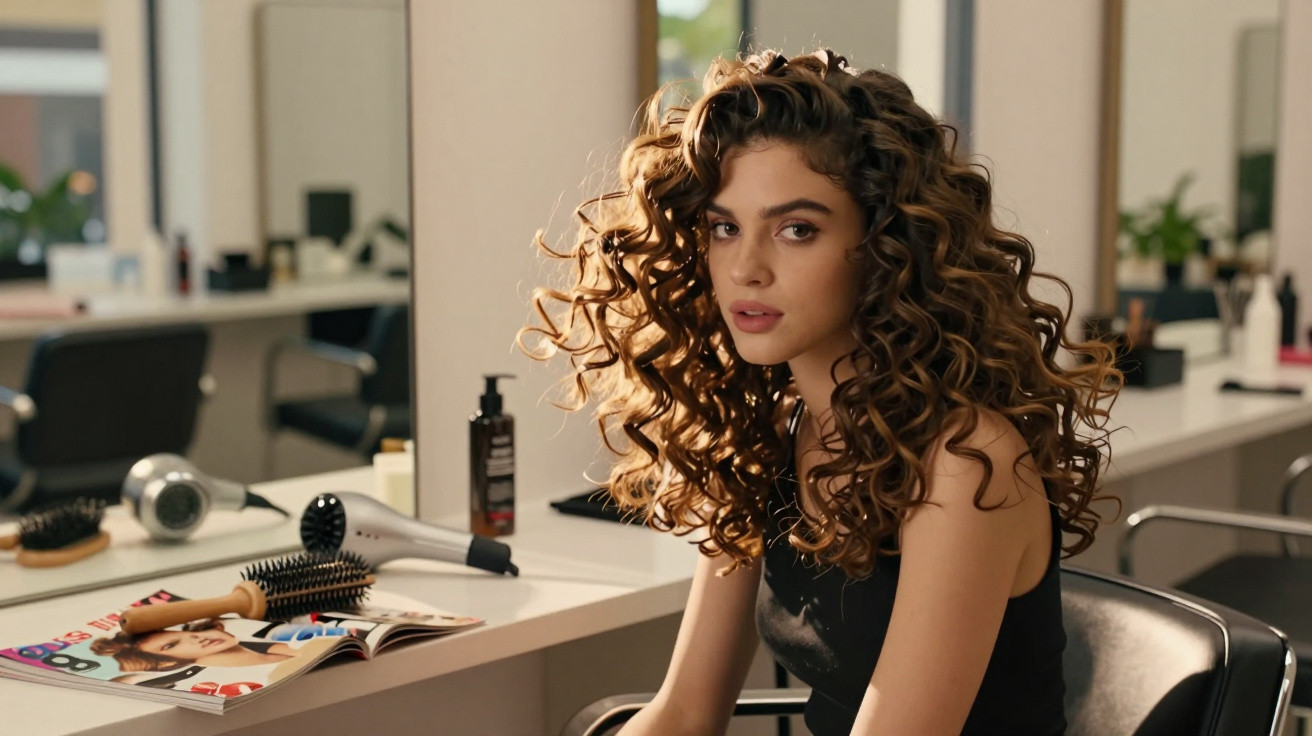
These hairstyles do not erase your identity. They edit it. They retain the volume where your personality sits - unruly curls, sleek lines or beachy texture - while removing the elements that tell a story you have outgrown. It may be as simple as cutting back hair you hid behind at 20 but no longer need at 45. It may mean returning to the fringe you loved at 16, but in a softer, more adult form. The strongest transformations are rarely extreme. They are precise. They also tend to prompt conversations: friends ask for your stylist’s name, while colleagues discreetly photograph the back of your head in the lift. A new haircut has always been a social signal. The interesting question is what you want yours to say next.
| Key point | Detail | Benefit for the reader |
|---|---|---|
| Face-framing cut | Shorter sections around the cheeks and eyes in a “contouring cut” style | Softens facial features and directs attention to the eyes rather than wrinkles |
| Strategic length | A textured mid-length cut or dynamic bob instead of very long, heavy hair | Lightens the silhouette and creates an impression of energy and modernity |
| Controlled fringe and volume | A light fringe, with volume at the top rather than at the sides | Rebalances facial proportions and creates an instant “rested” effect |











Comments
No comments yet. Be the first to comment!
Leave a Comment